Contents
In short:
- Sage is a medicinal herb whose leaves are traditionally used for tea and for gargling.
- Research suggests that sage may reduce hot flashes during menopause.
- Sage is linked to better memory and reduced throat discomfort.
- It is important not to exceed the dose: large amounts or the essential oil may be unsafe.
Sage is not only a fragrant herb, but also one of the oldest known medicinal plants. Many people associate this plant with tea for a cold, yet sage has a much broader effect: from easing menopausal discomfort to supporting memory. In this article we review what science says about the benefits of sage, how to take it safely and when it is best to consult a specialist.
Key takeaways
- Sage – common sage (Salvia officinalis) – is traditionally used for the throat, sweating and digestion.
- Standardised sage extracts reduced the number of hot flashes by roughly half in menopausal women in studies.
- Sage tea or gargling may help with throat irritation, and moderate amounts are considered safe.
- Avoid taking sage essential oil internally and large doses – the thujone they contain can be toxic.
What is sage?
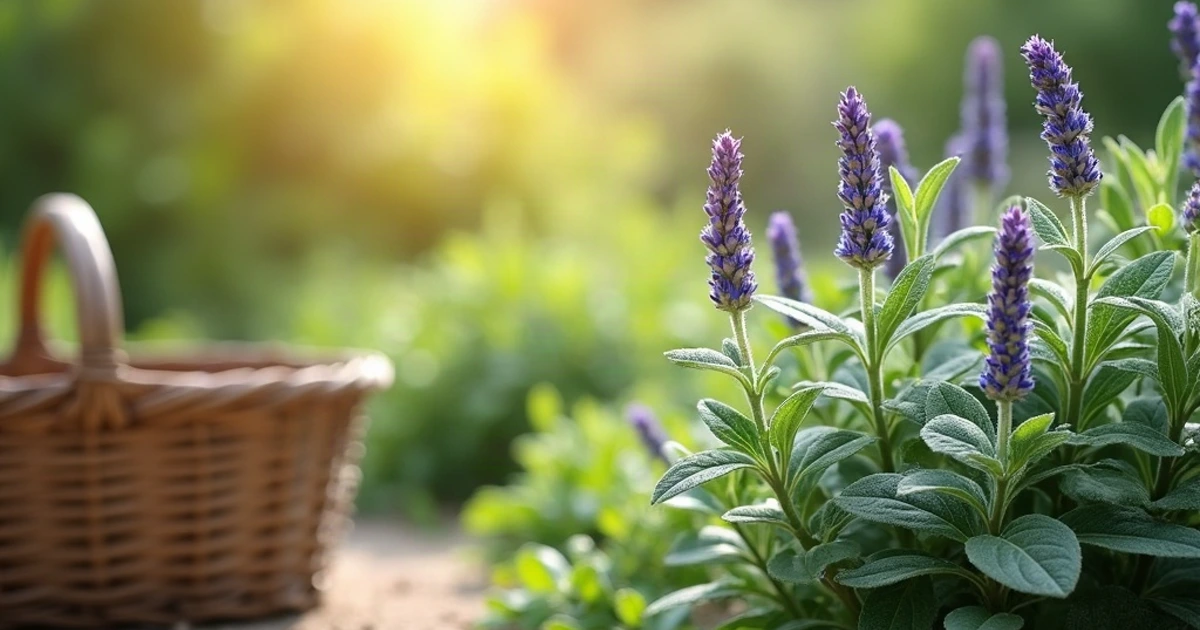
Common sage (Salvia officinalis) is a perennial shrub from the mint family, native to the Mediterranean region. You will recognise it by its greyish-green, softly fuzzy leaves and violet flowers that attract bees in summer. Sage has been grown for centuries both as a spice and as a medicinal plant.
The beneficial properties of sage are linked to its components: the essential oil (containing thujone, cineole and camphor), phenolic acids (rosmarinic acid) and flavonoids. These substances are responsible for the characteristic aroma and many of the effects discussed below.
Sage is used in several forms: fresh or dried leaves for tea, tincture, capsules with a standardised extract, and essential oil. Each form has a different concentration of active substances, so it is important to know which one you are choosing and for what purpose.
It is important not to confuse common sage with Spanish sage (Salvia hispanica) – the latter is the chia plant – a completely different plant whose seeds are used differently.
Sage for menopause: hot flashes and sweating
Sage is most often studied precisely for menopausal symptoms. Hot flashes and heavy sweating are among the most troublesome signs of this period, and sage is traditionally used to ease them.
In one of the most frequently cited studies, women who took a standardised sage extract for eight weeks experienced roughly half as many hot flashes, and their intensity also decreased. The result was noticeable after just a few weeks, and no serious side effects were found – you can find this study in the PubMed database.
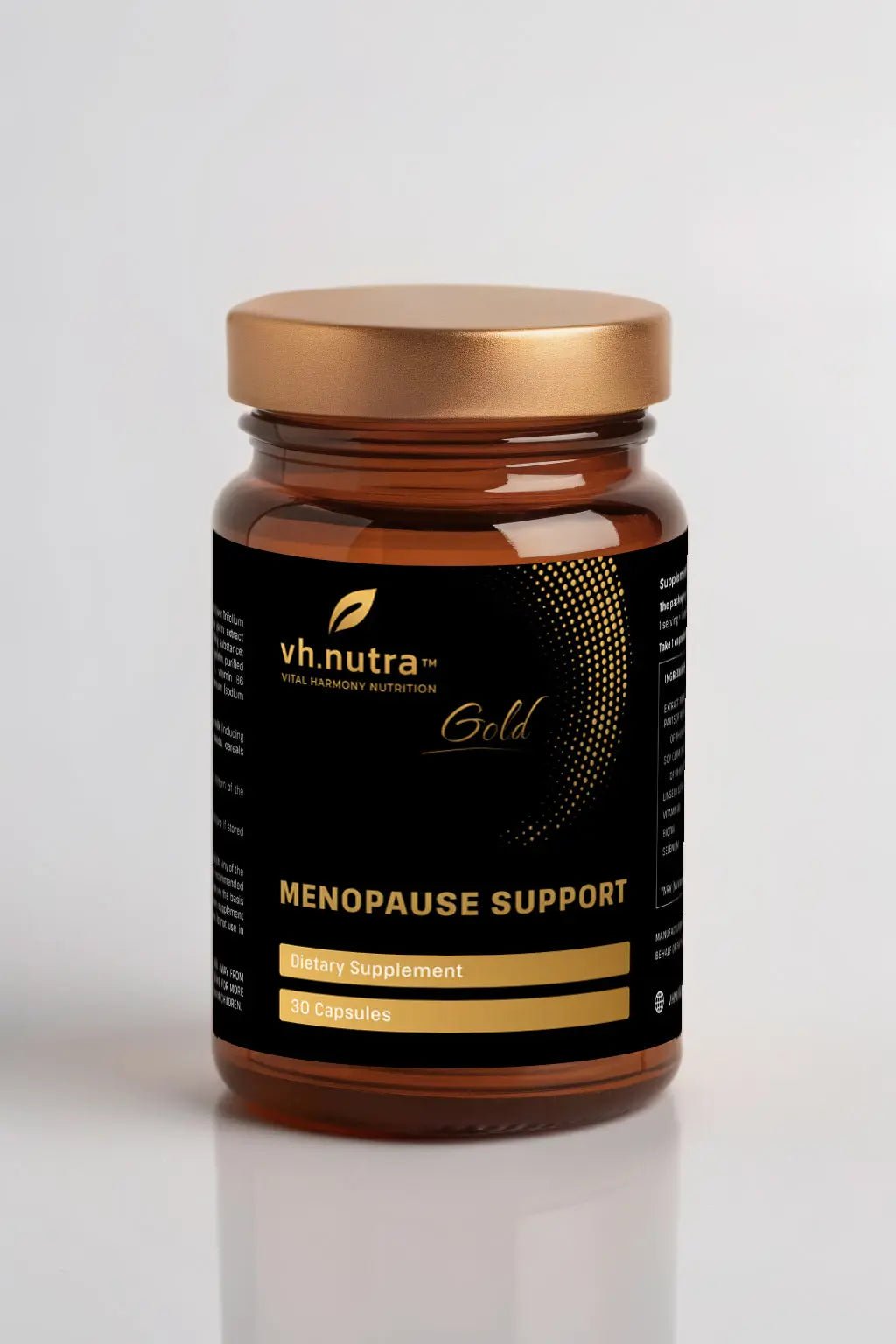
Sage is thought to act on the mechanisms that regulate sweating, but the exact way it works is not yet fully clear. If menopausal symptoms cause you discomfort, sage may be one of the options to consider – together with other herbal supplements, which we wrote about in the article on menopause supplements.
In addition to hot flashes, night sweats, which disrupt sleep, are also common during menopause. Sage is traditionally used for this symptom too – it is thought to help reduce excessive sweating. Results are individual, however, so it is worth monitoring how you feel for several weeks.
Sage for memory and the brain
Sage also attracts scientific interest for its effect on cognitive function. Small studies have shown that sage extract may help support memory, attention and mood in both healthy adults and older people.
In one study, participants who took sage extract performed memory and attention tasks better than those who took a placebo. Other studies examined the effect of sage in Alzheimer’s disease and observed some improvement, but larger studies are needed to confirm these results.
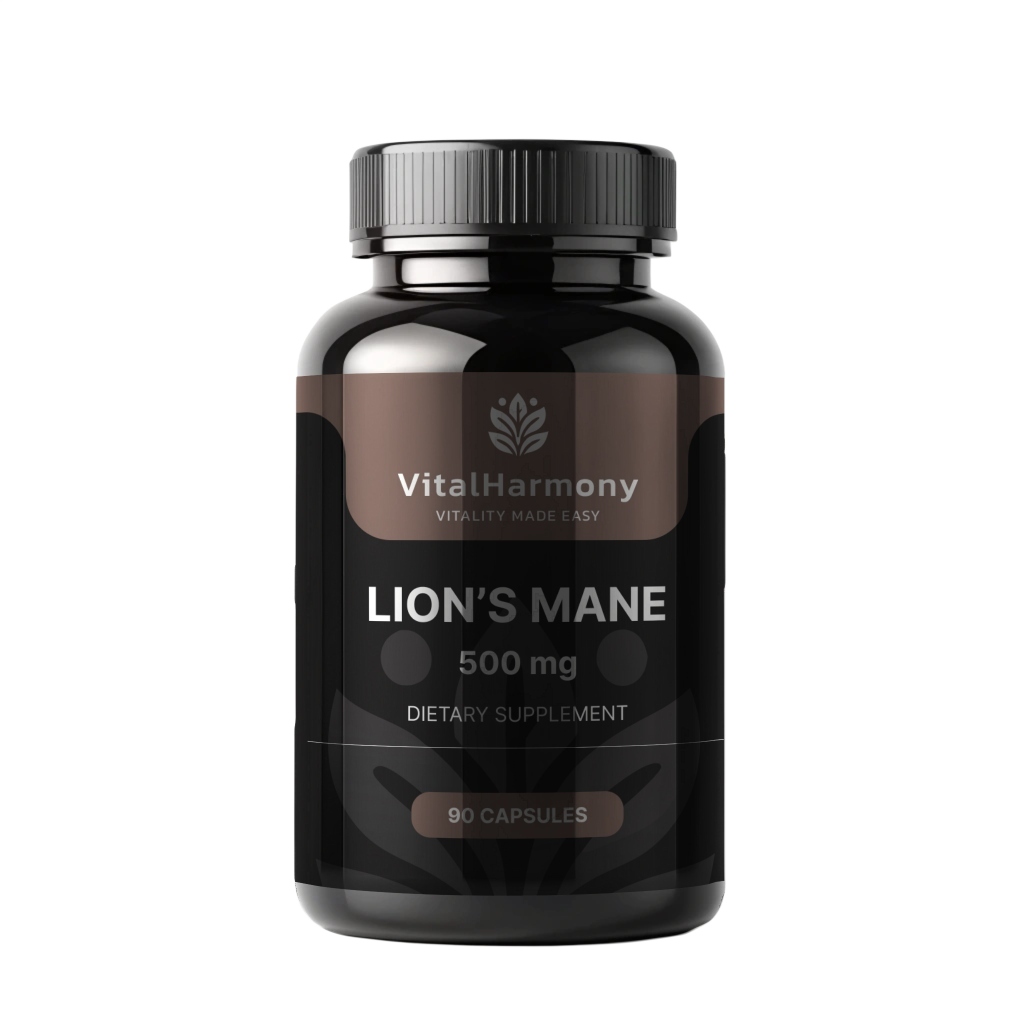
This effect is thought to be partly due to sage’s antioxidants and its ability to inhibit the enzyme acetylcholinesterase, which breaks down acetylcholine – a neurotransmitter important for memory. If you care about brain function, it is also worth learning about lion’s mane and ginkgo biloba, which are also linked to cognitive support.
Although the results are encouraging, it is important to understand that sage is not a “miracle pill” for memory. The effect is usually modest and only appears together with a healthy lifestyle: quality sleep, movement and a balanced diet.
Sage for the throat and oral health
Sage tea or gargling is a popular remedy for throat irritation. Sage essential oil and rosmarinic acid have antibacterial and anti-inflammatory properties, which is why a warm sage infusion is traditionally used to soothe a sore throat and to rinse the mouth.
Research shows that sage-based rinses may help with gum inflammation, and tea may help with mild throat discomfort. This does not mean that sage replaces treatment: with severe pain or a high temperature it is worth seeing a doctor. During the cold season you can combine sage with other remedies, such as propolis, which is also traditionally used to support the throat and immunity.
Besides tea, sage is also used in pharmacy products and throat lozenges. When choosing such products, it is worth checking the ingredients and picking products where the amount of sage is clearly stated.
Sage for digestion
In traditional medicine, sage is also used to support digestion. Warm sage tea after a meal can help with bloating, a feeling of heaviness or spasms. Sage essential oil is thought to stimulate the secretion of digestive juices and to calm the muscles of the digestive tract.
However, this effect is based mostly on traditional use – large clinical trials confirming the benefit of sage for digestion are still lacking. If digestive problems recur, it is important to look for their cause rather than only relieving the symptoms.
Sage is also classified as a bitter herb – herbs whose bitter taste stimulates digestive processes. This is why a tea made from sage leaves can be a pleasant way to finish dinner, especially after a heavier meal.
Sage for blood sugar and cholesterol metabolism
Some studies suggest that sage may be beneficial for metabolism. In small studies, sage extract helped slightly lower blood glucose in people with type 2 diabetes and improved lipid markers, for example by reducing LDL cholesterol.
These results are promising but preliminary. If you take medication for blood sugar or cholesterol, take sage supplements only after consulting your doctor – the effects may add up and cause blood sugar to drop too low.
Antioxidants and other beneficial properties
Sage is rich in antioxidants – rosmarinic acid, flavonoids and other phenolic compounds. Antioxidants help neutralise free radicals, unstable molecules that can damage cells and contribute to ageing and chronic disease.
Because of this composition, sage is also studied as a means to support the skin and general health, but practical benefit comes from regular and moderate use rather than large single doses. The benefit of antioxidants is best realised when sage becomes part of a varied, balanced diet.
Rosmarinic acid, which gives sage much of its antioxidant effect, is also studied for its effect on inflammation. This does not give sage miraculous properties, but regular intake of an antioxidant-rich diet is linked to better overall wellbeing.
Sage tea: how to prepare it
The simplest way to take sage is as tea. For one cup, about one teaspoon of dried sage leaves – roughly 1–2 grams – is enough. Pour boiling water over the leaves, cover and leave for 5–10 minutes, then strain.
Sage tea can be drunk warm after a meal – both for its pleasant taste and for its calming effect. To gargle, use a somewhat stronger infusion, but let it cool to a pleasant warmth. Generally no more than 2–3 cups a day are recommended.
How to take sage?
The dose of sage depends on the form and the purpose. For tea, 1–2 grams of dried leaves per cup, up to 3 cups a day, is enough. In supplement form, sage extract doses in studies most often ranged from a few hundred milligrams to about a gram per day, but always follow the label of the specific product.
Sage is best taken after a meal to reduce the chance of stomach irritation. For easing menopausal symptoms, the effect is usually seen after several weeks of regular use, so a single cup of tea will not make much difference.
The maximum safe dose depends on the amount of thujone. Ordinary tea and culinary amounts are considered safe, but concentrated extracts and especially the essential oil should not be taken internally without professional supervision – the thujone concentration in them can be dangerous.
Start with a lower dose and observe how your body reacts. If you feel no difference after several weeks, do not increase the dose on your own – it is better to consult a specialist who will assess whether sage is right for you.
Side effects and precautions
In ordinary amounts, sage is safe for most people. In rare cases nausea, stomach irritation or an allergic reaction may occur. Larger doses or long-term use of concentrated extracts can cause dizziness or nervous agitation.
Special attention should be paid to thujone – a compound in sage essential oil that is toxic to the nervous system in large amounts and can cause seizures. Therefore do not take the essential oil internally, and choose herbal preparations only from reliable sources with clear dosing information.
During pregnancy and breastfeeding it is better to avoid sage in medicinal amounts, because thujone may be unsafe. If you have epilepsy or other neurological conditions, it is worth consulting a doctor before taking sage. If you experience unusual symptoms after taking sage – severe dizziness, nausea or a skin rash – stop taking it and, if necessary, see a doctor.
Sage and drug interactions
Sage may interact with some medications. Because it can lower blood sugar, taking it together with diabetes medication carries a risk of hypoglycaemia. Sage may also strengthen the effect of sedatives and anticonvulsants.
Sage is thought to have a mild effect on blood clotting, so caution is warranted when taking anticoagulants. If you regularly take any medication, consult your doctor or pharmacist before starting sage supplements.
Frequently asked questions
Does sage help with menopause?
Yes, studies show that a standardised sage extract can reduce the number and intensity of hot flashes during menopause. The effect usually appears after several weeks of regular use.
How often can you drink sage tea?
Generally no more than 2–3 cups of sage tea per day are recommended. A moderate amount is considered safe, while larger amounts or long uninterrupted use are not recommended.
Is sage good for a sore throat?
Warm sage tea or gargling is traditionally used to soothe throat irritation, because sage has antibacterial and anti-inflammatory properties. For severe pain or a high temperature you should see a doctor.
Who should not take sage?
It is better to avoid sage in medicinal amounts during pregnancy and breastfeeding, as well as if you have epilepsy. Those taking medication for blood sugar or blood clotting, or taking sedatives, should first consult a specialist.
Recommended products
Disclaimer: This information is for educational purposes only. Before starting to take supplements, consult a doctor or pharmacist.