Contents
In short:
- Menopause is a natural stage in a woman’s life that begins after the last menstrual period and usually occurs between the ages of 45 and 55.
- Changing estrogen levels can affect bones, mood, sleep and body temperature regulation, but these changes can be softened.
- The most important nutrients are calcium, vitamin D, magnesium and omega-3 fatty acids, while sage and soy isoflavones are the most popular plant-based options.
- Menopause is not an illness – it is a natural transition that can be supported with a balanced diet, movement and targeted supplements.
Menopause is a natural and inevitable stage in a woman’s life that many approach with anxiety, although in reality it is simply a new rhythm of how the body functions. This transition usually lasts several years, and during it a woman may experience various changes – from hot flashes to mood swings. In this article we will review the seven most important areas affected by menopause, explain how to maintain good well-being during this period, which supplements may help and when it is worth consulting a doctor.
Key takeaways
- Menopause is not an illness but a natural hormonal transition that usually occurs between the ages of 45 and 55.
- Declining estrogen levels affect bones, mood, sleep and thermoregulation the most.
- Calcium, vitamin D and vitamin K2 are the most important trio for bone health after menopause.
- Sage, soy isoflavones and magnesium are the most commonly mentioned natural aids for easing menopause symptoms.
What is menopause?
Menopause is the natural end of a woman’s reproductive period, officially confirmed by twelve months without menstruation. It usually occurs between the ages of 45 and 55, with an average age of about 51. This process is not sudden: it is usually preceded by a perimenopause lasting several years, when hormone levels begin to fluctuate and the first symptoms may appear.
The main cause of these changes is a decreasing amount of estrogen and progesterone produced by the ovaries. These hormones regulate not only the menstrual cycle but also many other processes, so their decline affects bones, heart, skin, mood and sleep. In the U.S. National Institute on Aging menopause overview, this stage is described as a normal part of life rather than a health disorder.
It is important to understand that every woman experiences menopause differently. For some, symptoms are barely noticeable, while for others they are pronounced and interfere with daily life. There is no single “right” way to go through this stage, but a suitable diet, movement and, when needed, targeted supplements can help maintain good well-being.
1. Bone density and strength
Menopause is best known for its effect on bones. Estrogen helps maintain bone density, so when its levels drop, bones begin to break down faster than they rebuild. For this reason, the risk of osteoporosis and bone fractures increases after menopause, making bone health one of the most important priorities during this period.
The most important substances for bones are calcium, vitamin D and vitamin K2. Calcium is the main building material of bone tissue, vitamin D helps it absorb, and vitamin K2 directs calcium straight into the bones rather than into the blood vessels. You can find more about the importance of these substances in our calcium benefits overview and vitamin D article.
In addition to nutrients, bone density is also maintained by regular physical activity, especially strength training and weight-bearing exercises such as walking or climbing stairs. Bones respond to load, so an active lifestyle is one of the best measures to prevent osteoporosis.
2. Mood and emotional balance
Hormonal fluctuations during menopause are often reflected in mood. Many women notice increased irritability, anxiety or sadness during this period, which is further intensified by poor sleep and fatigue. These changes are a completely normal body reaction to the changing hormonal background, but they can significantly complicate everyday life.
Several substances help maintain emotional balance. Magnesium is involved in nervous system function and can contribute to a calmer state, while omega-3 fatty acids are associated with supporting emotional health. Among plant-based supplements, ashwagandha is popular – an adaptogen traditionally used to soften the effects of stress.
It is also important to remember that emotional well-being is strongly influenced not only by supplements but also by sleep quality, physical activity and social support. If mood changes become difficult to manage or interfere with life, it is worth talking to a doctor – sometimes additional help may be needed.
3. Sleep quality
Sleep disorders are one of the most common companions of menopause. They are usually caused by night sweats and hot flashes that force waking up in the middle of the night. Even without these symptoms, changing hormone levels can disrupt falling asleep and reduce the duration of deep sleep, which the next day turns into fatigue and poorer concentration.
Magnesium is often recommended to support sleep quality, especially the easily absorbed bisglycinate form, which is gentle on the stomach and suitable for taking in the evening. You can find more about this mineral’s effect on sleep in our magnesium benefits article. It is also important to keep a consistent sleep schedule, avoid caffeine in the evening and create a calm environment in the bedroom.
If night sweats greatly interfere with sleep, it is worth choosing breathable bedding made of natural fabrics and cooling the bedroom. These simple measures, together with targeted supplements, often help significantly improve sleep quality.
4. Hot flashes and sweating
Hot flashes are perhaps the most recognizable symptom of menopause. This is a sudden sensation of heat, usually rising from the chest to the face and neck, accompanied by redness and sweating. This sensation is caused by altered body temperature regulation due to reduced estrogen levels, and for some women it repeats many times a day.
Among natural remedies for reducing hot flashes, sage is most commonly mentioned – a traditionally used plant whose extracts are associated with reducing sweating. Soy isoflavones are also being studied – plant-derived compounds whose structure is similar to estrogen. These remedies do not help every woman, but for some they noticeably ease well-being.
In everyday life, layered clothing that can be easily removed also helps, as well as avoiding hot food, spicy food, caffeine and alcohol, which can trigger hot flashes. The most important thing is to observe what specifically triggers them in your case.
5. Heart and blood vessels
Before menopause, estrogen gives women natural protection for the heart and blood vessels, but when its levels drop, this protective effect weakens. As a result, the risk of heart disease may increase after menopause, so heart health requires special attention during this period.
The most important substances for the heart and blood vessels are omega-3 fatty acids, which are abundant in fatty fish and fish oils. These fatty acids help maintain normal heart function and blood pressure. It is also important to monitor cholesterol levels, maintain a healthy body weight and exercise regularly – even a daily brisk walk brings tangible benefits.
Do not forget vitamin K2, which helps direct calcium into the bones rather than into blood vessel walls, thus contributing to heart and blood vessel health. This less-known substance becomes especially relevant at this stage of life.
6. Body composition and metabolism
During menopause, many women notice that weight increases more easily than before, even without changing eating habits. This is influenced by a slowing basal metabolic rate and a changing hormonal balance, which causes fat to accumulate more often in the abdominal area. This is a natural process, but it can be softened.
For body composition, the most important thing is an adequate amount of protein, which helps maintain muscle mass, and regular strength training. Muscles are active tissue that burns calories even at rest, so keeping them helps maintain a healthy metabolism and can make weight control easier in the long run.
It is also worth monitoring blood sugar fluctuations – smaller and more frequent balanced meals with enough fiber and protein help avoid sudden hunger attacks. A healthy body composition at this stage is a realistic and achievable goal, you just need to adjust your habits a little.
7. Skin, hair and mucous membranes
Estrogen contributes to maintaining skin elasticity and moisture, so its decline often manifests as drier skin, thinner hair and dry mucous membranes. These changes can be unpleasant, but they can also be softened with proper care and nutrients.
Collagen, biotin and hyaluronic acid are often recommended to support skin and hair condition. It is also important to drink enough water and take omega-3 fatty acids, which contribute to normal skin condition. Externally, moisturizing creams and gentle products that do not strip the skin help.
Dry mucous membranes are another common but rarely discussed menopause symptom that can affect the eyes, mouth or intimate areas. If this discomfort interferes with daily life, it is worth consulting a doctor about suitable solutions.
How to take supplements during menopause?
During menopause, supplements are seen not as treatment but as an aid for maintaining well-being. The most important thing is to follow the recommended doses and not take several supplements with the same substances at once to avoid excess. The recommended daily intake of calcium for women over 50 is about 1200 mg, and doses above 2500 mg should not be taken without a doctor’s supervision.
Most specialists recommend taking vitamin D daily at 800–2000 IU, while the safe upper limit is usually stated as 4000 IU per day. The daily magnesium requirement for women is about 310–320 mg, and it is advised not to exceed 350 mg per day from supplements. These doses are best coordinated with a doctor or pharmacist, especially if you take medications.
Calcium supplements are best taken with food, as they are then better absorbed, while magnesium is best taken in the evening if the goal is to improve sleep. The effect usually accumulates over several weeks, so it is worth taking consistently for at least 1–2 months before evaluating the result. It is not recommended to exceed the recommended doses, because a larger amount does not necessarily mean a better effect.
Side effects and precautions
Natural ways of supporting well-being during menopause – diet, movement and food supplements – are generally safe, and serious side effects are rare. However, excessive doses can cause unpleasant effects: for example, calcium excess is associated with the risk of kidney stones, and too much magnesium can cause diarrhea.
Caution is also required regarding interaction with medications. Calcium can interfere with the absorption of some medications, so it is worth leaving a few hours between taking them. Also, women with hormone-dependent health conditions should consult a doctor before taking soy isoflavones or other phytoestrogens.
If menopause symptoms are very pronounced or severely interfere with life, do not handle everything on your own – see a doctor. A specialist can assess your situation and suggest the most suitable solution, which may not necessarily be only supplements.
Diet: natural sources during menopause
A balanced diet is the most important foundation for well-being during menopause, and many of the needed substances can be obtained directly from food. Calcium is abundant in dairy products, green leafy vegetables, sesame seeds and almonds, while vitamin D is found in fatty fish, egg yolks and sunlight. Magnesium can be found in nuts, seeds, legumes and whole grain products.
Soy products – tofu, edamame beans and soy milk – are a natural source of isoflavones, while flaxseeds are rich in lignans. These plant substances are structurally similar to estrogen and help some women ease menopause symptoms. Omega-3 fatty acids are abundant in salmon, mackerel and walnuts.
It is worth limiting caffeine, alcohol and spicy food, which can trigger hot flashes and disrupt sleep. Instead, choose more vegetables, fruits, whole grain products and protein – this will help maintain stable energy levels and good well-being throughout the day.
FAQ: common questions
At what age does menopause begin? Menopause usually begins between the ages of 45 and 55, with an average age of about 51. However, this period is very individual – for some women the first changes may begin earlier or later.
Is menopause an illness? No, menopause is a natural and healthy stage in a woman’s life, not an illness. Although some symptoms can be unpleasant, they can usually be softened with lifestyle adjustments and targeted supplements.
Which supplements are best during menopause? Calcium with vitamin D and K2 is most commonly recommended for bone health, magnesium for sleep and mood, omega-3 for the heart, and sage and soy isoflavones among plant-based options. The specific set is best chosen according to your needs.
Do soy isoflavones really help? Soy isoflavones are among the most studied natural compounds for easing menopause symptoms, but their effect is individual. Some women notice a positive effect, while for others it is minimal, so it is worth trying with realistic expectations.
When should you see a doctor? If symptoms greatly interfere with daily life – for example, constant insomnia, strong hot flashes or hard-to-manage mood – it is worth consulting a doctor. A specialist can assess the situation and suggest the most suitable solution.
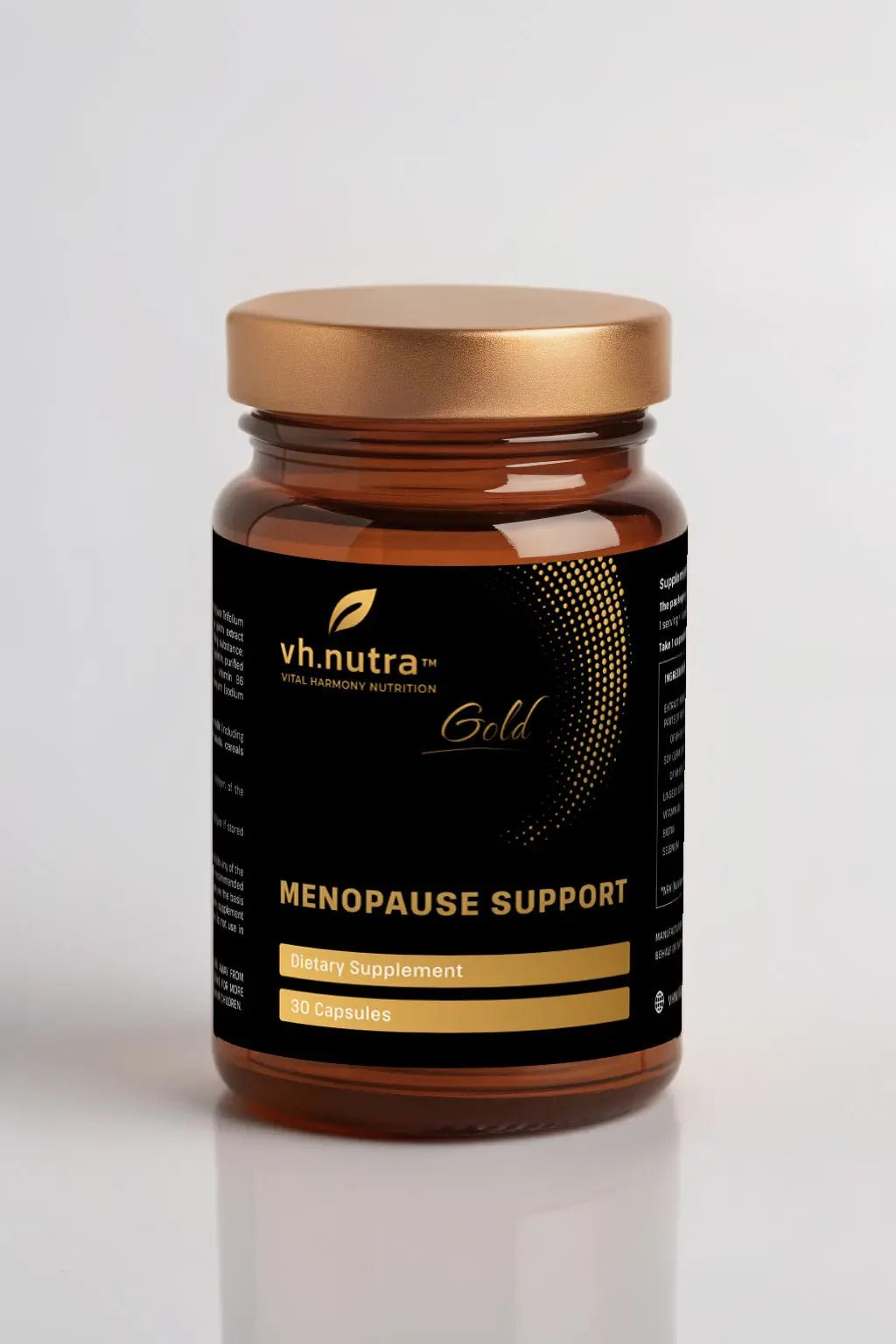
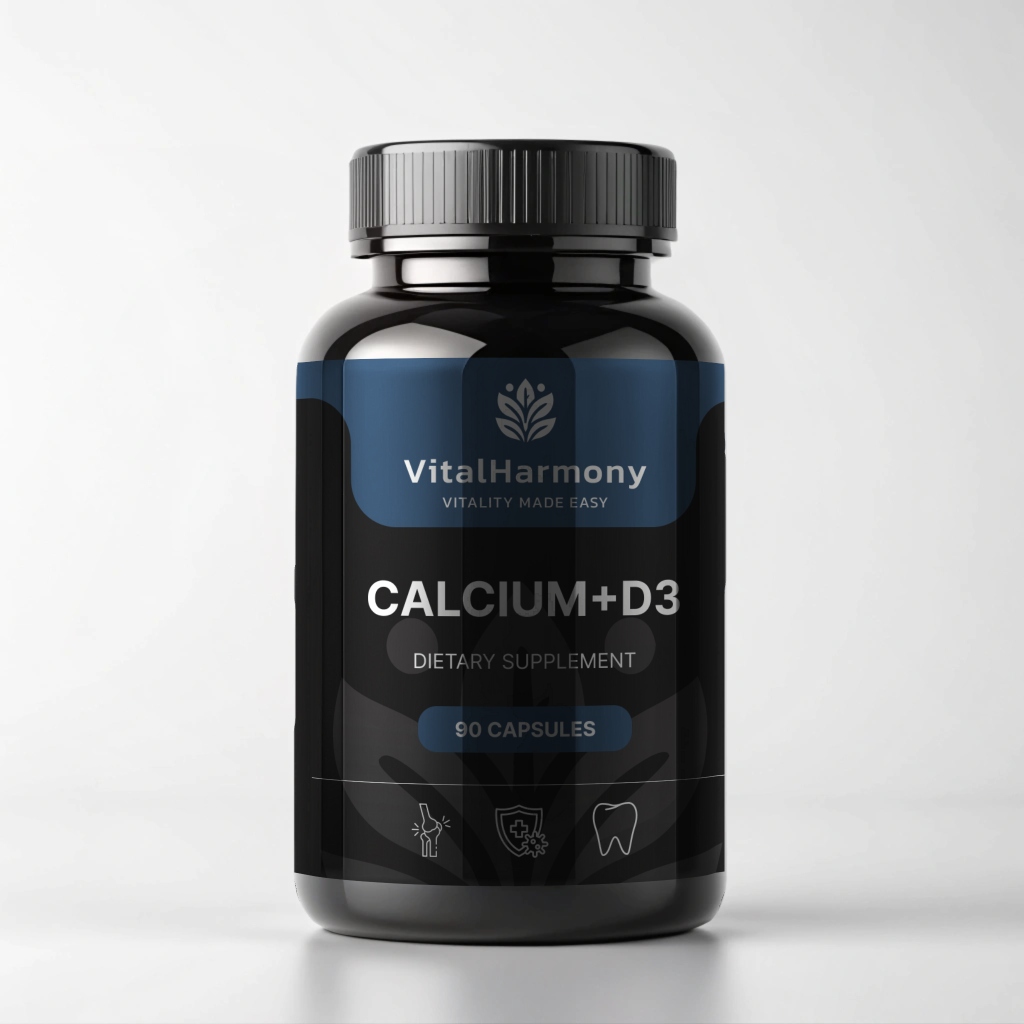
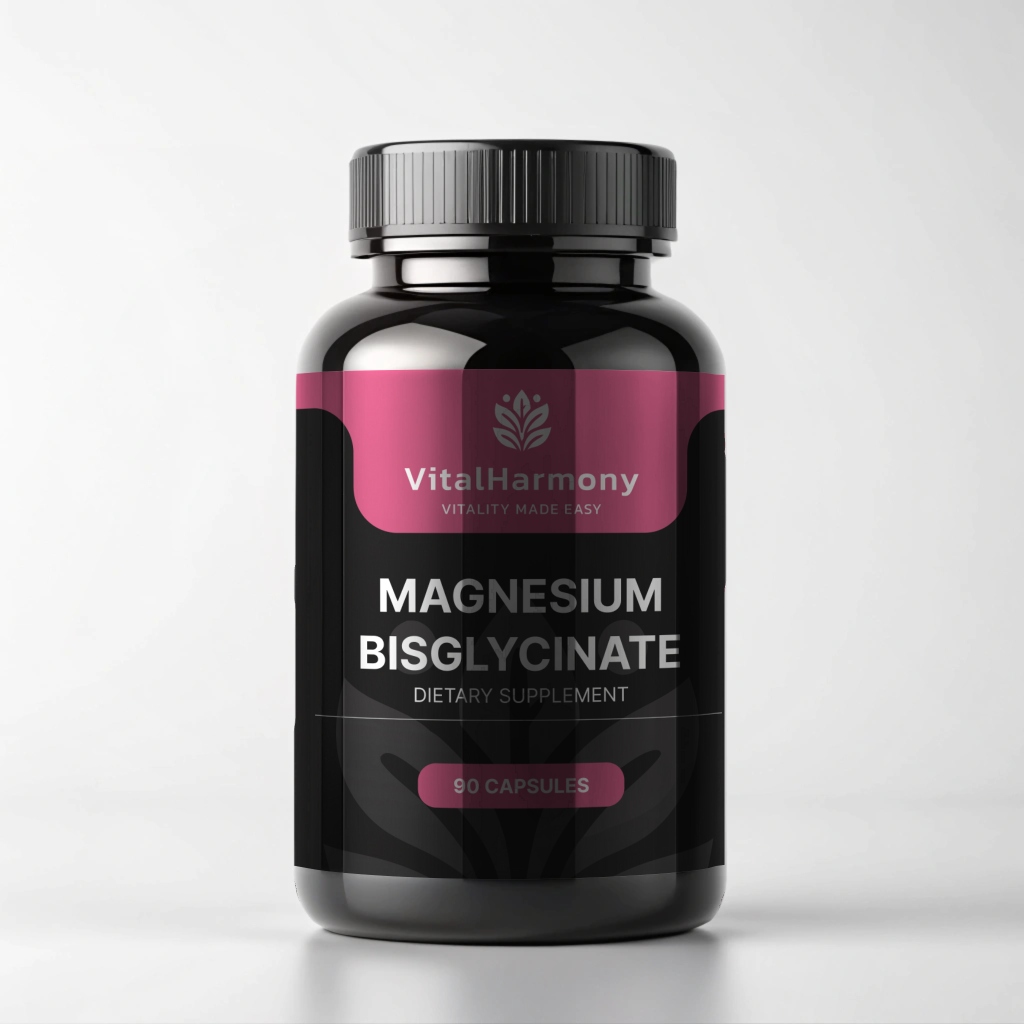
If you want to supplement your diet with targeted products, pay attention to VH.Nutra Menopause Support – a complex balanced specifically for the menopause period. For bone health after menopause, calcium with vitamin D3 works great, while for calmer sleep and mood – easily absorbed magnesium bisglycinate, which is gentle on the stomach.
Disclaimer: This information is for educational purposes only. Consult a doctor or pharmacist before starting to take supplements.
Related articles
- Calcium – 7 benefits for bones, muscles and overall health
- Omega-3 – 7 benefits for the heart, brain and health
- Menopause support: VH.Nutra Menopause Support – 7 benefits for womens health, bones and well-being