
Table of contents
In short:
- Propolis is a natural resin produced by bees, also called “bee glue”, which bees use to protect the hive from microbes.
- It contains more than 300 compounds – flavonoids, phenolic acids and other active substances.
- The most studied properties are its effects on immunity, the throat and oral health, as well as antioxidant and antimicrobial activity.
- It is most often used as a tincture, spray, lozenges or capsules – start with a small amount and watch your body’s reaction.
Propolis is one of those natural bee products that many people have heard of, yet not everyone knows exactly what it is and how it works. This sticky, dark brown substance has been used in folk medicine for centuries, and today it also attracts the attention of scientists. In this article we look at what propolis is, what benefits it can offer for the throat and immunity, and how to use it properly.
Key takeaways
- Propolis – a natural bee resin, traditionally used to support immunity and the throat.
- Its active substances, flavonoids and phenolic acids, have antioxidant and antimicrobial properties.
- It is most often used as a tincture, spray or lozenges during colds and throat discomfort.
- People allergic to bee products should avoid it – consult a doctor before use.
What is propolis?
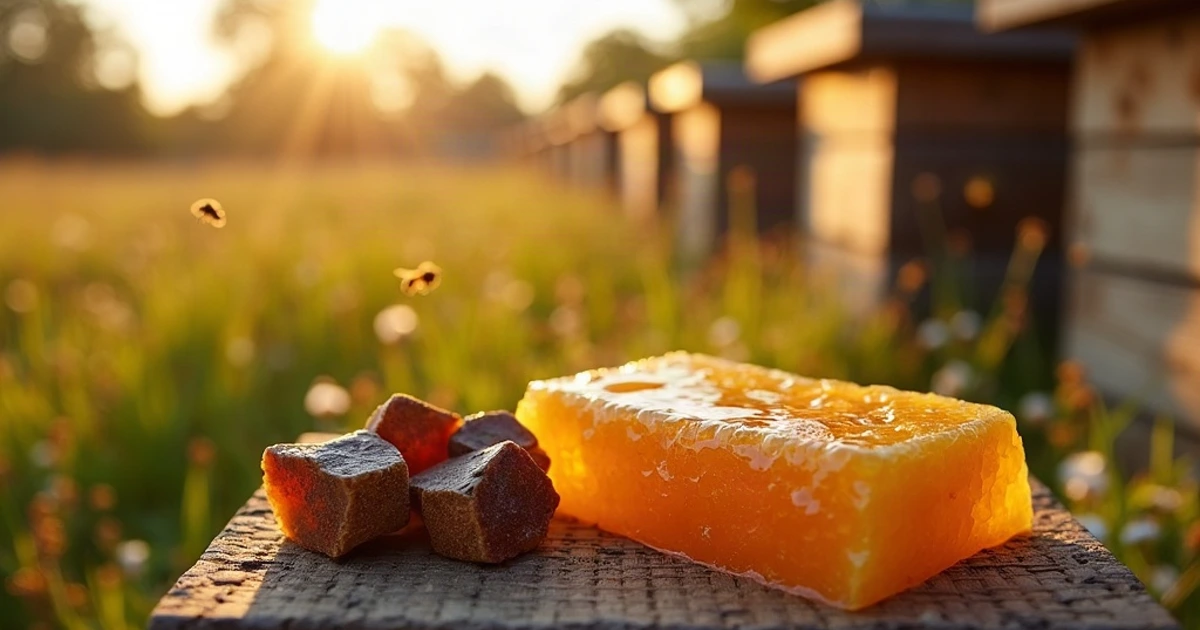
Propolis is a resinous substance that bees collect from tree buds and bark, then mix with enzymes from their saliva and beeswax. For this reason it is also called bee glue or bee resin. Inside the hive this substance does important work: bees use it to seal cracks, disinfect comb cells and protect the whole colony from various pathogens.
The colour of propolis can vary – from greenish brown to dark brown or even reddish. It depends on which trees the bees collected the resin from and the region where the hive is located. This natural product was already known in ancient Egypt, Greece and Rome: the Egyptians used it for embalming, and ancient physicians used it to treat wounds and infections.
Today propolis remains a popular natural preparation, especially during the cold season, when people look for ways to support the throat and immunity. It is available in several forms: alcohol tincture, water extract, spray, lozenges, capsules or chewable pieces.
How do bees make this substance? Worker bees scrape the sticky resin from tree buds, place it in special baskets on their legs and carry it to the hive. There, together with other bees, they mix the resin with beeswax and saliva enzymes – this processing turns the raw plant resin into propolis, which the bees then use to protect the hive.
Composition and active substances of propolis
The composition of propolis is complex and depends on the geographical area and the plants from which the bees collect resin. Scientists have identified more than 300 different compounds in it, as reported in this scientific review. The largest part consists of resins and balsams, beeswax, essential oils and pollen, while the rest is made up of active substances.
The main biologically active substances are flavonoids and phenolic acids. These are most closely linked to the antioxidant, antimicrobial and anti-inflammatory properties of propolis. One of the most studied compounds is caffeic acid phenethyl ester (CAPE), which is attributed a broad biological activity.
Since the composition varies depending on the origin, different samples of propolis may act somewhat differently. Nevertheless, the general mode of action remains similar: flavonoids and phenolic acids help protect cells from oxidative stress and can inhibit the growth of certain microorganisms.
Because of this dependence on plants, the types of propolis also differ. In Europe the most common is propolis made from poplar resin, while in South America there is green propolis, obtained from plants of the Baccharis genus. Despite these differences, similar groups of active substances dominate in all types of propolis, so the main properties are essentially the same.
Benefits of propolis for immunity
One of the most frequently mentioned properties of propolis is its effect on the immune system. Propolis has an immunomodulatory action – meaning it can help regulate the immune response rather than simply “boost” it. Some studies show that the compounds in propolis can stimulate the activity of certain immune cells and help the body react faster to challenges.
In addition, propolis has antimicrobial activity, which is why it is traditionally used during colds and other respiratory ailments. It is important to stress that propolis is not a medicine and cannot cure a disease, but it can be used as a supportive measure for immunity during the cold season.
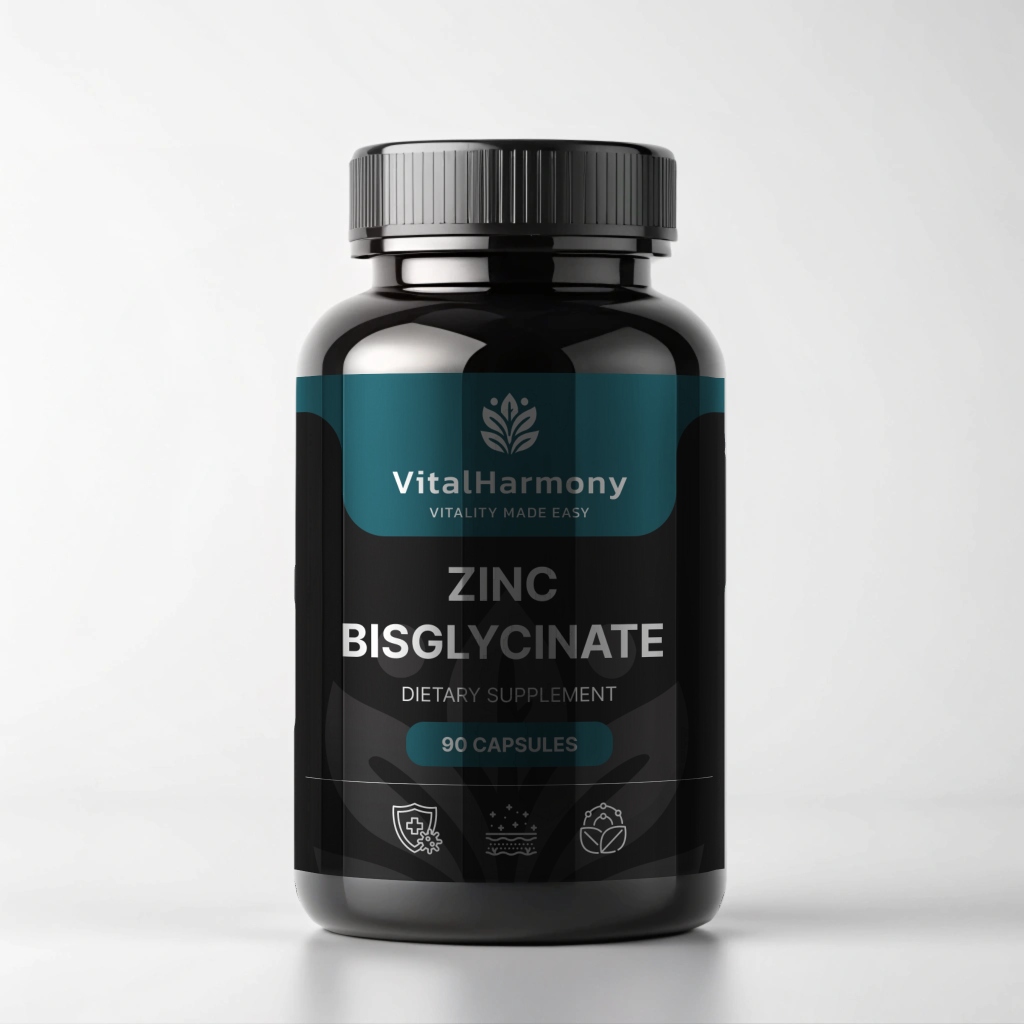
For these reasons propolis is often combined with other immune-supporting substances – for example, vitamin C and zinc. This combination is popular in autumn and winter, when the body faces a higher number of viruses and bacteria. You can read more about these substances in our articles about vitamin C and zinc.
There are still fewer human studies than laboratory ones, so conclusions should be viewed with caution. Nevertheless, traditional experience of use and the available data show that propolis can be useful as a supportive measure for immunity, rather than as a primary treatment. If cold symptoms persist or worsen, it is worth seeing a doctor.
Propolis for the throat and respiratory tract
Throat discomfort is probably the most common reason why people choose propolis. Sprays, lozenges and tinctures with propolis are intended for the mouth and throat mucosa – they can help reduce the unpleasant tickling sensation and support the condition of the mucosa.
The antimicrobial action of propolis can also be useful for the upper respiratory tract, because some of its substances inhibit the growth of certain bacteria and viruses. For this reason propolis preparations are often used at the first signs of a cold – but they do not replace treatment prescribed by a doctor.
When using a spray or lozenges, the active substances come into direct contact with the mucosa, so the effect is felt more quickly. It is important to follow the dose stated on the packaging and to remember that an alcohol tincture can irritate a sensitive throat, so it is often recommended to dilute it with water.
Propolis and its antioxidant properties
The flavonoids and phenolic acids abundant in propolis act as antioxidants. This means they can neutralise free radicals – unstable molecules that damage cells and contribute to oxidative stress. Long-term oxidative stress is linked to cellular ageing and various chronic diseases.
Research shows that the antioxidant capacity of propolis can be quite high and depends on the amount of flavonoids. For this reason propolis is sometimes classified among natural antioxidants, similar to green tea or curcumin. However, it should be borne in mind that laboratory results do not always directly reflect the effect in the human body.
In addition to antioxidant activity, propolis also has anti-inflammatory properties. Some studies link it to a reduction in inflammatory markers, which is why this bee resin interests scientists studying chronic inflammatory processes.
Propolis for oral health
Another area where propolis has attracted research attention is oral health. Thanks to its antimicrobial properties it is added to mouth rinses and toothpastes. Some studies show that propolis preparations can help maintain gum health and reduce plaque formation.
Propolis is also traditionally used for the care of mouth ulcers and minor mucosal lesions. However, if mouth or gum problems persist, it is important to see a dentist – propolis can only be a supportive measure, not a substitute for treatment.
How to use propolis?
How you use propolis depends on the chosen form. An alcohol tincture is usually dropped into water or onto sugar – it is commonly recommended to start with 20–30 drops twice a day, but always follow the dose stated on the packaging. A spray is sprayed directly into the throat, and lozenges are slowly sucked in the mouth.
The dose of capsules or extract can range from a few hundred milligrams to about 1000 mg per day, depending on the concentration and purpose. When is the best time to use propolis? If the goal is immune support, it can be taken in the morning with food. If you want to support the throat in the evening, a spray or lozenge is convenient to use before bed.
How long should it be used? For short-term throat discomfort a course of a few days is usually enough, while for seasonal immune support propolis is used for several weeks. A maximum safe dose has not been clearly established, so it is not recommended to exceed the manufacturer’s stated amount. Before longer use, consult a doctor or pharmacist.
Side effects
For most people propolis at recommended doses is well tolerated, but it is not suitable for everyone. The greatest risk is related to allergy. People allergic to bee products – honey, pollen or bee stings – should avoid propolis, because an allergic reaction may occur.
Signs of allergy may include skin rash, itching, swelling or more severe symptoms. People with asthma should be especially careful, because for some of them propolis preparations can cause a respiratory reaction. If you notice any unusual symptom, stop using it and contact a doctor.
Pregnant and breastfeeding women are advised not to use propolis without a doctor’s approval, because safety data for this group is insufficient. It is also not recommended for infants – similarly to honey.
Propolis and medications
Propolis may interact with certain medications, so when used regularly it is worth being careful. Research data is limited, but it is thought that propolis may enhance the effect of blood-thinning medicines, because some of its compounds may affect blood clotting. For this reason, if you take anticoagulants, you must consult a doctor before starting propolis.
A theoretical interaction is also possible with medicines that suppress the immune system, because propolis affects the immune response. If you take prescription medicines or have a chronic condition, it is safest to consult a doctor or pharmacist before starting to use propolis preparations.
Frequently asked questions
Does propolis help with a cold?
Propolis is not a medicine and cannot cure a cold, but thanks to its antimicrobial and immune-supporting properties it is often used as a supportive measure during the cold season, especially to relieve throat discomfort.
Is propolis suitable for children?
Propolis, like honey, is not recommended for infants. For older children it can be used only after consulting a doctor, because there is a risk of allergy and the dose must be carefully chosen.
Can propolis cause an allergy?
Yes, propolis can cause an allergic reaction, especially in people sensitive to bee products. Symptoms may include skin rash, itching or swelling. If you notice these signs, stop using it.
Which form of propolis is best?
There is no single “best” form – the choice depends on the goal. For throat discomfort a spray or lozenges are most convenient, while for immune support capsules or a tincture are suitable. It is important to choose a quality product and follow the stated dose.
Can propolis be used every day?
For seasonal immune support propolis can be used daily for several weeks, following the recommended dose. For longer use it is worth consulting a doctor or pharmacist.
Recommended products

Disclaimer: This information is for educational purposes only. Before starting to take supplements, consult a doctor or pharmacist.