
Table of contents
In brief:
- Rutin is a natural bioflavonoid obtained mainly from buckwheat, capers and citrus peel.
- Rutin is most associated with supporting blood vessels and veins — it helps keep capillaries strong and elastic.
- In supplements, rutin is often combined with vitamin C, because the two substances complement each other.
- The usual dose is 250–500 mg per day; if you take blood thinners, consult your doctor first.
Rutin is one of those natural compounds you usually only hear about once you start looking into blood vessel and vein health. In this article we explain what rutin is, how it works, what benefits research links to it, where to find it in food and how to take it correctly to get the most value.
Key takeaways
- Rutin is a bioflavonoid that helps keep capillaries strong and reduces their permeability.
- Rutin is mainly obtained from buckwheat, capers and citrus fruit; in supplements it is often combined with vitamin C.
- Take it following the dose stated on the label; because of interactions with blood thinners, consult your doctor first.
What is rutin?
Rutin is a natural plant-derived compound belonging to the flavonoid group. More precisely, it is a flavonol — a quercetin glycoside, in which the quercetin molecule is linked to the sugar rutinose. Its chemical formula is C₂₇H₃₀O₁₆ and its molecular mass is about 610 grams per mole (PubChem). Flavonoids are a large group of plant pigments that give colour to fruits, vegetables and flowers and have antioxidant properties.
The name comes from the rue plant (Ruta graveolens), from which rutin was first isolated. Historically this compound was called “vitamin P” — from the English word permeability, because it was observed that rutin reduces capillary permeability and fragility. Today it is no longer called “vitamin P”, because it does not meet the criteria of a true vitamin, but this name still appears in older sources.
In pharmacy, semi-synthetic forms of rutin are called rutosides or oxerutins. They dissolve better in water and are better absorbed, which is why in medicinal products for vein disorders it is usually rutoside, and not pure rutin, that is used.
How does rutin work in the body?
Rutin first of all strengthens the smallest blood vessels — the capillaries — and reduces their permeability. This means that less fluid leaks from the capillaries into the surrounding tissues, which can reduce swelling and the feeling of heaviness in the legs.
Second, rutin acts as an antioxidant. It neutralises free radicals that can damage blood vessel walls, accelerate their ageing and contribute to inflammation. By protecting the inner layer of blood vessels (the endothelium), rutin helps keep them elastic. Third, research shows an anti-inflammatory effect — rutin can reduce the release of inflammation-promoting substances.
It is important to know that the biological absorption of pure rutin is relatively low. Most of it is broken down in the digestive tract and enters the blood as quercetin and other metabolites. That is why in many supplements rutin is combined with vitamin C — it helps keep rutin stable and strengthens the overall effect.
Rutin benefits for blood vessels and veins
Rutin is most commonly associated with supporting blood vessels and veins. People who stand or sit for long periods often complain of heavy, tired legs, evening swelling and cramps. These signs are typical of chronic venous insufficiency — a condition in which the vein valves no longer withstand the pressure of the blood and blood accumulates in the lower limbs.
Rutin and its derivatives (rutosides) help reduce these symptoms in two ways: by strengthening the vein and capillary walls and by reducing their permeability. When the walls are stronger, less fluid seeps into the tissues, so swelling and heaviness decrease.
In addition, rutin is useful for capillary fragility, which shows up as easily appearing bruises or visible small blood vessels, often called “spider veins”. Stronger capillaries rupture less often, so the risk of small haemorrhages decreases.
Rutin is most often chosen in these situations:
- Long-term work standing or sitting, when the legs swell and feel heavy in the evening.
- A tendency to bruising and fragility of small blood vessels.
- Haemorrhoid symptoms related to weakness of the vein walls.
- A supportive measure in the case of inherited vein weakness.
Rutin and varicose veins: what research shows
For varicose veins, the research results are modest, but most data have been gathered on rutosides — semi-synthetic forms of rutin. In reviews summarising dozens of studies, rutosides were classified among the so-called phlebotonics — substances that help maintain vein tone and reduce symptoms (PubMed).
According to research, rutosides can moderately reduce leg swelling and the feeling of heaviness and fatigue, compared with placebo. The effect is not dramatic, but for many people it is enough to noticeably improve daily wellbeing. It is important to stress that rutin is not a treatment for varicose veins — it is regarded as a symptom-relieving supplement.
If varicose veins are already advanced, it is worth consulting a doctor about treatment options, such as compression therapy or sclerotherapy. Supplements can be a useful additional measure, but they do not replace professional treatment.
Antioxidant and anti-inflammatory benefits
As a flavonoid, rutin has antioxidant activity. It helps protect cells from oxidative stress caused by an excess of free radicals. Oxidative stress is linked to blood vessel damage, premature ageing and the risk of many chronic diseases.
Rutin can also suppress inflammation — studies on cells and animals show that it reduces the production of inflammation-promoting cytokines. This effect complements the vessel-protecting action, because chronic inflammation is one of the causes of blood vessel wall damage. To learn more about antioxidants that work in a similar way, read the article about resveratrol.
Because of these properties, rutin is often included in antioxidant complexes together with other flavonoids and vitamins. Although most of the data come from laboratory and animal studies, they allow rutin to be regarded as a valuable supplement for blood vessel protection.
Where rutin is found: food sources
Rutin is naturally found in various plant foods. One of the richest sources is capers: the concentration of rutin in them is extremely high, much higher than in most other foods. However, eating a lot of capers every day is not easy, so in practice it is simpler to get rutin by combining various products or choosing a supplement.
A lot of rutin is also found in buckwheat and buckwheat products, citrus peel, apples, asparagus, black olives, elderberries and rooibos tea. Buckwheat is especially familiar in the daily diet — buckwheat porridge and buckwheat as a side dish can become a natural source of rutin. A normal diet can provide a certain amount of rutin, but for a specific supportive effect, people often choose supplements, where the dose is higher and more precise.
It is worth noting that most of the rutin is in the peel and outer layers of the plant, so when we peel fruit we lose part of this compound.
Rutin with vitamin C — why they are combined
Rutin and vitamin C are one of the most common combinations in supplements. The reason is simple: the two substances complement each other. Vitamin C helps keep rutin stable and improves its absorption, and together both strengthen the capillary walls and support the production of collagen — the most important structural protein of blood vessels.
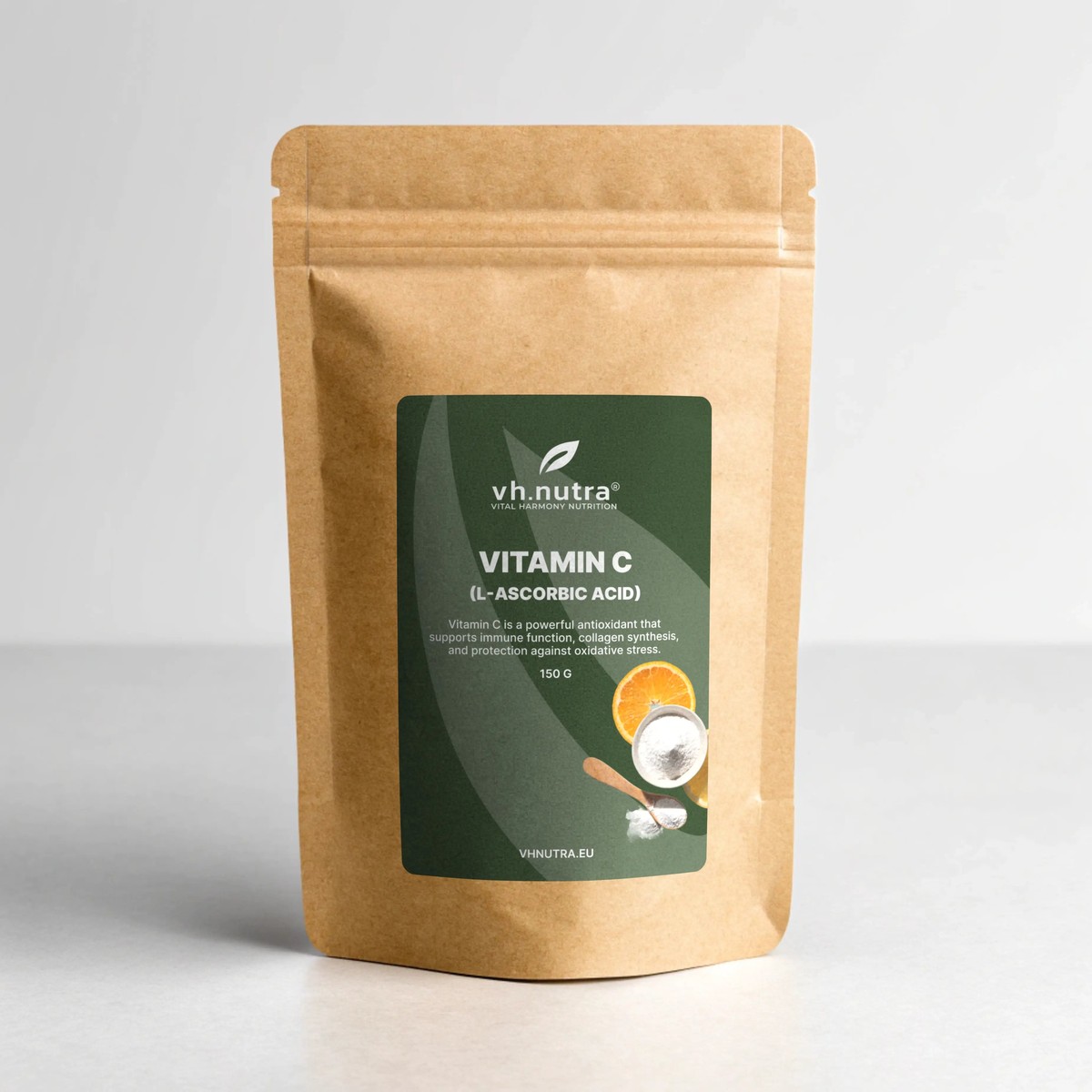
In addition, vitamin C is itself a powerful antioxidant and contributes to blood vessel health. This combination is therefore often recommended for people who want to support circulation and reduce the feeling of heaviness in the legs. To learn more, read the article about vitamin C, and to replenish your supply, choose vitamin C 150 g.
When choosing a supplement, check that the label states the exact dose of rutin (or rutoside) and vitamin C. Standardised extracts, where the amount of the active substance is stated, are usually a more reliable choice than mixtures of unclear composition.
How to take rutin?
The usual dose of rutin in supplements is 250–500 mg per day. Higher doses have also been used in studies with rutosides — up to 1000 mg at a time, and in some cases more, but such doses should be chosen by a doctor.
Rutin is best taken with a meal — this reduces possible stomach discomfort and improves absorption. Many people take it together with vitamin C in the morning or at midday. The most important thing is consistency: a steady lower dose every day is better than a large dose occasionally.
How long should you take it? The effect on blood vessels builds up gradually, so it is usually recommended to take it for at least 4–8 weeks and monitor how you feel. For long-term use it is recommended to consult a doctor or pharmacist.
The maximum safe dose has not been precisely established, but in long-term studies rutosides up to 1000–2000 mg per day were well tolerated. Still, you should not exceed the dose stated on the label without a specialist’s recommendation.
Side effects and precautions
Rutin is generally well tolerated, and serious side effects are rare. Some people may experience mild stomach discomfort, nausea or headache, especially when taking higher doses on an empty stomach.
Pregnant and breastfeeding women are advised to consult a doctor before use, because there is little safety data for these groups. Most side effects disappear when the dose is reduced or the supplement is taken with a meal.
If you notice an allergic reaction — a rash, itching or swelling — stop taking it and contact a doctor.
Interactions with medications
Rutin can strengthen the effect of blood-thinning medications such as warfarin or aspirin. If you take these medicines, be sure to consult your doctor before you start taking rutin.
Caution is also needed when taking blood-pressure-lowering medications, because rutin can additionally affect circulation. For any combination with medicines, it is best to consult a doctor or pharmacist. Always tell your doctor about all the supplements you take, not only the medicines.
Frequently asked questions
Does rutin help with varicose veins?
Rutin is not regarded as a treatment for varicose veins, but it can help reduce symptoms such as heaviness, swelling and fatigue in the legs. It is a symptom-relieving substance, not a cure.
How does rutin differ from quercetin?
Rutin is a quercetin glycoside — this means that the sugar rutinose is attached to the quercetin molecule. In the digestive tract rutin is partly converted into quercetin, so their effects partly overlap, but rutin is more associated with supporting capillaries and veins.
Can rutin be taken with vitamin C?
Yes, this is one of the most popular and logical combinations. Vitamin C helps keep rutin stable and complements its effect on blood vessels.
When is the best time to take rutin?
Rutin is best taken with a meal to reduce possible stomach discomfort and improve absorption. The specific time of day is not critical — many people choose morning or midday.
Recommended products
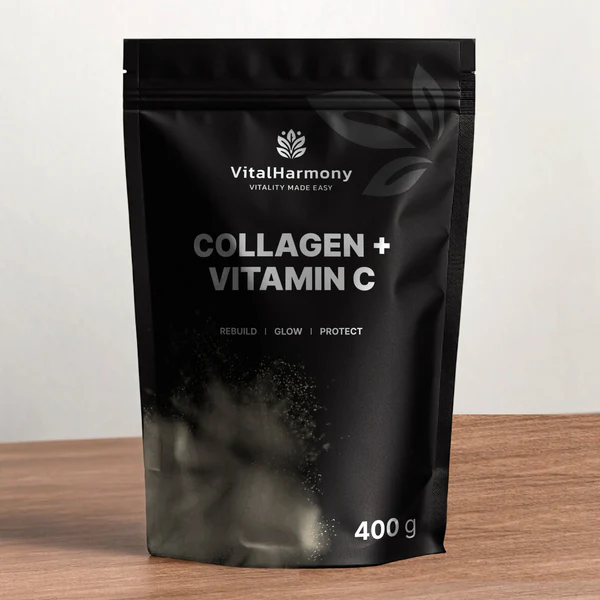
To support blood vessel and vein health, it is worth paying attention to these staystrong.lt products:
Disclaimer: This information is for educational purposes only. Before taking supplements, consult your doctor or pharmacist.