
Resveratrol — a natural polyphenol found in red grapes, dark chocolate and berries — has become one of the most studied antioxidants in the world. If you are looking for a way to strengthen your body’s defences against oxidative stress, support heart health or even slow down the ageing process, resveratrol supplements can be a valuable addition to your daily routine. High-quality resveratrol supplements are now available to everyone, and their benefits are backed by dozens of scientific studies.
Key Takeaways
- Resveratrol — activates sirtuins, the cellular longevity proteins, and may slow down age-related changes
- Antioxidant protection — resveratrol not only neutralises free radicals but also activates the body’s own defence systems through the Nrf2 pathway
- Cardiovascular health — studies show that resveratrol can reduce inflammatory markers by up to 25% and help maintain healthy blood pressure
Table of Contents
What Is Resveratrol?
Resveratrol is a polyphenolic compound naturally found in plants, belonging to the stilbenoid family. Plants produce this compound as a protective response to stress — fungal infections, UV radiation or physical damage. In humans, resveratrol is best known for its antioxidant, anti-inflammatory and cell-protective properties. The highest natural concentrations of resveratrol are found in red grapes, red wine, dark chocolate, blueberries, cranberries and peanuts.
In supplement form, resveratrol is most commonly extracted from the roots of Japanese knotweed (Polygonum cuspidatum) — one of the plant sources with the highest concentrations found in nature. Standardised resveratrol supplements typically have a purity of 98% or higher, and a single capsule can provide as much resveratrol as dozens of litres of red wine — without the harm of alcohol. That is precisely why the supplement form has become the most popular way to obtain therapeutic doses of resveratrol.
1. Powerful Antioxidant Protection
Resveratrol is one of the most powerful natural antioxidants known. Unlike many vitamins that directly neutralise free radicals, resveratrol works on two levels: first, it directly eliminates reactive oxygen species itself; second — and even more importantly — it activates the Nrf2 signalling pathway. Nrf2 is known as the “master regulator of the antioxidant response” — when it is activated, the body begins producing its own antioxidant enzymes: superoxide dismutase, catalase and glutathione peroxidase.
This dual mechanism of action sets resveratrol apart from other antioxidants. For example, VitalHarmony Resveratrol 250 mg provides a standardised form of trans-resveratrol, which is the most biologically active. Studies show that with regular use, oxidative stress markers in the blood can drop by up to 30% within a few weeks. This is especially relevant for people under high physical or psychological strain, those living in polluted environments, or anyone looking to slow down age-related cellular damage.
2. Heart and Cardiovascular Health
Cardiovascular protection is one of the most extensively studied benefits of resveratrol. The famous “French paradox” — the phenomenon in which the French, despite a diet high in saturated fats, have a relatively low incidence of heart disease — is partly attributed to the resveratrol consumed through red wine. Resveratrol improves endothelial function (the inner lining of blood vessels) by stimulating the production of nitric oxide, which relaxes blood vessels and improves circulation.
Scientific studies confirm that with regular use, resveratrol can lower systolic blood pressure by an average of 3–5 mmHg, while the oxidation of LDL (“bad”) cholesterol — one of the main risk factors for atherosclerosis — slows down. The National Institutes of Health recognise that polyphenols, including resveratrol, play a significant role in the prevention of heart disease. It is also worth noting that resveratrol taken at higher doses (250–500 mg) may help reduce platelet aggregation, contributing to a healthy blood clotting balance.
3. Longevity Support
Resveratrol’s effect on longevity is perhaps the most intriguing property of this compound. Resveratrol activates sirtuins — a family of proteins, particularly SIRT1, which regulates cellular ageing processes, DNA repair and mitochondrial function. SIRT1 activation mimics the effects of calorie restriction at the cellular level, but without the need to drastically reduce your calorie intake.
Impressive animal studies have shown that resveratrol can extend the lifespan of some species by up to 30–60%. Although such a dramatic effect has not yet been confirmed in humans, a growing body of evidence suggests that resveratrol slows age-related cellular changes — it protects telomeres, improves mitochondrial efficiency and reduces the chronic low-grade inflammation known as “inflammaging”. It is precisely these properties that have made resveratrol supplements popular among people who want not only to live longer, but also to maintain a better quality of life in older age.
4. Improved Brain Function
Resveratrol’s ability to cross the blood-brain barrier allows it to act directly on brain cells. Studies show that this polyphenol improves cerebral blood flow, protects neurons from oxidative damage and may help maintain cognitive function with ageing. One study found that older adults who took resveratrol for 26 weeks performed significantly better on memory tests compared with the placebo group.
What is particularly interesting is that resveratrol may help reduce the formation of beta-amyloid plaques in the brain — one of the main pathological hallmarks of Alzheimer’s disease. Furthermore, resveratrol’s anti-inflammatory effect in the brain helps protect neurons from chronic neuroinflammation. Regular resveratrol use can be a valuable preventive measure for people with a family history of neurodegenerative diseases or for those doing mentally demanding work that requires high concentration and good memory.
5. Reduced Inflammation
Chronic low-grade inflammation is recognised as a major driver of many modern diseases — from heart disease to diabetes and autoimmune disorders. Resveratrol acts as a powerful anti-inflammatory agent by blocking the COX-2 and NF-κB signalling pathways — the same pathways targeted by some anti-inflammatory drugs. The difference is that resveratrol does so more gently and naturally, without side effects on the digestive system.
Clinical trials have shown that resveratrol can significantly reduce levels of CRP (C-reactive protein) — the main marker of systemic inflammation in the blood. In one study, participants who took 250 mg of resveratrol daily for 12 weeks showed an average 26% lower CRP level. This makes resveratrol especially valuable for people with chronic inflammatory conditions such as arthritis, metabolic syndrome or inflammatory bowel disease. When resveratrol is taken regularly alongside a balanced diet and physical activity, it can make a significant contribution to controlling systemic inflammation.
6. Blood Sugar Control
Resveratrol shows promising results in improving insulin sensitivity and helping regulate blood glucose levels. The mechanism involves activation of the AMPK enzyme — the same pathway activated by metformin, one of the most widely prescribed drugs for treating type 2 diabetes. AMPK acts as a cellular “energy sensor”, regulating glucose uptake and fatty acid oxidation.
A several-month study involving patients with diabetes found that 250 mg of resveratrol per day helped reduce fasting glucose levels by an average of 9% and HbA1c (a long-term blood sugar marker) by 0.3 percentage points. While these changes are not dramatic, they are clinically significant and can contribute to better diabetes control, especially when resveratrol is combined with a healthy diet and physical activity. It is important to note that resveratrol is not intended to replace diabetes medication — however, it can be a valuable additional tool for supporting metabolic health.
7. Skin Health and Beauty
Resveratrol’s benefits for the skin are increasingly recognised by both dermatologists and the beauty industry. This polyphenol protects skin cells from UV-induced damage — one of the main drivers of premature skin ageing. Resveratrol not only neutralises UV-generated free radicals but also activates DNA repair mechanisms in skin cells after sun damage.
Beyond sun protection, resveratrol stimulates collagen production and inhibits the activity of collagenase — the enzyme that breaks down collagen. This helps maintain skin firmness and elasticity. Studies also suggest that resveratrol may help reduce hyperpigmentation and even out skin tone by inhibiting melanin production. Whether resveratrol is taken internally as a dietary supplement or applied externally in cosmetic products, it delivers a synergistic skin-protecting and rejuvenating effect.
How to Take Resveratrol?
Recommended dose: The standard daily dose of resveratrol is 150–500 mg. Beginners are advised to start with 100–250 mg per day and gradually increase to the desired dose. Most high-quality supplements, such as VitalHarmony Resveratrol 250 mg, offer a standardised trans-resveratrol form that is the most extensively studied and has the highest bioavailability.
When to take it: Resveratrol is a fat-soluble compound, so it is best absorbed when taken with a meal that contains fats. It is recommended to take it in the morning with breakfast or at lunchtime. When taken with fats, bioavailability increases by up to 5 times. Some people prefer taking resveratrol in the evening because of its mild calming effect — both options are fine.
Duration of use: Resveratrol can be taken long-term — many studies lasted 6–12 months without significant side effects. It is recommended to use it for at least 2–3 months to experience the full benefits, especially those related to reducing inflammation and cognitive function.
Maximum safe dose: Doses of up to 1,000 mg per day have been used safely in studies, but exceeding 500 mg per day is not recommended without medical supervision. Higher doses may cause digestive discomfort.
Potential Side Effects
Resveratrol is considered a safe supplement when taken at recommended doses (up to 500 mg per day). Nevertheless, some people may experience mild side effects, especially at the beginning of use. The most common side effects are digestive disturbances — abdominal pain, diarrhoea or nausea — which usually subside within a few days as the body adjusts. These symptoms can be reduced by taking resveratrol with food.
Because resveratrol has a mild blood-thinning effect, people taking anticoagulants (warfarin, aspirin) must consult their doctor before starting use. Caution is also advised before planned surgeries — it is recommended to stop taking resveratrol at least 2 weeks beforehand. Resveratrol supplements are not recommended for pregnant or breastfeeding women, as there is insufficient safety data for these groups.
Resveratrol and Other Antioxidants — What You Need to Know?
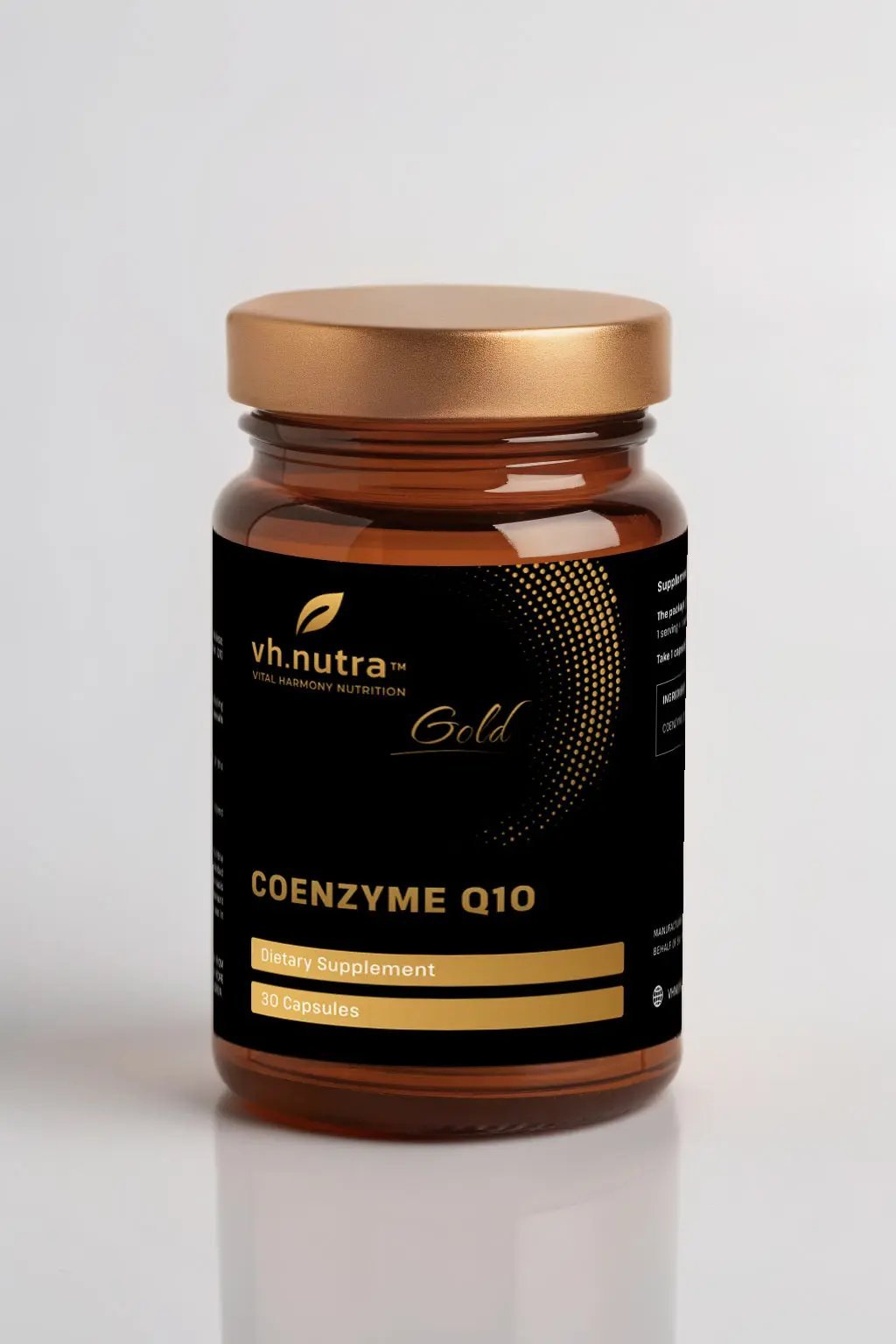
Resveratrol complements other antioxidants perfectly and can be taken alongside them for a synergistic effect. Unlike vitamins C and E, which act as direct “scavengers” of free radicals, resveratrol activates the body’s own antioxidant systems. This means these compounds work through different mechanisms and can complement each other. For example, combining resveratrol with coenzyme Q10 provides double protection — Q10 protects mitochondria from oxidative damage, while resveratrol activates long-term cellular defence systems.
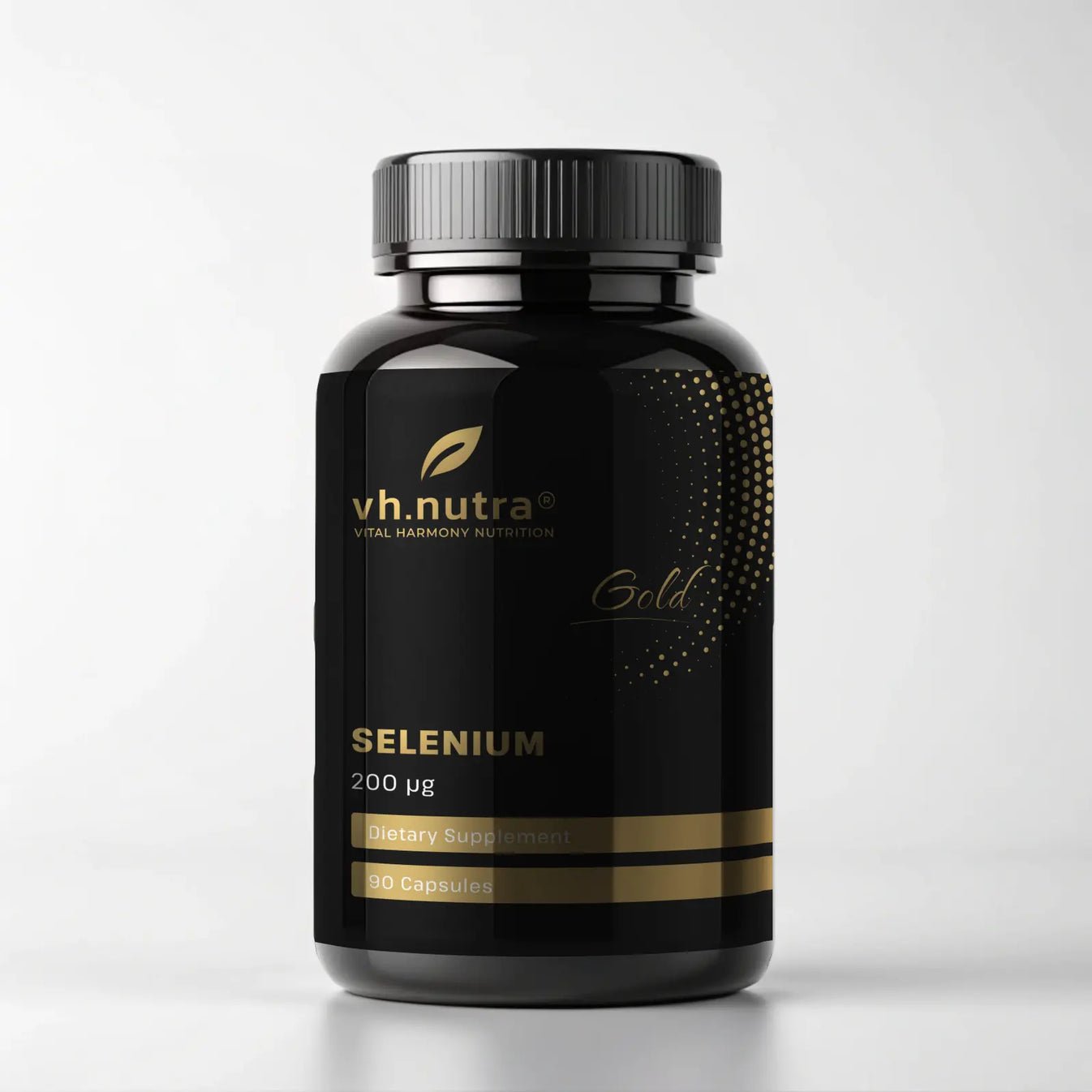
It is also worth combining resveratrol with vitamin C — this combination is particularly effective for skin protection and collagen production. Vitamin C acts as a water-soluble antioxidant outside cells, while resveratrol acts as a fat-soluble protective agent within cell membranes. A third excellent partner is selenium — this mineral is essential for the activity of glutathione peroxidase, one of the body’s most important antioxidant enzymes. All these compounds work through different pathways and together create comprehensive antioxidant protection that is more effective than any single compound alone.
Frequently Asked Questions
Does resveratrol actually work, or is it just marketing?
Resveratrol is one of the most scientifically studied dietary supplements — the PubMed database contains more than 15,000 scientific publications about this compound. Clinical trials in humans have confirmed its effects on heart health, inflammation reduction and metabolic improvement. It is important to choose standardised trans-resveratrol supplements, as the cis form is less biologically active.
How long do I need to take it before I feel the effects?
Initial subjective changes — better overall well-being, more energy, improved skin — can be noticed after just 2–4 weeks of regular use. However, deeper changes, such as reduced inflammatory markers or improved circulation, typically require at least 2–3 months of consistent use. It is very important not to stop too early and to give resveratrol enough time to work.
Can I get enough resveratrol from food?
Theoretically yes, but in practice it is almost impossible to reach therapeutic doses. A glass of red wine contains only about 0.5–2 mg of resveratrol, while the recommended daily dose is 150–500 mg. To get 250 mg of resveratrol from wine, you would need to drink more than 100 glasses a day — which would be extremely harmful to your health. That is precisely why standardised resveratrol supplements are the only practical way to achieve scientifically based doses.
Disclaimer: This information is intended for educational purposes only and cannot replace professional medical advice. Before starting any dietary supplement, be sure to consult your doctor or pharmacist.