Contents
In short:
- Antioxidants – substances that neutralise free radicals and protect cells from oxidative stress.
- The body produces some antioxidants on its own, but others – vitamin C, vitamin E, selenium and polyphenols – must come from food.
- The best natural sources are berries, dark leafy greens, nuts, dark chocolate, green tea and spices.
- Supplements can help during heavy training or a poor diet, but most people get enough from a varied diet.
Antioxidants – a word we hear constantly, yet rarely think about what they actually do in the body. In short, antioxidants are substances that protect cells from free radicals – unstable molecules that can damage cell membranes, proteins and even DNA. In this article we look at the seven most important benefits of antioxidants, explain which sources are the most valuable, how much you need and when it is worth considering supplements.
Key takeaways
- Antioxidants neutralise free radicals and reduce oxidative stress, which drives cell ageing.
- Vitamin C, vitamin E, selenium and polyphenols are the main antioxidants that must come from food.
- Colourful berries, vegetables, nuts and green tea are the best natural sources of antioxidants.
- Antioxidants work best together, so a varied diet beats a single large supplement dose.
What are antioxidants?
Antioxidants are compounds that protect cells from oxidative damage by neutralising free radicals. Free radicals are produced naturally – during breathing, energy production and metabolism – but their amount is increased by stress, a poor diet, smoking, pollution and ultraviolet radiation. When more free radicals are produced than the body can neutralise, so-called oxidative stress develops, which over time contributes to cell ageing and various chronic processes.
The body has its own internal antioxidant system – for example, the enzymes superoxide dismutase and catalase, as well as glutathione, which cells produce themselves. Still, this internal defence cannot do without outside helpers. Vitamin C, vitamin E, selenium, carotenoids and various plant polyphenols are antioxidants the body cannot make on its own – they must be obtained from food or supplements.
It is important to understand that antioxidants do not work one by one, but as a combined system. For example, vitamin E neutralises a free radical, while vitamin C “recharges” vitamin E, restoring its antioxidant activity. That is exactly why experts emphasise that what works best is not one large dose of a single antioxidant, but a varied mix of them from different food sources.
1. Cell protection from oxidative stress
The first and most important function of antioxidants is cell protection. Free radicals are unstable molecules that “steal” electrons from other molecules, damaging cell membranes, proteins and the genetic material DNA. Antioxidants donate their own electron to the free radical and stabilise it, preventing it from starting a chain reaction of damage.
This protection runs constantly, because oxidative stress is a natural part of the body’s life. Every moment cells produce energy, and this process generates a small amount of free radicals. In a healthy body antioxidants neutralise them, but when they are lacking or when stressors are too many, the balance shifts towards oxidation. Over time this can contribute to weaker cell function. Glutathione – one of the most important internal antioxidants – plays a special role here, so read more in our article about glutathione and antioxidant protection.
Research shows that a higher amount of antioxidants in the diet is linked to lower markers of oxidative damage in the blood. This does not mean antioxidants are a “miracle pill”, but a balanced, antioxidant-rich diet is one of the most reliable ways to support cell health in the long term.
2. Immune system support
The immune system is one of the biggest “consumers” of antioxidants in the body. When fighting pathogens, immune cells deliberately produce free radicals to destroy invaders. However, this process also has a side effect – free radicals can damage the immune cells themselves. Antioxidants act here as a protective shield that helps the immune system work effectively without excessive self-harm.
Vitamin C is perhaps the best-known antioxidant that supports immunity. It accumulates in immune cells at high concentrations and helps them withstand the oxidative load during an infection. Selenium, in turn, is essential for the enzyme glutathione peroxidase, which also takes part in antioxidant defence. Read more about these two compounds in our articles on vitamin C for immunity and selenium for immunity and the thyroid.
Beyond direct cell protection, some antioxidants, such as quercetin or vitamin C, support the normal function of immune cells and their ability to respond to inflammatory signals. During the cold season, when the immune system faces a bigger load, an antioxidant-rich diet is a sensible daily practice.
3. Skin protection and youthful appearance
Skin is the first line of defence against outside stressors, so it constantly faces ultraviolet radiation, pollution and other sources of free radicals. Antioxidants help protect skin cells from this damage and maintain skin elasticity. Vitamin C, for example, is essential for the production of collagen – the protein that gives skin its firmness and youthful appearance.
Carotenoids such as astaxanthin and beta carotene accumulate in the skin and act as an internal “protective cream”, helping the skin withstand sun exposure. Research shows that regularly eating a carotenoid-rich diet can help the skin better defend against the signs of premature ageing. Read more about this compound in our article on astaxanthin for skin and eyes.
When it comes to skin health, it is important to understand that antioxidants work from the inside and do not replace sun protection. They complement, not substitute for, SPF creams. Still, an adequate amount of antioxidants – along with vitamin E, which accumulates in skin cell membranes – helps maintain the skin’s barrier function and healthy appearance.
4. Heart and blood vessel protection
Heart and blood vessel health is closely linked to oxidative stress. One of the main processes that contributes to blood vessel damage is the oxidation of so-called “bad” cholesterol (LDL) particles. When LDL particles oxidise, they build up more easily in the walls of blood vessels, which over time can disrupt blood flow. Antioxidants help protect these particles from oxidation.
Polyphenols – antioxidants found in plant foods – are especially valued for their heart benefits. They are abundant in berries, dark chocolate, red wine and green tea. Resveratrol, one of the best-known polyphenols, is linked to blood vessel function support, so read more in our article on resveratrol and longevity.
In addition, vitamin E and selenium contribute to normal blood vessel function. It is worth stressing that antioxidants are not medicines and do not replace a healthy lifestyle – regular movement, not smoking and a balanced diet – but they are an important part of this system, helping maintain heart and blood vessel health.
5. Brain function and memory support
The brain is especially sensitive to oxidative stress, because it uses a lot of oxygen and contains many polyunsaturated fatty acids that oxidise easily. Long-term oxidative stress in the brain is linked to a decline in cognitive function with age. Antioxidants help protect brain cells and support their normal function.
Flavonoids – antioxidants abundant in berries and cocoa – are linked in research to better memory and cognitive function. Blueberries and dark chocolate are frequently cited examples of these studies. In addition, glutathione, as the brain’s main internal antioxidant, helps maintain the protection of nerve cells from toxic substances.
Although a single antioxidant is not a “memory pill”, a varied mix of them from colourful plant foods is a sensible strategy for brain health in the long term. Consistency matters more here than short-term large doses.
6. Exercise recovery support
Intense physical activity significantly increases the production of free radicals in the body. This is a natural reaction to increased oxygen consumption and micro-damage of tissues, but without proper antioxidant protection this oxidative stress can slow recovery and cause prolonged muscle soreness. Antioxidants help the body cope with this load more quickly.
Vitamin C and vitamin E are most often mentioned in the context of exercise recovery, because they help neutralise the free radicals produced during training. However, research shows that balance matters greatly here – excessive antioxidant doses can even interfere with the adaptation that training promotes. That is why it is best to get antioxidants from varied food rather than taking huge doses of individual supplements.
For athletes it is especially important to get antioxidant-rich food after training – berries, citrus fruit and dark leafy greens. This is a natural way to support recovery without the risk of overdosing.
7. Eye health support
The eyes constantly face light and ultraviolet radiation, so a lot of free radicals form in them. Specific carotenoids – lutein and zeaxanthin – concentrate in the retina and act as a natural light filter and antioxidant protection. These compounds help protect the retina from the damage caused by blue light and oxidative stress.
Vitamin C and vitamin E are also important for eye health, because they accumulate in the lens of the eye and help protect it. Research links a higher amount of these antioxidants in the diet with better eye health in the long term. Colourful vegetables – spinach, kale and carrots – are an excellent source of these compounds.
Although antioxidants do not replace regular eye checks or protection from excessive screen time, they are a valuable part of the daily diet that supports vision. Astaxanthin – another carotenoid – is also linked to eye health, so it is worth including in your diet through salmon, shrimp or supplements.
How to take antioxidants?
The best way to get antioxidants is a varied, colourful diet. Instead of one large supplement dose, choose a variety of sources: berries, citrus fruit, dark leafy greens, nuts, legumes and green tea. Different antioxidants complement each other, so variety gives more benefit than any single product.
It is worth considering supplements only when the diet is poor or when the body faces higher demands – for example, during heavy training, illness or the cold season. When choosing supplements, it is better to favour complex products where antioxidants come in balanced doses rather than huge doses of individual compounds. Always follow the recommended dose stated on the packaging.
Antioxidants are best taken with a meal – this way they are absorbed better, especially fat-soluble vitamins such as vitamin E and carotenoids. Vitamin C is absorbed regardless of food, but it is convenient to pair it with iron-rich food, because vitamin C improves iron absorption.
Side effects and precautions
Antioxidants obtained from food practically cause no side effects – the body removes or regulates the absorption of any excess on its own. The risk arises only when taking very large doses of individual supplements. For example, an extremely high amount of beta carotene is linked to increased risk in smokers, while too much vitamin E can interfere with blood clotting.
It is important to understand that antioxidants are not a case of “the more, the better”. Research has shown that large doses of individual antioxidants are not always beneficial, and in some cases can even interfere with natural body processes, such as training adaptation. Therefore, large doses are worth taking only after consulting a doctor or pharmacist, especially during pregnancy, breastfeeding or when taking medication.
Diet: natural sources of antioxidants
The best way to get antioxidants is a varied diet. Here are the richest natural sources:
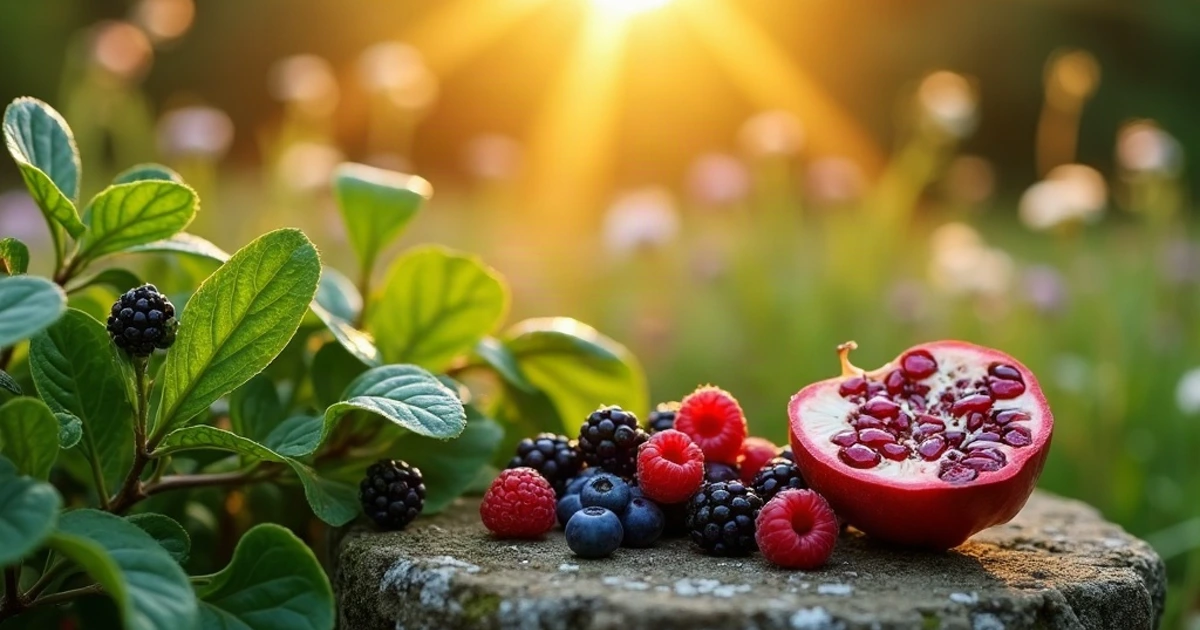
- Berries – blueberries, raspberries, blackberries, blackcurrants, cranberries.
- Dark leafy greens – spinach, kale, broccoli.
- Nuts and seeds – walnuts, pecans, sunflower seeds.
- Dark chocolate and cocoa.
- Green and black tea, coffee.
- Colourful fruit and vegetables – pomegranates, carrots, tomatoes, peppers.
According to the Harvard T.H. Chan School of Public Health, an antioxidant-rich diet is linked to better overall health, and the best strategy is to eat a variety of colourful plant foods. You can find a detailed scientific overview of antioxidants on the Harvard antioxidants page.
FAQ: common questions
Am I lacking antioxidants? If your diet is varied and rich in fruit, vegetables and nuts, you usually have enough antioxidants. A deficiency is more likely when the diet is poor, one-sided or when there is a heavy training load. If in doubt, it is worth reviewing your diet or consulting a specialist.
Do antioxidants help you lose weight? Antioxidants do not burn fat directly, but they support metabolism and overall wellbeing. In addition, antioxidant-rich food – vegetables and berries – is low in calories, so it naturally helps with weight control.
Can you overdose on antioxidants? From food – practically no. The risk arises only when taking very large doses of individual supplements, such as beta carotene or vitamin E. Therefore, stick to recommended doses and avoid the “the more, the better” principle.
When is the best time to take antioxidant supplements? Supplements are most convenient to take with a meal – this improves the absorption of fat-soluble antioxidants. Vitamin C can be taken at any time, but it is worth pairing with iron-rich food.
If you are looking for a convenient way to top up your antioxidants, take a look at VitalHarmony vitamin C – a powerful antioxidant that supports immunity, collagen production and protects cells from oxidative stress.
Disclaimer: This information is for educational purposes only. Before starting any supplement, consult your doctor or pharmacist.
Related articles
- Glutathione – 7 benefits for antioxidant protection, skin and liver
- Astaxanthin – 7 benefits for skin, eyes and antioxidant protection
- Vitamin C – 7 benefits for immunity, skin and energy