Table of contents
In short:
- The benefits of garlic are best supported for blood pressure and cholesterol levels.
- The active compound allicin forms only when a garlic clove is crushed or chopped.
- Most studies use aged garlic extract rather than fresh garlic.
- Garlic can interact with blood-thinning medicines — talk to your doctor.
Garlic has been used not only in the kitchen but also to support health for thousands of years. Modern research is gradually confirming part of the traditional claims: garlic can help maintain normal blood pressure and cholesterol levels, support the body’s defences and protect the liver. In this article we review six science-backed effects of garlic and explain how to take it safely.
Key takeaways
- The benefits of garlic are best supported for the heart and blood vessels — blood pressure and cholesterol levels.
- Allicin — the main active compound — forms only when garlic cells are damaged (grating or chewing).
- Choose aged garlic extract — it is gentler on the stomach and the best studied.
- Garlic is not a substitute for medicine — talk to your doctor or pharmacist before combining it with drugs.
What is garlic?
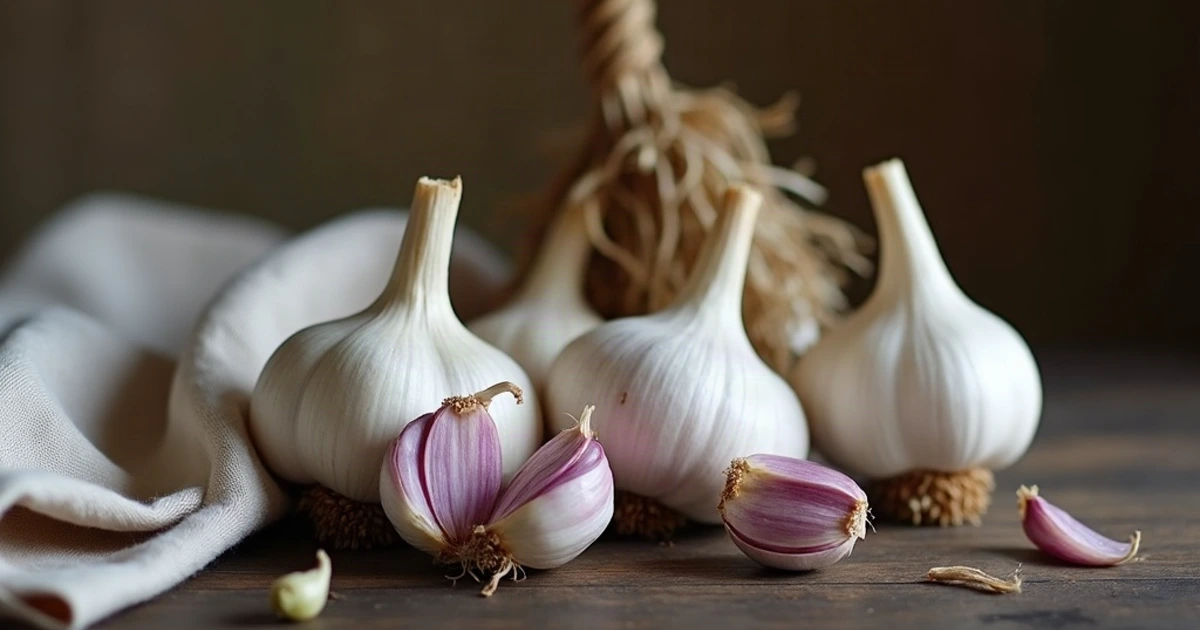
Garlic (Allium sativum) is a plant of the onion family, closely related to onion, leek and chives. Its bulb is made up of many cloves that contain intensely aromatic sulphur compounds. These compounds are responsible for most of the health benefits of garlic.
Interestingly, a healthy, undamaged garlic clove is almost odourless. The pungent aroma appears only when the cells are damaged — by cutting, grating or chewing. The enzyme alliinase then converts alliin into allicin, the main biologically active substance. Allicin is unstable and breaks down quickly, which is why garlic preparations often use stabilised or aged extracts.
More science-based information about garlic’s effects can be found in the NCCIH review (U.S. National Institutes of Health).
Garlic has accompanied humanity for several millennia — it was used by the ancient Egyptians, Greeks, Romans and practitioners of Chinese medicine. Some valued it as a food seasoning, others as a means to support endurance and health. Today garlic is one of the most studied plant products, with hundreds of scientific publications examining its effects.
Garlic benefits for blood pressure
One of the best-documented areas of garlic’s benefits is blood pressure support. Several reviews of clinical trials have found that regularly taken garlic extract can slightly lower both systolic and diastolic blood pressure, especially in people whose blood pressure is already elevated.
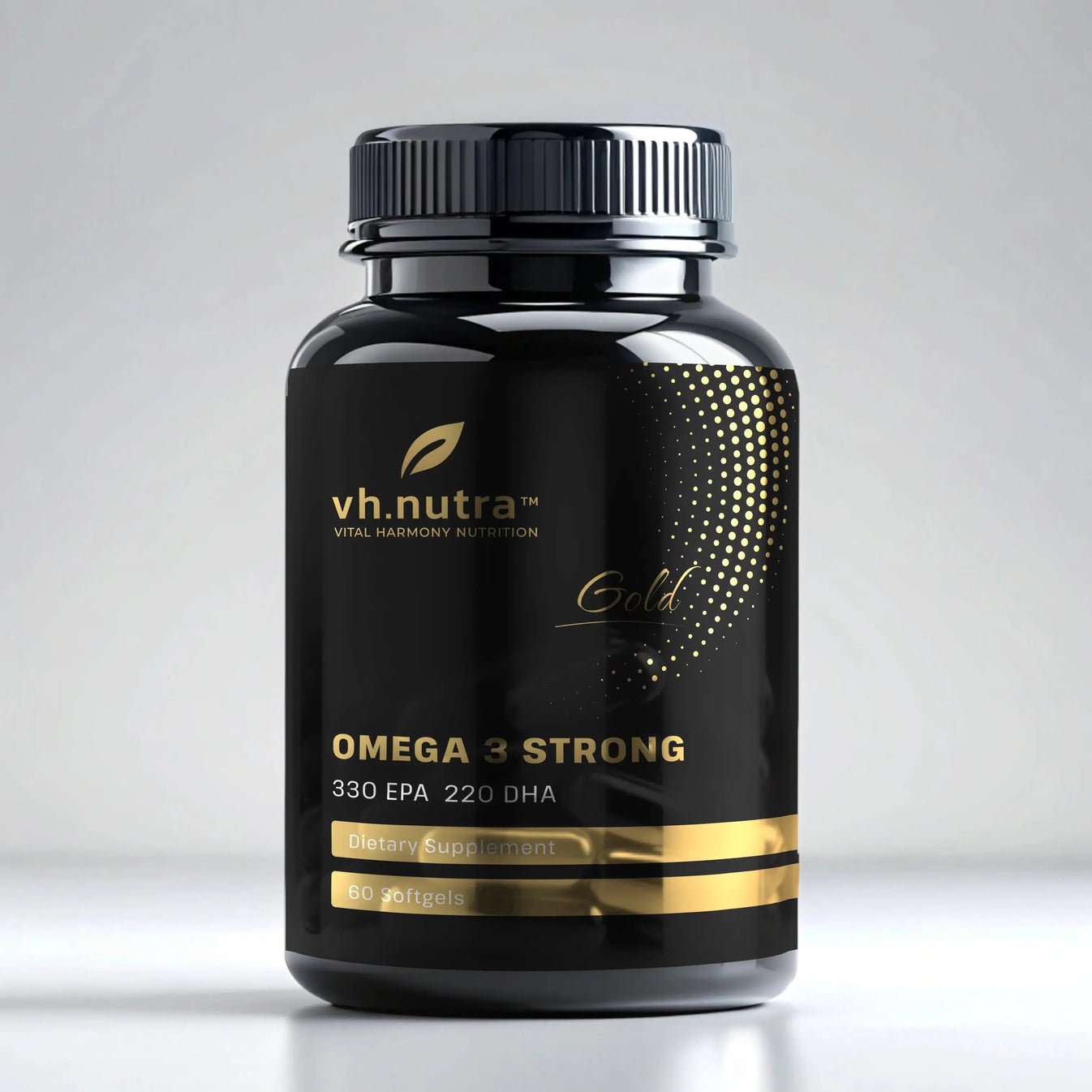
This effect is thought to be linked to sulphur compounds that stimulate nitric oxide production in the blood vessels. Nitric oxide relaxes the vessel walls; they widen, and blood flows more easily. This mechanism is similar to the way omega-3 fatty acids support heart and blood vessel health.
It is important to understand that garlic is not a fast-acting remedy — changes appear only after several weeks or months of regular use. Moreover, the effect is not as strong as that of medicines, so garlic is best suited as a preventive rather than a treatment measure.
Study results vary and depend on the garlic form used — aged extract is the most studied, so its effect is best described. Regardless of the form, garlic should not be used in place of prescribed medicines without a doctor’s knowledge.
Garlic benefits for cholesterol and heart
The second commonly mentioned benefit of garlic is cholesterol regulation. Studies show that garlic can slightly lower total cholesterol and LDL (“bad”) cholesterol, although the effect is usually modest and more noticeable with longer use.
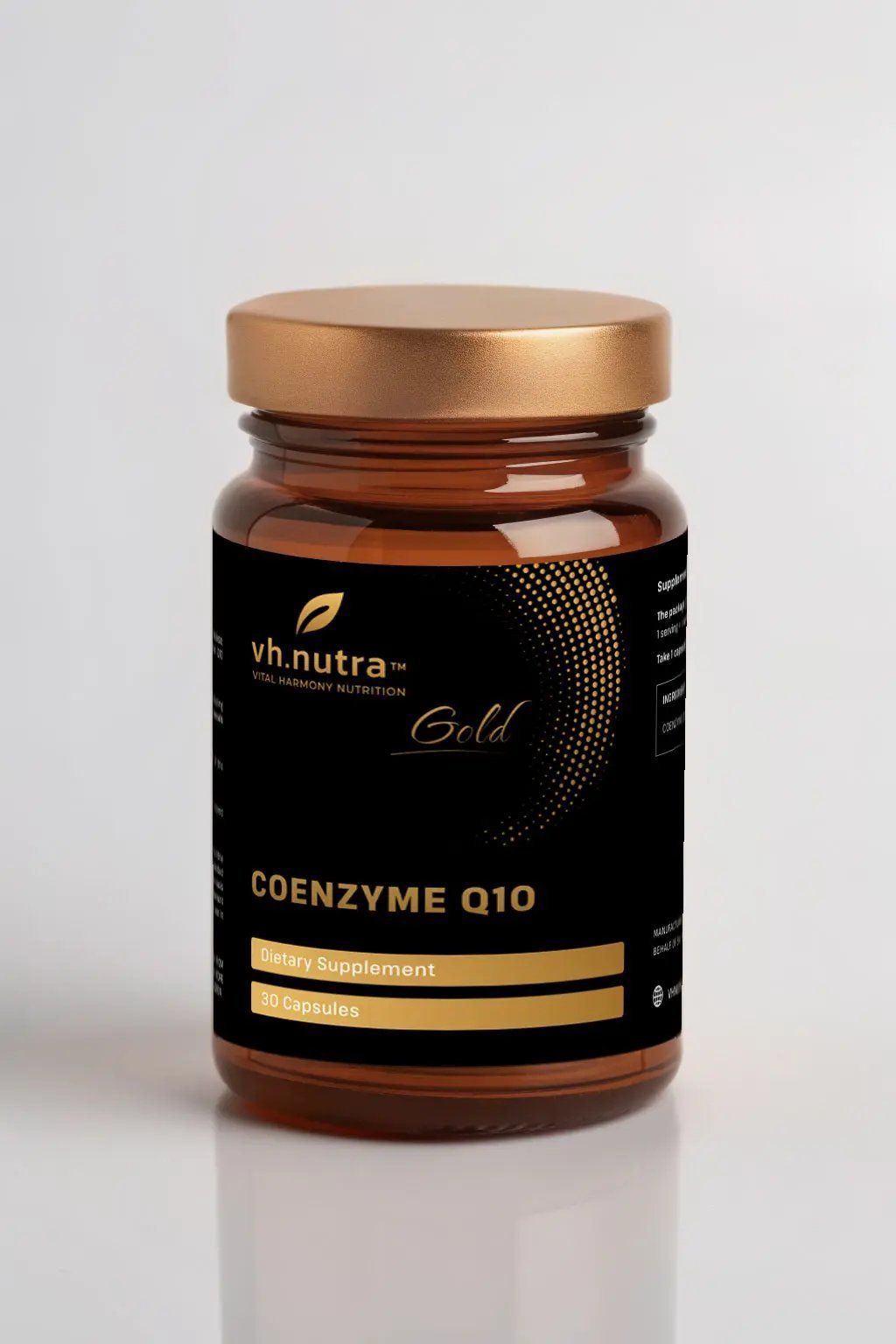
Garlic’s sulphur compounds can inhibit cholesterol production in the liver, so the body produces less of it. This effect can be complemented by coenzyme Q10 taken separately, which supports the heart muscle’s energy production and acts as an antioxidant. Combined, the two give the heart and circulatory system broader support.
Still, garlic alone is not enough to solve serious cholesterol problems. If cholesterol is very high, the most important things are a balanced diet, physical activity and, if needed, medicines prescribed by a doctor. Garlic here can only be a supportive measure.
It is worth knowing that the cholesterol-lowering effect is often temporary — some studies show the effect may wear off after a few months. Therefore garlic should not be seen as a reliable cholesterol regulator, but rather as part of a broader healthy lifestyle, together with proper nutrition and exercise.
Garlic benefits for immunity
Garlic is traditionally considered a natural remedy for colds and flu. Some studies show that people who regularly consume garlic get colds slightly less often, and when they do fall ill, they recover a little faster. The evidence is not yet conclusive, but the trend is visible.
The immunity-strengthening effect of garlic is linked to allicin and other sulphur compounds that can activate certain immune system cells. Garlic also has antimicrobial properties, so it can help the body fight various pathogens. This protection can be complemented with vitamin C, which contributes to normal immune system function.
Still, the evidence on garlic’s effect on colds is limited and mixed. Some reviews show a small benefit, others find no significant difference. Garlic should therefore be seen not as a miracle cure for colds, but rather as an additional element of a healthy diet that can slightly support the body’s resilience during the cold season.
Antibacterial and antiviral effects
Allicin has a pronounced antibacterial and antiviral effect — this has been confirmed by numerous laboratory studies. It can inhibit the growth of bacteria and yeasts and the replication of viruses, which is why garlic has long been used for food preservation and health support.
It is important to stress that laboratory results do not always carry over to real life. Allicin breaks down quickly in the body and reaches tissues in limited amounts, so garlic’s antimicrobial effect in the human body is milder than in a test tube. Nevertheless, regular garlic consumption can contribute to overall resilience.
This antimicrobial effect also has a practical side: in some studies its extracts even inhibited the growth of resistant bacteria. However, garlic should not be seen as a substitute for antibiotics — it cannot replace treatment prescribed by a doctor, but can be an additional natural measure for everyday protection.
Antioxidant protection
Garlic’s sulphur compounds also act as antioxidants — they help neutralise free radicals that can damage cells and contribute to ageing and various chronic diseases. This antioxidant benefit of garlic complements its effect on the heart and blood vessels.
Aged garlic extract — produced by an ageing process that stabilises the active compounds — has a particularly good antioxidant profile. It contains water-soluble sulphur compounds that remain in the body longer than the quickly degrading allicin. This is why many supplement manufacturers choose this garlic form.
Antioxidant protection matters because oxidative stress — an imbalance between free radicals and the body’s defence systems — is linked to cell ageing and the risk of various chronic diseases. Garlic’s compounds can help maintain this balance, which is why garlic is often listed among antioxidants alongside vitamins C and E and other plant compounds.
Garlic benefits for the liver
Garlic is also often mentioned in the context of liver health. Animal studies show that garlic compounds can protect the liver from damage caused by certain toxins and help maintain the liver’s detoxification function.
The liver is the body’s main “filter”, where many metabolic processes take place. Garlic’s sulphur compounds can stimulate the activity of liver enzymes involved in removing harmful substances. Although human studies are still lacking, garlic has long been used in traditional medicine to support liver and gallbladder health.
It should be noted that most of these data come from animal studies, so the effect in humans still needs to be confirmed, and garlic should not be considered a treatment for liver disease.
How to take garlic?
The benefits of garlic can be obtained in two ways — through food or in supplement form. Both have their advantages, but it is important to know how to use them correctly.
- Fresh garlic: to get allicin, crush or chop the clove and leave it for 5–10 minutes before consuming. The usual portion is 1–2 cloves a day with food.
- Aged garlic extract: the most common dose in studies is 600–1200 mg per day, divided into several servings. Take with food to reduce stomach irritation.
- Timing: there is no specific “best time” — regularity matters more. Some people find it more convenient to take garlic in the evening to avoid the smell during the day.
- Duration: the effect does not appear immediately — it takes several weeks of continuous use.
- Maximum safe dose: not established, so large amounts are best avoided — too much garlic can cause digestive problems and increase the risk of bleeding.
Side effects and precautions
Garlic is safe for most people in moderate amounts, but some side effects do occur. The most commonly mentioned are unpleasant breath and body odour, heartburn, bloating and diarrhoea. These symptoms arise more often with fresh garlic than with odourless extracts.
Special attention should be paid by people taking blood-thinning medicines (e.g. warfarin), because garlic can strengthen their effect and increase the risk of bleeding. If you have planned surgery, you should stop taking garlic supplements about a week beforehand. Pregnant and breastfeeding women should consult a doctor before taking larger amounts of garlic.
Garlic in the diet
Garlic is a cheap and accessible way to enrich the diet not only with flavour but also with useful substances. It contains small amounts of vitamin C, vitamin B6, manganese and selenium, as well as a little fibre. Still, garlic’s main value is not vitamins but its unique sulphur compounds.
For food, it is best to choose garlic that is as little processed as possible. Prolonged heating at high temperature can reduce the allicin content, so it is worth adding garlic to dishes towards the end of cooking or eating it raw, for example in salad dressings. If the smell is a problem, an alternative is aged garlic extract in capsules.
Garlic is available on the market in various forms: fresh, powder, oil, aged extract and odourless capsules. Odourless forms are more convenient because they do not cause unpleasant breath, but it is worth remembering that it is precisely the aromatic sulphur compounds that account for most of the effect. When choosing a supplement, pay attention to the allicin or stabilised sulphur compound content stated on the label.
Frequently asked questions
- Does garlic really lower blood pressure? Some studies show a small reduction in blood pressure with regular use of garlic extract, but the effect is modest and does not replace medicines.
- How much garlic should I take per day? With food, 1–2 cloves are enough, while in supplement form the usual dose is 600–1200 mg of aged extract.
- When is the best time to take garlic — morning or evening? There is no specific time; the most important thing is to take it regularly and with food.
- Can garlic harm the stomach? Yes, large amounts can cause heartburn and digestive problems; odourless or aged extracts are usually gentler.
- Does an odourless garlic supplement work the same as fresh garlic? Odourless preparations are usually made from aged garlic, in which allicin is converted into more stable sulphur compounds — their effect may differ slightly, but most studies use exactly such forms.
To support heart and immune system health, you can combine the benefits of garlic with other targeted supplements. For example, VH.Nutra Coenzyme Q10 supports cellular energy production and heart function, while VH.Nutra Omega 3 Strong with a high concentration of EPA and DHA contributes to normal heart function. For immunity, it is worth adding VitalHarmony Vitamin C, which supports normal immune system function.
Disclaimer: This information is for educational purposes only. Before taking supplements, consult a doctor or pharmacist.
Related articles
- Omega-3 benefits for heart, brain and health
- Coenzyme Q10 benefits for heart and energy
- Vitamin C benefits for immunity, skin and energy