Table of contents
In short:
- Ginger (Zingiber officinale) is a rhizome spice used for centuries in cooking and traditional medicine.
- Its most studied properties relate to digestion and nausea, as well as immune support and effects on inflammation.
- The pungent taste and most of the effects come from compounds called gingerols and shogaols.
- You can take this root fresh, dried, as a tea or as an extract – start with a small amount.
Ginger is one of the most popular spices in the world, used for thousands of years not only in the kitchen but also in traditional medicine. Many people associate this pungent root with cold-season tea, but it can offer much more. In this article we review what science says about the benefits of ginger, how to take it properly and when to be cautious.
Key takeaways
- Ginger is a natural spice best known for its possible effect on nausea and digestion.
- The active compounds gingerols and shogaols have antioxidant and anti-inflammatory properties.
- Fresh root and dried powder differ in composition, so their effects may vary slightly.
- Higher amounts may interact with blood-thinning medication – talk to your doctor before taking it.
What is ginger?
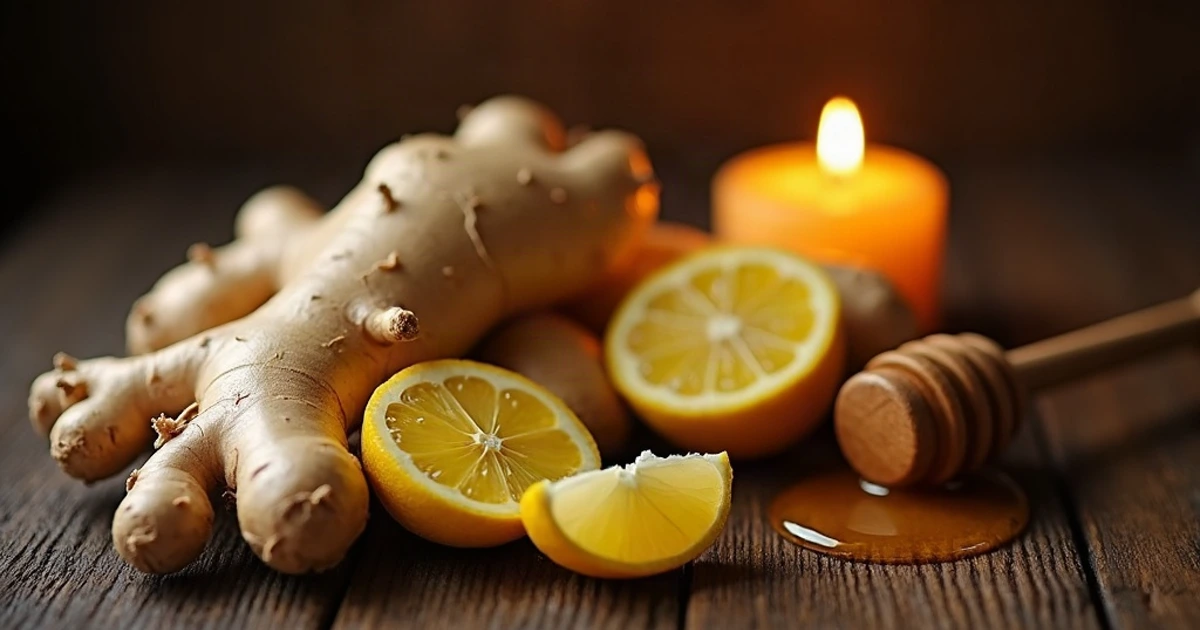
Ginger is the rhizome of the tropical plant Zingiber officinale, grown in Southeast Asia, India and other warm-climate countries. The fresh root has a pungent, slightly sweet taste, while dried or ground ginger is more intense and spicier. In the kitchen this spice is used in both sweet and savoury dishes, and in the cold season ginger tea with lemon and honey is especially popular.
The history of this plant reaches back thousands of years: it was valued in ancient India and China as a medicinal plant, and later the spice trade spread it across Europe and the rest of the world. To this day it remains one of the most widely used spices globally, with steady demand in both the kitchen and the food supplement industry.
You can find this root in several forms on the market: fresh, as dried powder, crystallised or as a capsule extract. Each form has a slightly different composition and taste, so their uses differ too – fresh ginger is more often used in cooking, while extracts are used to obtain a precise dose.
In Asian cuisines this spice has long been combined with garlic and soy sauce in meat and fish marinades, while in baked goods and desserts it adds a warm, pungent aroma. Thanks to its versatile taste, it is easy to include in everyday eating – from morning porridge to evening tea.
In traditional medicine ginger was used for centuries to ease digestion, nausea and cold symptoms. Modern research confirms some of these traditional uses, while other effects – for example on inflammation – are still being studied.
Active compounds in ginger
The pungent taste of this spice and most of its effects come from a group of compounds called gingerols. When the root is heated or dried, some gingerols turn into shogaols – these are even more pungent and, according to some studies, may be even more potent. Besides them, the plant contains small amounts of essential oils, vitamins and minerals.
Fresh root contains more gingerols, while dried powder contains more shogaols. That is why the taste and effect of different forms vary slightly, although both are considered valuable. This chemical diversity explains why the same plant can be useful both in cooking and as a concentrated supplement.
Ginger benefits for immunity
Ginger is often mentioned as a natural way to support immunity, especially in the cold season. Its active compounds have antioxidant properties that help protect cells from oxidative stress. Although this spice does not “boost” immunity on its own, it can be a useful part of a balanced diet.
A warm ginger drink with lemon and honey is a popular traditional remedy during a cold – primarily because of the warm liquid and steam, which may help ease throat discomfort and clear the nose. This practice has been passed down for generations, and although there is little scientific evidence of a direct effect on the duration of a cold, the ritual of a warm drink feels pleasant and supportive for many people.
In practice, during the cold season it is worth making this drink from fresh root rather than ready-made mixes – that way you control the ingredients and avoid added sugar. One or two cups a day is a fully sufficient and safe amount for most people.
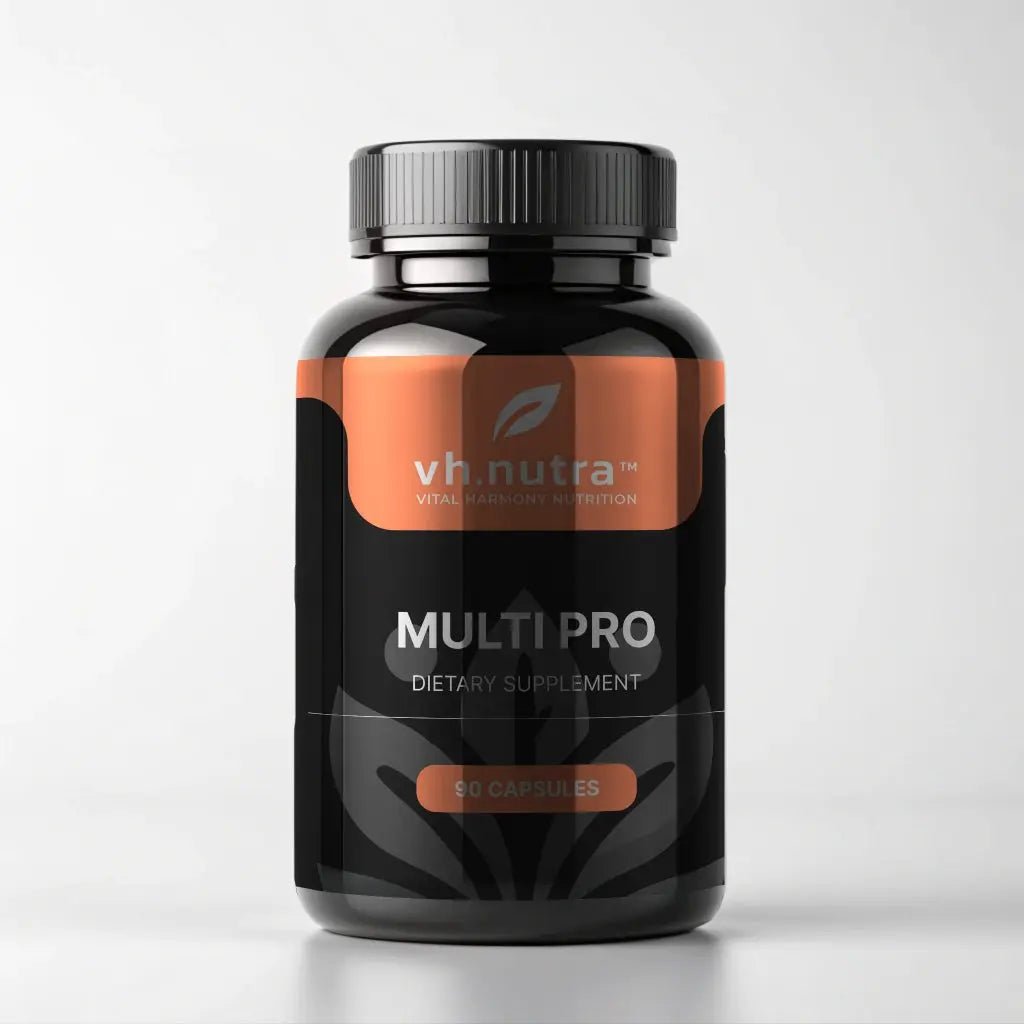
Vitamin C can also be obtained from food or as a separate vitamin C supplement, while complex multivitamin preparations help cover micronutrient needs overall.
Ginger benefits for digestion and nausea
This is the most studied use of this spice. Traditionally it is used to reduce stomach discomfort, bloating and nausea, and modern research has focused mainly on nausea.
According to the US National Center for Complementary and Integrative Health (NCCIH), ginger may help reduce nausea and vomiting related to pregnancy, motion sickness or certain treatments. Still, the results are not consistent, so strong or persistent nausea should be assessed by a doctor.
This effect is thought to result from the interaction of the active compounds with the digestive tract and nervous system, but the exact mechanism is still being explained. In practice, many people feel relief from just a small piece of fresh root or a cup of tea.
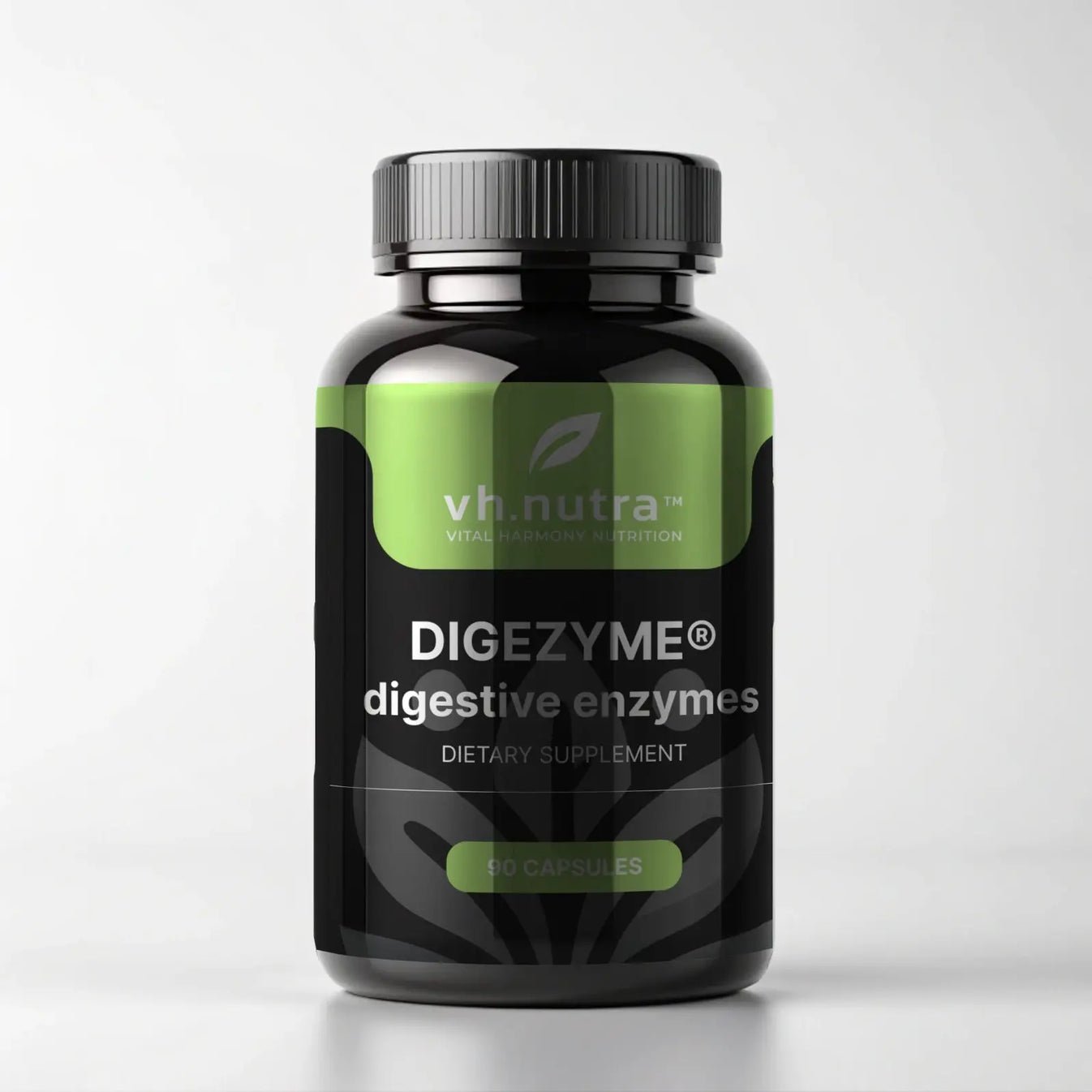
Digestive enzymes are also commonly used to support digestion. For example, a digestive enzyme complex with amylase, protease and lipase helps maintain normal food breakdown – a useful addition alongside a balanced diet.
Ginger for inflammation and joints
Gingerols and shogaols show anti-inflammatory properties in laboratory studies. Because of this, the spice is studied as a possible supportive measure for joint discomfort, especially in osteoarthritis.
Some small studies noted that regular intake of the extract may help reduce knee pain and improve mobility, but the effect was modest and the results not entirely consistent. This plant should not be considered a replacement for medication, and joint problems always require a doctor’s assessment.
If you consider taking this spice for joint discomfort, it is realistic to expect modest help within an overall routine of movement and, where needed, prescribed treatment, rather than a dramatic change. Keep in mind that evidence in this area comes mostly from standardised extracts, not the typical amount used in cooking.
Ginger and blood sugar
Some studies suggest that ginger may contribute to maintaining normal blood sugar levels. Research in this area mostly used powder or extract, and the effect was modest. Evidence is still insufficient, so it should not replace treatment prescribed by a doctor.
Part of the observed effect is likely related to the spice’s ability to slow carbohydrate absorption and improve insulin sensitivity, but these conclusions are mostly based on laboratory and small clinical studies. If blood sugar is a concern, diet, movement and medical advice matter most, and supplements can only be a supporting part.
Ginger for the heart and circulation
Traditionally this spice is associated with supporting circulation, and some studies suggest it may help maintain normal blood pressure and lipid metabolism. The effect is most likely related to the antioxidant and anti-inflammatory properties of its active compounds.
These results are preliminary, so it is worth treating ginger as part of the diet rather than a standalone heart-health measure. For overall wellbeing, a balanced diet with vegetables, fruit and healthy fats brings more benefit than any single spice or supplement.
How to take ginger?
You can take this root in several ways: fresh (grated into dishes), dried (as a spice), as a tea or as a capsule extract. Simply pour hot water over fresh ginger along with lemon and honey – this is the most popular home method.
Which form to choose depends on the goal. For cooking and drinks, fresh or dried root is the most natural, while a standardised capsule extract may be more convenient when you want a consistent, measurable dose. Note that extract concentrations can vary considerably, so always follow the dose stated on the label.
Dose. Studies most commonly use 0.5 g to 1 g of ginger powder per day, divided into several portions. The amount of fresh root can be slightly higher because it contains more water.
When to take. You can take this spice at any time of day. Because of its pungent taste, some people find it better to take it with food to avoid irritating the stomach.
Duration. As a spice, ginger can be taken continuously. Extracts are recommended for no more than a few weeks in a row or according to the manufacturer’s instructions.
Maximum dose. For most adults, up to 3–4 g of ginger powder per day is generally considered a safe limit, but higher amounts increase the risk of stomach irritation. Pregnant women are advised not to exceed 1 g per day.
Side effects and who should be cautious
In food amounts, ginger is safe for most people. At higher doses, heartburn, stomach discomfort, diarrhoea or mouth irritation may occur. People with gallstones, bleeding disorders or those taking blood-thinning medication should talk to a doctor before taking supplements.
During pregnancy, small food amounts are generally considered safe, but higher amounts or concentrated extracts are best avoided without a doctor’s approval. The same applies during breastfeeding – it is safer to stick to ordinary food amounts.
Ginger and medications – what to know
Ginger may enhance the effect of blood-thinning medicines such as warfarin or aspirin and increase the risk of bleeding. It is also worth being cautious when taking medicines that lower blood sugar or regulate blood pressure.
If you take any of these groups of medicines, talk to your doctor or pharmacist before adding ginger supplements. It is safer to start with a food amount and watch how you feel, and to stop if you notice unusual symptoms.
Frequently asked questions
Does ginger help with nausea?
Yes, some studies show that this spice can help reduce nausea related to pregnancy, motion sickness or certain treatments. The effect is not always consistent, so strong nausea should be assessed by a doctor.
How to make ginger tea?
Peel and slice a small piece of fresh ginger, pour hot water over it and leave for 5–10 minutes. You can add a lemon slice and a teaspoon of honey to taste.
Can ginger be taken every day?
In food amounts – yes, this spice can be taken every day as a seasoning or tea. If you take concentrated extracts, follow the manufacturer’s recommendations and start with a lower dose.
Does ginger help with weight loss?
There is insufficient evidence that ginger on its own helps with weight loss. Some studies link it to a small effect on appetite or metabolism, but no supplements replace a balanced diet and movement.
Recommended products

Disclaimer: This information is for educational purposes only. Before taking supplements, talk to your doctor or pharmacist.