Table of contents
In short:
- Lycopene is a red carotenoid pigment found abundantly in tomatoes and tomato products.
- Cooked tomatoes release more lycopene than fresh ones.
- Observational studies link lycopene with a lower risk of prostate cancer.
- Lycopene is absorbed best together with a small amount of fat.
Lycopene is a natural red plant pigment belonging to the carotenoid group — it is what gives tomatoes, watermelons and pink grapefruits their characteristic colour. Lycopene is most often discussed in the context of three areas: prostate health, heart and blood vessel protection, and skin care. In this article we review what the science says about lycopene, which foods provide it, and how to take it correctly.
Key takeaways
- Lycopene — a red carotenoid that the body does not convert into vitamin A, but which acts as a strong antioxidant.
- The best source is cooked tomato products; 3–5 g of fat per meal is enough for absorption.
- Observational studies link lycopene with a lower risk of prostate cancer, but supplement trials have not yet confirmed such benefits.
- A typical intake is 8–30 mg per day with a meal containing fat; taking large doses unnecessarily is not recommended.
What is lycopene?
Lycopene is a carotenoid — a natural plant pigment belonging to a family of more than 750 carotenoids. Together with lutein and zeaxanthin, it belongs to the so-called non-provitamin-A carotenoids: unlike beta-carotene, the body does not convert lycopene into vitamin A. Despite this, lycopene has attracted scientific attention for another property — strong antioxidant activity.
The name comes from the scientific name of the tomato, Solanum lycopersicum. Like other carotenoids, lycopene is fat-soluble, so the body absorbs it best when it is taken together with a meal containing a little fat.
Lycopene is often confused with other carotenoids, but each of them plays a slightly different role in the body. Lutein and zeaxanthin mostly accumulate in the macula of the eye, where they help protect vision, while astaxanthin is valued for its effects on the skin and antioxidant protection. Lycopene, in turn, is best known as the tomato pigment, studied mainly in the context of prostate and heart health.
In laboratory studies, lycopene proved to be one of the most effective quenchers of singlet oxygen — a reactive form of oxygen — among carotenoids. This means that lycopene can help “extinguish” the free radicals that damage cells and their DNA. However, whether this laboratory effect directly translates into tangible benefit for human health is still being investigated.
The action of carotenoids, including lycopene, in the body is more complex than a simple “antioxidant” description. Some research suggests that carotenoids can activate the body’s own antioxidant defence systems through the so-called Nrf2 pathway. You can read more about this family in the review by the Linus Pauling Institute at Oregon State University.
Sources of lycopene in food
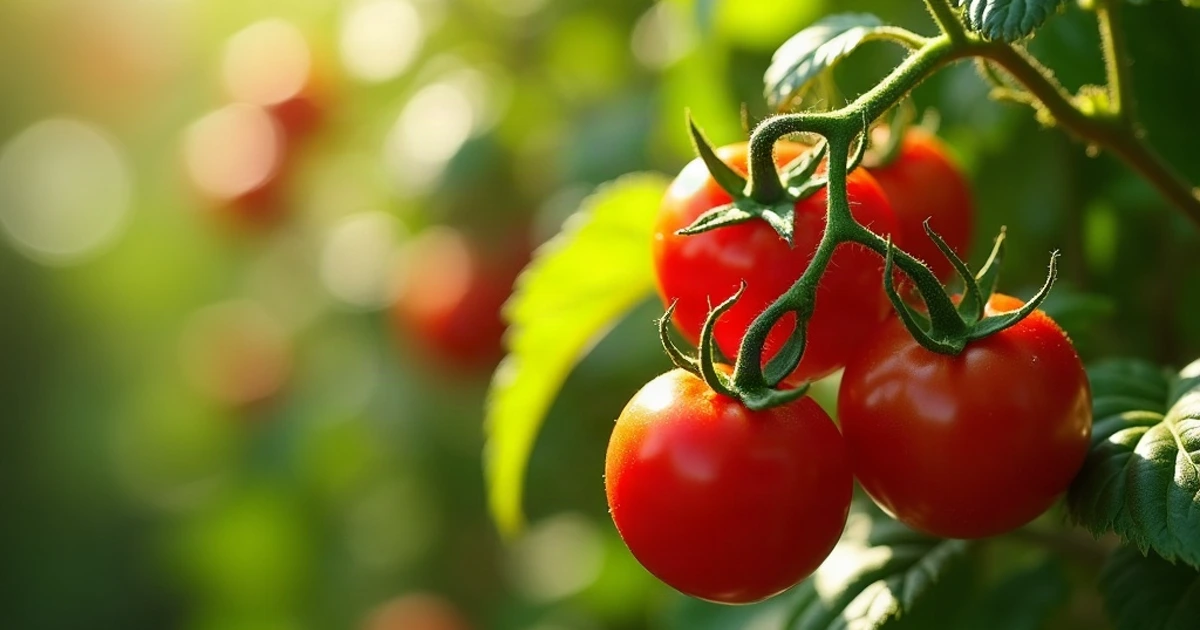
The main source of lycopene in the human diet is tomatoes and tomato products: tomato sauce, purée, juice, ketchup and canned tomatoes. Other foods contain much less lycopene, but it is found in watermelons, pink grapefruits, guavas and papayas.
Interestingly, cooked and chopped tomatoes release more lycopene than fresh ones. Heat and chopping break down the plant cell walls and free the pigment, so tomato sauce or purée is often a better source of lycopene than a raw tomato. In addition, for lycopene to be absorbed well, a little fat is needed — about 3–5 g of fat per meal is enough.
The exact amount of lycopene depends on the tomato variety, ripeness and processing method, but the general rule is simple: the redder and more thermally processed the tomato product, the more lycopene it contains. Watermelon, although it has less lycopene per portion than a portion of a tomato product, can also contribute significantly to the daily intake because of the large amount eaten.
Lycopene supplements are usually oil-based, so they are absorbed even more efficiently than lycopene from food, because they do not need to be released from the plant structure. This is one reason why supplements can be a convenient way to get a consistent lycopene dose for those who eat few tomato products.
Lycopene benefits for the prostate
Prostate health is the most studied area of lycopene. A 2017 meta-analysis of observational studies showed that a higher amount of lycopene in the diet and in the blood is associated with a roughly 12% lower risk of prostate cancer. A similar association has also been reported in other large observational studies that compared lycopene concentrations in the blood.
However, it is important to distinguish correlation from causation. Small intervention trials in which men with precancerous prostate changes took 30–35 mg of lycopene per day for up to six months found no reduction in the risk of developing prostate cancer. It is therefore thought today that the observed benefit may come not only from lycopene, but also from other substances in tomatoes or from a healthier, vegetable-rich diet in general.
The practical conclusion is simple: a lycopene-rich diet is a sensible choice and may be associated with a lower risk of prostate cancer, but a lycopene supplement is not a proven way to prevent or treat this disease. If you care about prostate health, it is first worth talking to a doctor about regular check-ups.
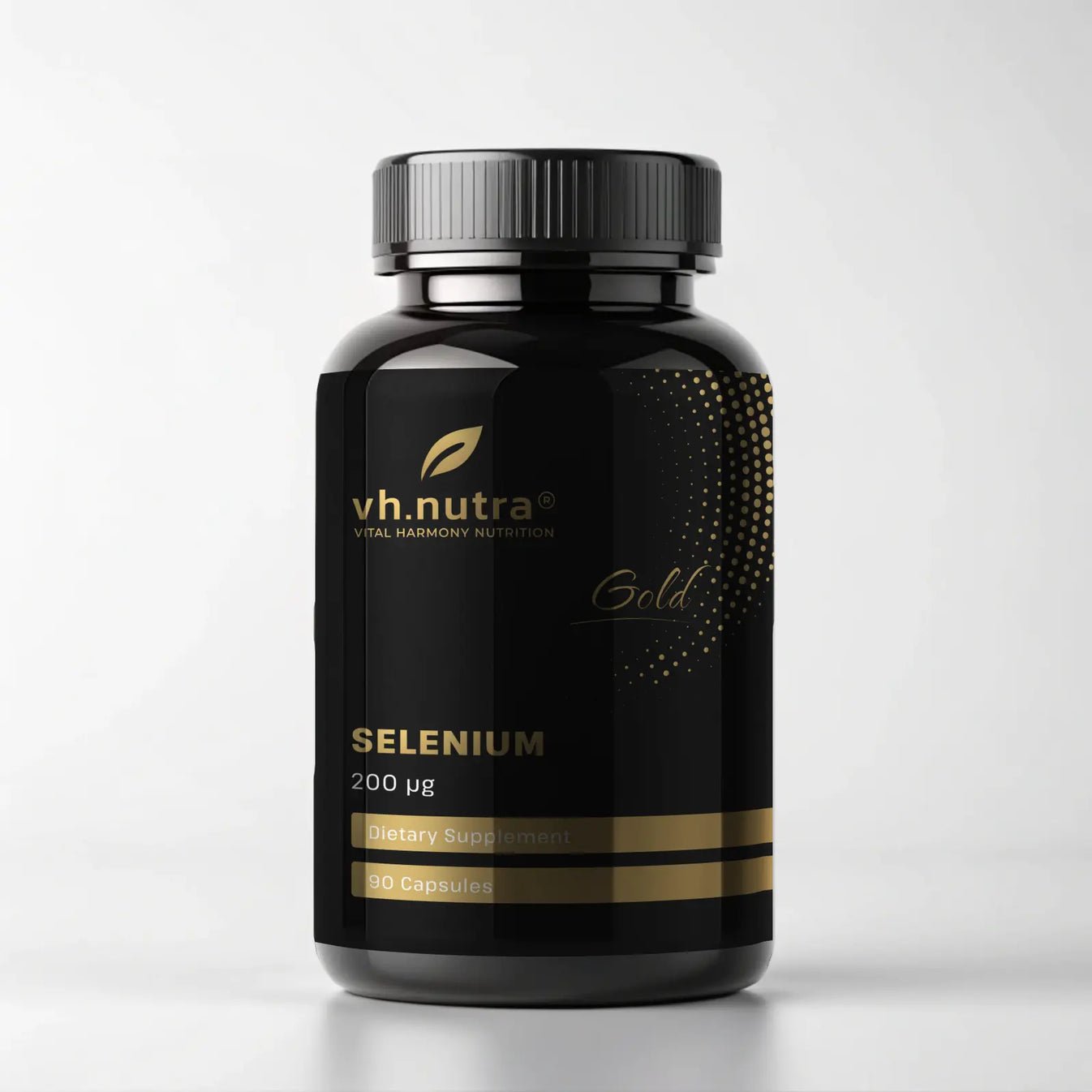
In prostate health research, lycopene is sometimes combined with other antioxidant substances, such as selenium. Although no such combination is a proven method of prevention, a diet rich in antioxidants — tomatoes, nuts, seafood and greens — is a sensible choice for overall health.
Lycopene benefits for the heart and blood vessels
Heart and blood vessel health is the second most intensively studied area of lycopene. Because carotenoids are fat-soluble, they travel in the blood together with cholesterol, which is why researchers were interested in whether lycopene can protect blood vessels from atherosclerosis — the build-up of fatty plaques in the artery walls.
Some studies show that a higher concentration of carotenoids, including lycopene, in the blood is associated with a thinner carotid intima-media layer — a reliable marker of early atherosclerosis — and a lower risk of cardiovascular disease. However, other studies find no such association, so the evidence remains conflicting.
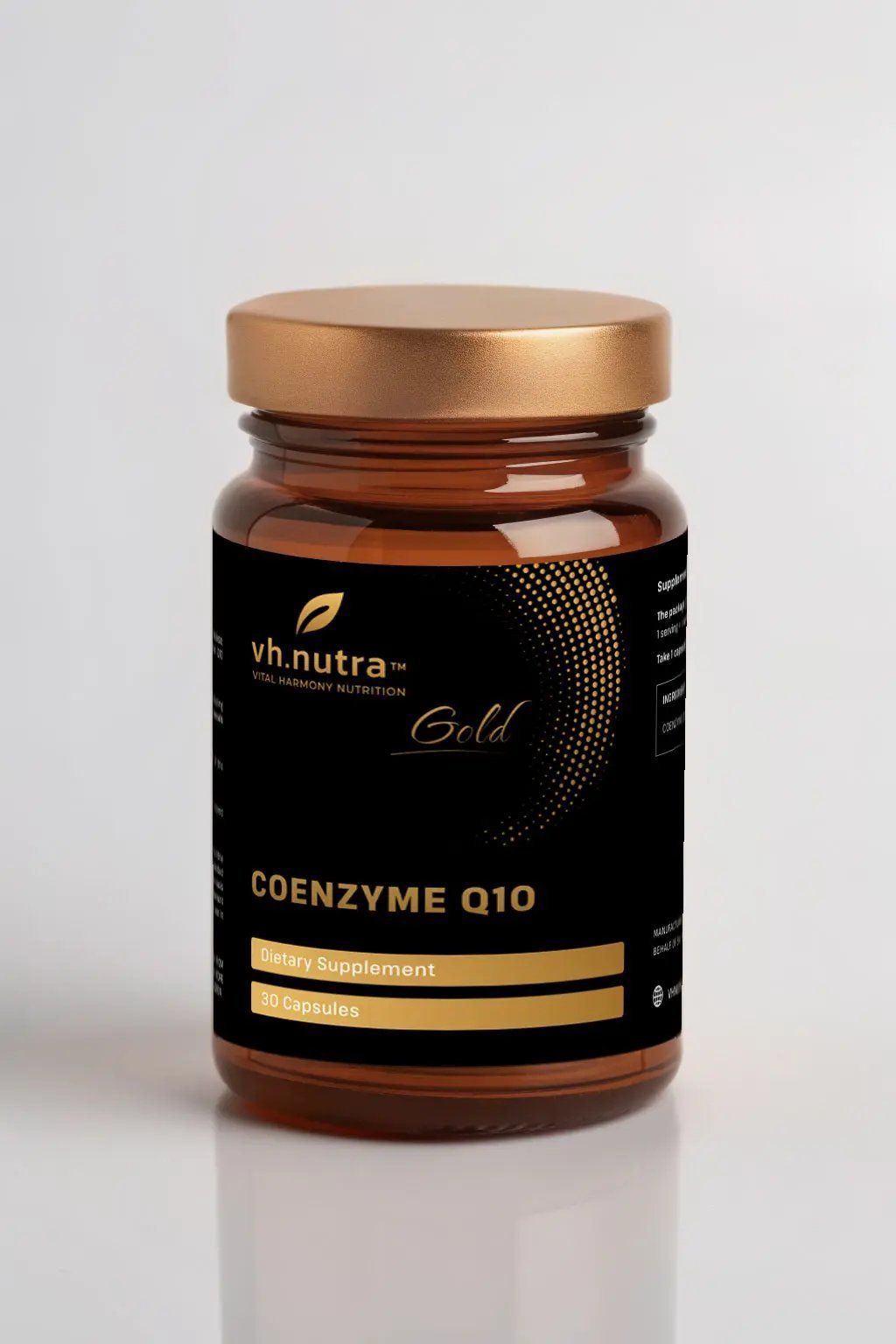
The best advice today is to get lycopene from a varied diet rich in vegetables and fruit, rather than expecting a single supplement to affect the heart. Coenzyme Q10 is also popular for supporting heart health; you can read more in our article about coenzyme Q10.
Lycopene benefits for the skin
In the field of skin protection, lycopene is studied for its protective effect against the sun’s ultraviolet rays. Small studies show that regular intake of tomato paste or lycopene can slightly reduce sun-induced redness of the skin — the so-called erythema.
However, these studies are small and the effect modest, so lycopene should not be seen as a substitute for sunscreen. If you want to support skin health from within, a lycopene-rich diet can be an additional, but not the main, protection against the sun. You can learn more about the role of antioxidants in the NCCIH review on antioxidants.
Lycopene naturally accumulates in the skin, so researchers are investigating whether this pigment can act as an internal protection against photoageing — the skin changes caused by long-term sun exposure. The results are still preliminary, so firm conclusions about lycopene’s effect on the skin cannot yet be drawn.
Lycopene as an antioxidant
The role of lycopene as an antioxidant is its most widely known property. In the laboratory, lycopene neutralises singlet oxygen more effectively than most other carotenoids and can inhibit the oxidation of fats — a process that damages cell membranes.
However, the action of carotenoids in the human body is more complex, and not all potential benefits can be explained by antioxidant activity alone. It is therefore worth seeing lycopene as part of a balanced diet, rather than as a “miracle” source of antioxidants. We write more about the importance of antioxidants in our article about antioxidants.
How to take lycopene?
Dose. There is no established recommended daily amount of lycopene, because lycopene is not an essential nutrient. Studies most often use 8–30 mg of lycopene per day; prostate studies used doses of 30–35 mg. When starting supplements, it is sensible to choose a lower dose and monitor how you feel.
When to take it. Lycopene is best taken together with a meal containing fat — this improves absorption. The specific time of day is not important, so choose the one that is easiest to fit into your daily routine.
Duration. Lycopene works gradually and accumulates in the body, so its benefit is associated with regular long-term use rather than a single large dose. The specific duration of use is worth discussing with a specialist.
Maximum dose. There is no established upper safe limit for lycopene, but for most people there is no reason to exceed 30 mg per day. Very large amounts — both from supplements and from food — can cause a harmless but noticeable change in skin colour.
When choosing a lycopene supplement, pay attention to the amount of pure lycopene stated on the label and the form — oil-based supplements are usually absorbed better. If you cannot find a specific lycopene supplement, a broader antioxidant combination can also make sense, but consult a specialist before combining several supplements.
If you are looking for an antioxidant supplement, pay attention to the combination of selenium and vitamin E — these two antioxidants are often taken together and complement each other — for example, our selenium with vitamin E.
Side effects and precautions
Lycopene is considered safe when taken in normal amounts with food. In rare cases, higher supplement doses can cause mild digestive discomfort, such as nausea or bloating.
The most common noticeable effect of taking very large amounts is lycopenaemia, a harmless orange skin discolouration that appears as lycopene accumulates in the skin and disappears when intake is reduced. Pregnant and breastfeeding women are recommended to get lycopene from food and to consult a doctor before starting supplements.
Interactions with medicines and other supplements
Lycopene can compete with other carotenoids, such as beta-carotene, for absorption in the intestine. Therefore, combining large doses of individual carotenoids can reduce the absorption of each of them, and such combinations are best avoided unnecessarily.
There is little data on serious interactions of lycopene with medicines, but before taking any supplement together with medicines — especially blood thinners or other medicines taken regularly — always consult a doctor or pharmacist.
Frequently asked questions
Does lycopene help against prostate cancer?
Observational studies show that a higher amount of lycopene in the diet and in the blood is associated with a lower risk of prostate cancer. However, supplement trials found no reduction in this risk, so lycopene is not a proven way to prevent or treat prostate cancer.
Where is the most lycopene?
The most lycopene is found in tomatoes and tomato products — sauce, purée, juice and ketchup. Smaller amounts are found in watermelons, pink grapefruits, guavas and papayas.
Are fresh tomatoes better than tomato sauce?
No, usually the opposite. Cooked and chopped tomatoes release more lycopene than fresh ones, because heat breaks down the cell walls and frees the pigment. Tomato sauce or purée with a little fat is an excellent source of lycopene.
What is the daily lycopene dose?
There is no established recommended daily amount of lycopene. Studies most often use 8–30 mg per day, and doses above 30 mg are usually unnecessary without specialist supervision. Lycopene is best taken with a meal containing fat.
Does lycopene colour the skin?
Very large amounts of lycopene can cause a harmless condition — lycopenaemia, in which the skin takes on an orange tint. It is not dangerous and disappears when lycopene intake is reduced.
Recommended products
Disclaimer: This information is for educational purposes only. Consult your doctor or pharmacist before starting to take supplements.