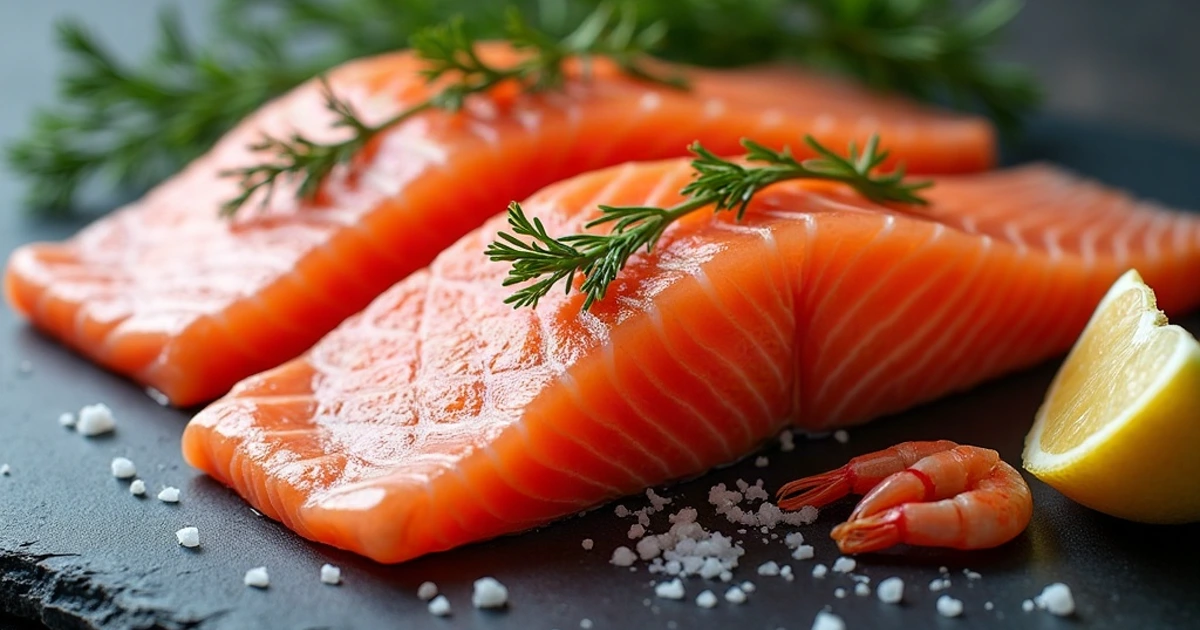
Astaxanthin is a natural reddish-orange pigment belonging to the carotenoid family, found in wild salmon, trout, shrimp and krill. If you are interested in strong antioxidant protection, skin beauty or eye health, this compound is considered one of the most powerful natural antioxidants found in nature. In this article you will learn what benefits astaxanthin provides, when it can be useful and how to take it safely.
Key Takeaways
- Astaxanthin is a natural carotenoid that gives salmon and shrimp their pink color, regarded as one of the strongest natural antioxidants.
- Main benefits – skin protection from the sun and aging, support for eye and vision health, muscle recovery and heart health.
- Absorption – astaxanthin is fat-soluble, so it is best absorbed when taken with fatty food.
Table of Contents
What Is Astaxanthin?
Astaxanthin is a natural pigment belonging to the carotenoid group, and more precisely to the xanthophyll subgroup. It is this compound that gives salmon, trout, shrimp, crabs and even flamingos their characteristic pinkish-orange color. In nature, astaxanthin is produced by certain microalgae, such as Haematococcus pluvialis, which are eaten by crustaceans, and the pigment then accumulates in the tissues of fish and other animals along the food chain.
Supplements most often use natural astaxanthin extracted from microalgae, rather than the synthetic analogue that is mainly intended for fish feed. Natural astaxanthin is valued more highly because it contains a mixture of different forms that better matches what the body receives from food. More reliable information about the chemical structure and properties of this compound is published in the PubChem database of the U.S. National Library of Medicine.
It is important to know that astaxanthin is fat-soluble, so its absorption is closely linked to the fats present in food. For this reason, supplements are recommended to be taken with a meal containing healthy fats – this can significantly improve the absorption of the active substance and increase its benefit to the body.
1. Strong Antioxidant That Protects Cells
Astaxanthin is best known as an exceptionally strong antioxidant. In scientific literature this carotenoid is often described as one of the most powerful natural antioxidants, capable of neutralizing free radicals both inside the cell and on the surface of its membrane. Thanks to its unique chemical structure, astaxanthin can protect cell membranes from both sides, which is not typical of many other antioxidants.
Oxidative stress arises when the body produces more free radicals than it can neutralize – this is linked to aging, fatigue and various chronic conditions. Astaxanthin contributes to maintaining this balance and can be a valuable part of a daily antioxidant routine. In this respect it is often mentioned alongside other strong antioxidants, such as resveratrol or coenzyme Q10, which all help protect cells from oxidative damage.
2. Supports Skin Health and Sun Protection
Skin health is one of the most common reasons people choose astaxanthin. Research shows that this carotenoid can help maintain skin elasticity, moisture and smoothness, and also help reduce the damage caused by ultraviolet rays. Because astaxanthin accumulates in the skin, it acts as an internal protection that complements external sunscreens.
Ultraviolet rays stimulate the formation of free radicals in the skin and contribute to premature aging signs such as wrinkles or pigment spots. Regular use of astaxanthin can help maintain healthier skin and reduce the intensity of these effects. This compound pairs well with other skin-beneficial substances, such as vitamin C or collagen, which together create a comprehensive skin care strategy.
3. Supports Eye Health and Vision
Eye strain is an increasingly common problem of modern life, especially for people who spend long hours in front of computer or phone screens. Astaxanthin is one of the few carotenoids able to reach the retina of the eye, which is why it is increasingly studied as a substance that supports eye health and visual comfort.
Because astaxanthin is fat-soluble, it penetrates biological membranes more easily than some other carotenoids and can reach the structures of the eye. In this respect it complements lutein and zeaxanthin well – two other well-known carotenoids important for eye health, which together with astaxanthin form a natural eye protection combination. Regular use of such compounds can contribute to more comfortable vision and reduced eye strain at the end of the day.
4. Helps Muscles Recover and Improves Endurance
For athletes, astaxanthin can be especially interesting because of its possible effect on muscle recovery and physical endurance. During intense physical activity, more free radicals are formed in the muscles, and the strong antioxidant properties of astaxanthin can help reduce oxidative damage and support faster recovery after a workout.
Some studies also link astaxanthin with better muscle endurance and less muscle soreness after exertion. Although results vary individually, this carotenoid is often included in athletes’ daily routines as natural support for recovery. Astaxanthin pairs well here with other sport-useful substances, such as omega-3 fatty acids or creatine, which all contribute to better recovery and performance of the body.
5. Supports Heart and Blood Vessel Health
Heart and blood vessel health directly depends on the level of oxidative stress and inflammation in the body, and it is exactly in these areas that astaxanthin is strongest. This carotenoid can contribute to the protection of the inner layer of blood vessels and the maintenance of normal lipid metabolism, which is why it is increasingly mentioned in the context of heart care.
Astaxanthin complements the benefits of omega-3 fatty acids well – it is no coincidence that in nature these two substances are found together in salmon and krill. Combining them with a healthy diet, regular movement and quality sleep creates a comprehensive heart and blood vessel support strategy that can produce noticeable results over time.
6. Supports Brain Function and Focus
The brain is one of the organs most sensitive to oxidative stress, which is why the role of antioxidants in its health is particularly important. Thanks to its ability to cross the blood-brain barrier, astaxanthin can reach brain tissue and contribute to the protection of nerve cells, which is linked to better cognitive function and concentration.
Although astaxanthin is not a fast-acting substance, consistent use can contribute to long-term brain health. In this respect it is often mentioned alongside other brain-beneficial substances, such as omega-3 or lion’s mane, which all support nervous system function and help maintain mental clarity in everyday life.
7. Supports Joints and Reduces Inflammation
Joint comfort and mobility are important both for athletes and for older people who want to maintain an active lifestyle. Astaxanthin’s ability to support a normal inflammatory response directly contributes to joint comfort, and this property is linked to many of the other benefits of this carotenoid.
This compound pairs well with other joint-support substances, such as glucosamine and chondroitin. Astaxanthin contributes to reducing the inflammatory response, while glucosamine and chondroitin support the structure of cartilage – together these substances create a comprehensive joint care strategy. Joint health is especially relevant for those who move a lot or lift weights, which is why astaxanthin can become a valuable part of their daily routine.
How to Take Astaxanthin?
The commonly recommended dose of astaxanthin ranges from 4 to 12 mg per day, depending on the goal and individual needs. When starting, it is worth choosing a lower dose, for example 4 mg per day, and gradually increasing it while observing the body’s response. Higher doses – up to 12 mg – are usually used when a more pronounced effect on the skin or sports recovery is desired.
Because astaxanthin is fat-soluble, it is best taken with food that contains fats – this can significantly improve absorption. The daily dose can be taken at once, for example at breakfast or lunch. The specific time of day is not as important as regularity and taking it with fatty food.
Results usually need to be awaited for several weeks, so consistency is the most important thing. Astaxanthin is not a fast-acting substance, and its benefits become apparent only with regular daily use at a similar time, without longer breaks. Many people notice the first changes after 3–6 weeks of consistent use.
If you take other medications or have chronic health conditions, it is always worth consulting a doctor or pharmacist before starting supplements. This is especially important if you plan to take astaxanthin for a long time or combine it with other active substances.
Possible Side Effects
Astaxanthin is well tolerated by most people when taken in recommended doses. In rare cases, mild stomach discomfort may occur or skin tone may change, but these effects are usually temporary and disappear after reducing the dose.
Caution is advised for people taking blood-thinning medications, as well as for pregnant and breastfeeding women – they should consult a doctor before use. Astaxanthin is a food supplement and is not intended to diagnose, treat or prevent diseases.
Astaxanthin in Food — Where to Find It?
The best natural sources of astaxanthin are wild salmon, especially the sockeye species, trout, shrimp, krill, crabs and lobsters. It is this pigment that gives these animals their pinkish-orange color, and its amount directly depends on what they ate – the more astaxanthin-containing algae or crustaceans a fish consumed, the more intense its color.
However, getting a larger dose of astaxanthin from food alone can be difficult, because even in wild salmon this pigment is present in relatively small amounts. Therefore, a supplement here is a practical way to obtain a concentrated amount of this carotenoid. It is worth enriching the usual diet with fatty fish at least a few times a week – this will provide not only astaxanthin, but also valuable omega-3 fatty acids.
The best results are achieved by combining a quality astaxanthin supplement with a varied diet rich in vegetables, fruit and fatty fish. A supplement can strengthen the effect of a healthy lifestyle, but should never become its replacement.
Frequently Asked Questions
What is astaxanthin and where is it found?
Astaxanthin is a natural reddish-orange carotenoid pigment produced by microalgae, which then accumulates in salmon, trout, shrimp and krill. It is this compound that gives them their pink color.
How much astaxanthin should I take per day?
Usually 4–12 mg of astaxanthin per day is recommended. Start with a lower dose and take it with fatty food to improve absorption.
Does astaxanthin help the skin?
This carotenoid accumulates in the skin and contributes to its elasticity and protection from ultraviolet ray damage, which is why it is often used for skin beauty and reducing signs of aging.
Why should astaxanthin be taken with fats?
Astaxanthin is fat-soluble, so taking it with food that contains fats makes the active substance absorbed much better than on an empty stomach.
When is the best time to take astaxanthin?
It is best to take astaxanthin with a main meal that contains fats, for example at breakfast or lunch. The specific time of day is not as important as regularity.
Does astaxanthin have side effects?
Astaxanthin is well tolerated by most people. In rare cases, mild stomach discomfort may occur. People taking blood-thinning medications should consult a doctor before use.
Disclaimer: This information is for educational purposes only and cannot replace professional medical advice. Before taking any food supplements, it is essential to consult a doctor or pharmacist.
Related Articles
- Omega-3: Benefits for Heart, Brain and Health
- Coenzyme Q10: 7 Benefits for Heart, Energy and Health
- Lutein: 7 Benefits for Eyes, Vision and Health