
Lutein — a yellow carotenoid naturally found in dark green vegetables, egg yolks, and marigold flowers — is one of the most important compounds for eye health. This pigment accumulates in the macula of the retina and acts as a natural filter that protects vision from harmful light. If you spend a lot of time in front of screens, notice eye fatigue, or want to reduce the risk of age-related eye diseases, lutein supplements can be a valuable addition to your daily routine. Quality supplements are available to everyone today, and their benefits for the eyes are backed by numerous scientific studies.
Key Takeaways
- Lutein — accumulates in the macula of the retina and acts as a natural blue light filter
- Eye protection — regular use of lutein and zeaxanthin may reduce the risk of age-related macular degeneration by up to 26%
- Screen users — this pigment helps reduce eye fatigue and improves contrast perception
- Dose — 10–20 mg of lutein per day is considered an effective preventive dose for adults
Contents
What Is Lutein?
Lutein is a carotenoid belonging to the xanthophyll group — pigments that the body cannot produce on its own, so they must be obtained through food or supplements. In nature, this pigment gives many plants their yellow or orange color — marigold flowers, corn, pumpkins. In the human body, this pigment is concentrated in two places: the macula (yellow spot) of the retina and the skin layers. It is in the retina that this pigment performs its most important function — protecting light-sensitive cells from damage.
The yellow pigment is often mentioned together with zeaxanthin — a very similar carotenoid that makes up to 25% of all pigments in the macula. Together, these two compounds are called macular pigment, and its density is directly related to the level of eye protection. Natural sources of this carotenoid include spinach, cabbage, broccoli, yellow peppers, egg yolks, and blueberries. However, getting 10–20 mg per day from food is not easy, which is why many people choose standardized supplements.
1. Protection from Blue Light Damage
Blue light — short-wavelength radiation emitted by the sun, screens, and LED lamps — reaches the retina and can cause oxidative damage. Lutein acts as a natural filter: the yellow pigment absorbs part of the blue light before it reaches light-sensitive cells. Studies show that higher macular pigment density means better protection against light-induced damage, and this protection builds up gradually with regular intake of this carotenoid.
Such protection is especially important in modern life, where we spend an average of 7–10 hours per day in front of screens. Although scientists still debate whether screen blue light directly damages the retina, taking this pigment as a preventive measure makes sense — it accumulates exactly where light is most concentrated. Supplements become especially relevant for people who work at a computer all day.
2. Lower Risk of Macular Degeneration
Age-related macular degeneration (AMD) is the leading cause of vision loss in older adults in developed countries. Lutein is one of the most studied compounds for AMD prevention, and large-scale studies such as AREDS2 have shown that lutein and zeaxanthin supplements can reduce the risk of advanced AMD in people already diagnosed with it. These findings have led ophthalmologists to recommend this pigment as a preventive measure for at-risk groups.
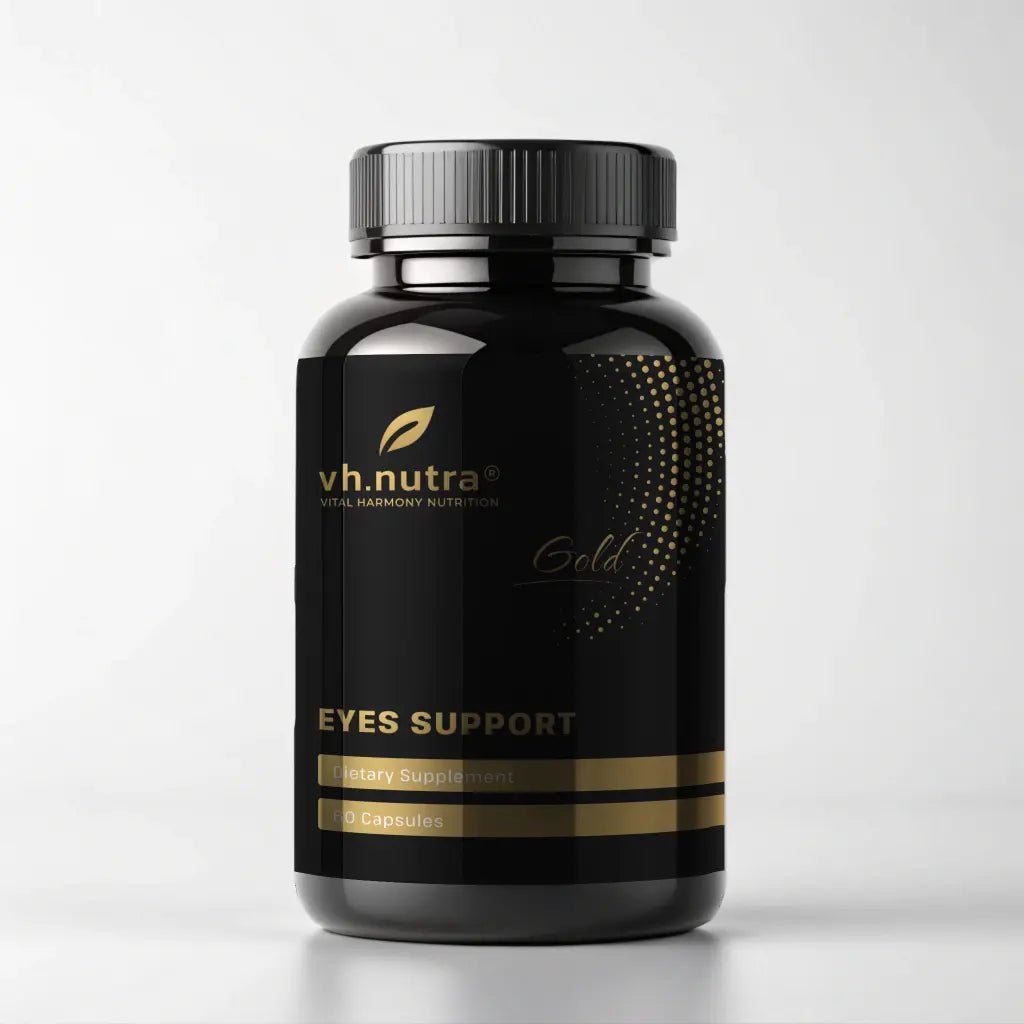
Clinical data show that taking 10 mg of lutein and 2 mg of zeaxanthin per day regularly increases macular pigment density within 4–6 months. For example, VH.Nutra Eyes Support – lutein and zeaxanthin for eye health provides this combination together with blueberry extract, vitamins C and E, zinc, and selenium — a complex formula covering all ingredients important for the macula. The National Institutes of Health recognize these carotenoids as important factors in supporting eye health.
3. Better Visual Acuity and Contrast
Lutein improves not only protection but also visual quality. Macular pigment reduces glare and improves contrast perception — the ability to distinguish objects from backgrounds of similar color. Studies in healthy people have shown that after 12 weeks of taking this pigment, visual acuity, color vision, and the ability to see in dim light improved.
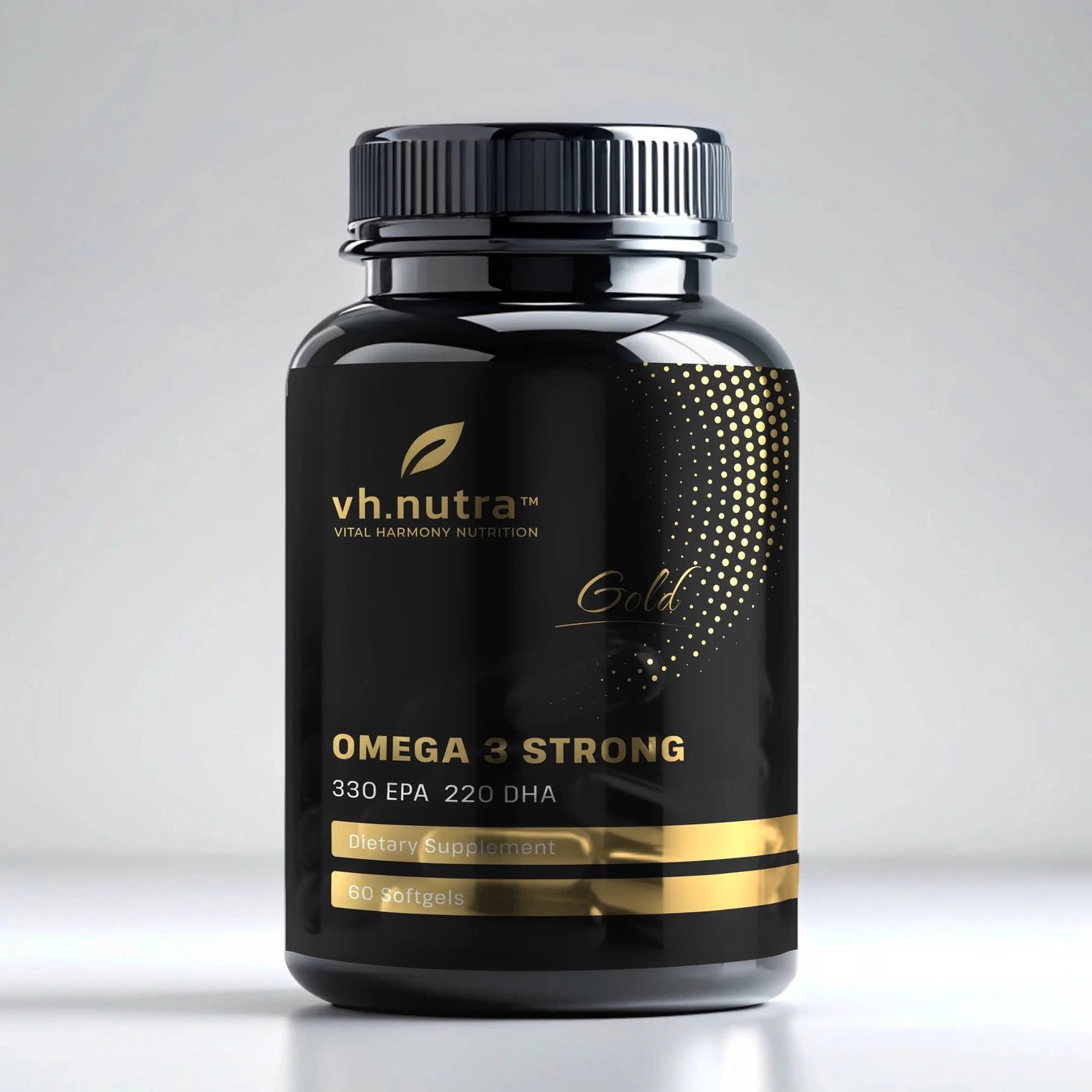
For drivers, athletes, and people doing fine detail work, this benefit is especially relevant. In addition, this carotenoid works synergistically with DHA — an omega-3 fatty acid that makes up a large part of retinal cell membranes. For example, VH.Nutra Omega 3 Strong with its high EPA and DHA concentration perfectly complements this pigment’s effect on vision. Read more about the benefits of these fatty acids in Omega-3: 7 Benefits for the Heart, Brain, and Health.
4. Less Eye Fatigue When Working at Screens
Digital eye strain is the most common complaint among office workers: dry eyes, tension, and blurry vision after long hours at the monitor. Lutein helps in two ways: it filters part of the blue light and strengthens retinal cells against the oxidative stress caused by prolonged screen viewing. Regular use of this pigment helps eyes stay less fatigued even after an intense workday.
In one study, participants who took 10 mg of this pigment per day for 6 months reported significantly less eye fatigue and discomfort after computer work. For people who cannot avoid screen exposure, this pigment combination is considered a practical preventive measure. VH.Nutra Eyes Support is one of the ready-made formulas in which these pigments are already balanced with other vitamins important for the eyes.
5. Lens Protection and Lower Cataract Risk
Cataract — the clouding of the lens that makes vision blurry — is one of the most common age-related eye diseases. Oxidative stress is considered the main factor driving damage to lens proteins. Lutein also accumulates in the lens, where it acts as an antioxidant that helps maintain its transparency and protect it from free radical damage.
Epidemiological studies link higher intake of this pigment with a lower risk of cataract, although final clinical evidence still requires more data. Nevertheless, combining this pigment with other antioxidants is considered a sensible preventive strategy, especially for people with a family history of cataract or prolonged sun exposure without eye protection.
6. Retinal Protection from Oxidative Stress
The retina is one of the body’s tissues with the highest oxygen demand, making it especially vulnerable to free radical damage. Lutein neutralizes reactive oxygen species and reduces lipid peroxidation in light-sensitive cells. In addition, this carotenoid supports the levels of glutathione — the body’s most important internal antioxidant — in the retina, thereby strengthening natural cellular protection.
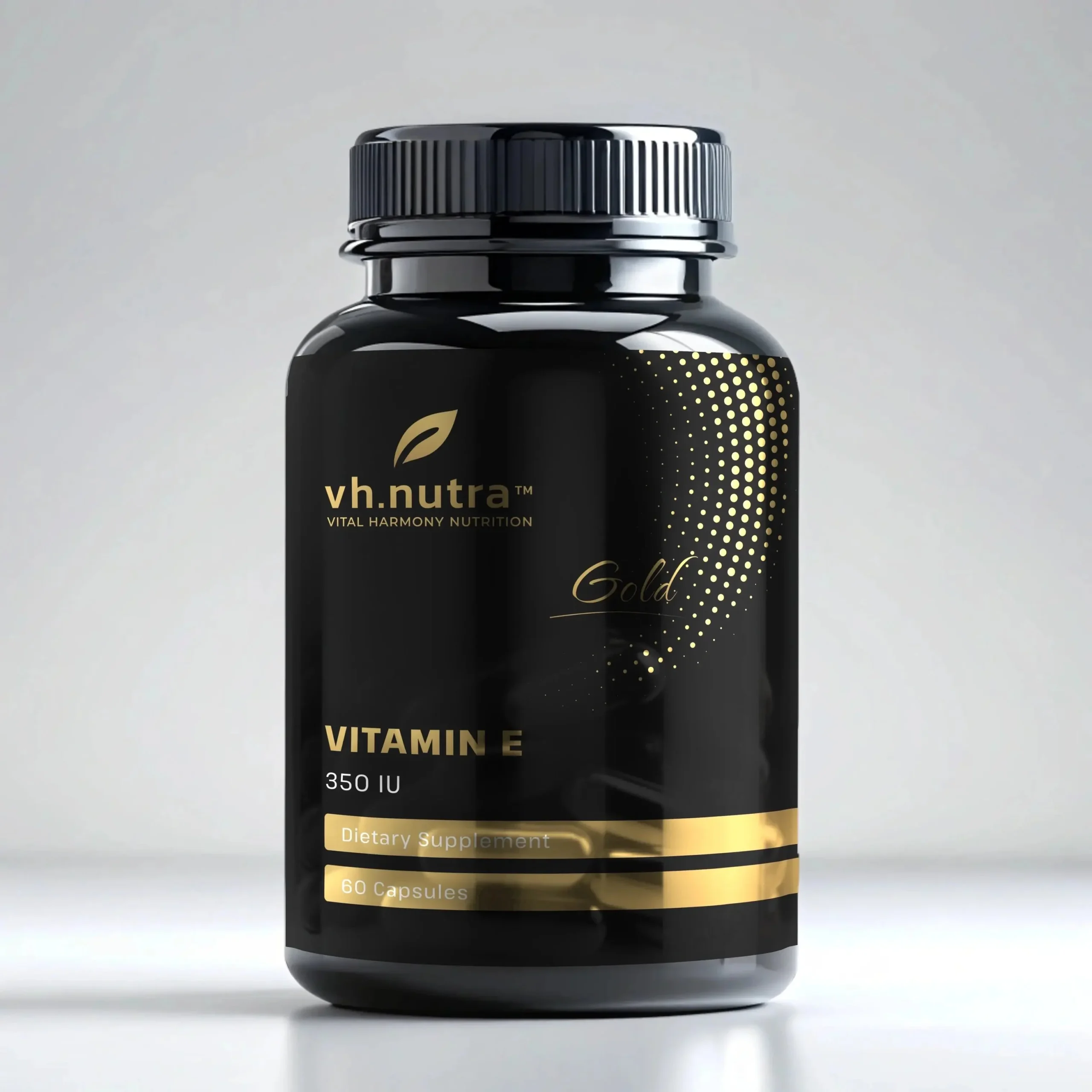
In this process, this pigment is perfectly complemented by other fat-soluble antioxidants. For example, VH.Nutra Vitaminas E 350 IU protects cell membranes from oxidation, while selenium is essential for the activity of the glutathione peroxidase enzyme. Read about the importance of selenium for the body in Selenium: 7 Benefits for Immunity, the Thyroid, and Antioxidant Protection. The combination of three antioxidants provides comprehensive retinal protection from several fronts at once.
7. Skin Protection from UV Rays
Lutein is beneficial not only for the eyes — this pigment also accumulates in the skin, where it helps protect it from UV-induced damage. Studies show that this pigment increases the skin’s resistance to sunlight, reduces redness after UV exposure, and maintains moisture levels in the skin. This property makes the pigment popular among people who care not only about their vision but also about their skin condition.
Internal use of this pigment gives the best results when combined with external protection — sunscreen and proper skin care. Although the skin is not the primary target of this pigment in the body, this additional benefit is a pleasant bonus for those who already take eye health supplements.
How to Take Lutein?
Recommended dose: 10–20 mg per day is recommended for adults. Studies on AMD prevention used doses of 10 mg lutein and 2 mg zeaxanthin. For beginners, 10 mg per day is enough — the most important thing is to take it regularly.
When to take: this pigment is a fat-soluble compound, so it is best absorbed with meals when the food contains fat. It can be taken at any time of day — morning or evening; the key is consistency and taking it with food for maximum absorption.
Duration of use: macular pigment density increases slowly — the first changes usually require 4–6 months of consistent use. It is worth taking lutein long-term, in courses of at least 3–6 months, and the course can be repeated after a break.
Maximum safe dose: doses of up to 40 mg per day have been used safely in studies, but it is not recommended to exceed 20 mg per day without medical supervision. If you want a convenient solution, VH.Nutra Eyes Support – lutein and zeaxanthin for eye health provides a balanced dose together with other ingredients important for the eyes in a single capsule.
Possible Side Effects
Lutein is considered a safe and well-tolerated supplement when taken at recommended doses. In rare cases, mild digestive upset or headache may occur at the start of use, usually resolving within a few days. The only known specific effect is a yellowish tint to the skin (carotenodermia) when taking very high doses, which is not dangerous and disappears when the dose is reduced.
For pregnant and breastfeeding women, supplements of this pigment are considered safe at usual doses, but it is worth consulting a doctor before use. People taking medication or living with chronic conditions are also advised to seek professional consultation before starting such supplements.
Lutein and Blue Light — What’s Important to Know?
The topic of blue light has received a lot of attention in recent years — from glasses with blue light filters to special screen modes. Lutein is not a magic filter, but it is a scientifically grounded tool: this carotenoid accumulates in the macula and naturally absorbs part of the blue light that passes through the eye’s optical structures. That is precisely why this pigment’s role in eye protection is considered unique — no other pigment in the body performs this filtering function.
However, it is important to understand that this carotenoid does not offset harmful habits. Work breaks, the 20-20-20 rule — every 20 minutes, look at an object 20 feet away for 20 seconds — and proper lighting remain the foundation of eye hygiene. These supplements are a preventive measure, not a substitute for healthy habits, so the best results are achieved by combining both. Read about other antioxidants that support the body’s defenses in Vitamin E: 7 Benefits for Skin, Immunity, and Antioxidant Protection.
Frequently Asked Questions
Does lutein really help the eyes, or is it just marketing?
This pigment is one of the most scientifically studied compounds for eye health — the large-scale AREDS2 study with thousands of participants confirmed the benefits of lutein and zeaxanthin for preventing macular degeneration. It is important to choose quality supplements with a clear dose and standardized amount.
How long do I need to take lutein to notice a difference?
Macular pigment density increases gradually, so the first changes — less eye fatigue, better contrast — can be expected after 2–3 months of consistent use. Deeper changes, such as a significant increase in pigment density, require 4–6 months.
Can I get enough lutein from food?
Theoretically yes, but in practice getting 10–20 mg per day from food is difficult — it would require eating large amounts of spinach or cabbage every day. Moreover, the absorption of this pigment from vegetables depends on how they are prepared and the fat content of the meal, so standardized supplements are a more reliable way to ensure an adequate dose.
What is best to combine lutein with?
This pigment works best together with zeaxanthin, omega-3 fatty acids, and antioxidants — vitamin E, vitamin C, and selenium. Complex formulas already offer such a combination, for example, VH.Nutra Eyes Support, in which lutein is combined with zeaxanthin, blueberry extract, vitamins C and E, zinc, and selenium.
Disclaimer: This information is for educational purposes only and cannot replace professional medical advice. Before starting any dietary supplement, you must consult a doctor or pharmacist.