Table of Contents
At a glance:
- Chia seeds are small edible seeds native to Mexico and Guatemala, a species of sage (Salvia).
- 100 g of chia seeds contain about 34 g of fiber and 16.5 g of protein.
- They are one of the best plant-based sources of omega-3 (ALA).
- When they come into contact with liquid, the seeds swell and form a gel that keeps you full longer.
Chia seeds have become one of the most popular so-called superfoods in recent years – and not without reason. These small, almost neutral-tasting seeds have an impressive concentration of fiber, protein and omega-3 fatty acids, making them ideal for anyone who wants to improve digestion, feel full for longer and get more valuable nutrients. In this article we look at the benefits of chia seeds, how to use them correctly and when to be careful.
Key Takeaways
- Chia seeds are a rich source of fiber that supports gut function and satiety.
- They contain plenty of plant-based omega-3 (ALA), protein and minerals – calcium, magnesium and phosphorus.
- Chia seeds swell in liquid and form a gel that slows stomach emptying and helps control blood sugar.
- Just 1–2 tablespoons a day is enough; start with a small amount and drink plenty of water.
What Are Chia Seeds?
Chia seeds are the edible seeds of the plant Salvia hispanica, which belongs to the sage (Salvia) genus and the same family as mint. They originate from the territory of present-day Mexico and Guatemala, where they were consumed by the Aztecs and Mayans centuries ago. The word “chia” comes from the ancient Aztec language and means “oily” or “greasy” – a reflection of the high fat content in the seeds.
Seeds come in black and white varieties, but their nutritional value is practically identical. The taste is mild and almost neutral, so the seeds are easy to incorporate into a wide range of dishes – from porridges and smoothies to baked goods. Unlike flaxseed, chia seeds do not need to be ground for the body to absorb their nutrients.
Chia oil is also pressed from the seeds, concentrating the omega-3 fatty acids. However, whole seeds are the healthiest option, because that is where the fiber remains – oil contains almost none. So to get the full benefit, it is worth using the seeds whole.
The Aztecs and Mayans valued these seeds not only as food but also as a source of energy and endurance on long journeys. Today this view is supported by scientific evidence – thanks to the combination of fiber, protein and fat, the seeds provide long-lasting, gradually released energy.
Nutritional Value of Chia Seeds
Chia seeds contain a surprisingly large amount of nutrients. Here is how much is in about 100 grams of the product:
- Fiber – about 34 g (mostly insoluble);
- Protein – about 16.5 g;
- Fat – about 31 g, most of which is omega-3 (ALA);
- Calcium – about 631 mg;
- Magnesium – about 335 mg;
- Phosphorus – about 860 mg.
In addition, chia seeds are naturally gluten-free and can be eaten on a vegan or vegetarian diet. They also contain antioxidants – chlorogenic acid, caffeic acid and quercetin, which protect cells from oxidative stress. The Harvard T.H. Chan School of Public Health describes chia seeds as a nutrient-dense food.
In practice this means that even a single tablespoon (about 10 g) adds a noticeable portion of fiber, calcium and omega-3 to the daily diet. That is why the seeds are easy to include even in a fairly busy schedule – no large portion is needed for a visible benefit.
Chia Seeds Benefits for Digestion
These seeds are especially valued for their high fiber content. Most of this fiber is insoluble, while the rest is soluble. Soluble fiber absorbs water and forms a gel-like mass in the gut, which helps keep bowel movements regular and supports a healthy gut microbiome.
When seeds come into contact with liquid, they can absorb 10–12 times more water than they weigh. This gel softens stool and eases its passage through the gut, which can help prevent constipation. Still, it is important to drink enough water – without it, a large amount of fiber can have the opposite effect and cause bloating.
Soluble fiber also acts as a prebiotic – it feeds beneficial gut bacteria. A healthy microbiome is linked not only to better digestion but also to a stronger immune system, so regularly consumed seeds can contribute to overall gut health.
Chia Seeds for Weight Control
Fiber and protein are the two nutrients most strongly linked to a longer-lasting feeling of fullness, and chia seeds are rich in both. The gel that the seeds form in the stomach slows stomach emptying and keeps you feeling full for longer, which can naturally reduce the amount of food you eat.
It is worth noting that chia seeds alone will not make you lose weight – weight control always depends on overall calorie balance. However, when included in a balanced diet they can become a useful tool for staying fuller for longer and reducing the urge to snack. Read more about the role of fiber in weight control in our article on fiber.
A practical tip – stir a spoonful of seeds into a glass of water or tea about 20 minutes before your main meal. The gel that forms will help you feel fuller and naturally reduce your portion size without extra effort.
Chia Seeds for Heart Health and Omega-3
Chia seeds are one of the richest plant-based sources of omega-3 fatty acids, specifically alpha-linolenic acid (ALA). Omega-3 fatty acids are linked to normal heart and blood vessel function as well as cholesterol metabolism.
In addition to fatty acids, chia seeds contain potassium and magnesium – minerals that contribute to maintaining normal blood pressure. Although there are still few studies on the effect of chia seeds on the heart, regularly including a plant-based omega-3 source in your diet is a sound choice. Read more about omega-3 benefits in our article on omega-3.
It is important to know that plant-based ALA is converted into the active forms EPA and DHA in the body only to a small extent, so to get the direct benefit of these forms, fish oil or algae oil can be an additional option. Still, ALA itself has value and is a far better solution than no omega-3 at all in the diet.
Chia Seeds Benefits for Bones
Chia seeds are an extremely rich source of calcium – 100 g contains about 631 mg of calcium, which by weight surpasses many dairy products. In addition to calcium, they are rich in phosphorus and magnesium – minerals that together contribute to maintaining normal bones and teeth.
Those who do not consume dairy products or follow a vegan diet often face calcium deficiency, so chia seeds can be a convenient way to top up this mineral. However, vitamin D is also important for calcium absorption, so it is worth making sure you get enough of it from food or sunlight.
Chia Seeds for Blood Sugar
The gel consistency that the seeds form in the digestive tract can slow down the absorption of carbohydrates. This means sugar enters the bloodstream more evenly and blood sugar rises more slowly after a meal. This effect is especially relevant for people who monitor their glycemic swings.
Some studies show that adding chia seeds to a meal rich in carbohydrates can reduce the post-meal blood sugar spike. Still, these seeds are not medicine and cannot replace doctor-prescribed treatment – if you have diabetes, talk to your doctor before changing your diet.
Chia Seeds for Energy and Muscles
The protein in chia seeds contains all nine essential amino acids, which is quite rare for plant-based products. Although the protein content of a single portion is modest, it makes a useful addition to the total daily protein intake.
Thanks to the combination of fiber and fat, the seeds release energy gradually, which can help avoid a sudden energy crash between meals. For athletes they can be a useful addition to breakfast or a pre-workout snack.
How to Use Chia Seeds?
Chia seeds are easy to use, and their neutral taste allows them to be combined with a wide variety of dishes. Here are a few of the most popular ways:
- Soaking in liquid: pour about 150 ml of water, juice or plant-based drink over 1 tablespoon of seeds and leave for 10–15 minutes until a gel forms.
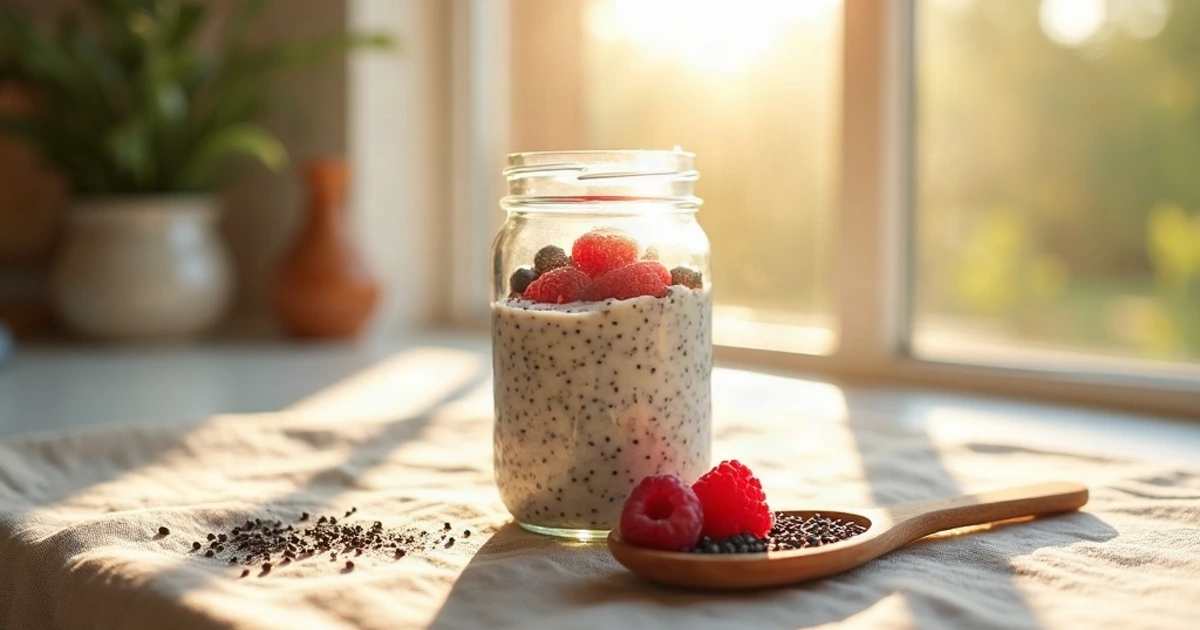
- Chia pudding: mix the seeds with a plant-based drink in a 1:3–1:4 ratio and leave overnight in the fridge.
- Smoothies and porridge: stir a spoonful of seeds into your morning smoothie, yogurt or oatmeal.
- Baking: the seeds can replace an egg – 1 tablespoon of seeds plus 3 tablespoons of water stands in for one egg.
The recommended daily portion is usually 1–2 tablespoons (about 10–20 g). Start with a smaller amount and gradually increase it so that your digestive system gets used to the higher fiber intake. Be sure to drink enough water – without it, the seed gel can cause discomfort.
When choosing seeds, pay attention to their freshness – good quality seeds should be dry, not clumped and free of foreign odors. Store them in a tightly sealed container in a cool, dark and dry place; this way they stay fresh for up to several years. Soaked seeds are best consumed within 3–5 days when kept in the fridge.
Possible Side Effects and Precautions
For most people, chia seeds are safe, but when you start eating a larger amount you may experience bloating, gas or diarrhea. This is usually temporary and passes as your body adjusts to the extra fiber.
Dry chia seeds should be eaten with caution – they absorb liquid quickly and can swell in the esophagus, especially if you have swallowing difficulties. That is why it is always better to soak the seeds before consuming them. If you take blood-thinning medication or plan to have surgery, talk to your doctor before adding chia seeds to your daily diet, as omega-3 fatty acids can affect blood clotting.
In rare cases, an allergic reaction may occur, If you notice a rash, itching or swelling, stop using them and contact your doctor.
Frequently Asked Questions
Do chia seeds need to be ground?
No, grinding is not necessary. Unlike flaxseed, the nutrients in chia seeds can be absorbed from whole seeds, so they can be eaten directly.
How many chia seeds can you eat per day?
Usually 1–2 tablespoons (about 10–20 g) per day are recommended. Start with a small amount and drink plenty of water to avoid digestive discomfort.
Do chia seeds help you lose weight?
On their own they will not make you lose weight, but thanks to their high fiber and protein content they keep you feeling full for longer, which can help control appetite in the context of a balanced diet.
How do chia seeds differ from flaxseed?
Both are good plant-based sources of omega-3, but chia seeds contain more calcium, do not need to be ground, and their taste is more neutral. Flaxseed should be ground so that the body can absorb its nutrients.
Are chia seeds suitable for children and pregnant women?
Generally yes, in small amounts they are safe, but during pregnancy and breastfeeding it is worth talking to your doctor before adding a larger amount.
Are chia seeds suitable for a low-carb diet?
Yes, most of their carbohydrate is fiber, so the net (digestible) carbohydrate content is low. As a result, the seeds go well with a low-carb or keto diet.
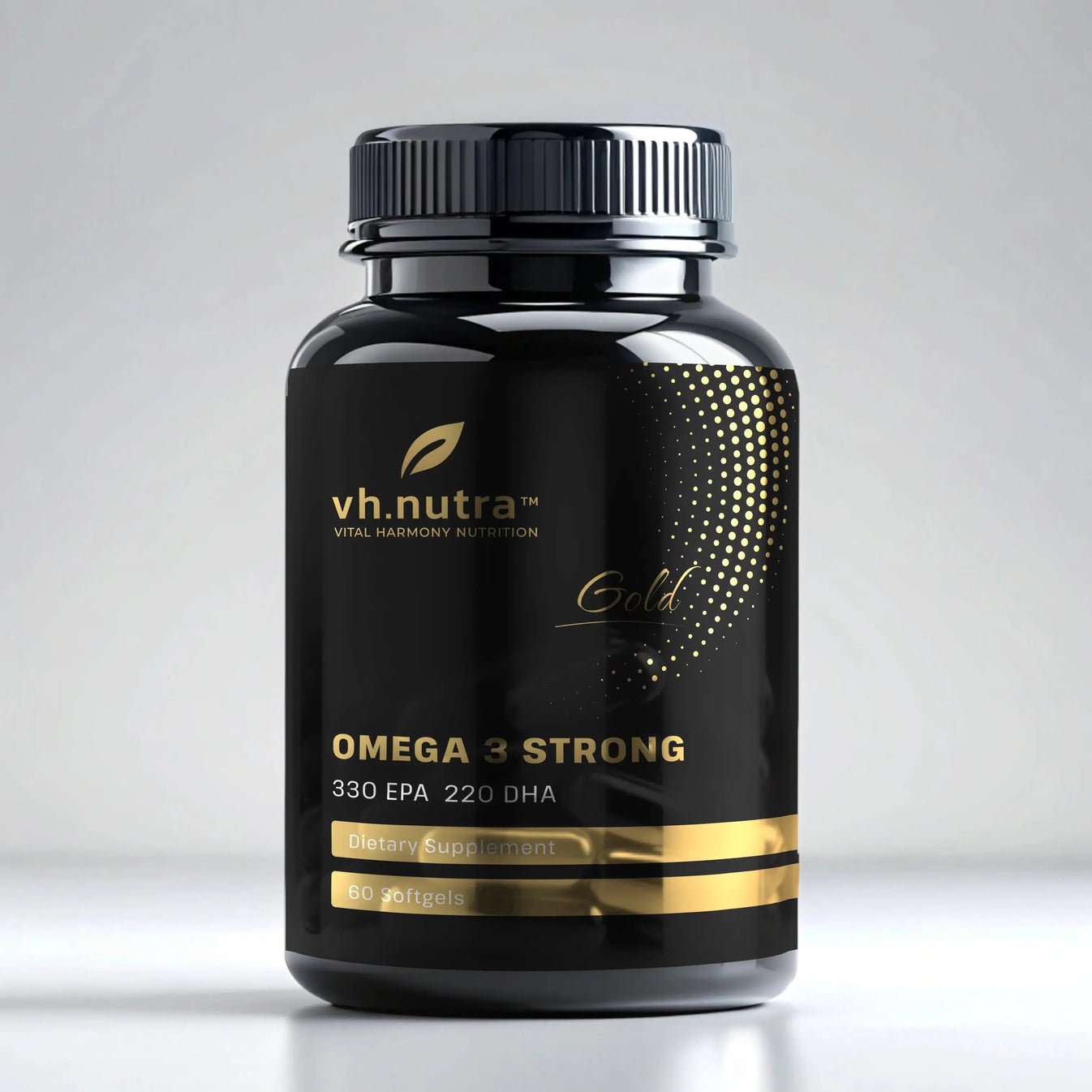
Recommended Products
Disclaimer: This information is for educational purposes only. Before you start taking supplements, talk to your doctor or pharmacist.