
Fiber is one of the most important yet often overlooked components of nutrition. Although it provides no calories and is not digested, its impact on the body is enormous — from improving digestion to preventing heart disease. Unfortunately, most people consume only about 15 grams of fiber per day, even though at least 25-35 grams are recommended.
Key Takeaways
- Fiber — only 5-10 % of people meet the recommended daily intake of 25-35 g, even though its benefits for digestion, weight control, and heart health are scientifically proven.
- Soluble and insoluble fiber — both types perform different yet equally important functions: soluble fiber feeds beneficial bacteria, while insoluble fiber cleanses the intestines.
- Supplements can help — if you cannot get enough fiber from food, high-quality supplements (e.g., psyllium husk) can fill the gap with minimal effort.
Table of Contents
What Is Fiber?
Fiber, also known as dietary fiber or roughage, is a type of plant-based carbohydrate that the human body cannot digest. Unlike other carbohydrates, fiber passes through the digestive system almost unchanged, yet its journey is far from pointless — it performs vital functions at every stage.
There are two main types of fiber. Soluble fiber — found in oats, legumes, apples, and citrus fruits — dissolves in water and forms a gel that slows digestion and helps control cholesterol levels. Insoluble fiber — found in whole-grain products, nuts, seeds, and vegetable skins — acts like a natural “broom,” increasing stool bulk and speeding up peristalsis. Both types are equally important, so a balanced diet should include both kinds of fiber.
Modern eating habits, dominated by processed foods, have significantly reduced fiber intake. It is important to understand that even with a healthy diet, getting enough fiber can be difficult, especially if your daily diet is high in protein and low in vegetables. This is precisely why fiber supplements are becoming an increasingly popular solution.
1. Improves Digestion
The main and most well-known benefit of fiber is improved digestive system function. Insoluble fiber increases stool bulk and softens it, making bowel movements more regular. This is especially important for people suffering from constipation — adequate fiber intake can be just as effective as some laxatives.
Soluble fiber, in turn, slows the movement of food through the digestive tract, allowing nutrients to be absorbed more efficiently. These fibers also help prevent diarrhea by absorbing excess water in the intestines. A healthy digestive system is not just a matter of comfort — it is the foundation of overall health.
For example, XXL Nutrition Psyllium Husk Fiber is an excellent source of soluble fiber — a single serving provides a significant portion of the daily requirement and supports regular bowel movements. These fibers are especially valued for being gentle on the stomach and for their ability to form a protective gel.
2. Helps Control Weight
Fiber is one of the most effective natural tools for weight control. When fiber enters the stomach, it absorbs water and expands, creating a feeling of fullness. This naturally reduces calorie intake — without any willpower. Studies show that people who consume at least 30 g of fiber daily weigh on average 3-5 kg less than those who do not get enough.
Moreover, fiber-rich foods require more chewing, which slows down the eating process and gives the brain time to receive the satiety signal. Slower digestion also means more stable blood sugar levels, which reduces cravings for sweets and snacks between meals. This creates a positive cycle — the more fiber you consume, the easier it is to maintain a healthy diet.
3. Contributes to Normal Cholesterol Levels
Cardiovascular disease remains one of the leading causes of death, and fiber can make a significant contribution to its prevention. In the small intestine, soluble fiber binds to bile acids and cholesterol and removes them from the body. In order to produce more bile, the liver uses cholesterol from the blood, which lowers its levels.
Scientific studies confirm that every additional 7 grams of fiber per day can reduce the risk of cardiovascular disease by 9 %. According to the American Heart Association, a fiber-rich diet is one of the recommended measures for cholesterol control. It is a simple and natural way to take care of your heart without medication.
4. Stabilizes Blood Sugar Levels
Fluctuations in blood sugar levels cause waves of fatigue, irritability, and cravings for carbohydrates. Fiber helps prevent this — it slows down the digestion of carbohydrates and the release of glucose into the bloodstream, so blood sugar rises steadily rather than in spikes. This is especially beneficial for people with insulin resistance or type 2 diabetes.
Long-term studies show that adequate fiber intake can reduce the risk of developing type 2 diabetes by 20-30 %. In addition, more stable blood sugar levels mean less post-meal fatigue and better concentration throughout the day. This is one of the reasons why fiber supplements are recommended not only for athletes but also for office workers.
5. Feeds Gut Bacteria
The gut microbiome — trillions of bacteria living in our intestines — plays a crucial role in immunity, mood, weight control, and even brain function. Fiber is the main food for these beneficial bacteria. When bacteria ferment fiber, they produce short-chain fatty acids (e.g., butyrate), which nourish the cells of the intestinal wall and reduce inflammation.
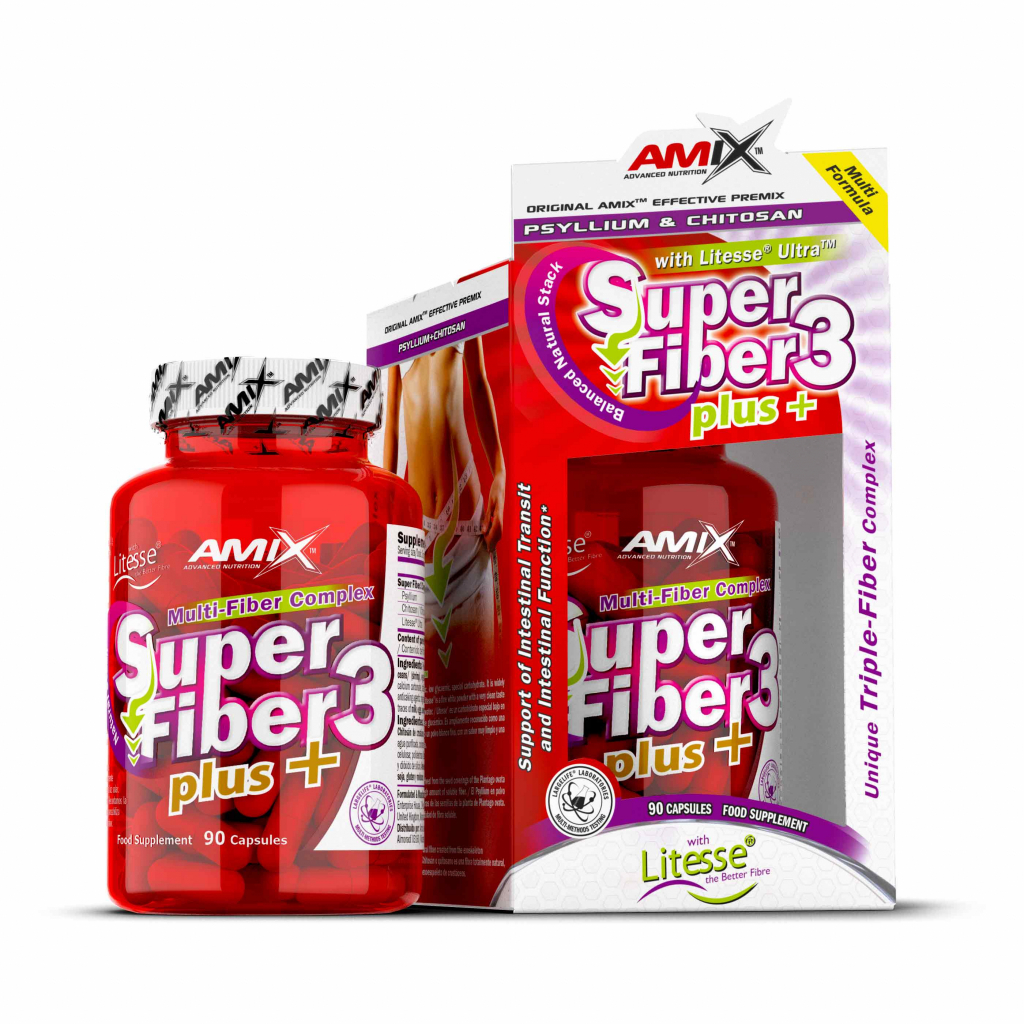
These short-chain fatty acids also enter the bloodstream and affect the entire body — they improve insulin sensitivity, reduce systemic inflammation, and can even cross the blood-brain barrier, influencing brain function. Amix Super Fiber3 Plus is a specially formulated blend that combines several different forms of fiber to maximally nourish various types of gut bacteria.
6. Reduces the Risk of Colorectal Cancer
Colorectal cancer is the third most common cancer worldwide. Fiber plays a protective role through several mechanisms. First, faster bowel movements reduce the time potentially carcinogenic substances spend in contact with the intestinal wall. Second, short-chain fatty acids, especially butyrate, have anti-inflammatory and anti-cancer effects on colorectal cells.
A meta-analysis by the World Cancer Research Fund showed that every additional 10 grams of fiber per day reduces the risk of colorectal cancer by 10 %. These figures are significant and show that fiber consumption is one of the simplest prevention measures available to everyone.
7. Supports Detoxification
The liver is the body’s main detoxification organ, but fiber plays an equally important role. It acts as a natural adsorbent — binding toxins, heavy metals, and hormone metabolites in the intestines and helping to eliminate them with stool. This is especially important in the modern world, where we are exposed to greater amounts of toxins daily than ever before.
In addition, fiber helps regulate estrogen metabolism. Excess estrogen levels can be associated with mood swings, weight gain, and certain types of cancer. Fiber helps eliminate excess estrogen through the intestines, thereby contributing to hormonal balance.
For people who exercise, detoxification is even more important — intense workouts increase oxidative stress, and fiber helps remove metabolic byproducts faster. A high-quality fiber supplement before bedtime can help the body cleanse itself more effectively overnight.
How to Take Fiber?
Recommended dose: Adults are recommended to take 25-35 grams of fiber per day. When starting supplements, it is better to begin with 5-10 g per day and gradually increase the dose over 1-2 weeks so your digestive system can adapt.
When to take: Fiber supplements are best taken before or during a meal. This way they provide maximum satiety and help reduce calorie intake. Some people choose to take fiber before bedtime — this helps maintain stable blood sugar overnight and provides “food” for gut bacteria during rest.
Duration of use: Fiber can be taken continuously, without breaks. It is not a supplement that should be taken in cycles — on the contrary, fiber is needed daily, just like vitamins. If you are taking medication, it is important to keep at least a 2-hour gap between your medications and fiber, as the latter can reduce the absorption of some drugs.
Maximum safe dose: Although no official upper limit has been established, more than 50-60 g of fiber per day can cause discomfort — bloating, cramps, gas. It is especially important to drink enough water — for every gram of fiber, you should drink at least 30 ml of extra water.
StayStrong offers XXL Nutrition Psyllium Husk Fiber — a high-quality source of soluble fiber that mixes easily with water and has a neutral taste. There are also Amix Super Fiber3 Plus capsules — a convenient option for those who do not like drinking fiber solutions.
Possible Side Effects
Fiber is generally well tolerated, especially when the dose is increased gradually. The most common side effects include bloating, gas, and mild abdominal cramps — these symptoms occur when gut bacteria begin fermenting the increased amount of fiber more actively. They usually subside within 1-2 weeks as the body adapts.
More serious side effects are possible only when taking very large doses without adequate water intake — this can cause intestinal obstruction. However, this is an extremely rare case. People with Crohn’s disease or ulcerative colitis are advised to consult their doctor before starting fiber supplements.
Fiber and Metabolism — What You Need to Know?
Fiber has an indirect yet significant effect on metabolism. By supporting a healthy gut microbiome, it contributes to more efficient nutrient absorption. Moreover, the short-chain fatty acids produced during fiber fermentation can increase fat oxidation and reduce fat accumulation in the body.
Studies show that people who consume more fiber have a faster basal metabolic rate. This may be related to better thyroid function and lower systemic inflammation. Although fiber itself does not burn calories, it creates a favorable physiological environment for more efficient metabolism. If you are interested in broader metabolic support, we recommend reading our review of berberine benefits.
Frequently Asked Questions
How does fiber help athletes?
For athletes, fiber helps maintain healthy digestion, which is often disrupted by high protein intake. A protein-rich diet can cause constipation, and adequate fiber intake solves this problem. Additionally, fiber improves nutrient absorption, which is especially important for athletes whose bodies need more vitamins and minerals.
What are the best natural sources of fiber?
The best natural sources of fiber are oats, legumes (lentils, beans, chickpeas), whole-grain products, nuts, seeds (flax, chia), vegetables (broccoli, carrots), and fruits (apples, pears, raspberries). Raspberries are especially rich — one cup contains about 8 grams of fiber. However, if you cannot get enough from food, psyllium husk supplements are an excellent alternative.
Is fiber suitable for children?
Yes, fiber is important for children too, just in smaller doses. Children aged 3 to 18 are recommended to consume 15 to 30 g per day, depending on age. However, children should first try to get fiber from natural sources — fruits, vegetables, and whole-grain products. Supplements are recommended only after consulting a pediatrician.
Disclaimer: This information is intended for educational purposes only and cannot replace professional medical advice. Before starting any dietary supplements, you must consult your doctor or pharmacist.