
Contents
At a glance:
- Beta-carotene is a natural orange pigment that the body converts into vitamin A.
- It supports skin health, contributes to vision and strengthens the immune system.
- The richest sources are carrots, sweet potatoes, pumpkin and spinach.
- Beta-carotene from food is safe, while an excess may give the skin a yellowish tone.
Beta-carotene is one of the best-known carotenoids, a natural plant pigment that gives carrots, pumpkin and apricots their bright orange colour. In the human body it plays a dual role: it acts as an antioxidant and as provitamin A, from which vitamin A is produced as needed. In this article we will look at what beta-carotene is, what benefits it offers for the skin, eyes and immunity, where to find it in food and how to take it safely.
Key takeaways
- Beta-carotene is provitamin A – the body converts it into vitamin A only as much as it needs at the time.
- It helps maintain healthy skin, normal vision and immune system function.
- It is best absorbed with fats, so it is worth eating with oil or nuts.
What is beta-carotene?
Beta-carotene is a red-orange plant pigment belonging to the carotenoid group. In nature it is found in many fruits and vegetables and is responsible for their bright colour: the deeper the orange or yellow shade, the more beta-carotene the plant usually contains.
Chemically, beta-carotene is a terpene made up of two linked halves of the retinol (vitamin A) molecule. It is precisely because of this structure that the human body can break it down and convert it into active vitamin A.
In scientific literature this compound is also written with the Greek letter – β-carotene. Regardless of the spelling, it is the same substance, which in this article we simply call beta-carotene.
There are other forms of carotene in nature, for example alpha-carotene, but beta-carotene is the most widespread and the most efficiently converted into vitamin A. From a single beta-carotene molecule the body can produce two vitamin A molecules, which is why it is considered the main provitamin A in plant foods.
Beta-carotene and vitamin A
Beta-carotene is called provitamin A because it is a precursor of vitamin A. Once in the body, it is converted in the intestines and liver into active vitamin A (retinol) – as much as the body needs at that time.
This is an important difference from ready-made vitamin A obtained from animal products. A large amount of consumed retinol can accumulate in the liver and cause toxic effects, whereas an excess of beta-carotene from food does not harm in this way – the body simply converts less than it received.
Because of this property, beta-carotene is a safe source of vitamin A, especially for those who want the benefits of this vitamin without the risk of overdose. A more detailed overview of vitamin A and carotenoids can be found on the US National Institutes of Health website.
Beta-carotene benefits for skin
The skin is one of the places where the effect of beta-carotene is noticed most quickly. The vitamin A it is converted into takes part in skin cell renewal and helps maintain its elasticity and healthy appearance.
Beta-carotene also acts as an antioxidant and helps protect the skin from the oxidative damage caused by ultraviolet rays. Scientific research shows that regular intake of carotenoids can contribute to the skin’s natural protection from the sun, although it in no way replaces an SPF sunscreen.
Interestingly, beta-carotene can also give the skin a healthy, glowing tone. Studies have observed that people who eat plenty of carotenoid-rich vegetables often have a more yellowish, more attractive skin tone – many perceive this change as a sign of health.
To notice a change in skin tone, a carotenoid-rich diet needs to be followed for several weeks or months – the effect develops gradually. Moreover, this effect is gentle and natural, not artificial, as with tanning products.
Beta-carotene benefits for eyes
Vitamin A is essential for maintaining normal vision – it takes part in the production of the light-sensitive pigment rhodopsin in the retina, which helps the eyes adapt to low light.
Beta-carotene, as provitamin A, contributes to replenishing this vitamin’s reserves. In addition, together with other carotenoids such as lutein and zeaxanthin, it acts as an antioxidant and can help protect the eyes from oxidative stress.
It is worth noting that for macular health, scientists more often single out lutein and zeaxanthin, so the benefit of beta-carotene for the eyes should be considered part of the overall vitamin A balance, rather than the only means of eye protection.
In other words, beta-carotene helps maintain general eye health through vitamin A, but for the macula specifically it is more appropriate to choose supplements containing lutein and zeaxanthin.
Beta-carotene benefits for immunity
Vitamin A plays an important role in the immune system – it helps maintain the mucosal barrier, which is the first line of defence against microorganisms, and takes part in the differentiation of immune cells.
Since beta-carotene is a safe source of vitamin A, sufficient intake helps the body maintain the required reserves of this vitamin and thus contribute to the normal functioning of the immune system.
In research, carotenoids are also linked to better activity of immune cells, such as natural killer cells. This does not mean that beta-carotene protects against all diseases, but an adequate amount is one of the conditions for maintaining a healthy immune system, along with vitamin C, zinc and vitamin D.
Beta-carotene as an antioxidant
Antioxidants neutralise free radicals – unstable molecules that can damage cell membranes, proteins and DNA. Over time, oxidative stress is linked to premature ageing and various chronic diseases.
Beta-carotene is one of the carotenoids capable of neutralising such damage, especially in the skin and mucous membranes. However, it is important to stress that large doses of individual antioxidants in supplement form do not always bring the expected benefit – the best results are achieved when beta-carotene is obtained from a varied diet together with other plant compounds.
Another important point is that beta-carotene works in the body together with other antioxidants, such as vitamin C and vitamin E. These compounds complement and regenerate each other, so they protect best when obtained together from various sources rather than separately in large doses.
Where to find beta-carotene: food sources
Beta-carotene is abundant in brightly orange, yellow and dark green vegetables and fruits. Dark green leaves contain quite a lot of carotene, but their green colour is determined by chlorophyll, which masks the orange pigment.
- Carrots, especially when cooked, are among the richest sources.
- Sweet potatoes and pumpkin – a large amount in a single serving.
- Spinach and cabbage – dark green but rich in carotene.
- Apricots, mangoes and melons – fruits that also contain plenty.
Since beta-carotene is a fat-soluble compound, it is best absorbed when eaten with a little fat – for example, season carrots with olive oil or eat them with nuts.
Who may be deficient in beta-carotene?
A serious beta-carotene deficiency is rare in developed countries because colourful vegetables are usually eaten in sufficient amounts. However, lower than recommended carotenoid intake is more common in those who eat few vegetables and fruits or follow very restrictive diets.
Signs of vitamin A deficiency can include dry eyes, night blindness, dry and flaky skin and more frequent infections. If you notice such symptoms, it is worth reviewing your diet and, if necessary, consulting a doctor about tests and supplements.
How to take beta-carotene?
The best way to get beta-carotene is a balanced diet with a variety of colourful vegetables. Supplements are usually unnecessary if the diet contains enough carrots, pumpkin and leafy vegetables.
If you decide to take a supplement, follow the dose indicated by the manufacturer – it usually ranges from 5 to 15 mg per day. Beta-carotene capsules are best taken with a meal, together with fat-containing food, because absorption is better that way.
How long to take it depends on the goal, but a course longer than a few months is usually unnecessary – reserves are replenished and maintained fairly easily. There is no clearly established maximum dose of beta-carotene, but research shows that high doses (20 mg or more per day) over a long period are not advisable for smokers.
A supplement may be useful for those who, due to dietary habits, get few vegetables, but most people need only two to three servings of brightly coloured vegetables per day. The most important thing is regularity rather than single large doses, because beta-carotene accumulates in the body gradually.
Side effects and precautions
Beta-carotene is considered safe when obtained from food. The most common visible effect of consuming large amounts is carotenemia, that is, a harmless yellowing of the skin that disappears when intake is reduced.
A major caution concerns smokers. Some studies have observed that long-term use of high doses of beta-carotene supplements was associated with a higher risk of lung cancer in smokers. For this reason, smokers are advised to avoid high-dose supplements and obtain beta-carotene from food.
Pregnant and breastfeeding women, as well as those with chronic conditions, should consult a doctor before starting beta-carotene supplements.
Beta-carotene interactions with medications
Beta-carotene may interact with certain medications. For example, together with statins or other cholesterol-lowering drugs, its absorption may decrease. It is also worth knowing that taking high doses together with medications containing vitamin A may increase the total amount of this vitamin in the body.
If you take medications regularly or are preparing for surgery, consult your doctor or pharmacist before adding a beta-carotene supplement to your daily routine. This will help avoid unwanted interactions.
Frequently asked questions
Does beta-carotene help with tanning?
Beta-carotene can give the skin a soft golden tone, but it does not act as a tanning agent and does not protect against sunburn. To protect the skin, always use a protective SPF sunscreen.
How does beta-carotene differ from vitamin A?
Beta-carotene is provitamin A, that is, a substance from which the body produces vitamin A on its own, as much as it needs. Vitamin A itself (retinol) is already the active form, whose excess can accumulate in the liver.
Is beta-carotene safe for everyone?
Beta-carotene obtained from food is safe for almost everyone. Smokers should be cautious with high supplement doses, because a risk was observed in this group.
Is it better to get beta-carotene from food or supplements?
For most people, beta-carotene from food is enough, because it comes together with other beneficial compounds and fibre. Supplements may be useful for those who eat few vegetables, but there is no need to take high doses without reason.
Recommended products
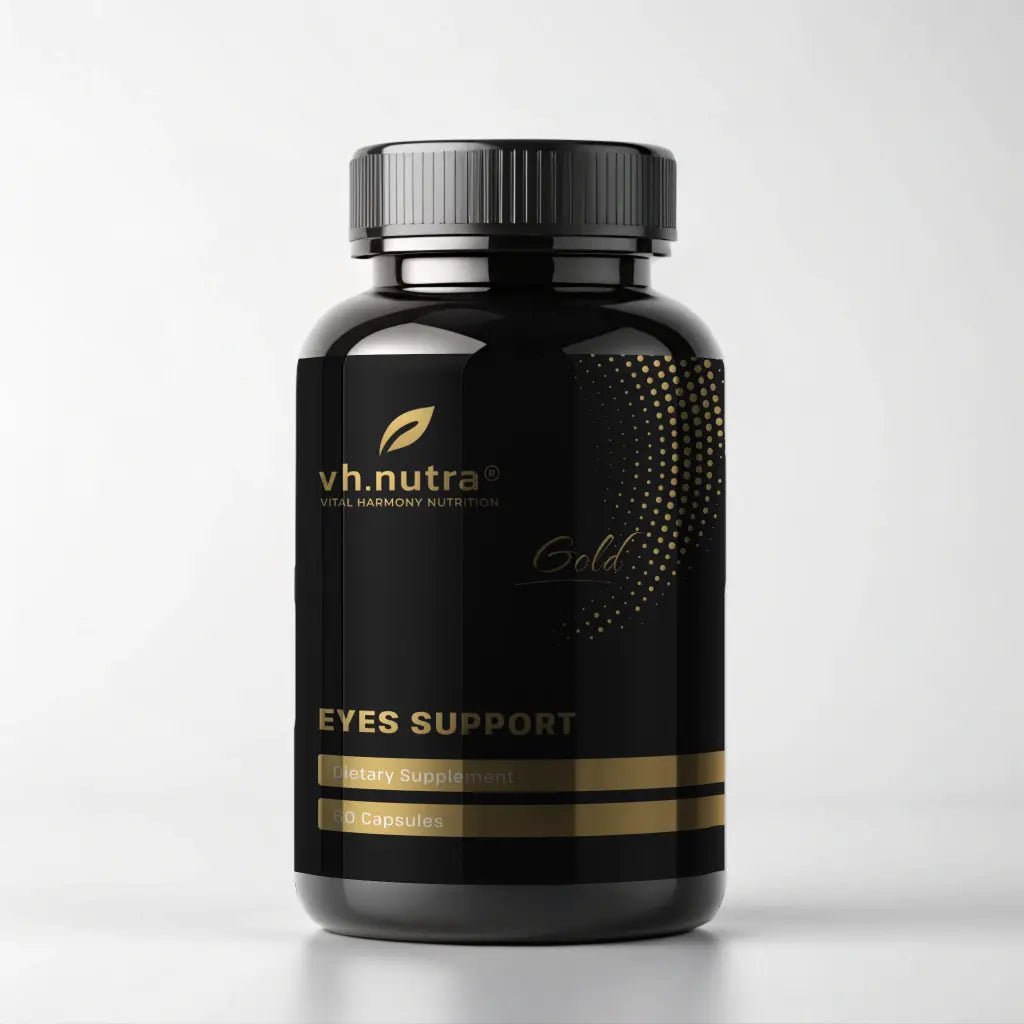
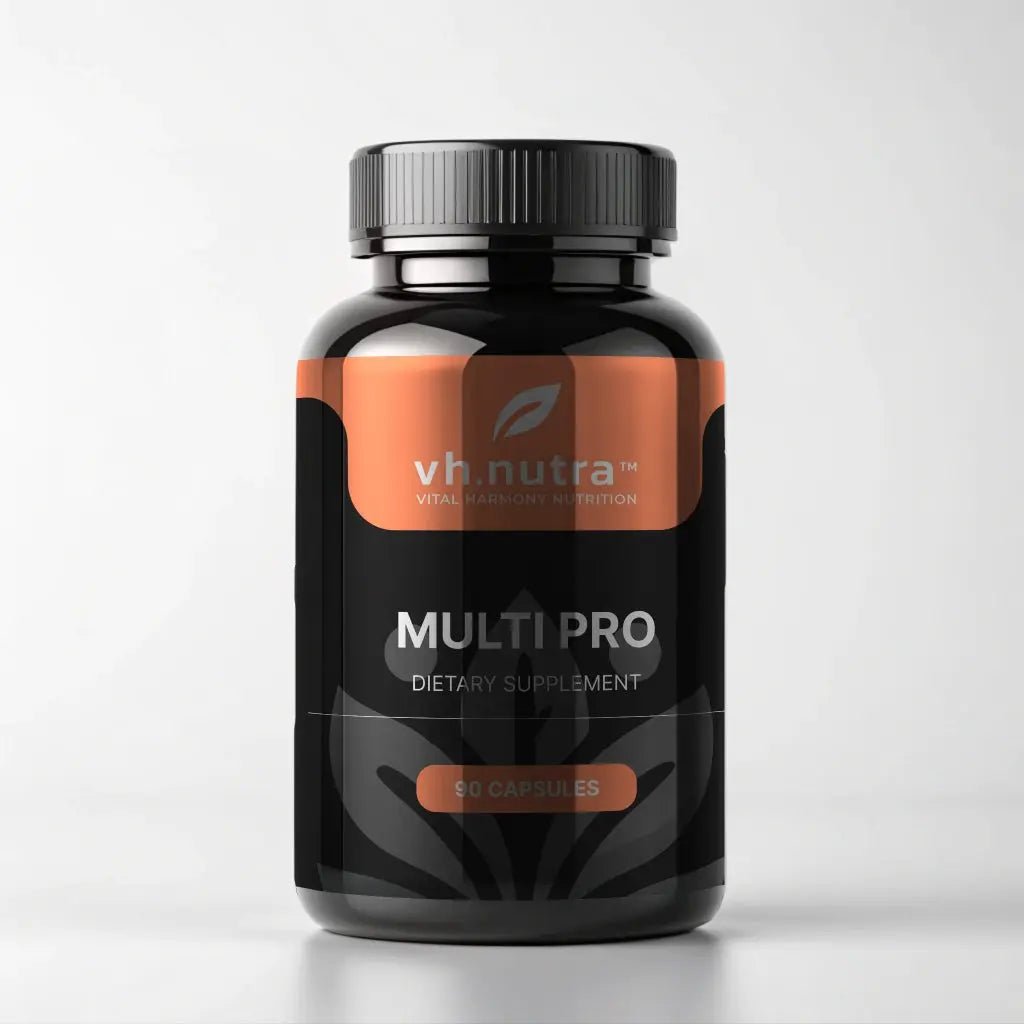
For eye health, general immunity and antioxidant protection, you can choose complex products that combine several carotenoids and vitamins:
Disclaimer: This information is for educational purposes only. Before taking supplements, consult your doctor or pharmacist.