Contents
At a glance:
- Hawthorn is a traditional plant whose berries, flowers and leaves have been used for centuries to support heart function.
- Its active compounds — flavonoids and oligomeric proanthocyanidins — help strengthen the heart muscle and improve circulation.
- Hawthorn is most often studied for its effect on blood pressure and mild heart failure symptoms.
- The most important rule: before combining hawthorn with heart medication, consult your doctor.
Hawthorn is a shrub from the rose family whose red berries and white flowers were already considered a heart plant in the Middle Ages. Today, hawthorn extracts are among the most popular herbal preparations for supporting heart and cardiovascular health. In this article we will look at what hawthorn is actually good for, what the research says and how to take it safely.
Key takeaways
- Hawthorn — a traditional herbal heart aid, most often used for mild heart failure and blood pressure.
- The active compounds — flavonoids and proanthocyanidins — have antioxidant and blood-vessel-relaxing effects.
- The effect appears gradually, often over several weeks, so hawthorn is not an emergency remedy for acute symptoms.
- Hawthorn must not be combined with heart medication without medical supervision.
What is hawthorn?
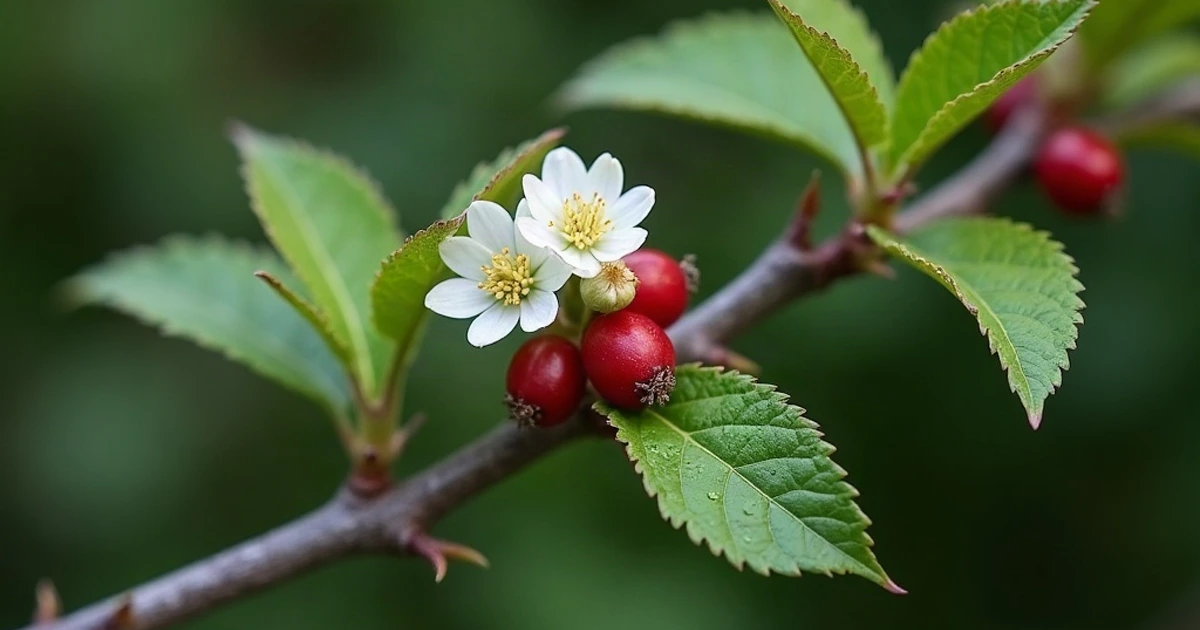
Hawthorn (Latin Crataegus) is a thorny shrub or small tree belonging to the rose family. The common hawthorn and the woodland hawthorn are the most widespread species. For medicinal purposes, the berries, flowers and leaves of hawthorn are used — they are most often made into extracts, tinctures, teas and food supplements.
This plant grows almost throughout Europe, North Africa and Western Asia. In traditional medicine it has been known since the times of ancient Rome, and it became especially popular in the 19th century, when European physicians began to use it widely for heart complaints. Today, its preparations are made mostly from leaves and flowers, because these parts contain the highest amount of active substances.
Active compounds and how they work
The plant contains many biologically active compounds, of which two are the most important: flavonoids (hyperoside, vitexin, quercetin derivatives) and oligomeric proanthocyanidins. It is these that determine the main effect on the heart and blood vessels.
The mechanism of action is multifaceted. First, these compounds stimulate the production of nitric oxide in the blood vessel walls, so the vessels relax and widen. Second, they act as antioxidants, protecting the heart muscle cells from oxidative damage. Third, some studies suggest they may mildly strengthen the heart muscle’s contractile force, although this effect is weaker than that of synthetic drugs.
It is worth noting that the strength of the effect depends on how many active compounds a particular preparation contains. That is why quality supplements are usually standardized — the label states the exact amount of flavonoids or proanthocyanidins. The extraction method also matters: these compounds dissolve differently in water and alcohol, so products from different manufacturers can differ even when made from the same raw material.
Hawthorn for the heart and blood vessels
Hawthorn is one of the most studied plants in the field of heart health. Traditionally it was used to relieve chest pain, irregular heartbeat and general heart weakness. Modern research partly confirms this experience: hawthorn extracts can help strengthen the heart muscle and improve its contraction force.
Thanks to its blood-vessel-dilating effect, the heart has less work to do, which improves overall circulation. This is especially relevant for people diagnosed with mild heart failure — a condition in which the heart can no longer pump blood efficiently. It is in this area that the effect of hawthorn has been studied best.
Hawthorn and blood pressure
One of the most common reasons people choose hawthorn is blood pressure. Several clinical studies have shown that regular intake of its extract can help maintain normal blood pressure, especially in people whose pressure is slightly elevated.
The effect on blood pressure is most likely linked to the same blood-vessel-relaxing mechanism. However, it is important to understand that hawthorn works gently and gradually — it is not a fast-acting blood-pressure-lowering drug. Achieving results usually requires several weeks of consistent use.
What the research says
The largest hawthorn study is the SPICE trial (2008), which involved more than 2,600 patients with heart failure. The results showed that hawthorn extract, taken alongside standard treatment, was safe and could slightly reduce the risk of heart-related death, although the effect was not large. Several earlier, smaller studies recorded improved physical capacity and reduced breathlessness.
In the area of blood pressure, the evidence is more modest, but some studies recorded an average reduction in blood pressure among participants taking hawthorn extract. It is worth emphasizing that most studies used standardized extracts with a known flavonoid concentration. You can find more about the research and traditional use in the MedlinePlus summary on hawthorn.
In summary — hawthorn has a real, albeit gentle, scientifically supported effect, but it is not a medicine and cannot replace treatment prescribed by a doctor.
Other benefits of hawthorn
Besides the effect on the heart, hawthorn is credited with other useful properties. Here are several areas in which it is studied or traditionally used:
- Antioxidant protection. The flavonoids help neutralize free radicals and may contribute to general cell protection.
- Reducing anxiety and tension. In traditional medicine, hawthorn is sometimes used as a calming remedy, although there are fewer studies in this area.
- Digestive support. In folk medicine, hawthorn berries were also used to improve digestion.
- Cholesterol metabolism. Some studies point to a possible positive effect of hawthorn on the lipid profile, but the evidence is not yet sufficient for final conclusions.
In these areas, the effect of hawthorn is less studied than in the case of heart health, so it is worth looking at it critically and not expecting quick results.
How to take hawthorn?
The dose of hawthorn depends on the chosen form and the concentration of the extract. Standardized extracts most often use 300 to 900 mg per day, divided into two or three doses. Some studies used up to 1800 mg per day, but such doses should only be chosen after consulting a specialist.
Hawthorn can be taken with food or on an empty stomach — it is generally well tolerated. It is best to take it consistently, at the same time every day, so it is easier to keep a routine. The most important thing is to stick to the dose stated by the manufacturer and not try to “speed up” the effect with a larger amount.
The effect of hawthorn builds up, so it is worth taking it consistently for at least 6–8 weeks to feel a result. There is no clearly defined maximum safe dose, but it is not recommended to exceed the amount stated by the manufacturer without a doctor’s advice.
For the best result, it is worth combining supplement use with healthy habits: a balanced diet, regular physical activity, sufficient sleep and stress management. No supplement can replace these fundamentals, but it can be a useful addition to them. If you take it for a long time, check in with yourself from time to time and, if needed, discuss the results with a specialist.
Many users notice that consistent, rather than short-term, use works best. You should not expect noticeable changes after the first few days — the heart and blood vessels need time to adapt. So once you start taking it, try to be patient and stick to your chosen dose rather than increasing it too early.
If you choose tea, steep the flowers or berries in boiling water and keep them covered for about 10–15 minutes. Such tea is usually drunk 2–3 times a day. Take liquid extracts and capsules according to the schedule on the package, after checking whether they are recommended to be taken with food.
Hawthorn forms: tea, drops, extract
Hawthorn is available in several forms on the market, and each has its own advantages:
- Tea. Made from dried flowers or berries. Convenient for daily use, but the amount of active substances may be less precise than in a standardized extract.
- Liquid extract or drops. Allows easy dose adjustment and is absorbed more quickly.
- Capsules or tablets with a standardized extract. Usually the most reliable choice, because the package states the exact amount of flavonoids or proanthocyanidins.
When choosing a hawthorn preparation, pay attention to standardization — the more clearly the amount of active substances is stated, the easier it is to assess the dose. If you take medication, consult a pharmacist before buying any form.
How to choose a quality supplement
When choosing a supplement of this plant, pay attention to a few things. First, look for a standardized extract — the label should state the exact amount of flavonoids or oligomeric proanthocyanidins. Second, check which part of the plant the product is made from: leaf and flower extracts usually have a higher concentration of active compounds than berry extracts. Third, buy only from reliable manufacturers and sellers who clearly state the composition and dosage.
It is also worth remembering that a food supplement is not a medicine — it can support health, but not treat diseases. If you have health complaints or take medication, consult a specialist before starting any supplement.
Side effects and precautions
Hawthorn is generally well tolerated, and side effects are rare. The most common are stomach discomfort, nausea, dizziness or headache. These symptoms are usually mild and pass after reducing the dose or stopping use.
Although this plant is considered quite safe, it is not suitable for everyone. Because of its effect on the heart, people with serious heart disease must consult a doctor before use. The same applies to pregnant and breastfeeding women — due to a lack of safety data, its use is not recommended for them.
Interactions with medications
Hawthorn can interact with some medications, so care is needed when combining it with treatment. The greatest attention should be given to these groups:
- Heart medications (digoxin, beta-blockers, calcium channel blockers) — hawthorn can strengthen their effect.
- Blood-pressure-lowering drugs — when taken together, blood pressure may drop too much.
- Blood-thinning drugs — a possible interaction, although the evidence in this area is more limited.
If you take any of these medications, be sure to consult a doctor or pharmacist before starting hawthorn. Do not change medication doses on your own.
Who should avoid hawthorn?
There are groups for whom the use of hawthorn is not recommended or requires special caution. These are pregnant and breastfeeding women, children, and people taking heart or blood-pressure medications without medical supervision.
Hawthorn is also not suitable for acute symptoms — if you feel severe chest pain, irregular heartbeat or breathlessness, seek medical help immediately rather than trying to treat yourself with herbs.
Frequently asked questions
Does hawthorn lower blood pressure?
Research shows that hawthorn extract can help maintain normal blood pressure, especially when it is slightly elevated. The effect is gentle and appears gradually, so hawthorn cannot replace prescribed blood-pressure medication.
How long do I need to take hawthorn to feel an effect?
Most studies lasted from 6 to 16 weeks. The effect of hawthorn builds up, so it is worth taking it consistently for at least 6–8 weeks before drawing conclusions about effectiveness.
Is hawthorn safe to take every day?
When recommended doses are followed, hawthorn is generally safe over a longer period. Still, if you take it continuously, it is advisable to inform your doctor and periodically monitor your health.
Which form of hawthorn should I choose?
If precision and convenience matter most, choose a standardized extract in capsules or tablets. Teas and drops suit those who want a gentler, traditional option, but the amount of active substances in them is harder to regulate.
Can it be combined with other heart supplements?
In most cases yes, but attention should be paid so that the effects do not overlap. For example, if you already take blood-pressure-lowering preparations or heart medication, combine any new supplement only after consulting a doctor. When the specialist knows the full list of remedies you take, it is easier to avoid unwanted interactions.
Recommended products
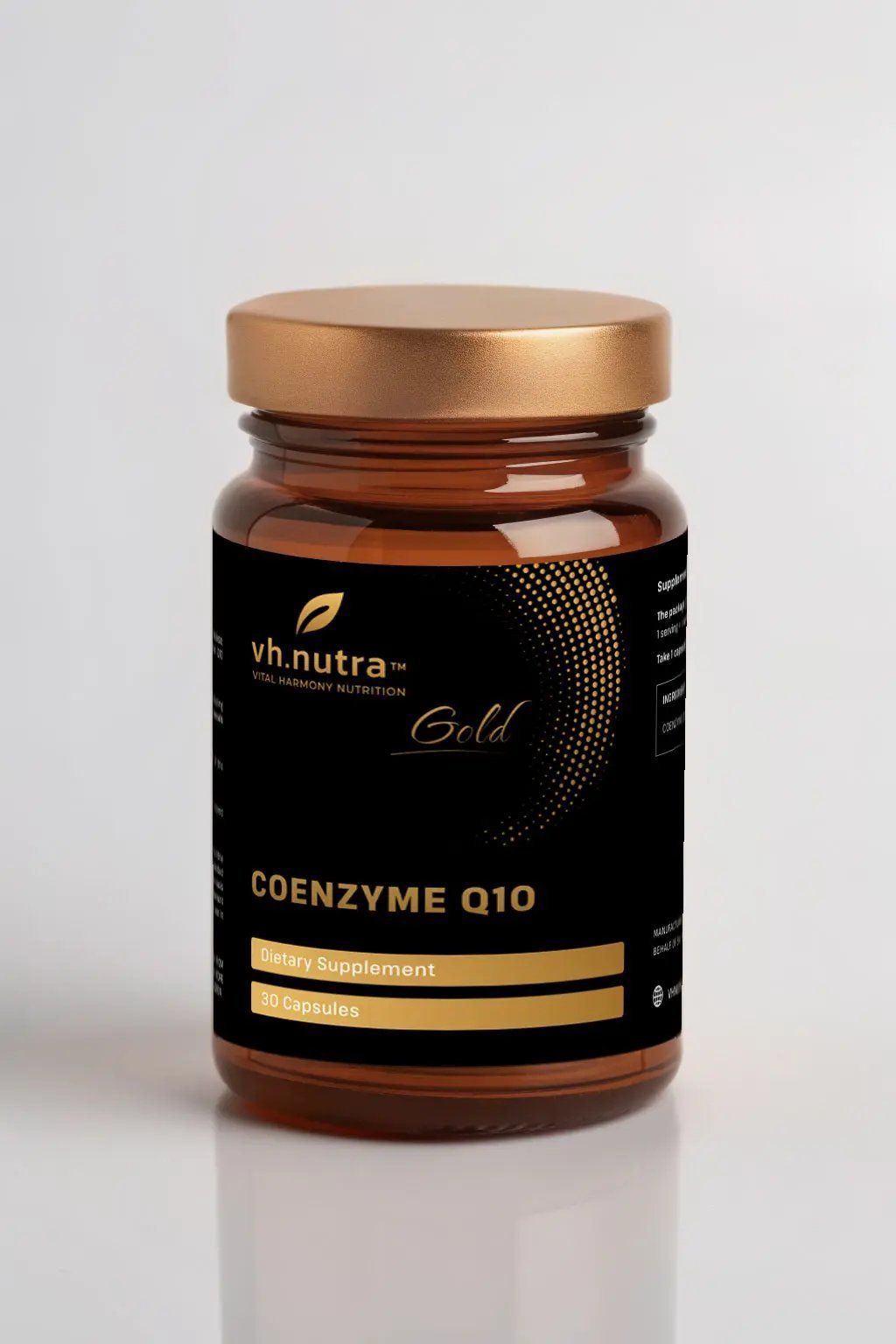
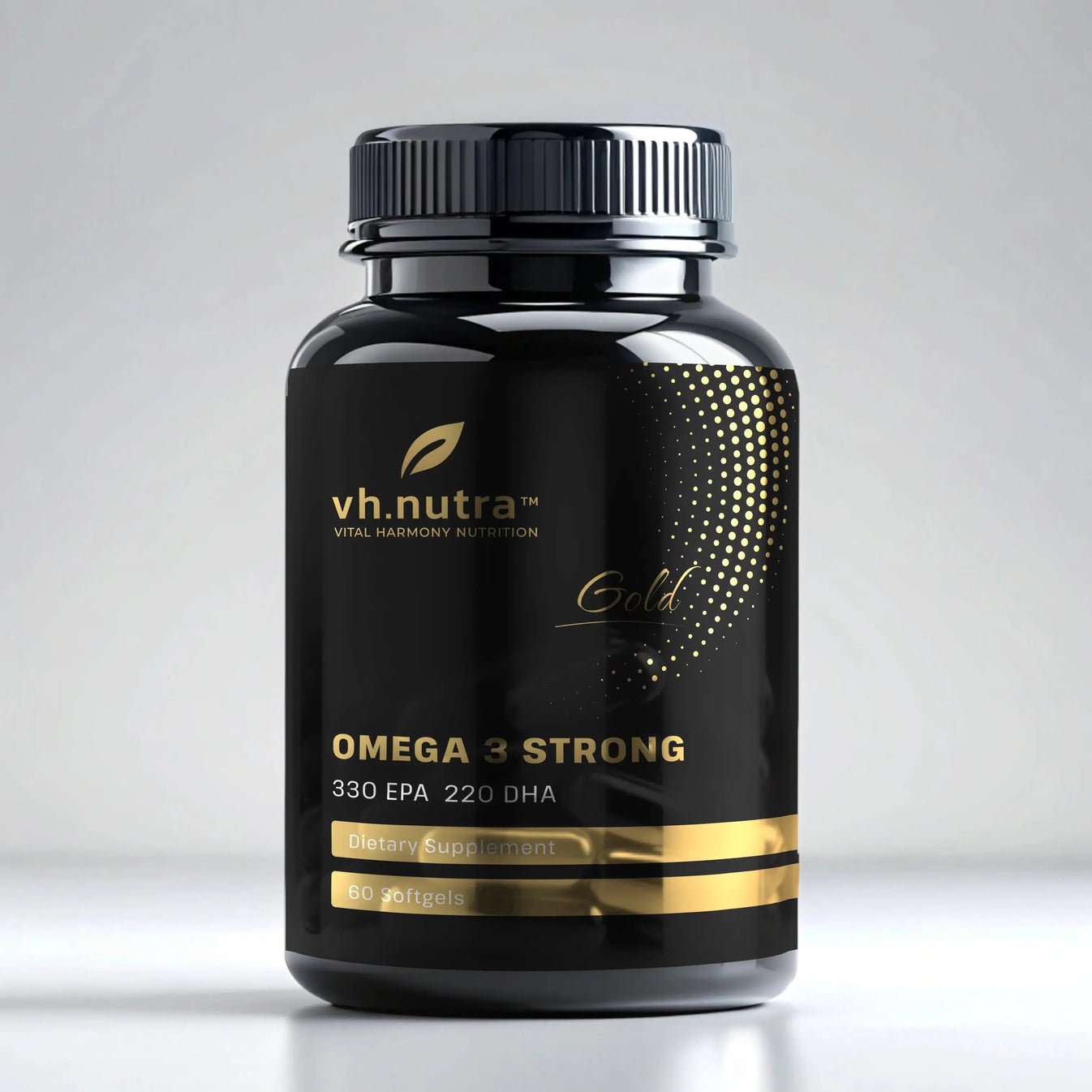
Hawthorn goes well with other substances important for the heart. Here are two products that can complement your heart-health routine:
Disclaimer: This information is for educational purposes only. Before starting any supplement, consult a doctor or pharmacist.