Potassium is a vital mineral and electrolyte that your body needs every single day. It helps regulate blood pressure, support muscle function, transmit nerve signals and maintain proper fluid balance. If you work out, sweat a lot, or eat few vegetables, you may run low on potassium. In this article you will learn what benefits potassium offers, how to take it and which foods contain the most of it.
Key Takeaways
- Potassium – the main electrolyte that regulates blood pressure, heart rhythm and muscle function.
- Potassium deficiency often shows up as muscle cramps, weakness and fatigue.
- Recommended intake for adults – about 3500 mg of potassium per day, mostly from food.
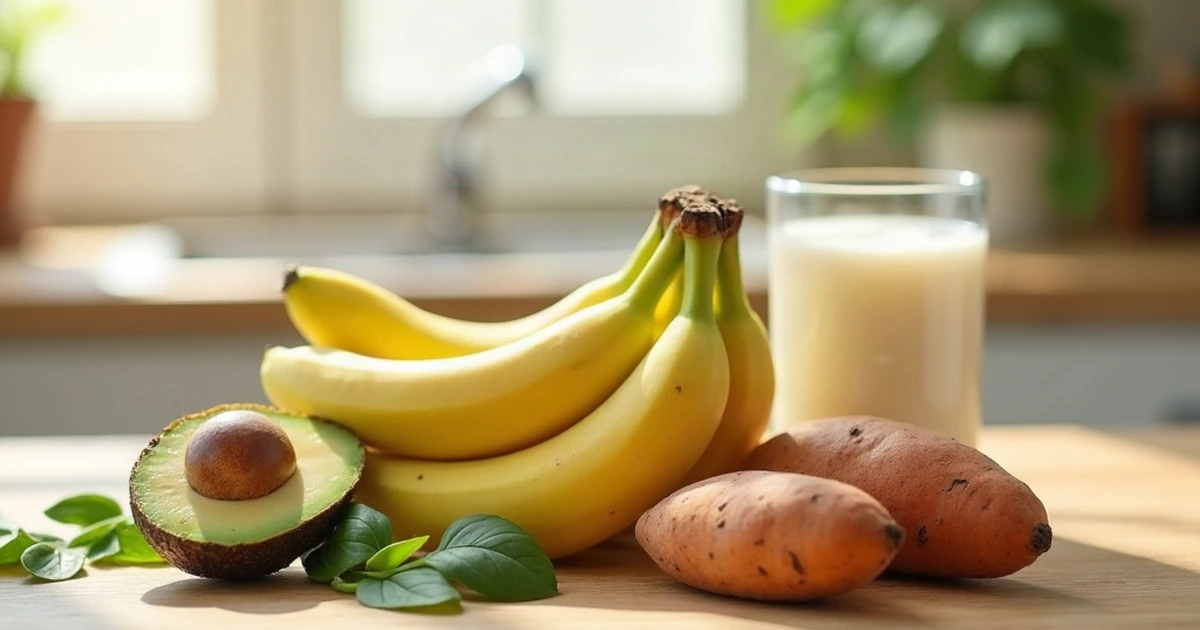
- Best sources – bananas, avocados, sweet potatoes, spinach and legumes.
Contents
What Is Potassium and Why Is It Important?
Potassium is the third most abundant mineral in the human body and one of the most important electrolytes. Electrolytes are minerals that, when dissolved in body fluids, gain an electric charge and allow cells to transmit signals. About 98% of all potassium is inside cells, and most of it is stored in the muscles.
In the body, potassium works together with sodium: these two minerals maintain the electric potential of the cell membrane and regulate how much water and nutrients enter and leave the cell. This balance is the foundation of normal nerve, muscle and heart function, so even a small potassium imbalance can be felt in everyday well-being.
The importance of potassium is confirmed by scientific sources – the National Institutes of Health (NIH) potassium overview states that adequate potassium intake is linked to lower blood pressure, a lower risk of kidney stones and stronger bones.
The body constantly maintains potassium balance: the kidneys filter the blood and remove excess potassium through urine, while hormones help keep its concentration at the right level. That is why potassium deficiency is rare in healthy people, but it can occur due to a poor diet, heavy sweating or certain medications.
1. Potassium Helps Regulate Blood Pressure
Potassium is one of the most effective natural ways to maintain healthy blood pressure. It helps the kidneys excrete excess sodium through urine, and high sodium is one of the main causes of elevated blood pressure. The more potassium you get, the easier it is for the body to get rid of excess sodium.
In addition, potassium relaxes the walls of blood vessels, so blood flows more easily and the pressure on blood vessels drops. Research shows that people whose diet is higher in potassium have a noticeably lower risk of hypertension, while potassium deficiency is often linked to elevated blood pressure.
The World Health Organization recommends that adults consume at least 3510 mg of potassium per day – this amount helps lower blood pressure and, at the same time, the risk of heart and vascular diseases.
Not only the amount of potassium matters, but also its ratio to sodium. In the modern diet there is often too much sodium and too little potassium, so restoring this ratio can be one of the simplest steps towards better heart health.
2. Supports Muscle Function and Protects Against Cramps
Muscle contraction is impossible without potassium. When a nerve signal reaches a muscle, potassium together with sodium creates an electric impulse that makes the muscle fibres contract and then relax. This process happens constantly – from the smallest movements to an intense workout.
If potassium in the body is too low, the contraction and relaxation cycle is disrupted – muscle weakness, spasms and cramps appear, especially at night or after physical exertion. People who exercise lose a lot of potassium through sweat, so it is especially important for them to replenish this mineral.
For cramp prevention, potassium works best together with magnesium – these two minerals are the main pair for muscle relaxation and electrolyte balance, which is why they are often recommended together for athletes.
Potassium also helps muscles store glycogen – the energy reserves the body uses during physical exertion. An adequate potassium level allows muscles to work longer and recover faster after a workout.
3. Ensures Nerve Signal Transmission
The nervous system works on electric impulses, and potassium is essential for creating these impulses. The sodium-potassium pump constantly changes the concentration of sodium and potassium inside and outside the cell, creating the difference in electric potential that allows nerves to transmit signals.
When a nerve cell fires an impulse, potassium flows out of the cell and helps restore the initial state after the signal has been transmitted. Without an adequate potassium level, nerve signals become slower and less reliable, which can show up as tingling, numbness or general weakness.
This mechanism explains why a sudden change in potassium levels can be felt throughout the body: from tingling in the hands to muscle twitching. Fortunately, a balanced diet usually ensures that potassium concentration stays stable and the nervous system works smoothly.
4. Maintains Fluid and Electrolyte Balance
Potassium helps maintain the right distribution of water between the inside and outside of cells. Since most potassium is inside cells and most sodium is outside, the ratio of these two minerals determines how much water stays in the cells and how much remains in the blood.
For this reason, potassium is an inseparable part of electrolytes: together with sodium, magnesium and calcium, it maintains hydration and prevents the body from becoming dehydrated in hot weather or during intense exercise.
When you sweat, you lose not only water but also potassium. That is why after heavy sweating it is not enough to drink only water – it is important to restore electrolyte balance so the body can keep water where it is needed.
During dehydration, you lose not only water but also potassium along with other electrolytes. Drinking only water without restoring electrolytes can even make the situation worse, because it dilutes the remaining minerals in the blood even further.
5. Protects Heart Rhythm
The heart is a muscle for which potassium is especially important. Potassium is involved in creating the electric impulses that regulate the heartbeat, so fluctuations in its level can directly affect heart rhythm.
Too little potassium (hypokalemia) can cause heart rhythm disorders, and in severe cases even more dangerous conditions. On the other hand, too much potassium (hyperkalemia) is also dangerous for the heart, so balance is important.
In healthy people, a balanced diet usually ensures a safe potassium level. For heart health, consistency matters most – regularly eating potassium-rich food rather than taking large doses at once.
Since the heart beats non-stop throughout life, it needs a constant and stable supply of potassium. Regular consumption of potassium-rich food helps maintain a steady heart rhythm and reduces the likelihood of heart rhythm disorders.
6. Strengthens Bones and Reduces Calcium Loss
Potassium indirectly protects bones. When the diet is high in protein and salt, excess acids accumulate in the body, and to neutralise them the body uses calcium, pulling it out of the bones.
Potassium obtained from fruits and vegetables helps neutralise this acidic load and reduces calcium excretion through urine. Over time, this helps preserve bone density and lowers the risk of bone fragility.
That is why a diet rich in potassium-containing fruits and vegetables is linked to a lower risk of osteoporosis, especially at an older age, when bone density naturally starts to decline.
7. Supports Kidney Function and Reduces Stone Risk
An adequate potassium level helps reduce the amount of calcium in the urine, which lowers the risk of calcium oxalate – the most common type of kidney stone – forming. The less calcium is excreted in urine, the lower the chance that it will start to accumulate and form stones.
Research shows that people whose diet is higher in potassium are less likely to develop kidney stones. Here potassium works together with higher fluid intake and lower sodium intake – all these habits protect the kidneys together.
However, people whose kidney function is already impaired need to limit their potassium intake, because damaged kidneys may be unable to remove it. In that case, potassium intake must be discussed with a doctor.
In addition, an adequate potassium level helps maintain a healthy acid-base balance in the body, which is important not only for the kidneys but also for overall well-being and energy levels.
How to Take Potassium?
The best source of potassium is food. Adults are recommended to get about 3500 mg of potassium per day – that is roughly the amount in eight bananas or four sweet potatoes. You should get most of your potassium from a variety of fruits, vegetables and legumes.
Potassium supplements, if needed, are best taken with food – this reduces the risk of stomach irritation. It is worth splitting the daily dose into several portions rather than taking it all at once. The dose in potassium supplements is usually small (often 99–500 mg per serving) to avoid excess.
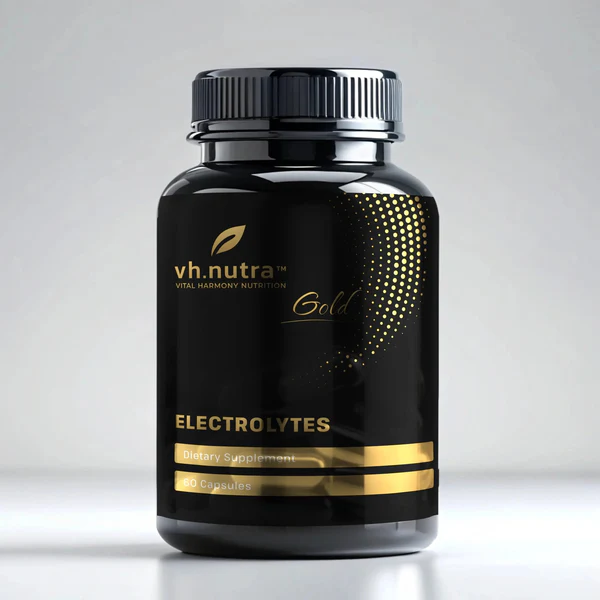
You may need to take potassium for longer if you exercise a lot, sweat heavily or your diet lacks vegetables. If you are looking for a convenient way to top up electrolytes, choose a balanced complex such as VH.Nutra Electrolytes, which combines potassium with sodium, calcium and magnesium.
There is no established safe upper limit for potassium from food, but large supplement doses can be dangerous. Do not exceed the manufacturer’s recommended dose, and if you have kidney problems, talk to your doctor before taking any potassium supplements.
Possible Side Effects and What to Watch Out For
Potassium from food is safe for almost all healthy people – the body removes the excess through the kidneys on its own. Side effects are usually related to potassium supplements taken in large doses.
Signs of too much potassium may include heart palpitations, muscle weakness, tingling or nausea. The biggest risk is hyperkalemia, when there is too much potassium in the blood, and it is especially dangerous for people with kidney disease.
People with kidney failure or those taking certain blood pressure medications, such as ACE inhibitors or potassium-sparing diuretics, should take potassium supplements with caution. In such cases, a doctor’s consultation is essential.
It is important to know that potassium supplements are not recommended without a clear reason. If your diet is varied enough, the body usually gets everything it needs, and supplements are only necessary when a deficiency is confirmed or potassium loss is increased, for example during intense exercise.
Potassium Sources in the Diet
Most potassium comes from plant-based foods. Here are some of the best potassium sources and the approximate amount per serving:
- A medium banana – about 420 mg of potassium
- One avocado – about 975 mg of potassium
- A medium sweet potato – about 540 mg of potassium
- 100 g of spinach – about 560 mg of potassium
- A medium potato with skin – about 900 mg of potassium
- 100 g of white beans – about 560 mg of potassium
- A glass of coconut water – about 600 mg of potassium
A varied diet with enough fruits, vegetables, legumes and dairy products usually ensures the required potassium level without any supplements. If you exercise or sweat a lot, it is worth paying extra attention to electrolyte balance.
Frequently Asked Questions
How much potassium do you need per day?
Adults are recommended to get about 3500 mg of potassium per day. This amount is easiest to reach by eating a variety of fruits, vegetables, legumes and dairy products.
What are the signs of potassium deficiency?
The most common signs of potassium deficiency are muscle cramps and weakness, fatigue, heart palpitations and constipation. A more noticeable deficiency usually appears only after losing a lot of potassium, for example through heavy sweating or certain medications.
Are potassium supplements safe?
For healthy people, potassium supplements in small doses are usually safe, but large doses can cause hyperkalemia. It is safest to get potassium from food and to use supplements only as needed and according to the recommended dose.
Who should avoid large amounts of potassium?
People with kidney failure or other kidney diseases, as well as those taking potassium-sparing medications, should limit their potassium intake and consult a doctor about its use.
Does potassium help lower blood pressure?
Yes, potassium helps the kidneys excrete excess sodium and relaxes the walls of blood vessels, so an adequate potassium level is linked to lower blood pressure.
Which foods contain the most potassium?
The most potassium is found in bananas, avocados, sweet potatoes, potatoes with skin, spinach, white beans and coconut water.
Disclaimer: This information is for educational purposes only and cannot replace professional medical advice. Before changing your diet or starting to take supplements, consult your doctor or a nutrition specialist.
Related Articles
- Electrolytes: 6 Benefits for Sports, Energy and Hydration
- Magnesium: 7 Benefits for Sleep, Muscles and Health
- Water Balance: 7 Benefits for Fluid Balance and Energy