Table of contents
In short:
- Lemon balm is a lemon-scented herb traditionally used for calm, sleep and digestion.
- Its main active substance is rosmarinic acid, which has antioxidant and mild calming effects.
- It is most often drunk as a tea or taken in capsules; consult a doctor or pharmacist about the dose.
Lemon balm (Melissa officinalis) is one of the oldest known calming herbs in Europe. It smells of lemon, grows in almost every garden, and tea made from its leaves has been drunk for centuries before sleep or a stressful day. In this article we look at what science says about lemon balm’s benefits, who it suits and how to use it safely.
Key takeaways
- Lemon balm is traditionally linked to calm, better sleep and digestive comfort.
- Much of its effect is attributed to rosmarinic acid – a strong plant antioxidant.
- Tea is the easiest way to start; capsules are convenient when you want a more precise dose.
- Before using it with medicines or during pregnancy, consult a specialist.
What is lemon balm?
Lemon balm (Melissa officinalis) is a perennial herbaceous plant belonging to the mint family (Lamiaceae), the same family as mints and thyme. Its lemon scent comes from volatile essential oils – citral and citronellal.
The plant grows to a height of 30–80 cm and has light green, slightly toothed leaves that release a strong lemon scent when rubbed between the fingers. In summer it blooms with small white or pale yellow flowers that bees especially love.
The leaves are rich in polyphenolic compounds. The most important of these is rosmarinic acid, which makes up to a few percent of the dry raw material’s mass and is considered the main active substance. Eugenol, flavonoids and tannins are also present and contribute to the plant’s overall effect.
The plant’s name comes from the Greek word “melissa”, meaning bee – bees are very fond of its flowers. Lemon balm has been used as a medicinal herb since antiquity: the ancient Greeks and Romans valued it for its calming effect and lemon aroma, and it was later grown in monastery gardens throughout Europe.
Lemon balm for calm and stress
Lemon balm is one of the most popular herbs when it comes to nervous tension and stress. The European Medicines Agency (EMA) recognises its traditional use for mild nervous tension and stress-related discomfort.
In folk medicine this herb was for centuries the first choice when nerves needed calming or mood needed lifting. Today lemon balm is often combined with valerian or hops in calming blends.
In one study, participants who took lemon balm extract felt laboratory-induced stress as less intense – they remained calmer and more attentive than the placebo group. Scientists link this effect to rosmarinic acid, which in laboratory studies mildly inhibits the enzyme that breaks down GABA – a neurotransmitter that helps the nervous system relax.
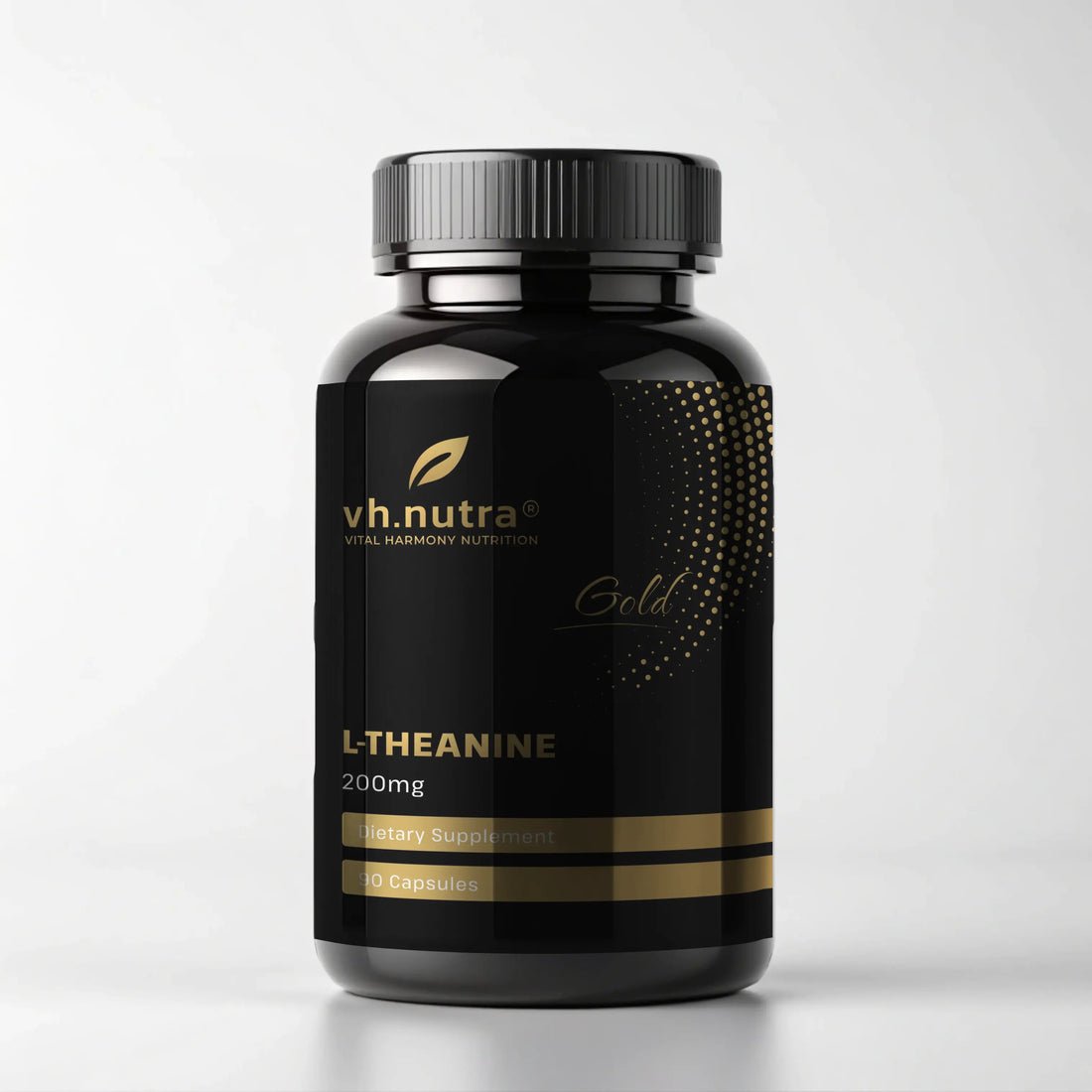
If you are looking for additional support for calm, it is worth considering L-theanine – an amino acid that supports relaxation without causing drowsiness.
Lemon balm for sleep
Lemon balm is often drunk in the evening as a calming tea before bed. Traditional use is based on its mild calming effect, which helps you fall asleep more easily and reduces nighttime restlessness.
In one small pilot study, lemon balm leaf extract improved sleep quality and reduced anxiety symptoms in people with mild anxiety and sleep disturbances. The results are promising, but further studies are needed to confirm them.
Lemon balm is often combined with other calming plants – valerian, passionflower or chamomile. In such combinations, this herb’s gentle effect complements stronger herbs and helps create a calmer evening routine.
For the best results, it is worth adding lemon balm tea to a calmer evening ritual – dim the lights, put away screens and let your body naturally prepare for rest. The herb itself will not replace sleep hygiene, but it can pleasantly complement it.
For sleep support, GABA or magnesium may also be suitable – both are often combined with lemon balm in calming formulas.
Lemon balm for mood and anxiety
Early research shows that lemon balm may gently improve mood. In a study with healthy young volunteers, a single dose of lemon balm extract lifted mood and strengthened feelings of calm, and higher doses were linked to greater relaxation.
Lemon balm’s aroma is also valued in aromatherapy – it is thought that the lemon scent itself can help you relax and feel calmer. This is why lemon balm essential oil is often found in calming blends.
In everyday routine, lemon balm can become a pleasant habit – a cup of tea in the afternoon or evening helps you pause and take a breath, which in itself reduces tension.
It is important to stress: lemon balm is not a medicine for anxiety or depression. It can be a supportive tool for everyday tension, but more serious symptoms require a specialist’s consultation.
Lemon balm for digestion
Traditionally lemon balm is also used for digestive complaints – bloating, cramps and discomfort after meals. The EMA recognises its traditional use for mild spasmodic disorders of the digestive tract.
This effect is thought to come from a combination of essential oils and polyphenols that helps relax the smooth muscles of the digestive tract. Lemon balm tea is convenient to drink after a heavy meal or when the stomach reacts to tension.
Abdominal cramps are often linked to tension – when you worry, the digestive tract tightens. Lemon balm, acting on both the nervous system and smooth muscles, helps reduce this tension from two directions at once. The tea can be drunk warm or cooled – a warm drink additionally soothes the stomach, while a cold one refreshes on a hot day.
Lemon balm for focus and memory
Interestingly, lemon balm is linked not only to calm but also to cognitive functions. Studies have observed that lemon balm extract can improve attention and memory while maintaining calm – without the drowsiness common to sedatives.
Because of this quality, lemon balm is sometimes called the “calm without drowsiness” herb – it can help you stay focused even when there is a lot of noise and distraction around.
This herb is sometimes combined with other substances that support concentration. However, these data are preliminary – longer and larger studies are needed to confirm the effect.
Lemon balm for antioxidant protection
Rosmarinic acid is known as a strong plant antioxidant. It helps neutralise free radicals – unstable molecules that can damage cells and contribute to oxidative stress.
Rosmarinic acid, together with flavonoids, gives lemon balm its reputation as a “protective” herb. However, the antioxidant effect in the body is difficult to measure precisely – it is not always directly transferred from the test tube to humans.
An excess of free radicals is linked to chronic inflammation and ageing processes. Plant substances, which are abundant in lemon balm, are one natural way to support the body’s defence systems.
Although scientists are still studying how much of these compounds the body actually absorbs, regular consumption of plant substances with food and drinks is a safe way to supplement the daily diet.
How to use lemon balm?
Lemon balm can be used in several ways – as a tea, in capsules, as a tincture or as fresh leaves. The most popular and gentlest is tea.
- Tea: pour 150 ml of boiling water over 1.5–4.5 g of dried leaves, steep for 5–10 minutes and drink 1–3 times a day.
- Capsules: usually 300–600 mg of extract per day; follow the dose stated on the package.
- Tincture: 2–6 ml per day, diluted in water; choose the exact amount according to the product label.
When is the best time to take it? For a calming effect, lemon balm is convenient to drink in the afternoon or evening, before bed. For how long? Traditionally lemon balm is used in courses, but longer use is worth discussing with a doctor. Maximum dose: do not exceed the amount stated on the package – higher doses bring no extra benefit and only increase the risk of side effects.
When trying it for the first time, start with tea and a smaller dose – this makes it easier to assess how your body reacts. When choosing dried raw material, pay attention to quality – it is best when the leaves are green, aromatic and free of impurities. Capsules or tinctures are worth buying from reliable manufacturers and following the dose stated on the package.
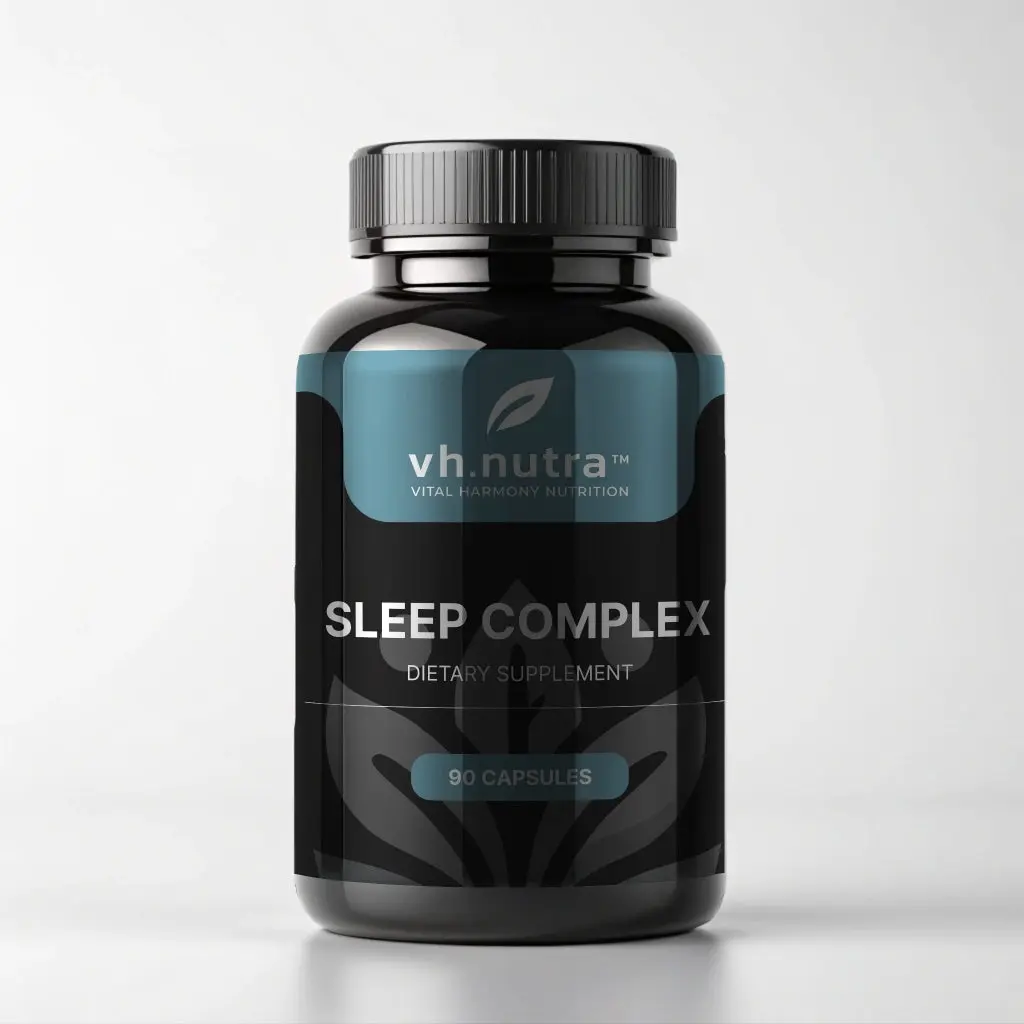
If you want a ready-made form, a natural sleep complex containing lemon balm extract may be suitable for calm and sleep.
Side effects and safety
Lemon balm is generally well tolerated, and side effects are rare. In some people it may cause mild drowsiness or digestive discomfort.
Be careful if you take sedative medicines or thyroid hormones – lemon balm could theoretically enhance their effect. During pregnancy and breastfeeding there is insufficient data, so it is worth avoiding lemon balm supplements or consulting a doctor first.
If you notice unusual symptoms or allergic reactions, stop using it and consult a specialist. As with all supplements, the most important thing is to follow the recommended dose and not exceed the amount stated on the package.
Lemon balm in diet and tea
Lemon balm is not only a medicinal herb but also a culinary plant. Fresh leaves suit salads, fish dishes, desserts and drinks; they add a subtle lemon flavour without sourness.
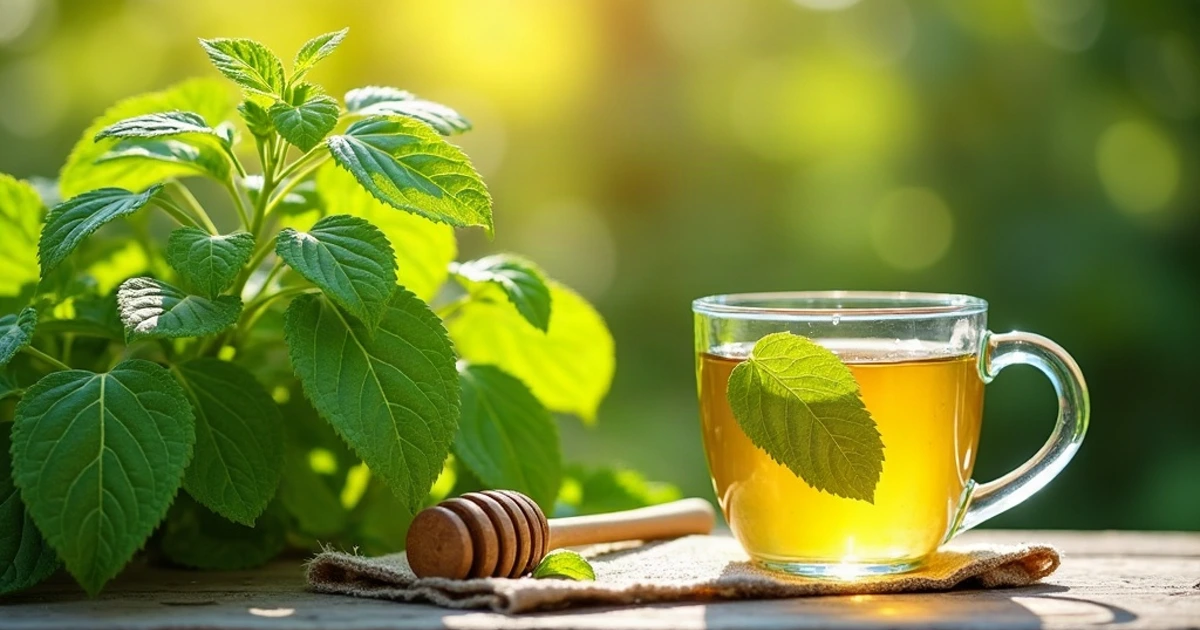
The easiest way to start is lemon balm tea. You can brew fresh or dried leaves alone, and honey or a lemon slice enrich the flavour. The tea is convenient to drink in the evening as part of a calming routine.
This herb also goes well with green tea blends, lemonades and cocktails – a fresh leaf adds a refreshing lemon note and a subtle aroma without any artificial additive.
Frequently asked questions
Does lemon balm cause drowsiness? Lemon balm has a mild calming effect, so it may cause slight drowsiness in some people. If you need to drive, start with a small dose and watch how you feel.
How much lemon balm tea can you drink per day? Traditionally 1–3 cups are drunk per day. Stick to this amount and do not take supplements in higher doses than stated on the package.
Does lemon balm interact with medicines? Lemon balm may interact with sedatives and thyroid hormone preparations. If you take medicines, consult a doctor or pharmacist before starting a course of lemon balm.
Which is better – lemon balm tea or capsules? Tea is convenient and gentle, but it is hard to measure the dose precisely. Capsules are convenient when you want a consistent amount – choose what suits your routine better.
Is lemon balm suitable during pregnancy? Due to a lack of data, it is best to avoid lemon balm supplements during pregnancy without a doctor’s approval.
Can lemon balm be combined with other herbs? Yes, lemon balm goes well with valerian, passionflower, chamomile and mint. However, when combining several calming herbs, start with smaller doses and watch how your body reacts.
Disclaimer: This information is for educational purposes only. Before taking supplements, consult a doctor or pharmacist.
Related articles
- Tryptophan: 7 benefits for mood, sleep and the nervous system
- Ashwagandha: 7 benefits for stress, energy and health
- Rhodiola Rosea: 7 benefits for stress, energy and health