
Contents
In short:
- Bromelain is a protein-digesting enzyme mixture obtained from the stem and juice of pineapple.
- It is most often studied for its effects on digestion, swelling and joint comfort.
- As a supplement it is usually taken at 500–2,000 mg per day, divided into several doses.
- It is not suitable for people allergic to pineapple; check for interactions with blood-thinning medications.
Bromelain is a natural enzyme mixture that most people primarily associate with pineapples. However, not every pineapple on your plate provides enough of this active substance, so this enzyme is often taken as a supplement. In this article we explain clearly, without unnecessary clutter, what it is, when it may be useful, and how to take it safely.
Key takeaways
- Bromelain is a proteolytic enzyme complex obtained from the stem of the pineapple (Ananas comosus).
- It is studied for supporting protein digestion, reducing swelling and supporting joint comfort.
- The evidence is promising but not consistent everywhere — many claims still need confirmation in larger studies.
- Consult a doctor or pharmacist before use, especially if you take blood-thinning medications.
What is bromelain?
Bromelain is not a single enzyme but a mixture of proteolytic (protein-digesting) enzymes obtained from the pineapple plant (Ananas comosus). The main source is the pineapple stem, although a certain amount is also found in the fruit juice.
Proteolytic means that this enzyme helps break proteins down into smaller parts — peptides and amino acids. Because of this property it was historically used to tenderise meat, and today it is most often taken as a supplement to support digestion and reduce swelling.
Unlike many herbal supplements, bromelain is not a vitamin or mineral. It is an active substance whose effect is most associated with protein breakdown and modulation of the inflammatory response. A detailed overview in English can be found at the US National Center for Complementary and Integrative Health (NCCIH).
The history of this enzyme is interesting: long before science discovered it, South American peoples noticed that pineapple juice tenderises meat. Later chemists confirmed this property and isolated the active substance, which today is produced in standardised form for supplements. Now the extract obtained from the pineapple stem is dried and standardised, so each capsule contains a constant amount of enzymes.
Bromelain benefits for digestion
The most common question supplement sellers hear is: does bromelain actually help digestion? The answer depends on the situation. This enzyme breaks down protein, so in theory it can help the body absorb protein-rich food, especially when natural enzymes are insufficient.
In practice it is often added to digestive enzyme complexes together with amylase, lipase and other enzymes. In such combinations the active substance supplements natural enzymes and helps maintain normal digestion and reduce the feeling of bloating after meals.
Who might benefit most from such a supplement? People who feel heaviness in the stomach, bloating or a feeling of fullness after a protein-rich meal. That said, it is important to stress: bromelain is not a miracle weight-loss product. Although some market it as a “fat burner”, scientific data does not confirm such an effect — this enzyme’s strength is breaking down protein, not fat. In addition, it is sometimes recommended for people who naturally produce fewer protein-digesting enzymes, for example in older age or with pancreatic insufficiency — but in such cases a doctor’s supervision is necessary.
Bromelain benefits for inflammation and joints
The second area where bromelain is studied most intensively is inflammation and swelling. Research shows that this enzyme may help reduce swelling after injuries or surgery, but the quality of evidence is uneven: some studies show a clear effect, others only a small one.
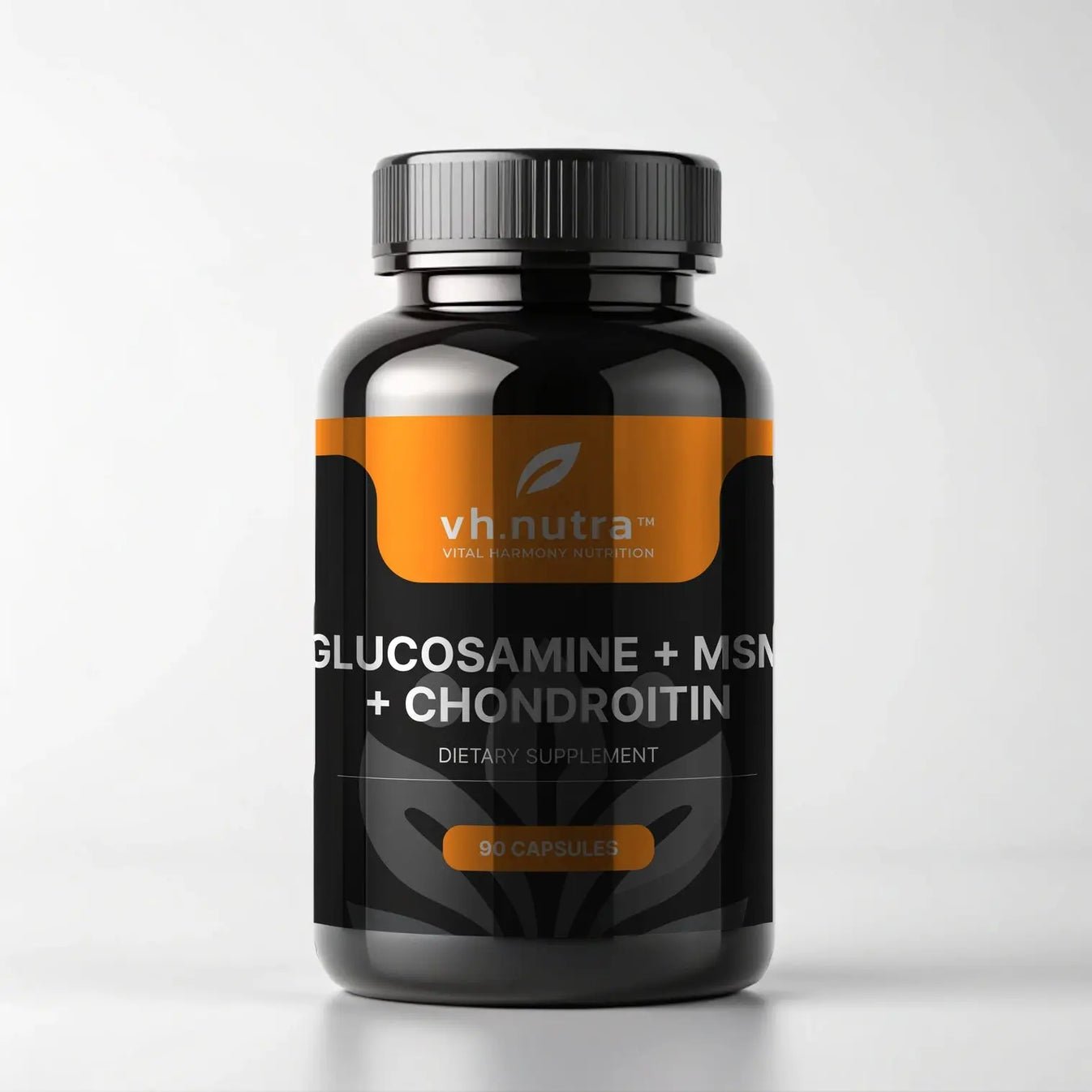
When it comes to joints, some studies in people with osteoarthritis showed that the active substance may ease joint discomfort. However, the results are mixed, so it should not be regarded as the main joint remedy — it can be an additional part of a broader plan, together with glucosamine and chondroitin.
If joint discomfort lasts a long time or gets worse, it is worth seeing a doctor first. A supplement can help maintain comfort, but it does not replace diagnosis and treatment.
Bromelain benefits for sinuses and airways
Bromelain is sometimes used together with standard sinusitis treatment. Some studies suggest it may help reduce swelling of the nasal mucosa and ease breathing, but the evidence in this area is also not final.
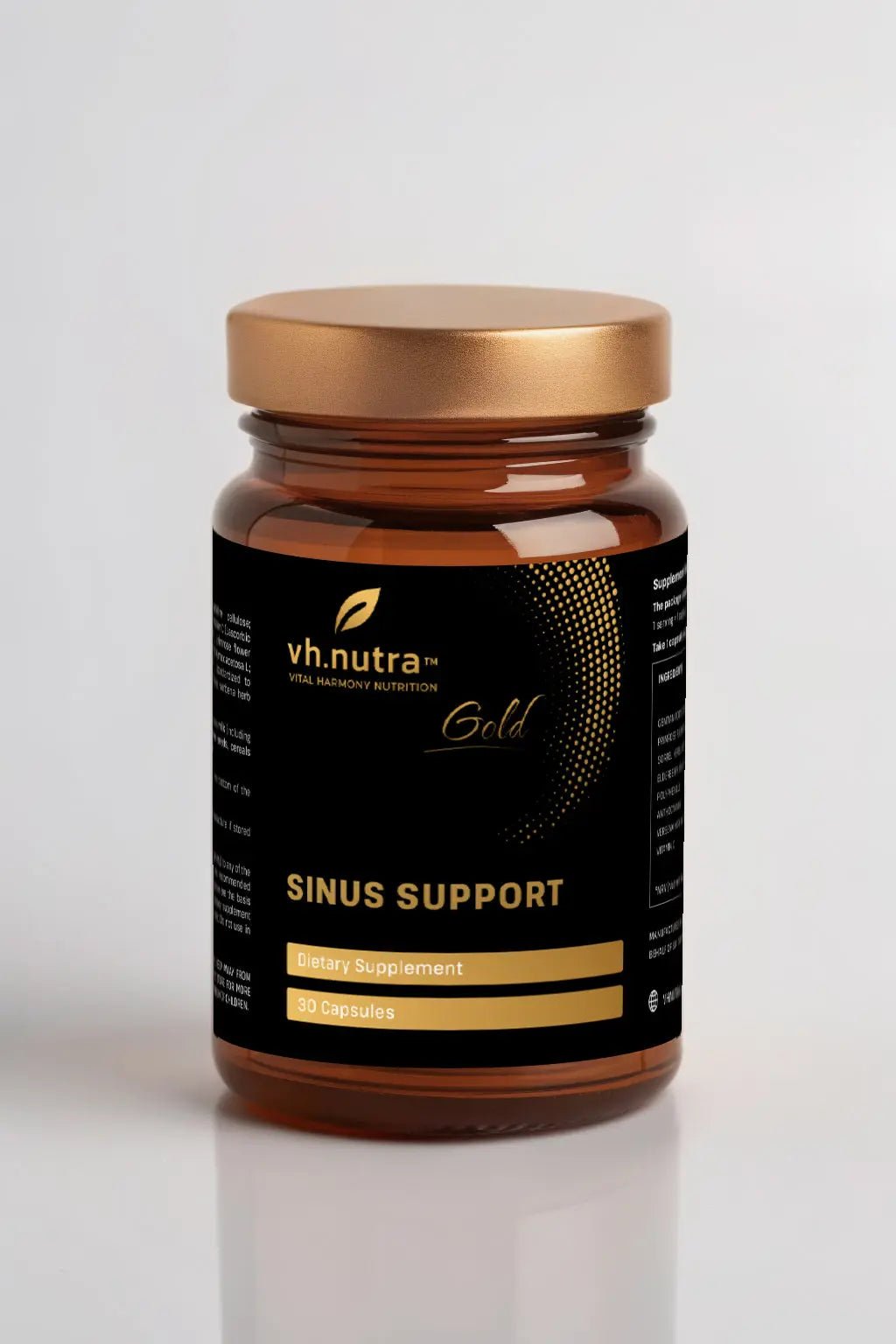
In practice this enzyme is rarely used alone — more often it ends up in complexes for respiratory health, for example together with elderberry or pelargonium extracts, as in our sinus support complex.
If respiratory symptoms are severe, prolonged or accompanied by a high fever, see a doctor — a supplement can only be an auxiliary measure here.
Other bromelain benefits
Besides digestion and inflammation, bromelain is studied in a few other areas:
- Skin healing and burns. In some studies this enzyme is used externally to help remove damaged tissue from the surface of burns.
- Muscle soreness after exercise. The data is inconsistent — some studies show less muscle soreness, others find no effect.
- Swelling after surgery. There is somewhat more research in this area, but the results are also mixed.
The overall conclusion is simple: this is a promising substance, but in many areas science still lacks large, high-quality studies to confidently speak about a guaranteed effect.
Bromelain vs papain: what’s the difference?
These two enzymes are often mentioned together because both break down protein, but their sources differ. Bromelain comes from pineapple, while papain comes from the latex of the papaya fruit.
Both belong to the protease group and both are used for tenderising meat and in digestive supplements. However, they have slightly different activity characteristics, and for people allergic to latex, papain may be riskier. When choosing a complex it is worth checking which enzymes it contains and what purpose it serves.
Bromelain sources: pineapples and supplements
The natural source of bromelain is pineapple, but here lies an important detail: the highest concentration of the enzyme is in the pineapple stem, which people rarely eat. There is less of this substance in the fruit flesh, and canned or heat-processed pineapple practically loses it, because enzymes break down when heated.
Therefore, to get a larger, measurable amount, supplements are usually chosen. In them the active substance is standardised by enzyme activity, expressed in GDU (gelatin digesting units) or MCU. This lets you know how much of it you are actually getting.
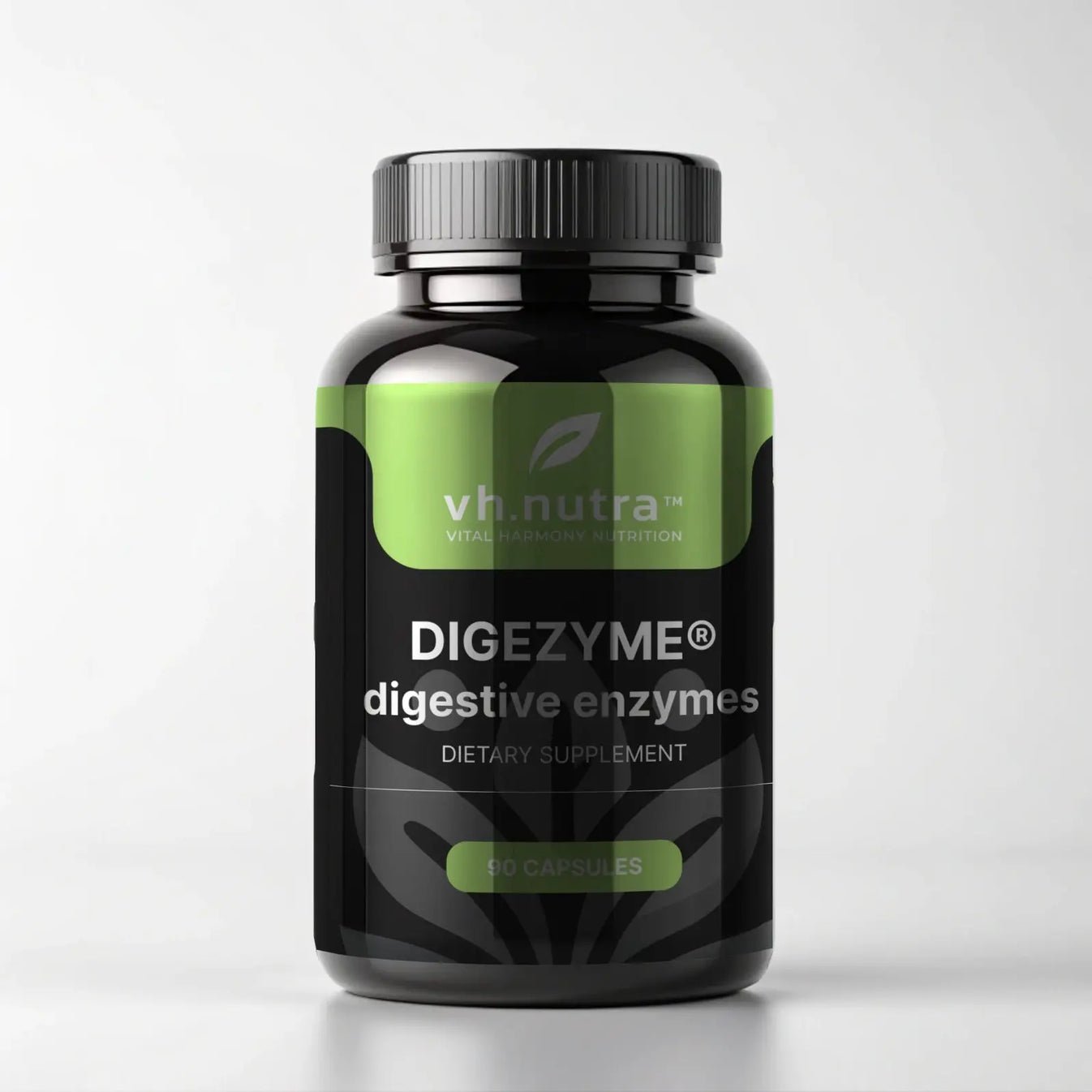
The capsule form is also convenient: the dose is precise, rather than “however much pineapple you managed to eat”. If you are interested in a broader digestive enzyme blend rather than this enzyme alone, it is worth looking at the DigeZyme® digestive enzyme complex.
How to choose a bromelain supplement?
If you decide to try this supplement, pay attention to a few things. First, enzyme activity: quality products state on the label not only milligrams but also activity units (GDU or MCU), which show how much protein the enzyme can break down. Second, the dose per capsule — it should match your goal.
Third, the composition: choose a product without unnecessary additives, and if your goal is digestion, it may be worth choosing a complex that this enzyme is combined with other digestive enzymes. Finally, consider the manufacturer and whether the product is made to good manufacturing practice (GMP) standards. Remember that food supplements are not medicines: they are meant to supplement the diet, not to treat or diagnose diseases. If you have specific health complaints, see a healthcare professional first.
How to take bromelain?
The dose depends on the goal, so there is no universal answer. Studies most often use doses of 500–2,000 mg per day, usually divided into several smaller portions.
- To support digestion — it is usually taken with food so the enzymes help break down protein during the meal.
- For swelling or discomfort — it is often recommended to take it on an empty stomach, because without food this enzyme may act more systemically. However, this practice is based more on experience than solid research.
How long should you take it? The supplement is usually taken in short courses, for example a few weeks, followed by a break. The safety of long-term use has not been sufficiently studied, so continuous use without a specialist’s supervision is not recommended. The form also matters: capsules are convenient and allow precise dosing, and the enzymes inside are protected from stomach acid until they reach the intestine. If you choose a powder form, dose carefully and follow the manufacturer’s recommendations. Always follow the dose stated on the package and do not exceed it.
Side effects and precautions
For most people bromelain is well tolerated at recommended doses, but side effects are possible:
- stomach discomfort, nausea or diarrhoea;
- allergic reactions — especially in people allergic to pineapple or latex;
- rarely — increased heart rate or menstrual changes.
If you experience a rash, swelling or breathing difficulties after taking it, stop using it and see a doctor. Pregnant and breastfeeding women and children should only take this supplement after consulting a specialist, because safety data for these groups is insufficient.
Interactions with medications
This is the most important aspect that is often forgotten. Bromelain can interact with certain medications:
- Blood pressure-lowering medicines (ACE inhibitors) — the combination may lower blood pressure too much.
- Medicines that reduce blood clotting (blood thinners) (warfarin, aspirin, etc.) — this enzyme may strengthen their effect and increase the risk of bleeding.
- Certain antibiotics (amoxicillin, tetracycline) — the active substance may increase their absorption.
If you take any of these medicines, be sure to consult a doctor or pharmacist before starting the supplement.
Frequently asked questions
Does bromelain help with weight loss?
No, scientific data does not confirm such an effect. This enzyme breaks down protein, not fat, so it should not be regarded as a weight-loss product.
How to take bromelain — with food or on an empty stomach?
To support digestion, the supplement is usually taken with food. For other purposes, such as swelling, some recommend taking it on an empty stomach, but it is most reliable to follow the instructions of the specific product.
Is eating pineapple enough to get bromelain?
Most of this substance is in the pineapple stem, which is rarely eaten. There is less of it in the fruit flesh, and canned or cooked pineapple practically loses its enzymes.
Who should not take bromelain?
People allergic to pineapple or latex, as well as those taking blood-thinning medications should avoid this supplement or take it only under a doctor’s supervision.
Can bromelain be combined with other enzymes?
Yes, such combinations are common — digestive enzyme complexes usually combine several enzymes to cover proteins, fats, carbohydrates and lactose. Before combining several separate supplements, it is worth consulting a specialist.
Disclaimer: This information is for educational purposes only. Consult a doctor or pharmacist before starting to take supplements.
Related articles
- Digestive enzymes: benefits for digestion and energy
- Probiotics: benefits for the gut and immunity
- Fibre: benefits for digestion and weight control