
Probiotics are among the most popular dietary supplements in the world — and for good reason. These live beneficial bacteria play an essential role not only in digestion, but also in immunity, mood and overall well-being. Scientific research shows that a balanced gut microbiota can reduce inflammation, improve nutrient absorption and even influence body weight. In this article, you will learn the 7 most important probiotic benefits and how to take them correctly.
Key Takeaways
- Probiotics — live bacteria that restore and maintain a healthy balance of the gut microbiota.
- 70% of immune cells are located in the gut — probiotics directly strengthen the body’s resistance to infections.
- Regular use can improve digestion within 2–4 weeks, especially when combined with prebiotics and fiber.
Table of Contents
What Are Probiotics?
Probiotics are live microorganisms that, when consumed in adequate amounts, provide health benefits. Scientifically, probiotics are defined as “live bacterial cultures” that help maintain the natural balance of the gut microbiota. The most common probiotic genera are Lactobacillus and Bifidobacterium, as well as the yeast Saccharomyces boulardii.
Trillions of bacteria live in the human gut — their number exceeds the total number of cells in the entire body. These bacteria form a unique ecosystem called the gut microbiome. When this balance is disrupted by stress, poor diet, antibiotics or illness, the number of beneficial bacteria decreases and harmful ones begin to dominate. Taking probiotics helps restore this balance.
Probiotics can be obtained both from food — fermented cabbage, kefir, yogurt, kimchi — and from specialized dietary supplements. The supplement form is especially convenient because it ensures a precise dose and a combination of specific bacterial strains tailored to particular health goals.
It is important to understand that not all probiotics are the same — different strains have different effects. Lactobacillus acidophilus is renowned for its ability to break down lactose and improve the digestion of dairy products, while Bifidobacterium longum is one of the most important bacteria in the large intestine, responsible for neutralizing toxins. Saccharomyces boulardii is a probiotic yeast that is particularly effective against diarrhea caused by antibiotics or travel.
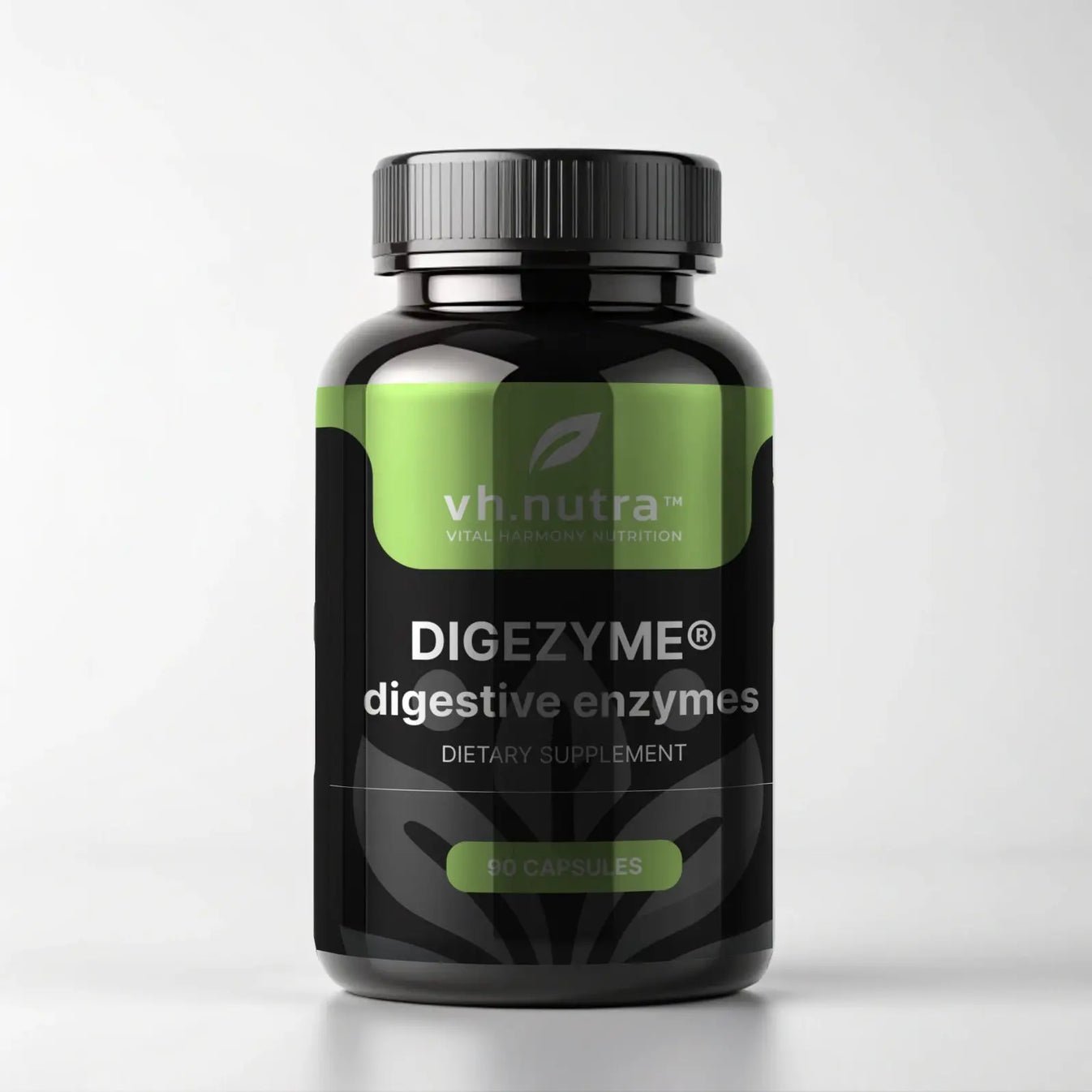
When choosing a probiotic supplement, it is worth paying attention to several important criteria. First — the CFU count (colony-forming units), which indicates the amount of live bacteria per dose. Second — strain diversity, because the more different beneficial bacteria there are, the broader the effect. Third — whether the product has protective technology (for example, capsules resistant to stomach acid) that ensures the bacteria reach the intestines alive. High-quality probiotics, such as the VH.Nutra DigeZyme® complex, ensure maximum effectiveness thanks to special manufacturing technology.
According to the National Institutes of Health (NIH), the effectiveness of probiotics is strain-dependent — not every probiotic is suitable for every condition. Therefore, before choosing, it is recommended to look into the clinical studies of the specific strain. You can find a full scientific review of probiotics on the NIH Probiotics Fact Sheet page.
1. Improves Digestion
This is the main and best-known benefit of probiotics. Beneficial bacteria help break down food, improve peristalsis and reduce problems such as bloating, constipation or gas accumulation. Studies show that probiotic use can shorten the transit time of food through the intestines and reduce post-meal discomfort.
Interestingly, different probiotic strains affect different aspects of digestion. For example, Lactobacillus acidophilus effectively breaks down lactose, while Bifidobacterium lactis improves intestinal motility. If you feel constant heaviness after meals, VH.Nutra DigeZyme® — digestive enzyme complex together with probiotics can become an excellent combination for complete digestive support.
2. Strengthens Immunity
About 70% of immune cells are concentrated in the gut, which is why the impact of probiotics on the immune system is enormous. Good bacteria stimulate antibody production, activate macrophages and produce substances that inhibit the growth of pathogenic bacteria. Regular probiotic use is associated with fewer colds, shorter illness duration and milder symptoms.
It is especially worth paying attention to probiotics in the autumn and winter season, when the risk of respiratory tract infections is highest. Scientific studies confirm that probiotics can reduce the frequency of upper respiratory tract infections by up to 42%. In addition, these microorganisms help restore the intestinal barrier after a course of antibiotics, which often destroys both harmful and beneficial bacteria.
3. Supports a Healthy Weight
More and more studies are revealing a link between the composition of the gut microbiota and body weight. The gut microbiota of overweight people often differs from that of people with normal weight — different types of bacteria dominate in it. Probiotics can help shift this composition in a more favorable direction.
Probiotic use can help regulate appetite, reduce fat absorption and improve insulin sensitivity. Certain probiotic strains, such as Lactobacillus gasseri, have shown significant reduction of abdominal fat in studies. Combined with XXL Nutrition Psyllium Husk Fiber, which provides a feeling of fullness, probiotics can become a valuable tool for weight management.
Studies also reveal that probiotics can help reduce cravings for sweets and unhealthy snacks. This is explained by the fact that a balanced gut microbiota regulates the hormones responsible for hunger and satiety signals — leptin and ghrelin. When gut bacteria are healthy, the body sends the right signals to the brain that you are full, making it easier to resist the temptation to snack between meals.
4. Improves Mood and Mental Health
The gut is often called the “second brain” — and that is not an exaggeration. The gut and the brain are connected through the vagus nerve (nervus vagus), and the majority of serotonin — the “happiness hormone” — is produced precisely in the gut. Beneficial bacteria directly participate in the production of neurotransmitters, so a balanced microbiota can improve mood and reduce symptoms of anxiety and depression.
Studies with probiotics have shown a significant reduction in cortisol — the stress hormone — levels. Some scientists even refer to certain probiotic strains as “psychobiotics” because of their ability to influence mood. By taking probiotics regularly, you may feel calmer and cope better with everyday stress.
5. Supports Skin Health
The gut-skin connection is well documented in medical science. When the gut microbiota is imbalanced, toxins can pass through the intestinal wall into the bloodstream, causing systemic inflammation that also manifests as skin problems — acne, eczema, rosacea. Probiotics help strengthen the intestinal barrier function, reducing the entry of toxins into the bloodstream.
Clinical studies show that regular probiotic use can improve skin hydration, elasticity and reduce the symptoms of inflammatory skin conditions. These microorganisms also stimulate the production of vitamins important for the skin in the gut. If you are struggling with skin problems, maintaining a healthy gut microbiota may be the missing element in your beauty routine.
Interestingly, certain probiotic strains can even help with skin conditions such as eczema or atopic dermatitis. Lactobacillus rhamnosus has shown the ability to reduce eczema symptoms in children in studies, and some studies in adults show a significant reduction in skin inflammation after 8–12 weeks of regular probiotic use.
6. Reduces Inflammation in the Body
Chronic inflammation is associated with many modern diseases — from cardiovascular diseases to diabetes and autoimmune disorders. Probiotics help reduce systemic inflammation through several mechanisms: they strengthen the integrity of the intestinal wall, reduce the production of inflammatory cytokines and stimulate the synthesis of anti-inflammatory substances.
Studies show that probiotic use can reduce the level of C-reactive protein (CRP) — the main marker of inflammation in the blood. Bifidobacterium and Lactobacillus strains are particularly effective in this regard. A healthy gut microbiota acts as a natural protective barrier, preventing inflammation from spreading throughout the body.
7. Helps Absorb Nutrients
Even the healthiest diet will not provide maximum benefit if nutrients are not properly absorbed. Probiotics play an important role in this process — they help break down complex compounds into more easily absorbable forms and improve the absorption of vitamins and minerals in the gut.
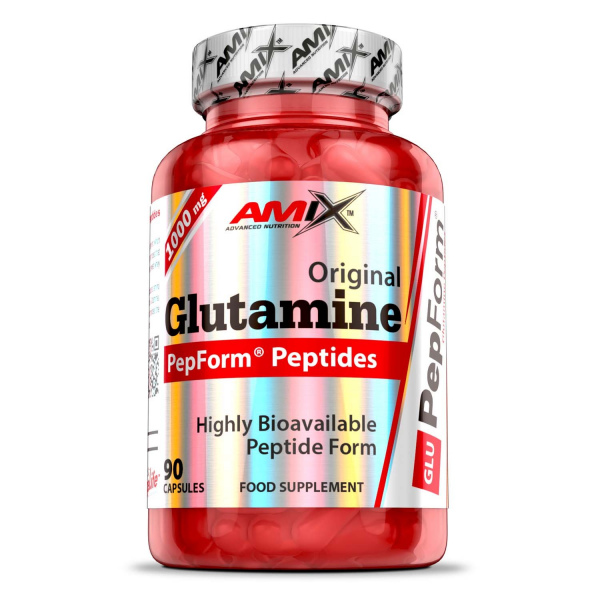
These microorganisms themselves synthesize certain vitamins — especially B vitamins and vitamin K2. In addition, good bacteria help better absorb calcium, magnesium, zinc and iron from food. If your diet is rich in nutrients but you still feel fatigue or symptoms of deficiency, it is worth considering the Amix Peptide PepForm® Glutamine supplement — glutamine is the main energy source for gut cells and helps maintain a healthy intestinal mucosa, through which nutrient absorption takes place.
How to Take Probiotics?
Taking probiotics properly is no less important than choosing the product itself. Here are the main recommendations on how to get the maximum benefit from these supplements:
Recommended dose: 1–10 billion CFU per day. For a maintenance dose, 1–5 billion CFU is usually enough, while after a course of antibiotics or in cases of digestive disorders, 10–50 billion CFU may be needed. Start with a lower dose and increase it gradually.
When to take: It is best to take probiotics in the morning on an empty stomach, about 30 minutes before breakfast, or in the evening before bedtime. On an empty stomach, stomach acidity is lower, so more probiotic bacteria survive the journey through the stomach and reach the intestines.
Duration of use: It is recommended to take probiotics regularly for at least 4–8 weeks to feel the full effect. After a course of antibiotics, it is advisable to take probiotics for at least 2–4 weeks. Many people choose long-term use for daily health maintenance.
Maximum safe dose: Up to 50 billion CFU per day is safe for most healthy adults. Higher doses should only be taken after consulting a doctor.
Possible Side Effects
Most people tolerate probiotics very well, especially when starting with lower doses. However, during the first few days of use, some people may experience mild digestive symptoms — bloating, gas accumulation, diarrhea or constipation. This is a temporary reaction indicating that the gut microbiota is adapting to the changes.
These symptoms usually pass within 3–7 days. If the discomfort lasts longer, it is recommended to reduce the dose by half or take probiotics every other day. People with a weakened immune system or serious illnesses must consult a doctor before starting to take probiotics.
Probiotics and Prebiotics — What You Need to Know?
We often hear both terms, but it is important to understand the difference. Probiotics are the live bacteria themselves, while prebiotics are the dietary fibers that these bacteria feed on. Prebiotics act as “fertilizer” for beneficial bacteria, helping them grow and multiply in the gut.
Probiotics and prebiotics taken together (called synbiotics) can produce even better results than each on its own. Natural sources of prebiotics include garlic, onions, bananas, asparagus and oats. If you want maximum effect, choose probiotic supplements that already contain prebiotics in their composition, or combine probiotics with XXL Nutrition Psyllium Husk Fiber, which is an excellent source of prebiotics. Fiber also helps maintain regular bowel movements, which is essential for a healthy gut environment.
Frequently Asked Questions
Do probiotics need to be stored in the refrigerator? It depends on the product. Some probiotics are specially manufactured and can be stored at room temperature. Always follow the manufacturer’s instructions on the packaging — if refrigeration is indicated, be sure to do so, because heat can destroy the live bacteria.
Can probiotics be taken together with antibiotics? Yes, but it is important to leave at least a 2–3 hour gap between them. Antibiotics kill both harmful and beneficial bacteria, so taking probiotics too close to antibiotics may neutralize their effect. Taking probiotics during and after antibiotic treatment is especially recommended.
When will I feel the effects of probiotics? The first changes — better digestion, less bloating — can be noticed as early as after 3–7 days. The full effect on immunity and overall well-being usually appears after 2–4 weeks of regular use. The most important thing is consistency and adherence to the proper dose.
Can I get enough probiotics from food alone? Yes, but this requires consuming fermented products daily — kefir, yogurt, fermented cabbage, kimchi, kombucha. The problem is that the amount of probiotics and the diversity of strains in food products are limited, and most bacteria die when food is heat-treated. The supplement form ensures a precise dose, a wider spectrum of strains and convenience — no need to eat fermented products every day.
Disclaimer: This information is intended for educational purposes only and cannot replace professional medical consultation. Before starting any dietary supplements, it is necessary to consult a doctor or pharmacist.
Related Articles
- Fiber: 7 Benefits for Digestion, Weight Control and Health
- Digestive Enzymes: 7 Benefits for Digestion, Energy and Health
- L-Glutamine: 7 Benefits for Gut Health, Immunity and Muscle Recovery