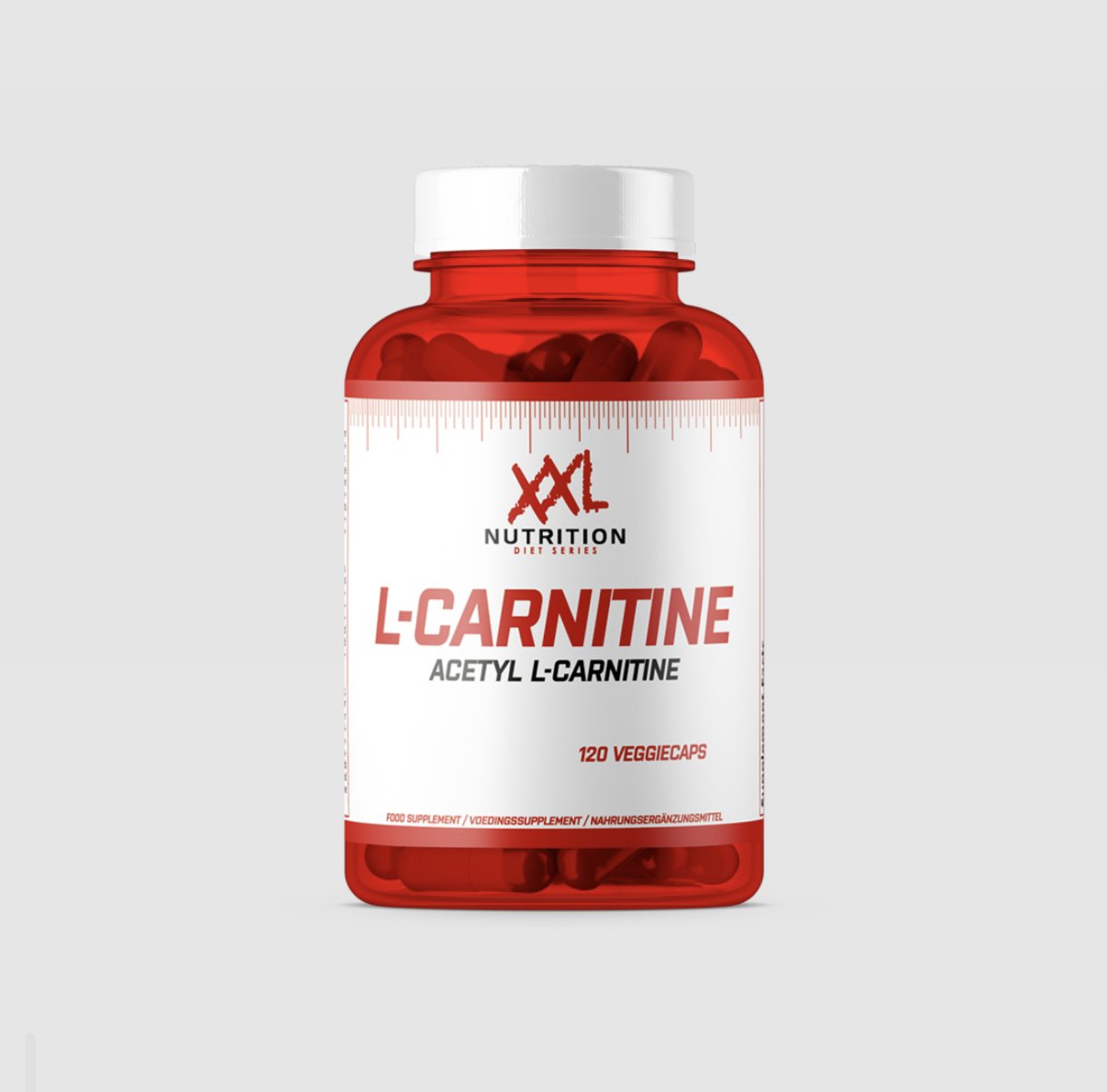

Acetyl-L-carnitine (ALCAR) is an acetylated form of carnitine that, unlike regular L-carnitine, effectively crosses the blood-brain barrier. Thanks to this unique property, acetyl-L-carnitine is one of the most popular supplements for supporting brain function, mental energy and emotional balance. In this article we will review the 7 most important benefits of acetyl-L-carnitine, the recommended dosage and how to use this compound correctly every day.
Key Takeaways
- Acetyl-L-carnitine — the only form of carnitine that easily crosses the blood-brain barrier.
- Brain energy — acetyl-L-carnitine supports mitochondrial function and acetylcholine production in the nervous system.
- Mood and memory — research suggests that ALCAR may support emotional balance and cognitive function.
- Dosage — 500–2000 mg per day is recommended, ideally in the morning or before training.
Table of Contents
What Is Acetyl-L-carnitine?
Acetyl-L-carnitine is a derivative of the amino acid L-carnitine, to which an acetyl group is attached. This small chemical change gives acetyl-L-carnitine the ability to cross the blood-brain barrier — a protective barrier that many supplements cannot overcome. That is why ALCAR is most often associated not only with energy production but also with brain and nervous system health.
In the body, acetyl-L-carnitine is naturally produced in the liver and kidneys, and its stores are replenished by foods rich in carnitine — primarily red meat, lamb and dairy products. However, the amount obtained from food is often insufficient, especially for older people, vegetarians or those who train intensely. It is important to note that acetyl-L-carnitine supplements, such as Acetyl-L-carnitine 500 mg, make it easy to maintain a steady intake of this compound.
Most carnitine comes from red meat — beef contains about 80 mg per hundred grams. Poultry, fish and dairy products also contribute, but plant-based foods contain almost none of this compound. That is why vegetarians, vegans and older people more often face lower carnitine stores, and ALCAR supplements become a convenient way to replenish them.
The difference between acetyl-L-carnitine and regular L-carnitine is often described simply: L-carnitine is more focused on muscle energy metabolism, while ALCAR targets the brain and nervous system. Therefore, if your goal is mental sharpness, concentration or emotional balance, acetylated carnitine is a more suitable choice. This form of carnitine also stays longer in brain tissue, which makes its effect on cognitive function more noticeable.
1. Brain Function and Memory
One of the most commonly mentioned benefits of acetyl-L-carnitine is the support of cognitive function — attention, memory and speed of thinking. In the brain, ALCAR participates in the synthesis of acetylcholine, an important neurotransmitter. Acetylcholine is directly linked to learning and memory formation, so a sufficient amount of ALCAR can help maintain mental sharpness on demanding days.
Since acetyl-L-carnitine easily reaches brain tissue, it is often chosen when long-lasting concentration is needed — preparing for exams, doing mental work or simply wanting to stay focused. The brain-related benefit is further enhanced when combined with L-theanine, which helps maintain a calm but alert focus.
From a long-term perspective, acetyl-L-carnitine also attracts attention for the prevention of age-related cognitive decline. Although ALCAR is not a medicine, some researchers regard it as a supplementary tool for supporting brain health in older age, especially when combined with a healthy lifestyle.
2. Mood and Emotional Balance
Acetyl-L-carnitine is also studied in the context of emotional health. In the scientific literature, ALCAR is linked to the support of mild mood decline, especially in older people. It is believed that acetyl-L-carnitine helps maintain a healthy balance of acetylcholine and other neurotransmitters, on which overall emotional well-being depends.
This benefit of acetyl-L-carnitine is especially relevant for those who feel mental fatigue or a seasonal energy dip. Instead of reaching for another coffee, it is worth considering the regular use of acetyl-L-carnitine supplements, which support mood gently and without sudden swings.
A seasonal energy dip during the darker months can also be an occasion to try ALCAR. Since this compound works gently and gradually, it suits those looking for a more natural alternative to quick but short-lived solutions. Consistent use helps maintain a steadier emotional state even during a stressful period.
3. Energy and Cell Mitochondria
The energy benefit of acetyl-L-carnitine is directly linked to mitochondria — the “power plants” of cells. ALCAR helps transport fatty acids into the mitochondria, where they are converted into energy (ATP). When acetyl-L-carnitine is sufficient, cells produce energy more efficiently, which can manifest as greater alertness and less fatigue during the day.
It is important to understand that ALCAR is not a stimulant — it does not produce a sudden energy spike like caffeine. Instead, acetyl-L-carnitine supports a steady energy level at the cellular level, making it ideal for those who want to avoid caffeine-induced swings. A similar support of cellular energy is provided by coenzyme Q10, with which acetyl-L-carnitine is often combined.
In practice, this effect is often felt as a smaller “afternoon slump” and more stable mental energy throughout the day. That is why ALCAR is valued not only by athletes but also by people doing mental work or studying. Consistent support of cellular energy helps you stay productive without the constant need to reach for extra caffeine.
4. Fat Metabolism and Body Composition
Like regular L-carnitine, acetyl-L-carnitine participates in the transport of fatty acids, which is why it is often included in sports and weight management plans. ALCAR helps the body use stored fat more efficiently as an energy source, especially during physical activity. This can contribute to better body composition when the supplement is combined with training.
However, ALCAR alone will not magically reduce weight. The best results are achieved when acetyl-L-carnitine is used together with a balanced diet and regular activity. When choosing an acetyl-L-carnitine supplement for fat metabolism, pay attention to the dose per serving — quality products such as Acetyl-L-carnitine 500 mg ensure a clear and reliable amount in every capsule.
5. Antioxidant Protection
Acetyl-L-carnitine also has antioxidant properties. ALCAR helps protect cells from oxidative stress — the harmful effect of free radicals that accelerates cell aging and damage. This benefit of acetyl-L-carnitine is especially important for brain cells, which are more sensitive to oxidation due to their high oxygen consumption.
Moreover, ALCAR can support the restoration of the body’s stores of other important antioxidants, such as glutathione. Therefore, acetyl-L-carnitine is valued not only as an energy supplement but also as one for long-term cell protection.
Oxidative stress particularly affects the nerve cells of the brain, because they consume a lot of oxygen and energy. Acetylated carnitine, acting as a protective compound, can contribute to the stability of cell membranes and help the body more efficiently remove harmful by-products formed during energy production.
6. Nervous System Support
Acetyl-L-carnitine is often studied in the field of nerve health, especially in relation to peripheral nerve function. Some studies show that ALCAR can support energy metabolism in nerve cells and help with nerve discomfort, such as neuropathy. This benefit of acetyl-L-carnitine makes it an interesting choice for people who care about the longevity of their nervous system.
Although most research is preliminary, the ability of ALCAR to reach nerve tissue and participate in acetylcholine production provides a solid theoretical basis for this benefit. More scientific evidence can be found in the PubMed database, which publishes a considerable amount of acetyl-L-carnitine research.
7. Physical Endurance and Recovery
For athletes, ALCAR can be useful due to its effect on energy production and recovery. When taken before training, acetyl-L-carnitine can help muscles use fat more efficiently as fuel, which helps preserve glycogen stores during longer endurance efforts. In addition, ALCAR can reduce muscle damage and speed up recovery after intense exercise.
This benefit of acetyl-L-carnitine is most noticeable when combined with a consistent training routine. If you want to support energy and recovery in sports, acetyl-L-carnitine can become a valuable part of your routine together with staple supplements such as L-carnitine, which is focused on overall energy metabolism.
How to Take Acetyl-L-carnitine?
The correct use of acetyl-L-carnitine depends on your goals. Here are the main recommendations:
- Recommended dosage: 500–2000 mg per day. For brain function and mood, 500–1000 mg is usually enough, while 1000–2000 mg is used for sports.
- When to take: best in the morning or 30–60 minutes before training. Since acetyl-L-carnitine increases energy, taking it in the evening is not recommended.
- Duration of use: acetyl-L-carnitine can be used long-term. It is recommended to do 8–12 week cycles with a 2–4 week break.
- Maximum safe dose: up to 3000 mg per day. Higher doses may cause digestive discomfort, so start with a lower dose and increase gradually.
A convenient option is Acetyl-L-carnitine 500 mg — the capsule form allows precise dosing and easy use both at home and while travelling.
It is also worth knowing that ALCAR combines well with food — taking it with a meal can improve absorption and reduce stomach sensitivity. If you combine acetyl-L-carnitine with other energy supplements, do so gradually so you can observe your body’s individual response.
Possible Side Effects
Acetyl-L-carnitine is considered a safe supplement when taken in recommended doses. However, some people may experience mild side effects — nausea, stomach discomfort or an unpleasant odour. These symptoms usually occur when taking doses higher than recommended and disappear once the amount is reduced.
In rare cases, acetyl-L-carnitine may cause insomnia or excessive alertness if taken late in the evening. Therefore, ALCAR is best taken in the first half of the day. If you take medication or have health conditions, consult your doctor before starting acetyl-L-carnitine.
For most people, acetyl-L-carnitine causes no adverse reactions, which is why it is considered a well-tolerated supplement. By starting with a lower dose and increasing it gradually, you can easily avoid digestive discomfort and find the amount that suits you best.
Acetyl-L-carnitine and Coenzyme Q10 — What to Know?
Acetyl-L-carnitine and coenzyme Q10 are often combined because both compounds work in the cell energy production chain, but at different stages. Acetyl-L-carnitine transports fatty acids into the mitochondria, while coenzyme Q10 participates in the electron transport chain where ATP is produced. Together this duo can strengthen the support of cellular energy.
This combination is especially popular among older people and those who feel a drop in energy. If you want to support both brain and heart energy, it is worth considering Coenzyme Q10 100 mg together with acetyl-L-carnitine. Read more about this compound in the article on coenzyme Q10.
When choosing such a combination, it is important to follow the recommended doses and listen to your body’s signals. If you feel that energy is constantly lacking rather than only occasionally, it is worth consulting a specialist who will help you choose the most suitable supplement combination for your lifestyle and goals.
Frequently Asked Questions
How does acetyl-L-carnitine differ from L-carnitine? L-carnitine mainly affects muscle energy production and fat transport, while acetyl-L-carnitine, due to its acetyl group, crosses the blood-brain barrier more easily and additionally supports brain function, memory and mood.
Is acetyl-L-carnitine suitable for weight loss? Acetyl-L-carnitine can help the body use fat more efficiently as an energy source, but on its own it will not significantly reduce weight. The best results are achieved together with physical activity and a balanced diet.
When is the best time to take acetyl-L-carnitine? Acetyl-L-carnitine is best taken in the morning or before training. Since it increases energy levels, taking ALCAR in the evening can make it harder to fall asleep.
Is acetyl-L-carnitine safe for long-term use? Yes, acetyl-L-carnitine is considered safe for long-term use at recommended doses (500–2000 mg per day). A quality option, such as Acetyl-L-carnitine 500 mg, allows you to ensure stable dosing every day.
Disclaimer: This information is for educational purposes only and cannot replace professional medical advice. Before taking any dietary supplements, be sure to consult a doctor or pharmacist.