L-Carnitine is an amino acid naturally produced by the body, responsible for transporting fatty acids into the mitochondria of cells, where they are converted into energy. Although the body produces about 25% of the L-Carnitine it needs, the rest is obtained from food — mainly from red meat and dairy products. For athletes, vegans or people under greater physical strain, L-Carnitine supplements can help maintain energy levels, support faster recovery and promote more efficient fat burning.
Key Takeaways
- L-Carnitine — transports fatty acids into the mitochondria, converting them into energy, thereby reducing fatigue and increasing endurance.
- Fat burning — scientific studies show that L-Carnitine can increase fat oxidation by up to 15–20%, especially when combined with physical activity.
- Muscle recovery — L-Carnitine reduces muscle damage after intense training, speeding up recovery by up to 30%.
Table of Contents
What Is L-Carnitine?
L-Carnitine is a vitamin-like amino acid synthesized in the liver and kidneys from lysine and methionine. The main function of L-Carnitine in the body is the transport of long-chain fatty acids across the mitochondrial membrane. Without L-Carnitine, these fatty acids could not enter the mitochondria, so the body would be unable to convert them into energy.
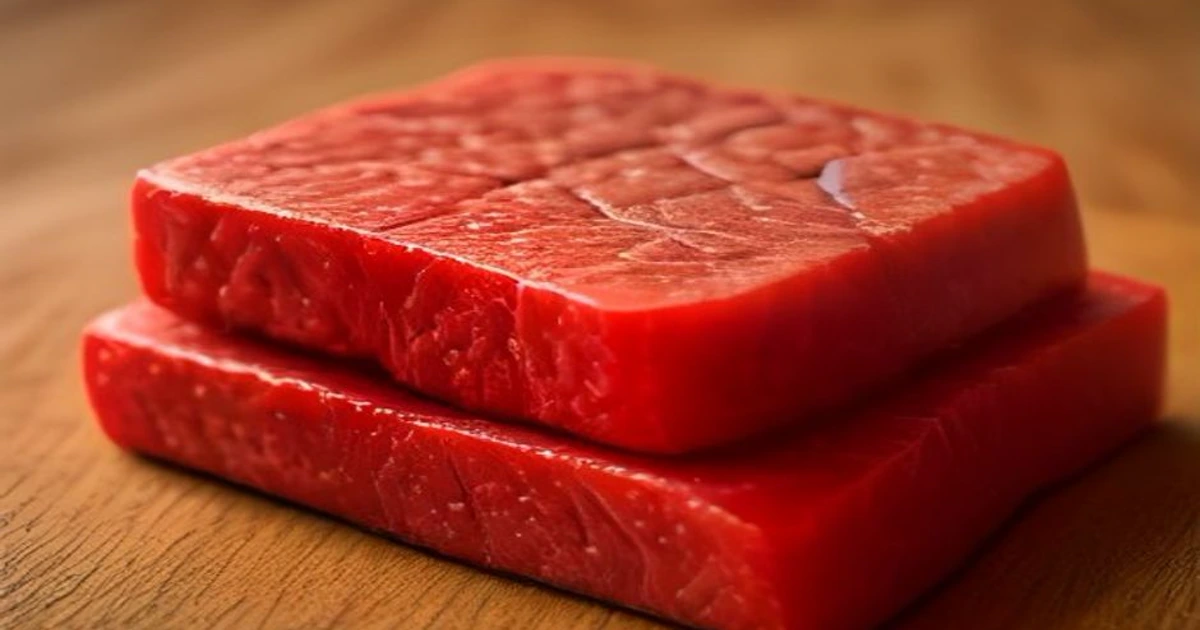
Food sources rich in this compound include beef (about 80 mg per 100 g), lamb, pork and dairy products. Plant-based foods contain very little L-Carnitine, which is why vegans and vegetarians often have lower concentrations of this amino acid in their bodies. It is important to note that even a well-balanced diet does not always ensure an adequate L-Carnitine intake, especially for athletes or older adults.
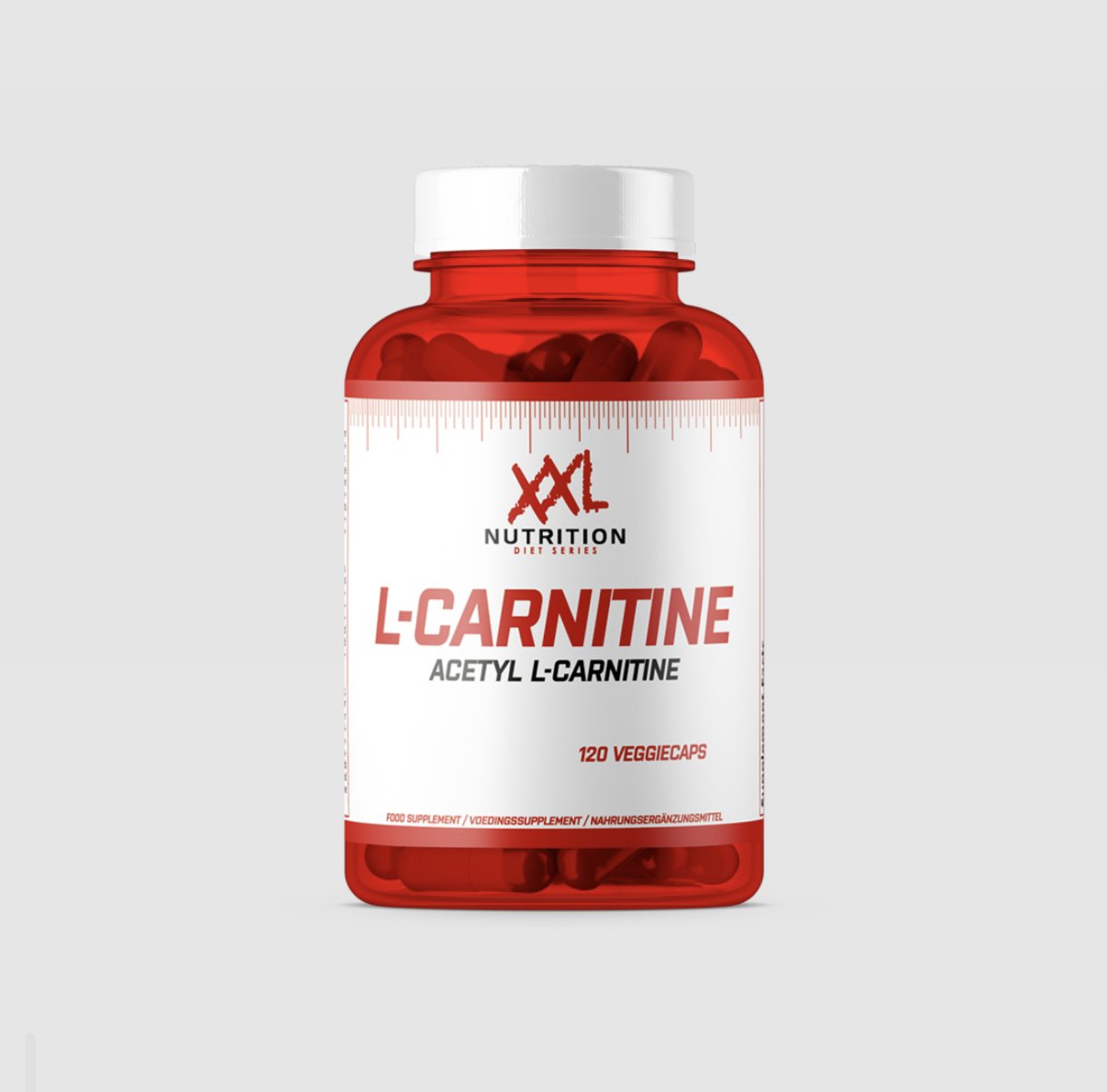
In supplement form, L-Carnitine is most commonly found as L-Carnitine tartrate, L-Carnitine fumarate or Acetyl-L-Carnitine. Each form offers specific advantages — for example, Acetyl-L-Carnitine 500 mg crosses the blood–brain barrier more easily, thereby additionally improving concentration and memory, not just energy production.
1. Energy Production and Fatigue Reduction
The main benefit of L-Carnitine is supporting energy production at the cellular level. This amino acid acts as a transport system, carrying fatty acids into the mitochondria, where beta oxidation takes place. Without L-Carnitine, the mitochondria would simply not receive enough “fuel” for energy production.
Studies show that L-Carnitine supplements can reduce physical and mental fatigue, especially in people with lower natural concentrations of this compound. For older adults, whose L-Carnitine levels naturally decline, these supplements can significantly improve energy levels and overall well-being. The effect of L-Carnitine is particularly noticeable when experiencing chronic fatigue or low energy throughout the day.
2. Fat Burning and Weight Control
One of the most frequently mentioned properties of L-Carnitine is its ability to promote fat burning. The mechanism is simple: the more L-Carnitine present in the body, the more efficiently fatty acids are transported into the mitochondria and converted into energy. Without sufficient L-Carnitine, fat simply accumulates instead of being used.
Scientific studies confirm that L-Carnitine supplements can increase fat oxidation by up to 15–20%, especially when taken before physical exertion. It is important to understand that this amino acid is not a “magic pill” — the best results are achieved when combined with regular exercise and a balanced diet. For people seeking weight control, fat-burning complexes with L-Carnitine can be an effective aid in achieving a leaner physique.
3. Improving Athletic Performance
For athletes, L-Carnitine is especially valuable for its ability to increase endurance and reduce muscle fatigue. Studies with professional athletes have shown that L-Carnitine supplements can increase maximal oxygen uptake (VO₂ max) and improve performance during prolonged endurance training sessions.
Taking L-Carnitine before a workout helps the body use fat more efficiently as an energy source, thereby sparing glycogen stores in the muscles. This means an athlete can maintain high intensity for longer without feeling fatigued. In addition, this amino acid improves blood flow to the muscles, so they receive more oxygen and nutrients during training.
4. Muscle Recovery After Workouts
After intense training, lactic acid accumulates in the muscles and micro-tears occur, causing muscle soreness (DOMS). L-Carnitine helps reduce this damage by improving blood circulation and accelerating the removal of metabolic waste products from muscle tissue.
Scientific studies show that L-Carnitine supplements can reduce markers of muscle damage (creatine kinase levels) after intense physical exertion by up to 30%. This means faster recovery, less muscle soreness and the ability to train more frequently without the risk of overtraining. For active people, this property of carnitine is one of the most important reasons to include it in their daily supplement routine.
5. Heart and Cardiovascular Health
The heart muscle is one of the organs that consumes the most energy, and its primary fuel source is fatty acids. L-Carnitine plays a critical role in the heart’s energy metabolism, so adequate levels are essential for maintaining normal heart function.
Clinical studies have shown that L-Carnitine supplements can lower blood pressure, improve the lipid profile (reduce triglyceride levels) and reduce symptoms of heart failure. According to research published by the National Institutes of Health (NIH), this amino acid is particularly beneficial for people with cardiovascular disease, as it helps improve the heart’s energy metabolism.
6. Supporting Brain Function
The Acetyl-L-Carnitine form stands out for its ability to cross the blood–brain barrier and directly affect brain cells. This form of L-Carnitine improves mitochondrial function in neurons and increases the production of acetylcholine — an important neurotransmitter responsible for memory and learning.
Studies with older adults have shown that Acetyl-L-Carnitine can improve cognitive function, reduce mental fatigue and even slow down age-related cognitive decline. For students and knowledge workers, this amino acid can help maintain concentration during long work or study sessions. It is worth mentioning that L-Carnitine’s benefits for the brain are also linked to better energy production — the brain consumes about 20% of the body’s total energy.
7. Antioxidant Protection
L-Carnitine possesses antioxidant properties — it helps protect cells from oxidative stress caused by free radicals. Oxidative stress is one of the main factors in cellular aging and various chronic diseases, which makes this benefit of L-Carnitine especially valuable.
Research shows that L-Carnitine can increase the activity of antioxidant enzymes such as superoxide dismutase (SOD) and glutathione peroxidase. This helps protect cell membranes from damage and maintain healthy cellular function. Antioxidant protection is especially important for active people, because intense training increases oxidative stress in the body.
How to Take L-Carnitine?
Proper L-Carnitine supplementation depends on your goals. Here are the main recommendations:
- Recommended dose: 500–2000 mg per day. For general health and energy, 500–1000 mg is sufficient; athletes are advised to take 1000–2000 mg. The Acetyl-L-Carnitine form — 500–1500 mg per day.
- When to take: Best in the morning or 30–60 minutes before a workout. Avoid taking it in the evening, as L-Carnitine can raise energy levels and disrupt sleep.
- Duration of use: L-Carnitine can be taken long-term. It is recommended to follow 8–12 week cycles with a 2–4 week break in between.
- Maximum safe dose: Up to 3000 mg per day. Higher doses may cause digestive discomfort.
For the best results, choose high-quality L-Carnitine supplements. For example, Acetyl-L-Carnitine 500 mg is a high-quality form of L-Carnitine that not only supports energy production but also promotes brain function. Taking 1–2 capsules per day before a workout or in the morning can produce a noticeable improvement in energy levels.
Possible Side Effects
L-Carnitine is considered a safe supplement ingredient when taken at recommended doses. However, some people may experience side effects, especially when exceeding the recommended dose:
- Nausea and stomach discomfort (most commonly when taking more than 3000 mg per day)
- Diarrhea or constipation
- A distinctive body odor (“fishy smell”) — occurs rarely, when taking high doses
- Possible sleep disturbances if L-Carnitine is taken in the evening
People with kidney disease must consult a doctor before starting L-Carnitine supplements. Pregnant and breastfeeding women are also advised to seek medical consultation.
L-Carnitine and Sports — What You Need to Know?
In the world of sports, L-Carnitine is one of the most popular supplements thanks to its versatile effects. Unlike creatine, which is mainly intended for increasing strength and explosive power, or L-Arginine, which improves blood circulation, L-Carnitine acts as a metabolic catalyst — it helps the body use fat more efficiently as an energy source.
Endurance athletes (runners, cyclists, swimmers) often choose L-Carnitine for its ability to spare glycogen stores and extend the duration of physical exertion. For strength athletes, this amino acid is beneficial due to faster muscle recovery between training sessions. Combining L-Carnitine with taurine and Coenzyme Q10 can produce a synergistic effect — better energy production, heart function and antioxidant protection.
Frequently Asked Questions
How long does it take for L-Carnitine to start working?
Most people notice the first results after 2–4 weeks of regular use. An improvement in energy levels can be felt as early as the first week, while the fat-burning effect becomes noticeable after 4–8 weeks, especially when combined with physical activity.
Is L-Carnitine suitable for vegans?
Yes, L-Carnitine supplements are usually produced synthetically, so they are suitable for vegans. This is especially relevant because plant-based diets contain very little natural L-Carnitine. For vegan athletes, L-Carnitine can be one of the most important supplements for maintaining energy and metabolism.
Can L-Carnitine be combined with caffeine?
Yes, L-Carnitine and caffeine combine very well. Caffeine stimulates the nervous system, while L-Carnitine helps the body produce energy more efficiently — a common combination in pre-workout supplements. For example, fat-burning complexes often combine both ingredients for a synergistic effect.
Disclaimer: This information is intended for educational purposes only and cannot replace professional medical advice. Before starting any dietary supplements, it is essential to consult a doctor or pharmacist.
Related Articles
- Creatine: 7 Benefits for Muscles, Brain and Athletic Results
- Taurine: 7 Benefits for Energy, Sports and Heart
- L-Arginine: 7 Benefits for Circulation, Sports and Heart