Contents
In short:
- Reishi mushroom (Ganoderma lucidum) — an adaptogenic mushroom valued in traditional Chinese medicine for thousands of years.
- Main active compounds — polysaccharides (beta-glucans) and triterpenes, responsible for different effects.
- Most common reasons for use — supporting immunity, sleep quality, and relaxation.
- Not an edible mushroom — tough and bitter, so it is taken as an extract, powder, or capsules.
Reishi mushroom is one of the most extensively studied medicinal mushrooms in the world. In China it has been called the “mushroom of immortality” for centuries and used to support the body’s overall resilience. Today reishi mushroom extracts are popular in Lithuania too — people choose them as a natural way to support immunity, better sleep, and calm. In this article we review what is actually known about the effects of reishi mushroom, how to take it correctly, and what to pay attention to.
Key takeaways
- Reishi mushroom — an adaptogen: its polysaccharides (beta-glucans) are linked to immune modulation, while triterpenes are linked to calming effects.
- Sleep and stress — studies suggest reishi mushroom may help shorten the time it takes to fall asleep and support calm, but the effect appears gradually over several weeks.
- The form matters a lot — a dual extract (water and alcohol) draws out both polysaccharides and triterpenes, so it is considered the most complete.
What is reishi mushroom?
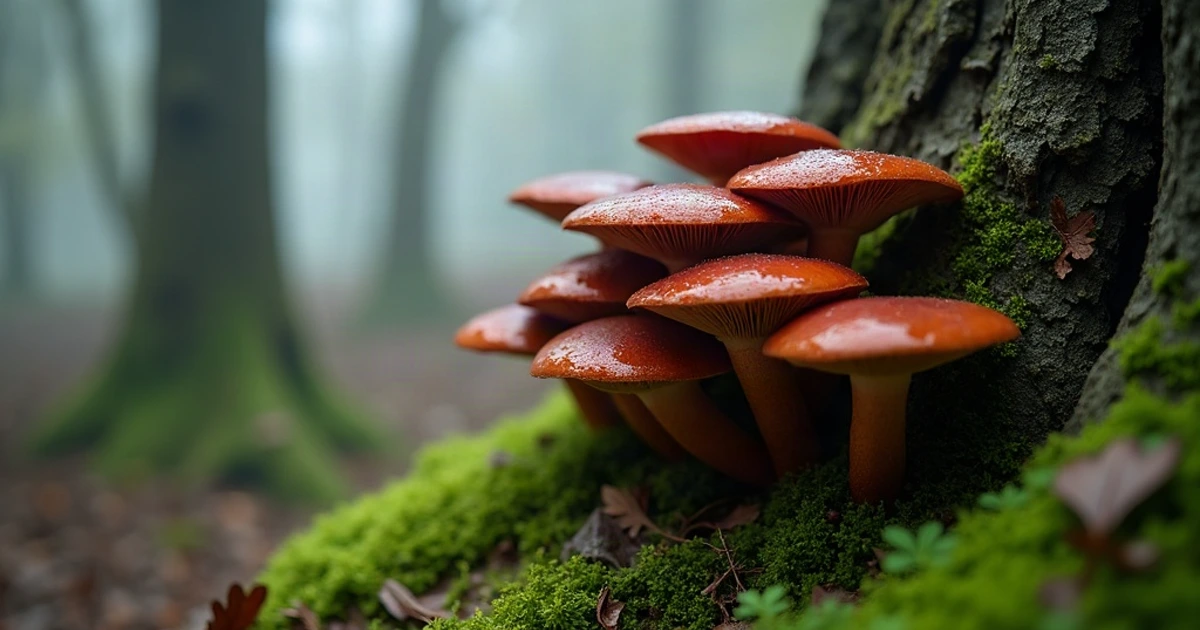
Reishi mushroom (lat. Ganoderma lucidum) is a mushroom that grows on tree trunks; in Lithuania it is known as ‘tikrinis blizgutis’ (the lacquered bracket fungus). In the Chinese tradition it is known as “lingzhi”, in Japanese — “reishi”, and both names mean “the mushroom of spiritual power”. Unlike ordinary edible mushrooms, the reishi cap is hard, woody, and glossy — which is exactly why the Lithuanian name means “glossy one”.
In nature this mushroom grows on dead or weakened hardwood trees — oaks, plums, and elms. Its cap is reddish-brown, shiny, as if lacquered, and the underside is white or cream with fine pores. Traditionally reishi mushroom was so rare that only the nobility could afford it — which is why in China it earned the name “mushroom of immortality”.
Reishi mushroom is not meant to be eaten — it is too tough and very bitter. Instead, extracts, powders, and capsules are made from it. In traditional Chinese medicine reishi mushroom has been used for more than two thousand years to support overall strengthening, vitality, and longevity. A detailed scientific overview of reishi mushroom can be found in the publication of the National Institutes of Health (NIH).
Reishi mushroom for immunity
Supporting immunity is perhaps the most frequently mentioned reason for taking reishi mushroom. The polysaccharides of reishi mushroom, especially beta-glucans, can modulate immune system activity: studies show that they may stimulate the activity of natural killer (NK) cells and macrophages, which help the body recognise and remove foreign cells.
It is important to understand that reishi mushroom does not stimulate the immune system in one direction only — it is considered an immunomodulator, meaning a substance that may help balance an immune response that is too weak or too active. Because of this property, reishi mushroom extracts are often included in autumn and winter supplement routines together with vitamin D and zinc.
Besides polysaccharides, reishi mushroom is also rich in antioxidants — triterpenes and phenolic compounds that help neutralise free radicals. It is precisely this combination of antioxidant activity and immune modulation that is most often named as the main value of reishi mushroom in supporting the body’s overall resilience.
Reishi mushroom for sleep and relaxation
Reishi mushroom is traditionally associated with calm and better sleep. The compounds most often credited with this effect are triterpenes — substances that show sedative activity in laboratory studies. A few small clinical studies show that reishi mushroom extract may help shorten the time it takes to fall asleep and improve subjectively rated sleep quality.
Here it is important to set the right expectations: reishi mushroom is not a sleeping pill and does not work like melatonin, which directly regulates the circadian rhythm. The effect of reishi mushroom is more related to general relaxation and reducing anxiety than to quickly putting you to sleep. Most people notice a change only after several weeks of regular use, so reishi mushroom is worth taking in the evening as part of a calming nighttime routine.
Reishi mushroom and stress management
Reishi mushroom belongs to the group of adaptogens — natural substances that help the body adapt more easily to physical and emotional stress. In Asian countries reishi mushroom is traditionally used to reduce fatigue and maintain vitality, and one of its classic indications in Chinese medicine is a state described as “nervous exhaustion”.
Newer human studies show that reishi mushroom extract may help reduce perceived fatigue and improve overall well-being in people suffering from chronic fatigue syndrome. However, data in this area are still limited, so the effect of reishi mushroom on stress should be assessed cautiously — it may be useful as a supportive measure, but it does not replace sleep, movement, and rest routines.
It is important to distinguish adaptogens from stimulants or sedatives: reishi mushroom causes neither a sudden surge of energy nor drowsiness. It works gradually, helping the body maintain balance over the long term. For this reason reishi mushroom is most often recommended as a long-term rather than an emergency measure.
Reishi mushroom and cardiovascular health
Another research direction for reishi mushroom is cardiovascular health. Some studies show that the triterpenes of reishi mushroom may help maintain normal blood pressure and blood cholesterol levels. These data come mainly from animal studies and small human trials, so they cannot be considered final.
If you already take blood pressure or cholesterol medications, be sure to consult your doctor before taking reishi mushroom — reishi may strengthen the effect of these drugs. We cover this in more detail in the section on interactions with medications.
Reishi mushroom and liver health
Reishi mushroom is also traditionally used to support liver function. The triterpenes in reishi mushroom have antioxidant activity that may help protect liver cells from oxidative damage. Animal studies show that reishi mushroom extract can reduce liver damage caused by various toxic substances.
However, these results have not yet been sufficiently confirmed in large human trials, so reishi mushroom should not be treated as a remedy for liver disease. People who already have liver disorders or take liver-affecting medications are advised to consult a doctor before taking reishi mushroom.
What determines the effects of reishi mushroom
The effect of reishi mushroom depends heavily on which form and which extract is used. There are two main active substance groups: polysaccharides (beta-glucans), which dissolve well in water, and triterpenes, which dissolve in alcohol. For this reason the most complete option is considered a dual extract made using both water and alcohol — it draws out both substance groups.
When choosing a reishi mushroom supplement, pay attention to the type of extract and the standardisation indicated on the label: quality products state the polysaccharide or triterpene content. Mushroom powders (not extracts) have a lower concentration of active substances because the mushroom cell wall, made of chitin, is difficult to digest.
The quality of reishi mushroom also depends on the cultivation method. Traditionally the mushroom is grown on hardwood logs, while industrially it is grown on grain or sawdust substrate. The log method is considered closer to natural growth and is often associated with a higher triterpene concentration, so it is worth paying attention to the cultivation method stated by the manufacturer.
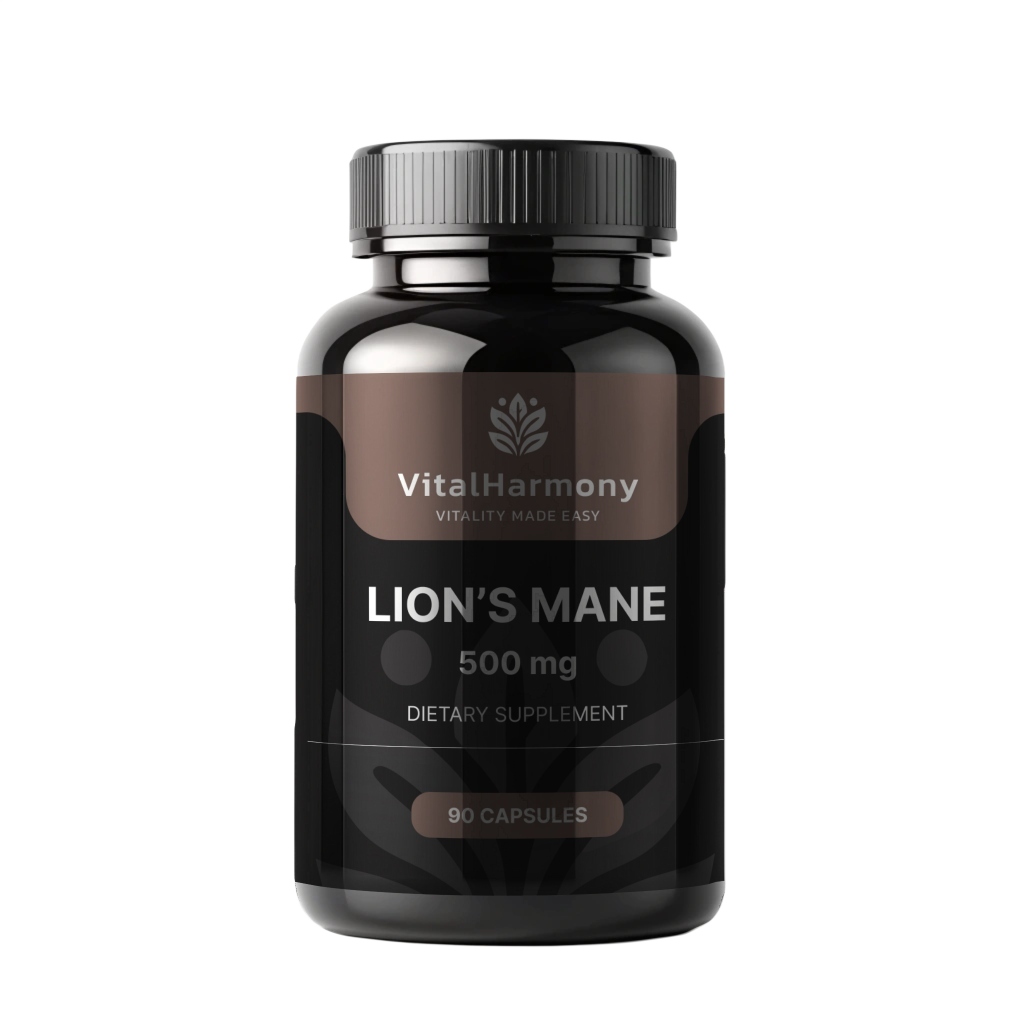
In the StayStrong range you will also find other medicinal mushroom supplements, for example Lion’s Mane 500 mg extract, designed for focus and nervous system support.
How to take reishi mushroom
The dosage of reishi mushroom depends on the form. For dried mushroom or mushroom powder, 1–6 grams per day are usually taken, and for concentrated extract — 1–2 grams per day, usually split into one or two servings. It is most accurate to follow the recommended dose stated on the label of the specific product.
When to take it? If you take reishi mushroom for sleep and relaxation — best in the evening, before bed. If for immunity or general support — it can be taken in the morning or during the day, preferably with food. The effect of reishi mushroom accumulates, so most experts recommend taking it for at least 4–8 weeks for a noticeable result to appear.
The maximum safe dose of reishi mushroom in humans is not precisely established, but in studies up to 6 grams of the mushroom per day were generally well tolerated. Still, it is not recommended to exceed the dose stated by the manufacturer.
Traditionally reishi mushroom was prepared as tea or a decoction — by simmering hard mushroom pieces in water for a long time. Today the most convenient form is standardised capsules or powder, whose dose is clearly stated on the label. If you choose powder, it can be mixed into tea, coffee, or smoothies, although the bitterness may be noticeable.
Possible side effects
Reishi mushroom is well tolerated by most people, but some may experience mild side effects: dryness of the mouth or throat, dizziness, stomach discomfort, or a skin rash. These symptoms usually pass once use is stopped.
Reishi mushroom is not recommended for pregnant or breastfeeding women, because there is insufficient data on safety during these periods. People with autoimmune diseases should take reishi mushroom with caution — because of its immunomodulatory effect, reishi may affect immune system activity. In such a case, a doctor’s consultation is essential before use.
Reishi mushroom and medications — what you should know
Reishi mushroom can interact with several types of medication, so this section is important to read carefully. Because of a possible effect on blood clotting, reishi mushroom is not recommended to be taken together with blood-thinning medications such as warfarin — this may increase the risk of bleeding. Before a planned surgery, it is recommended to stop taking reishi mushroom at least two weeks in advance.
Reishi mushroom may also strengthen the effect of blood-pressure-lowering and blood-sugar-regulating medications, so medical supervision is essential when taking these. If you take any prescription medications, consult your doctor or pharmacist before taking reishi mushroom.
Frequently asked questions
Is reishi mushroom safe?
Yes, reishi mushroom is generally safe for healthy adults when taken at recommended doses. However, it is not recommended for pregnant or breastfeeding women, or for people taking blood-thinning medications.
How long can reishi mushroom be taken?
Reishi mushroom is most often taken in courses of 1–3 months. Because the effect accumulates gradually, taking it for less than a few weeks often produces no noticeable result. A break is recommended after a course.
Is reishi mushroom suitable for children?
The safety of reishi mushroom in children has not been sufficiently studied, so it is not recommended to give it to children without a doctor’s recommendation. Reishi mushroom supplements are most often intended for adults.
Which form of reishi mushroom is best?
The best is considered a dual extract (water and alcohol), which draws out both polysaccharides and triterpenes. When choosing a product, pay attention to the standardised polysaccharide or triterpene content on the label.
Can reishi mushroom be combined with other supplements?
Reishi mushroom is often combined with other medicinal mushrooms such as lion’s mane (Lion’s Mane), or with vitamin D and zinc during the immunity season. Still, before combining several supplements, consult your doctor or pharmacist.
Disclaimer: This information is for educational purposes only and cannot replace professional medical advice. Before taking any food supplements, consult your doctor or pharmacist.
Related articles
- Lion’s mane: benefits for the brain and focus
- Ashwagandha: benefits for stress and energy
- Melatonin: benefits for sleep and health