
Melatonin is a natural sleep hormone produced by the pineal gland in our body in response to darkness. More and more people struggle with sleep disorders, find it hard to fall asleep, and wake up feeling unrested in the morning. It is important to understand that high-quality melatonin supplements can provide safe and effective support in restoring a natural sleep rhythm. In this article, you will discover the 7 most important benefits of melatonin, how to take it correctly, and what to look for when choosing a supplement.
Key Takeaways
- Melatonin — helps shorten the time it takes to fall asleep by an average of 7-12 minutes and improves overall sleep quality.
- Natural hormone — unlike prescription sleeping pills, melatonin does not cause dependence and has minimal side effects.
- Jet lag solution — taking melatonin supplements while traveling helps the circadian rhythm reset up to 50% faster.
- Antioxidant protection — melatonin is one of the strongest endogenous antioxidants, protecting cells from oxidative stress.
Table of Contents
What Is Melatonin?
Melatonin is a natural hormone produced by the pineal gland in the brain. Its production is directly linked to the light cycle — when it gets dark, melatonin levels begin to rise, signaling the body that it is time to prepare for sleep. In the morning, exposure to light reduces melatonin production and you feel alert.
Unfortunately, the modern lifestyle — artificial light, screens, irregular sleep schedules, and stress — disrupts natural melatonin production. That is exactly why melatonin supplements have become one of the most popular natural sleep aids in the world. According to the National Institutes of Health (NIH), millions of people regularly take melatonin supplements to improve sleep quality.
1. Improves Sleep Quality
The first and most important benefit of melatonin is a significant improvement in sleep quality. Studies show that regular use of melatonin supplements increases sleep efficiency by an average of 7-8% and reduces nighttime awakenings. This means you not only fall asleep more easily, but you also sleep more deeply, without frequent interruptions.
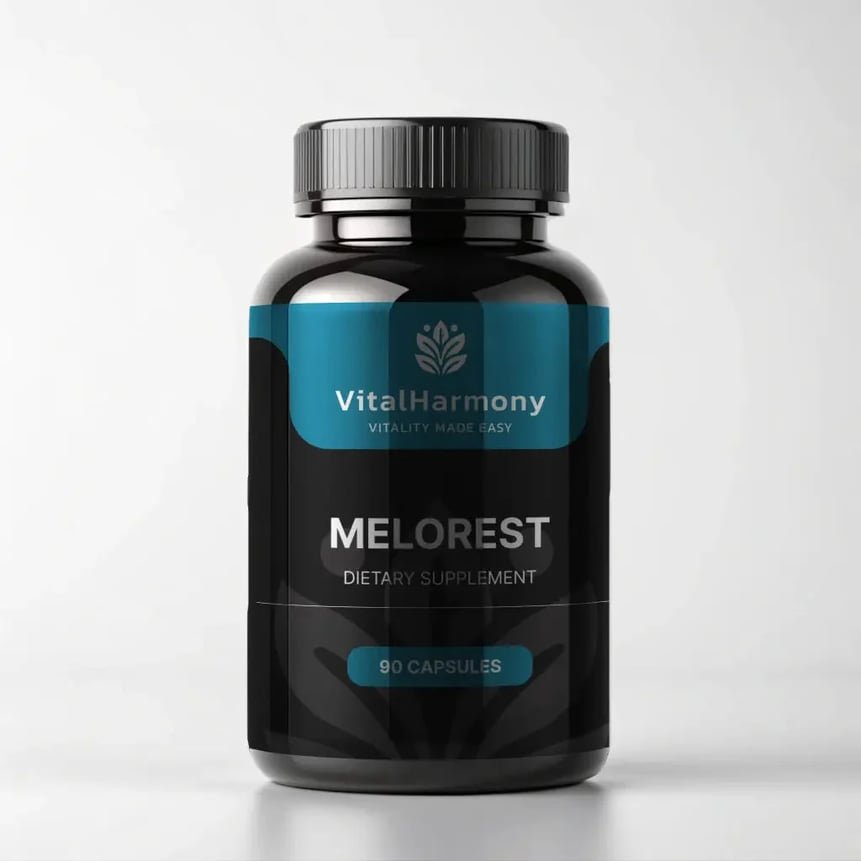
Unlike many sleeping medications, melatonin does not “force” you to sleep — it gently prepares the body for a natural sleep cycle. This is especially important for people who feel tired but cannot fall asleep due to “overactive thoughts”. High-quality melatonin supplements, such as VitalHarmony Melorest – Natural sleep support with 1 mg melatonin, provide an optimal starting dose for gentle sleep induction.
2. Helps You Fall Asleep Faster
One of the most common reasons people choose melatonin is a shorter time to fall asleep. Clinical trials show that melatonin reduces the time needed to fall asleep by an average of 7-12 minutes. While this may not seem like much, consistently falling asleep faster significantly improves sleep quality and duration.
Melatonin is especially effective for people who “toss and turn in bed” for more than 30 minutes. It is important to note that melatonin does not work instantly — it needs to be taken regularly, at the same time each day, so the body can get used to the “time to sleep” signal. Melatonin’s effect on falling asleep is cumulative — the best results are achieved after 1-2 weeks of regular use.
3. Regulates the Circadian Rhythm
The circadian rhythm is the body’s internal “biological clock” that regulates the sleep-wake cycle, hormone secretion, and body temperature. When this rhythm is disrupted (due to shift work, travel, or an irregular schedule), not only does sleep suffer, but so does overall well-being. Melatonin acts as a key regulator of the circadian rhythm, helping to “reprogram” the internal clock.
People who work night shifts often experience what is known as “shift work sleep disorder”. Regularly taking melatonin supplements helps the body adapt better to a changed sleep schedule. This property of melatonin also helps older adults, whose natural melatonin production declines with age.
4. Reduces Jet Lag Symptoms
Jet lag is a common problem for travelers, when the body’s circadian rhythm is out of sync with local time. Symptoms include fatigue, insomnia, irritability, and difficulty concentrating. Melatonin is one of the most effective natural remedies for the prevention and treatment of jet lag.
It is recommended to start taking melatonin supplements 1-2 days before the trip, taking them in the evening according to the destination’s time zone. When flying east (when time is “lost”), melatonin helps you adapt faster to an earlier bedtime. Studies show that regular melatonin use helps the circadian rhythm reset up to 50% faster than without supplements. Travelers looking for a reliable source of melatonin should choose supplements with a balanced 1-3 mg dose.
5. Antioxidant Protection
A lesser-known but very important function of melatonin is its powerful antioxidant activity. Melatonin is one of the strongest endogenous (body-produced) antioxidants, capable of neutralizing free radicals and protecting cells from oxidative stress. Unlike many other antioxidants, melatonin easily crosses cell membranes and even reaches the mitochondria — the cells’ “power plants”.
Oxidative stress is associated with the aging process, chronic diseases, and inflammation. Regular melatonin use may help reduce oxidative damage, especially in brain tissue, which is highly sensitive to free radicals. For this reason, melatonin is increasingly being studied in the context of neuroprotection — as a means that may slow the progression of neurodegenerative diseases.
6. Supports the Immune System
Research reveals that melatonin is closely linked to immune system function. This sleep hormone modulates the immune response — it can both stimulate and suppress immune reactions, depending on the body’s needs. This is especially important during seasonal colds or in cases of chronic inflammation.
Melatonin promotes the activity of natural killer (NK) cells and lymphocytes — the cells responsible for fighting viruses and cancer cells. In addition, adequate melatonin levels help maintain a healthy sleep-immunity connection: the better you sleep, the stronger your immune system. When choosing a melatonin supplement, look for clean products without unnecessary additives.
7. Helps with Seasonal Mood Disorders
Seasonal affective disorder (SAD) is a decline in mood during the dark time of the year, most commonly in autumn and winter. This disorder is linked to a disrupted circadian rhythm and reduced melatonin regulation. With less daylight, the body may “not know” when to start and stop melatonin production, which also disrupts mood regulation.
Although melatonin is not an antidepressant, its ability to regulate the circadian rhythm indirectly improves mood, especially in people sensitive to seasonal changes. Some studies suggest that low doses of melatonin (0.5-1 mg) may be more effective for mood regulation than high doses. Nevertheless, more clinical research is needed in this area.
How to Take Melatonin?
Taking melatonin correctly is the key to the best results. Here are the main recommendations:
- Recommended dose: start with 1-3 mg per day. If needed, the dose can be increased to 5 mg, but higher doses are rarely more effective. VitalHarmony Melorest provides a 1 mg dose — optimal for beginners.
- When to take: 30-60 minutes before your planned bedtime. Take it regularly, at the same time every evening.
- Duration of use: for short-term use of up to 3 months. For longer use, a doctor’s consultation is recommended.
- Maximum safe dose: up to 10 mg per day, but such doses are only recommended in exceptional cases and for a short period of time.
- Tip: avoid bright light and screens after taking melatonin — blue light suppresses melatonin production and reduces the supplement’s effectiveness.
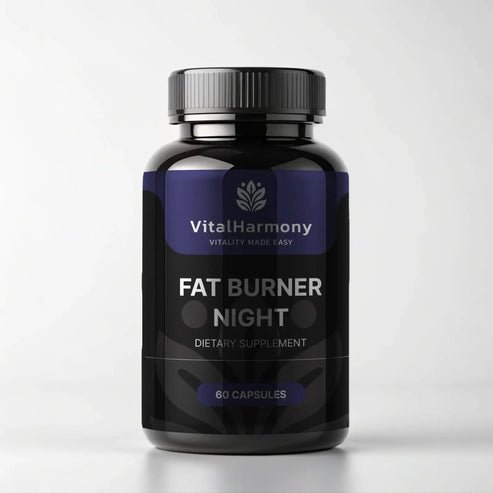
Combining melatonin with magnesium can yield even better results — magnesium relaxes the muscles and nervous system, while melatonin regulates the sleep cycle. VH.Nutra Fat Burner Night combines the benefits of melatonin and magnesium bisglycinate in a single product — an excellent choice for those looking for a comprehensive sleep support formula.
Possible Side Effects
Melatonin is considered a safe supplement for most people, but some may experience side effects, especially when taking higher doses. The most common side effects include: morning drowsiness, headache, dizziness, nausea, or vivid dreams. These symptoms are usually mild and subside within a few days.
Melatonin is not recommended for pregnant or breastfeeding women, people with autoimmune diseases, or those taking blood-thinning medications or immunosuppressants. In addition, melatonin may interact with certain antidepressants and blood sugar-regulating medications. Always consult your doctor if you are taking prescription medications.
Melatonin and Magnesium — What You Should Know?
Melatonin and magnesium are two popular supplements for improving sleep quality, but they work differently. Magnesium relaxes muscles, reduces stress, and activates the parasympathetic nervous system (the “rest and digest” state). Melatonin, on the other hand, directly regulates the circadian rhythm. Combining these two supplements can produce a synergistic effect: magnesium physically prepares the body for sleep, while melatonin “sets” the biological clock.
When choosing a melatonin supplement, pay attention to the product form and additional ingredients. Some products provide pure melatonin, while others — like our previously mentioned VH.Nutra Fat Burner Night — combine melatonin with magnesium bisglycinate, creating a comprehensive sleep support formula. Magnesium bisglycinate is exceptionally well absorbed and gentle on the stomach, making it suitable for long-term use.
Frequently Asked Questions (FAQ)
Does melatonin cause addiction?
Unlike prescription sleeping pills, melatonin does not cause physical dependence. It is a natural hormone — supplements simply add to its levels. However, long-term use may reduce natural production, so breaks are recommended.
When is the best time to take melatonin?
The optimal time is 30-60 minutes before bedtime. If you take it too early, you may feel drowsy too early in the evening. If you take it too late, the effect may be weaker. Consistency is what matters most. For example, VitalHarmony Melorest with 1 mg melatonin is ideal for beginners who want to gently regulate their sleep rhythm.
Can melatonin be taken with other supplements?
Yes, melatonin combines well with many supplements. A particularly recommended combination is with magnesium (for muscle relaxation), GABA (for calmness), and L-theanine (for relaxation without drowsiness). However, it is not recommended to combine it with other sleeping pills or sedatives without consulting a doctor.
How long can melatonin be taken without a break?
Most experts recommend taking melatonin for up to 3 months without a break, followed by a break of at least 1-2 weeks. For some people, it is enough to take melatonin only when needed (travel, stress, schedule changes) rather than daily — this is a safer long-term approach.
Disclaimer: This information is intended for educational purposes only and cannot replace professional medical advice. Before starting any dietary supplement, it is essential to consult a doctor or pharmacist.
Related Articles
- Magnesium: 7 Benefits for Sleep, Muscles, and Health
- GABA: 7 Benefits for Calmness, Sleep, and Emotional Health
- L-Theanine: 5 Benefits for Calmness and Concentration