
Table of contents
In short:
- Chamomile (Matricaria chamomilla) is one of the most popular medicinal herbs in the world, traditionally used for teas, rinses and compresses.
- Its most valuable compounds – apigenin, bisabolol and chamazulene – are linked to calming and anti-inflammatory effects.
- Traditionally used to support sleep, digestion, skin irritation and cold symptoms.
- Most often drunk as a tea; consult a doctor before combining with medicines or during pregnancy.
Chamomile is perhaps the best-known calming herb, one that many people associate with a warm cup of tea before bed. Behind this gentle habit lies a centuries-old tradition: in Europe, German chamomile was used not only for calmness but also for stomach complaints, skin irritation and cold symptoms. In this article we look at how chamomile benefits sleep, digestion and skin, and how to use it safely.
Key takeaways
- Chamomile is a traditionally used herb whose calming effect is mostly linked to the flavonoid apigenin.
- Chamomile tea is usually drunk before bed or after a meal when you feel bloated and gassy.
- Most knowledge about its benefits comes from traditional use and small studies; it is not a medicine but a supportive measure.
- People allergic to the aster family and those taking blood thinners should be cautious.
What is chamomile?
German chamomile (Matricaria chamomilla, also called Matricaria recutita) is an annual herbaceous plant from the aster (Asteraceae) family. It is easy to recognise by its white petals and yellow centre, and its aroma is a gentle, apple-like scent. This is the species used for medicinal purposes, so it is important not to confuse it with ornamental or wild relatives.
The useful compounds concentrated in the flowers, most often mentioned in scientific literature, are the flavonoid apigenin, the terpenoids bisabolol and chamazulene, and matricin derivatives. Apigenin is most closely linked to the calming effect, while bisabolol and chamazulene are linked to anti-inflammatory properties. Interestingly, chamazulene gives the essential oil its characteristic bluish tint, which appears during distillation.
Chamomile is used in various forms – most often as tea made from dried flowers, less often as a liquid extract, tincture or capsules. Externally, the infusion is used for rinses, compresses and baths. Worldwide it is one of the most frequently used medicinal herbs, and its popularity stems not only from tradition but also from a very gentle effect that suits most people.
Chamomile is among the oldest documented medicinal herbs – physicians mentioned it as far back as antiquity, and the tradition of use has survived to this day. Today the plant is grown commercially in many countries, and for quality raw material it is essential to harvest only fully opened flowers, because that is where the highest concentration of active compounds accumulates. Dried flowers should keep a yellowish centre and a characteristic scent – these are among the simplest signs of quality.
Chamomile benefits for sleep
Chamomile tea before bed is probably the most widespread way of using this herb. The practice is based on apigenin’s ability to bind to the same brain receptors that some sedative medicines also act on. The effect, however, is considerably milder, so chamomile is better suited as part of an evening ritual rather than as a strong sleep aid.
Small studies with older adults and nursing home residents noted a modest improvement in sleep quality when chamomile tea was drunk regularly, but the evidence is still limited and the results are inconsistent. In practice, the greatest value usually comes from the ritual itself – a warm drink, a slower pace and a break from screens, which on their own make falling asleep easier.
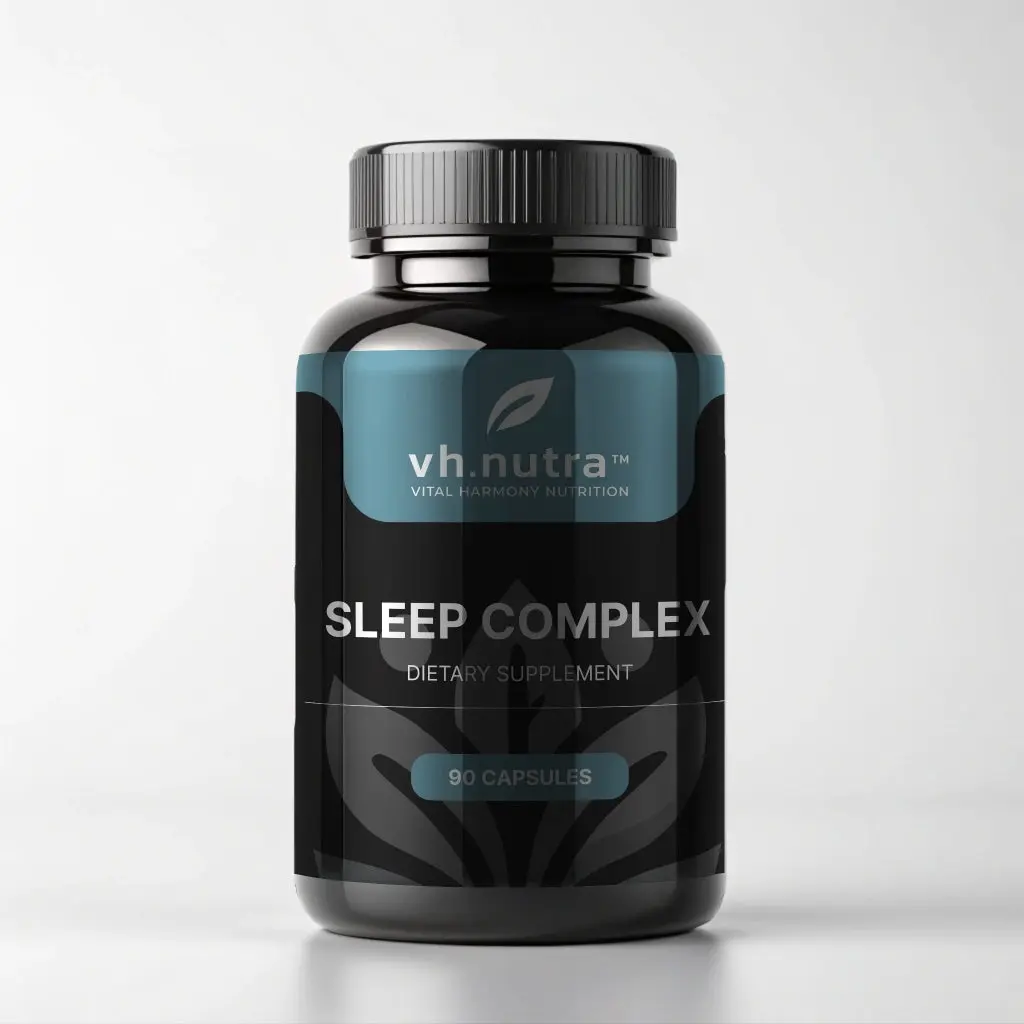
If you are looking for stronger and better-studied sleep support, consider combined supplements such as VH.Nutra Sleep Complex, which combines passionflower, valerian and lemon balm. Read more about natural sleep aids in the article Valerian: Benefits for Sleep, Anxiety and Relaxation.
Chamomile benefits for digestion
Chamomile is traditionally used for stomach and intestinal complaints – a feeling of fullness, gas build-up, mild cramps and indigestion. The plant’s compounds are thought to help relax the smooth muscles of the digestive tract, which reduces cramps and the feeling of distension. The warm liquid itself also soothes the stomach.
This effect is also called carminative and antispasmodic – meaning the herb may help release trapped gas and calm a tense intestine. That is why chamomile tea is often drunk after a heavy meal or when bloating is caused by stress. However, if digestive problems persist, it is important to find out their cause rather than relying on herbs alone.
Enzyme complexes can provide additional support for digestion. For example, VH.Nutra DigeZyme® combines five enzymes – amylase, protease, lipase, cellulase and lactase – which take part in breaking down carbohydrates, proteins and fats. Read more on this topic in the article Digestive Enzymes: 7 Benefits for Digestion, Energy and Health.
Chamomile benefits for skin
Chamomile is used not only internally but also externally. The cooled infusion is used to rinse irritated skin, compresses are applied to reddened areas, and chamomile extracts can be found in creams, ointments and bath products. This tradition is grounded in the anti-inflammatory properties of bisabolol and chamazulene.
Cell-culture studies and small clinical trials suggest that chamomile preparations can help soothe mild skin irritation and support the healing of small wounds. However, this does not mean chamomile treats serious skin conditions – in that case a dermatologist’s consultation is essential. Externally, chamomile is usually well tolerated, although people with sensitive skin should first test it on a small area.
The most popular external remedies are warm compresses for tired or reddened eyes, chamomile baths for sensitive skin and facial steam inhalations. In all cases it is important that the infusion is cooled to a comfortable temperature so it does not damage the skin. If the skin is very sensitive or damaged, consult a specialist before using any herbal remedy.
Chamomile benefits for immunity and colds
During a cold, chamomile tea is drunk not only for warmth but also because of the traditional belief that it helps the body fight infection. The warm infusion is often used to gargle a sore throat, and inhaling the steam eases breathing. These methods relieve symptoms more than they directly treat the illness.
Scientific evidence on chamomile’s effect on immunity is limited. Some laboratory studies suggest the plant’s compounds may influence inflammatory processes, but there is no reliable evidence that chamomile shortens a cold. In other words, a cup of warm tea provides comfort and extra fluids, which genuinely matters when you are ill.
A popular home practice is to combine chamomile tea with a teaspoon of honey and a slice of lemon. Honey soothes the throat, lemon enriches the drink with vitamin C, and warm tea helps maintain fluid balance. It is not a medicine, but this combination helps many people get through cold symptoms more comfortably and provides comfort.
Chamomile tea and calmness
Besides sleep, chamomile is often associated with daytime calm – reducing the feeling of stress, tension and anxiety. By binding to calming receptors, apigenin can provide a gentle sense of relaxation, although it is far weaker than medicines. That is why chamomile tea is usually valued as a simple, pleasant break during a tense day.
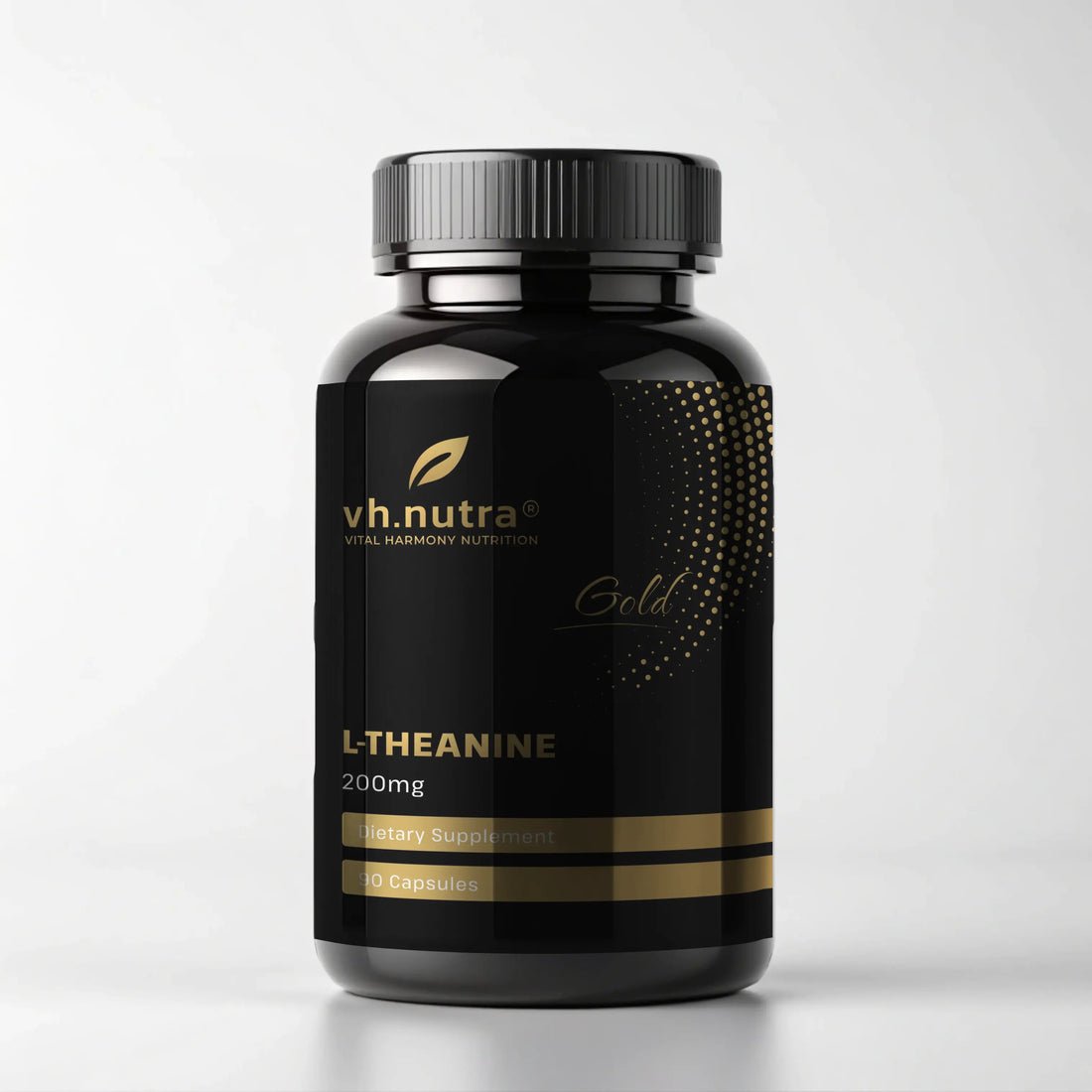
Small studies with people suffering from generalised anxiety gave contradictory results, so chamomile is not considered a primary treatment for anxiety. Still, as part of a daily routine, a warm cup can help you slow down and create a pause. If you want more targeted calm support, consider VH.Nutra L-Theanine – an amino acid often used specifically for relaxation without drowsiness. Read more at L-Theanine: 5 Benefits for Calm and Focus.
How to use chamomile?
The most popular form is chamomile tea. Usually, pour 250 ml of boiling water over 1–2 teaspoons of dried flowers (or one tea bag) and leave for 5–10 minutes. Many people drink 2–3 cups a day, but moderation matters – the effect of large amounts over the long term has not been studied.
When is the best time to drink it? For sleep support – in the evening, about 30–60 minutes before bed. For digestion – after a meal. For gargling, use a warm (not hot) infusion, and for compresses a cooled one. How long to use it? Short courses or occasional use are common practice; for continuous daily use it is worth taking breaks.
A specific maximum safe daily dose has not been scientifically established, because it depends on the form and concentration. For liquid extracts and tinctures, follow the manufacturer’s instructions. Pregnant or breastfeeding women and people taking medicines must consult a doctor or pharmacist before using chamomile.
When choosing raw material, make sure tea bags and loose flowers are stored in a dry, dark place – moisture and light most quickly worsen the aroma and active compounds. Dried chamomile keeps its properties for about a year, so it is better not to use old stocks.
Possible side effects
For most people, chamomile tea is safe and well tolerated. In rare cases nausea or mild dizziness may occur, especially with large amounts or concentrated extracts. Used externally, chamomile may cause local irritation in sensitive people.
The most important warning concerns allergy. Chamomile belongs to the aster family, so people allergic to ragweed, mugwort, marigold or other plants of this family may also react to chamomile. In that case it is best to avoid it entirely, and if a rash, itching or swelling appears – see a doctor immediately.
Interactions with medicines
Chamomile contains coumarin compounds, so theoretically large amounts could enhance the effect of blood-thinning medicines (for example, warfarin). This link is not firmly proven, but people taking such medicines should be cautious and consult a doctor about using chamomile.
Because chamomile has a calming effect, combining it with sleeping pills, sedatives or alcohol may increase drowsiness. When planning surgery, it is often advised to stop herbal teas, including chamomile, about two weeks beforehand. For any combination with medicines, it is safest to consult a doctor or pharmacist.
For more reliable information about chamomile in English, see the page of the National Center for Complementary and Integrative Health – NCCIH: Chamomile.
Frequently asked questions
Does chamomile tea help you fall asleep?
It can help you relax before bed thanks to the mild calming effect of apigenin and the evening ritual itself, but it is not a strong sleep aid. It works as part of sleep hygiene rather than as the main solution for falling asleep.
How many cups of chamomile tea per day?
Many people drink 2–3 cups a day without problems. Larger or more concentrated amounts can cause nausea or increase drowsiness, so keep it moderate and watch your body’s reaction.
Is chamomile suitable during pregnancy?
During pregnancy it is better to avoid large amounts of chamomile or concentrated extracts, because safety has not been sufficiently studied. Even for tea, consult a doctor about use during pregnancy or breastfeeding.
Can chamomile cause allergies?
Yes. Chamomile belongs to the aster family, so people allergic to ragweed, mugwort or marigold may have a cross-allergic reaction. If you notice a rash, itching or swelling, stop using it and see a doctor.
Is chamomile infusion good for rinsing hair?
Yes, cooled chamomile infusion is traditionally used to rinse light hair – it is thought to give a gentle shine and a golden tint. This is a cosmetic, not a therapeutic, remedy.
Disclaimer: This information is for educational purposes only. Before starting to take supplements, consult a doctor or pharmacist.
Related articles
- Valerian: Benefits for Sleep, Anxiety and Relaxation
- Lemon Balm: Benefits for Calm, Sleep and Digestion
- L-Theanine: 5 Benefits for Calm and Focus