
Contents
In short:
- Carnosine – a dipeptide made of beta-alanine and histidine.
- Its highest concentration is in skeletal muscles, heart muscle and the brain.
- It acts as an antioxidant and protects cells from oxidative stress.
- This compound helps slow glycation – a process linked to aging.
- You naturally get it from meat, poultry and fish.
Carnosine is a lesser-known but important compound that your body produces from amino acids. It naturally accumulates in the muscles and brain, and researchers increasingly link it to endurance, cellular protection and healthy aging. In this article we explain what this substance is, what benefits it may offer and how to take it correctly.
Key takeaways
- Carnosine – a dipeptide that acts as an antioxidant and muscle buffer.
- Its highest concentration is in the muscles, heart and brain.
- Beta-alanine is more effective than carnosine itself at raising muscle carnosine levels.
- Consult a doctor or pharmacist before taking supplements.
What is carnosine?
Carnosine is a dipeptide – a molecule made of two amino acids: beta-alanine and histidine. The body produces it naturally, and its highest amounts are found in tissues that need a lot of energy: skeletal muscles, heart muscle and the brain.
The dipeptide structure gives carnosine two important properties: it acts as an antioxidant and as a buffer that helps regulate acidity in the muscles. These functions explain why carnosine interests both athletes and longevity researchers. Detailed chemical properties of the compound can be found in the PubChem database.
In the body this compound is broken down by the enzyme carnosinase, so its levels are not constant. Interestingly, carnosinase activity may change with age, which in turn affects overall carnosine levels in tissues. This mechanism is one reason researchers study this substance’s link to aging processes.
This dipeptide was first described in the early 20th century, and since then its functions in the body have been studied for many decades. Today it is considered one of the most important endogenous buffers and antioxidants, which the body produces without any external help.
It is worth knowing that carnosine is often confused with carnitine, but they are different compounds. Carnitine is involved in transporting fats into the mitochondria, while carnosine is more related to muscle work and protecting cells from damage.
Carnosine benefits for muscles and endurance
One of the most studied properties of this dipeptide is its ability to act as a muscle buffer. During intense training, hydrogen ions accumulate in the muscles, increasing acidity and causing fatigue. Carnosine binds these ions and helps keep muscle pH more stable.
Research shows that higher muscle carnosine levels are linked to better performance in short, high-intensity activities – sprints, lifts and interval training. In sports science this indicator is considered one of the most important markers of anaerobic endurance.
In practice this means that when your muscles start to burn from effort and the pace slows, this buffer helps you hold intensity for a few extra seconds or reps. Although the difference may seem small, in competitive sport it often decides the final result.
It is important to understand the difference: oral carnosine is quickly broken down in the digestive tract, so beta-alanine is more effective at raising muscle carnosine levels. However, carnosine itself is still valued for other effects in the body, which we cover below.
Carnosine and slowing aging
Carnosine is often mentioned when talking about healthy aging because of its anti-glycation effect. Glycation is the process where sugar binds to proteins and forms advanced glycation end products (AGEs). These compounds are linked to skin aging and the gradual decline of cellular function.
Research shows that carnosine can inhibit AGE formation and thus protect proteins from damage. In addition, as an antioxidant it neutralizes free radicals, which are considered one of the causes of aging. These two properties are often mentioned together because they complement each other: one stops harmful bonds, the other removes damage that has already formed.
It is worth noting that AGEs form not only in the body but also in food – especially when frying or baking at high temperature. A balanced diet and moderate consumption of heavily processed food are the simplest ways to reduce the load of these compounds, and supplements can only be a supporting measure here.
Because of these properties carnosine is sometimes called the “longevity molecule”, although it should be stressed that most of the data comes from laboratory and animal studies. More long-term human studies are still needed. If you are interested in antioxidants, it is also worth getting to know coenzyme Q10, which also supports cellular energy.
Carnosine for skin and beauty
Advanced glycation end products do significant damage specifically to the skin, because collagen and elastin are long-lived proteins in which these compounds accumulate over years. When collagen fibers become stiff and inelastic, the skin loses firmness and wrinkles appear.
Because carnosine can inhibit AGE formation, it is sometimes included in beauty and anti-age products. However, it should be stressed that the evidence for topical effects is not very strong, and the effect of oral supplements on the skin is still being studied. A healthy diet, sun protection and enough sleep matter more for the skin than any single compound.
In summary, this substance’s potential in skin care is interesting, but so far it is more theoretical than practically proven. When choosing beauty supplements, evaluate the overall composition and real evidence rather than marketing promises alone.
Carnosine for the brain and nervous system
Since the brain contains quite a lot of this dipeptide, researchers study its role in nervous system health. Carnosine is thought to protect nerve cells from oxidative damage and the accumulation of metals such as zinc and copper.
Some research suggests carnosine may help maintain cognitive function with age, but the evidence is still limited and not conclusive. In laboratory studies this substance showed a protective effect on nerve cells, but transferring such results to humans always requires caution and additional clinical data.
Where to find carnosine in food?
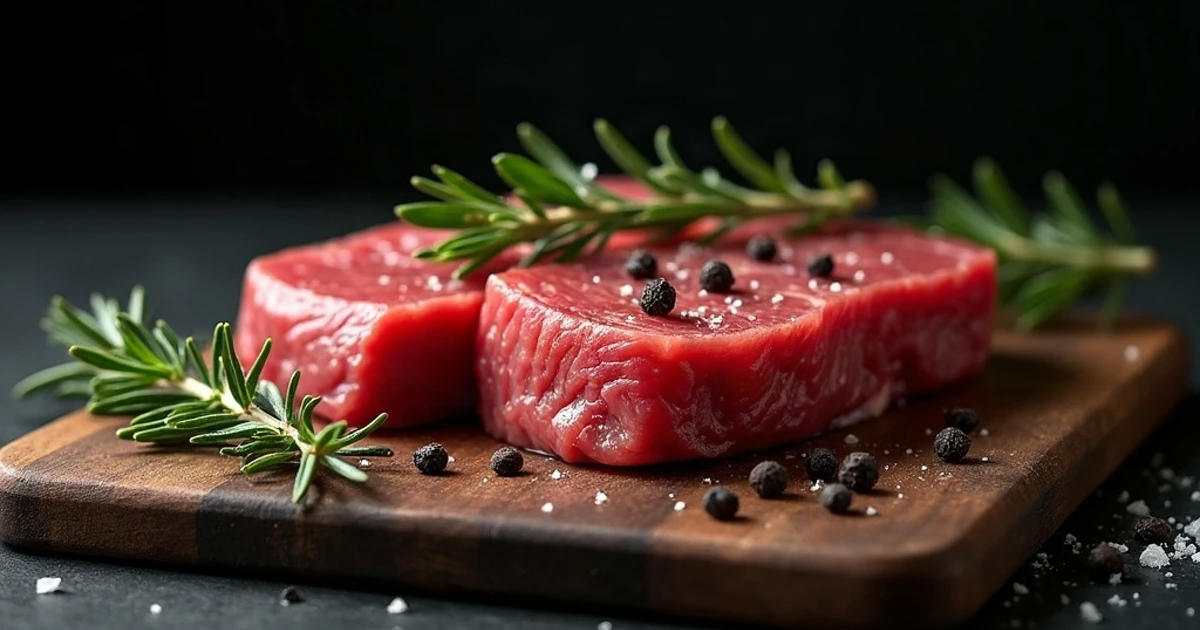
Carnosine comes almost exclusively from animal products, since plants contain almost none of it. It is most abundant in red meat, poultry and fish.
- Beef and pork – among the richest sources of this compound.
- Chicken and turkey – a moderate but stable amount.
- Fish – salmon, tuna and other species.
Vegetarians and vegans find it harder to get carnosine, so for them this compound may be more relevant in supplement form. The body can also produce it itself if it gets enough beta-alanine and histidine.
Interestingly, the cooking method may affect the remaining amount, but exact data on carnosine losses from frying or boiling are inconclusive. The most important thing remains a varied diet with enough animal protein.
Who needs carnosine the most?
Although carnosine can benefit various people, some groups may be more interested in it. First of all, athletes who want to improve performance in high-intensity activities – for them the precursor beta-alanine is usually recommended.
The second group is vegetarians and vegans, whose diet contains almost none of this compound, so their levels may be lower. The third group is older people, since natural carnosine levels in tissues tend to decline with age.
Still, no group should treat this dipeptide as a miracle product. A balanced diet, regular movement and healthy sleep remain the most important foundations of long-term well-being, while supplements are only a supporting measure.
How to take carnosine?
A typical carnosine supplement dose is 500–1000 mg per day, although some studies used higher doses. It is recommended to start with a smaller amount and observe how the body reacts.
This compound can be taken at any time of day, with or without food. There is no single rule about timing, so regularity matters most. The effect is usually not immediate, so carnosine should be taken for at least several weeks to assess how you feel.
The maximum safe dose is not precisely established, but exceeding 1–2 g per day without specialist supervision is not recommended. Before taking supplements, especially if you have health conditions, consult a doctor or pharmacist.
Most people who take this supplement do so for long-term cellular protection, so you should not expect a quick effect. Consistent use for several months is a more sensible approach than short-term trials. If you want results in sport, beta-alanine is more effective.
Carnosine side effects
Carnosine is considered a well-tolerated compound, and serious side effects are rare. Some people may experience mild digestive discomfort or nausea, especially at higher doses.
It is important not to confuse carnosine with beta-alanine, which at high doses can cause skin tingling. Taking carnosine itself is not usually associated with this phenomenon. If you notice unusual symptoms, stop taking it and consult a specialist.
Most studies using standard supplement doses found no serious adverse effects. Nevertheless, long-term safety data for very high doses is still lacking, so sticking to recommended amounts is the most sensible approach.
Does carnosine interact with medications?
There is not much data on carnosine interactions with medications. Since this compound may affect glucose metabolism and blood pressure, people taking diabetes or high blood pressure medications should be cautious.
In all cases, if you take regular medications or have chronic conditions, consult a doctor before starting carnosine. This will help avoid unexpected interactions. A specialist’s consultation is especially important during pregnancy and breastfeeding, when supplement use should be assessed separately and only with a doctor’s approval.
Frequently asked questions
Can carnosine be taken every day?
Yes, carnosine is usually taken daily, following the recommended dose. Regularity matters more than the specific time of day.
How does carnosine differ from beta-alanine?
Carnosine is the final compound, while beta-alanine is its precursor. Oral beta-alanine raises muscle carnosine levels more effectively because carnosine itself is broken down in the digestive tract.
Does carnosine help with sleep?
Carnosine is not directly intended for sleep. Its main properties are related to muscle work, antioxidant protection and slowing cellular aging. If you are looking for sleep support, it is worth choosing dedicated compounds such as melatonin or magnesium.
Is carnosine suitable for vegetarians?
Since food sources of carnosine are almost exclusively animal-based, supplements may be a more useful choice for vegetarians and vegans.
What is zinc carnosine?
Zinc carnosine is a separate compound in which zinc is bound to carnosine. It is most often used to support the stomach lining and differs from the regular L-carnosine supplement discussed in this article.
When is the best time to take carnosine?
There is no single best time – carnosine can be taken in the morning or evening, with or without food. The most important thing is to stick to your chosen routine and dose.
Recommended products
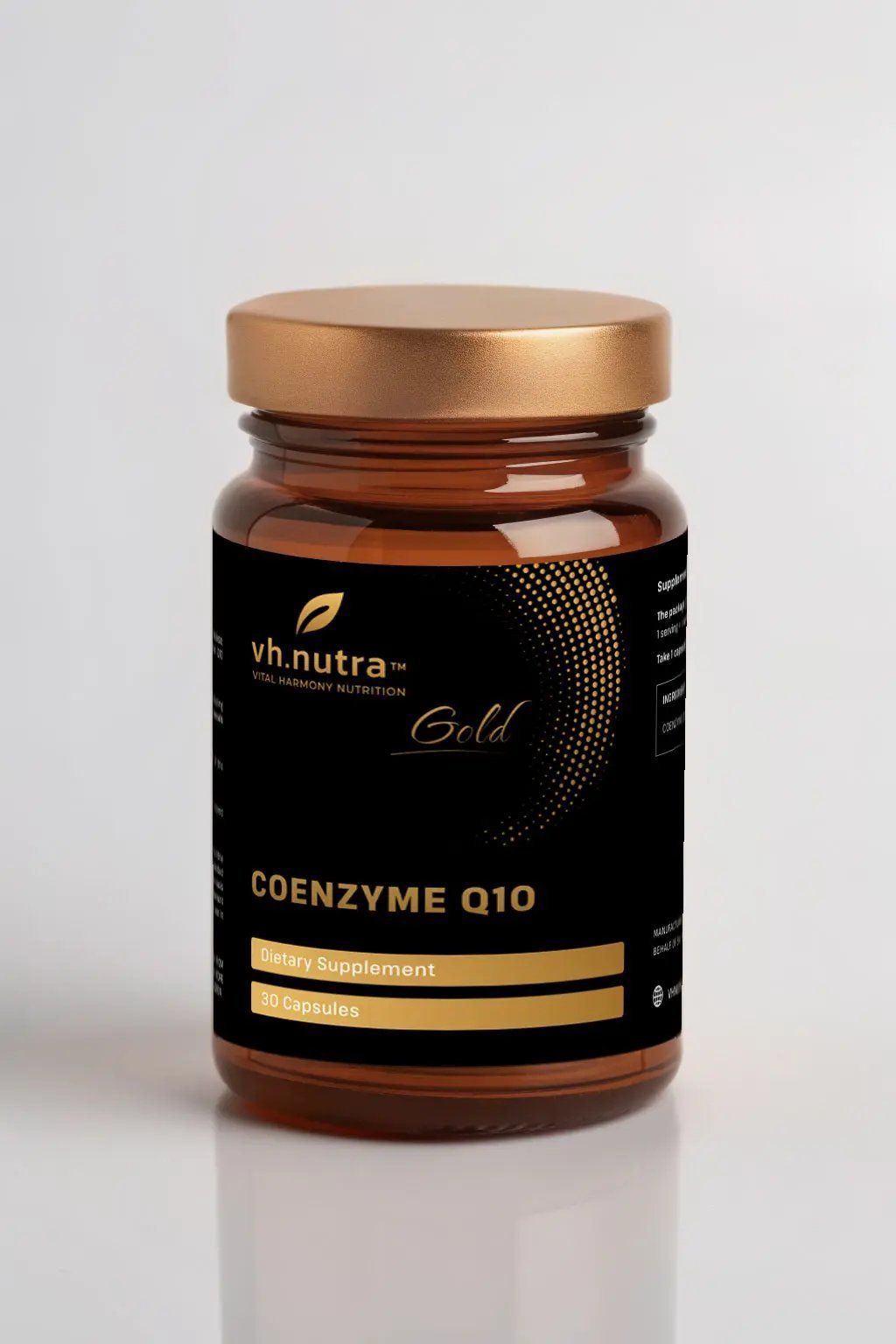
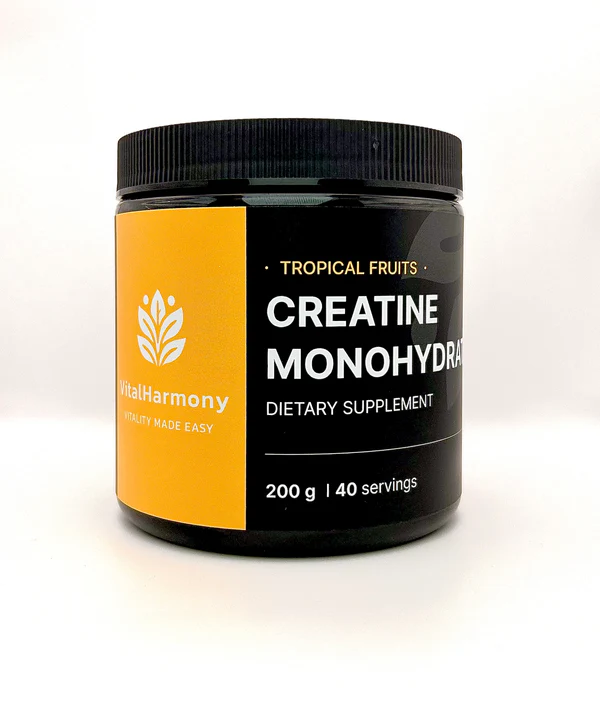
If you are looking for supplements to complement this compound’s effects, check out these products from the staystrong.lt range.
Related articles
- Beta-Alanine: benefits for sports and endurance
- Coenzyme Q10: benefits for heart and energy
- Creatine: benefits for muscles and brain
Disclaimer: This information is for educational purposes only. Before taking supplements, consult a doctor or pharmacist.