Beta-Alanine is one of the most popular sports supplement amino acids, which scientists call one of the most effective ways to improve physical endurance. If you are looking for a supplement that helps you train longer at high intensity, delays muscle fatigue and improves athletic performance — Beta-Alanine may be exactly what you need. Over the past 15 years, numerous studies have been conducted proving the benefits of this amino acid for both professional athletes and amateurs.
Key Takeaways
- Beta-Alanine increases muscle carnosine levels by up to 80%, which directly improves physical endurance and delays fatigue.
- Scientifically proven effects — more than 50 clinical studies confirm that Beta-Alanine supplements improve performance in high-intensity exercises lasting 1-7 minutes.
- Best results are achieved by taking it regularly for at least 4 weeks, combined with creatine and carbohydrates before training.
Table of Contents
What Is Beta-Alanine?
Beta-Alanine is a beta amino acid naturally produced in the body — unlike alanine, which is an alpha amino acid used for protein synthesis. The main function of Beta-Alanine is carnosine synthesis in the muscles. Carnosine is a dipeptide made up of Beta-Alanine and histidine, which acts as a pH buffer in muscle cells. During intense physical exertion, hydrogen ions accumulate in the muscles, lowering pH and causing that acidic sensation — the familiar “burning” feeling. Carnosine neutralizes these ions, allowing the muscles to keep working at high intensity for longer.
The lack of Beta-Alanine in the diet is the main factor limiting carnosine production in the body, which is why taking this compound as a supplement can significantly increase carnosine concentration in the muscles. Studies show that with regular Beta-Alanine supplementation, muscle carnosine levels can increase by 40-80%. High-quality Beta-Alanine supplements can help achieve these results more effectively, especially when combined with proper nutrition.
1. Increases Muscle Endurance
One of the most important properties of Beta-Alanine is its ability to significantly increase muscle endurance. Carnosine, whose production this compound stimulates, acts as a powerful buffer that prevents muscle pH from dropping too quickly. Athletes taking Beta-Alanine can perform more repetitions, maintain high intensity for longer and recover faster between sets.
Scientific studies show that results improve significantly in sports such as cycling, swimming, rowing and running after just 4 weeks of regular Beta-Alanine use. For example, one 8-week study showed that athletes taking Beta-Alanine improved their performance in the 2000-meter rowing event by an average of 4.3 seconds. This may seem like a small amount, but in professional sports such differences often decide medals.
2. Reduces Muscle Fatigue
Fatigue is the biggest enemy in every workout. This amino acid helps fight muscle fatigue through two main mechanisms: first, Beta-Alanine increases carnosine concentration, which neutralizes acid; second, this compound improves calcium ion regulation in muscle cells, which is important for muscle contraction. This means that thanks to Beta-Alanine, muscles can maintain maximum strength for longer before the effects of fatigue begin to set in.
It is important to note here that the effects of Beta-Alanine are particularly noticeable during exercises lasting from 1 to 7 minutes — this covers most strength training sets, interval sprints, swimming laps and team sport episodes. In workouts longer than 25 minutes, the effect is smaller, because fatigue is then driven more by depletion of energy stores than by acidity. Taking this amino acid helps you feel more energetic even after the most intense workout.
3. Improves Athletic Performance
The effects of Beta-Alanine on athletic performance are well documented. According to a review by the National Institutes of Health (NIH), this amino acid is one of the few supplements with solid scientific support for improving athletic performance. Studies show that regular Beta-Alanine use can improve performance by 2-5% depending on the sport.
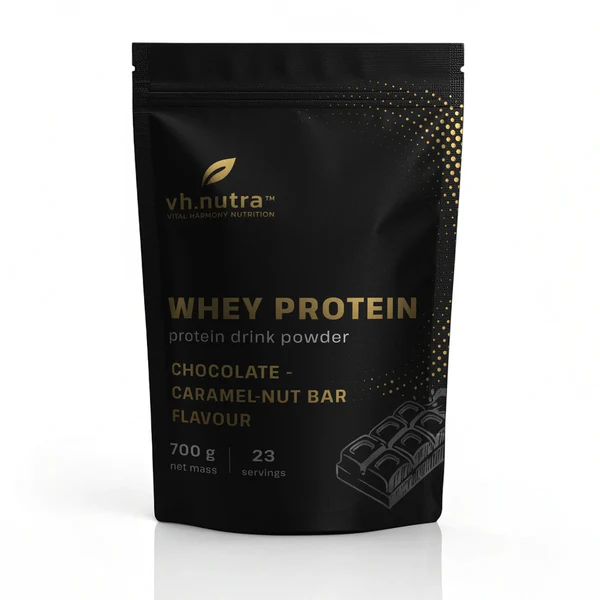
Beta-Alanine provides particularly great benefits in sports that require explosive strength and endurance: basketball, football, boxing, wrestling, weightlifting. Professional athletes often choose high-quality Beta-Alanine supplements together with proteins for muscle recovery. By combining these two products, you can achieve even better results in both endurance and muscle growth.
4. Promotes Muscle Recovery
In addition to increasing endurance, Beta-Alanine also contributes to faster muscle recovery after intense workouts. Carnosine, whose synthesis this compound stimulates, has antioxidant properties that help protect muscle cells from oxidative stress. Reduced muscle damage means less post-workout soreness and faster readiness for the next training session.
Athletes who take Beta-Alanine regularly often report less muscle soreness and faster recovery after competitions or extremely intense training sessions. This is especially important for athletes who train several times a day or need to recover quickly before their next competition. The recovery benefits of Beta-Alanine are an additional reason to include this supplement in your sports nutrition plan.
5. Synergy with Creatine
One of the greatest strengths of Beta-Alanine is its synergy with creatine — another popular sports supplement. Creatine increases strength and explosive power, while Beta-Alanine improves endurance and delays fatigue. Together, these two supplements create an excellent combination that works through different yet complementary mechanisms. Scientific studies confirm that this combination is more effective than either supplement alone.
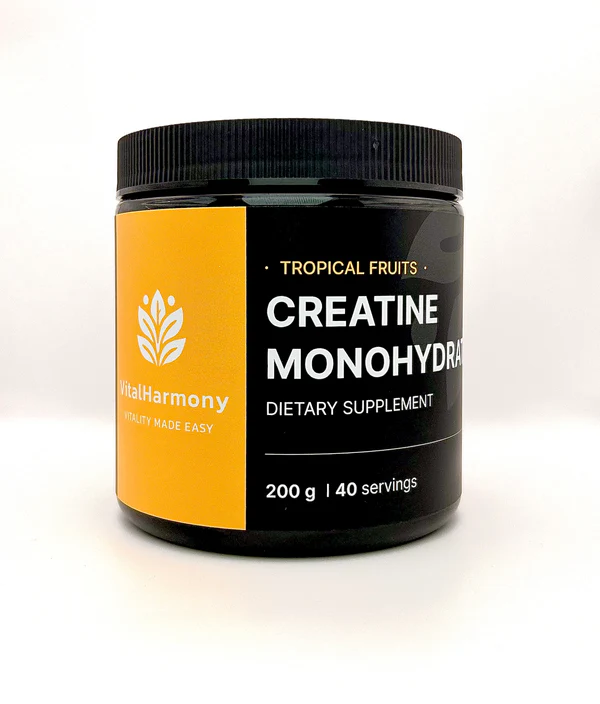
In practical terms, this means that by taking both supplements together, you can lift heavier weights and perform more repetitions, rather than just one of the two. Beta-Alanine and VitalHarmony Creatine Monohydrate are one of the most popular combinations among athletes worldwide. Many professional athletes take these two supplements daily as their core sports supplement regimen.
6. Ideal for Sprint and Interval Training
Beta-Alanine is particularly effective for athletes whose training consists of short, high-intensity intervals. Sprint runners, swimmers, martial artists and team sport players get the greatest benefit from this amino acid. During interval training, hydrogen ions accumulate rapidly in the muscles, and carnosine, whose production Beta-Alanine stimulates, helps neutralize them more efficiently.
Studies with elite swimmers showed that after 5 weeks of Beta-Alanine supplementation they were able to maintain a higher speed over 100 and 200 meter distances. Similar results are also observed among basketball players, footballers and tennis players. If your sport requires repeated explosive efforts, this amino acid can become an indispensable ally.
7. Supports Muscle pH Balance
Muscle pH balance is critically important for optimal muscle function. Normal muscle pH is around 7.1, but during intense physical exertion it can drop to 6.5 or even lower. When pH drops, muscle contraction strength decreases, fatigue sets in and the “burning” sensation appears. Beta-Alanine, by increasing carnosine concentration, helps maintain a more stable muscle pH even under heavy load.
This means that thanks to Beta-Alanine you can train at maximum capacity for longer before feeling that characteristic muscle fatigue sensation. This compound’s effect on pH regulation is one of the main mechanisms explaining its effectiveness in sports. Long-term Beta-Alanine use helps the body manage acid load during training more efficiently.
How to Take Beta-Alanine?
The recommended daily dose of Beta-Alanine is 3.2-6.4 grams. It is best to split the daily dose into 2-4 smaller portions of 0.8-1.6 g each to avoid paresthesia — a tingling sensation that is the most common side effect. Take Beta-Alanine with food or a carbohydrate-containing drink — this improves absorption. The optimal time to take it is 30-60 minutes before a workout.
Course duration: the effects of Beta-Alanine build up gradually, so it is recommended to take it continuously for at least 8-12 weeks. After the course, you can take a 2-4 week break. Some athletes choose to take Beta-Alanine year-round, but most experts recommend periodization. The maximum safe daily dose is 10 grams, but doses above 6.4 g usually provide no additional benefit and only increase the risk of side effects.
In the StayStrong range you will find high-quality sports supplements that pair perfectly with a Beta-Alanine course. Proteins support muscle recovery after intense workouts, so combining them with Beta-Alanine provides comprehensive support for athletes.
Possible Side Effects
Beta-Alanine is considered a safe supplement when taken at recommended doses. The most common side effect is paresthesia — a temporary tingling or prickling sensation on the skin, especially in the face, neck and hands area. This effect is not dangerous and usually subsides within 30-60 minutes. It occurs because Beta-Alanine activates certain nerve receptors in the skin.
To avoid paresthesia, it is recommended to split the daily dose into smaller portions (0.8-1.0 g each) or use sustained-release formulas. This compound is also not recommended for pregnant and breastfeeding women, as there is not enough research on its safety for these groups. Before starting to take Beta-Alanine or any other supplements, it is always recommended to consult a doctor.
Beta-Alanine and Creatine — What You Need to Know?
Beta-Alanine and creatine are the two most scientifically studied sports supplement ingredients, and their combination provides a synergistic effect. Creatine works on the ATP regeneration system, providing quick energy for short, explosive efforts. Meanwhile, Beta-Alanine works on the pH buffer system, allowing high intensity to be maintained for longer. Together, these two supplements cover different aspects of energy production.
Most athletes take about 5 g of creatine monohydrate and 4-5 g of Beta-Alanine daily. This combination is safe for long-term use and has no known negative interactions. If you already take VitalHarmony Creatine Monohydrate, adding Beta-Alanine can deliver even better results in both strength and endurance. This is especially relevant for athletes aiming to comprehensively improve their physical conditioning.
Frequently Asked Questions
How quickly does Beta-Alanine start working? The first results can be felt after 2 weeks, but the full effect is reached after 4-8 weeks of regular use.
Is Beta-Alanine only suitable for athletes? Although Beta-Alanine is most popular among athletes, its benefits can also be experienced by people who lead an active lifestyle and want to improve endurance and delay fatigue during physical exertion.
Can Beta-Alanine be taken with other supplements? Yes, Beta-Alanine combines well with many sports supplements. It is especially recommended to combine it with creatine, whey protein and BCAA amino acids. For example, whey protein supports muscle recovery, while Beta-Alanine improves the quality of the workout itself.
Is Beta-Alanine suitable for women? Yes, Beta-Alanine is equally effective for both men and women. The dosage does not differ by gender, but it is recommended to start with lower doses and monitor how your body responds.
When is the best time to take Beta-Alanine? It is optimal to take it 30-60 minutes before a workout together with carbohydrates, which improve absorption. If you take several portions a day, the second dose can be taken after the workout or in the evening.
Disclaimer: This information is intended for educational purposes only and cannot replace professional medical advice. Before starting to take any dietary supplements, it is essential to consult a doctor or pharmacist.
Related Articles
- Creatine: 7 Benefits for Muscles, Brain and Athletic Performance
- L-Arginine: 7 Benefits for Circulation, Sports and the Heart
- Sports Supplements Guide for Beginners