
Table of contents
In short:
- Zinc bisglycinate is zinc bound to the amino acid glycine — one of the best-absorbed forms of zinc.
- It supports normal immune function, skin health and wound healing.
- It is usually gentler on the stomach than zinc oxide or zinc sulphate.
- The recommended daily intake for adults is 8–11 mg; the safe upper limit is 40 mg.
Zinc bisglycinate is a chelated form of zinc in which the mineral is bound to two molecules of the amino acid glycine. This structure helps the body absorb zinc more easily and is often gentler on the digestive system than other forms of zinc. In this article we explain what zinc bisglycinate is, how it differs from ordinary zinc supplements, what benefits it offers and how to take it correctly.
Key takeaways
- Zinc bisglycinate is a chelated form in which zinc is bound to glycine, so it is well absorbed.
- Zinc is essential for immune cells, skin renewal and wound healing.
- This form usually causes nausea less often than inorganic zinc salts.
- A typical daily dose is 8–15 mg; long-term excess may lower copper levels in the body.
What is zinc bisglycinate?
Zinc is an essential trace mineral that the human body cannot produce on its own, so we must get it from food or supplements. Zinc takes part in the activity of more than 300 enzymes and is important for cell division, protein synthesis and immune function.
Zinc bisglycinate is a chelated form of this mineral. A chelate means that the zinc ion is “wrapped” in an organic molecule — in this case the amino acid glycine (hence the name “bisglycinate”: two glycine molecules for one zinc ion). Glycine is the smallest amino acid, which the body recognises well and absorbs easily.
When zinc is bound to glycine, it becomes more stable in the digestive tract and reacts less with other food substances, such as phytates, which can hinder absorption. This is why zinc bisglycinate is usually classed among the well-absorbed, so-called organic forms of zinc.
The best natural sources of zinc are oysters, red meat, poultry, pumpkin seeds, cashew nuts and chickpeas. However, zinc from plant sources is absorbed with more difficulty because the phytates they contain bind the mineral. For people who eat little or no meat, as well as athletes and older adults, supplements such as zinc bisglycinate can help ensure an adequate intake of the mineral.
How does zinc bisglycinate differ from other forms of zinc?
Pharmacies and shops offer more than one form of zinc, and they are not all the same. The most common are:
- Zinc oxide — an inorganic form that is inexpensive but absorbed less well.
- Zinc sulphate — an inorganic salt that is effective but more often irritates the stomach and causes nausea.
- Zinc gluconate and citrate — organic forms absorbed better than oxide and gentler than sulphate.
- Zinc picolinate — zinc with picolinic acid, a well-absorbed form.
- Zinc bisglycinate — zinc with glycine, offering good absorption and gentleness on the digestive system.
The main difference is how the body receives the mineral. Chelated forms such as zinc bisglycinate “carry” zinc together with an amino acid, so the mineral reaches the intestine already protected and is affected less by competition from other minerals. This is especially relevant for people with a sensitive stomach and those for whom other forms of zinc cause discomfort.
Another important difference is stomach tolerance. Inorganic zinc salts, especially sulphate, can irritate the stomach lining, so they are recommended to be taken only with food. Because of its glycine protection, zinc bisglycinate is often tolerated better, making it suitable for people with more sensitive digestion.
Benefits of zinc bisglycinate for immunity
Zinc is one of the most important minerals for the immune system. It is needed for the maturation and activity of T lymphocytes — the cells that coordinate the immune response. When zinc is lacking, immune cells multiply more slowly and the body has a harder time fighting pathogens.
Research shows that zinc can shorten the duration of a cold if supplementation is started within the first 24 hours of symptom onset. This is why zinc supplements are often recommended in the cold season together with vitamin C and other immunity-supporting supplements. According to the National Institutes of Health (NIH), an adult needs 8–11 mg of zinc per day, and an inadequate zinc intake weakens the immune response.
Zinc deficiency is linked to weakened immunity and increased susceptibility to infections. An adequate zinc intake helps maintain normal immune cell function, which is why zinc supplements are often included in an immunity-support plan during the cold season. You can find more information in the NIH zinc fact sheet.
Zinc bisglycinate for skin and wound healing
The skin is one of the biggest “consumers” of zinc in the body. Zinc takes part in skin cell division, collagen synthesis and inflammation control, so an adequate level is important both for skin condition and for the speed of wound healing.
This is why zinc deficiency often shows up as slow-healing wounds and dry or irritated skin. Zinc supplements, including zinc bisglycinate, are also used to support skin condition — this form is valued for its good absorption, because skin renewal needs the mineral continuously.
Zinc also has anti-inflammatory effects, so it is valued for acne-prone skin as well. Some studies suggest that taking zinc supplements can help reduce inflammatory skin breakouts, but results vary from person to person, so it is important to maintain an adequate rather than excessive level of the mineral.
Zinc is important not only for skin but also for hair and nails — it takes part in the protein synthesis from which hair and nail tissue is built. This is why zinc deficiency is often noticed precisely through hair loss or brittle nails.
Zinc bisglycinate for hormone balance
Zinc takes part in the production and regulation of more than one hormone. It is important for maintaining a normal testosterone level, for thyroid hormone activity and for the function of insulin — the hormone that regulates blood sugar.
Studies link zinc deficiency with reduced testosterone levels, and zinc supplementation with the restoration of a normal hormone concentration when a deficiency is present. In addition, zinc is needed for the synthesis and storage of insulin in the pancreas, so an adequate intake of this mineral is also important for sugar metabolism.
Moreover, zinc is needed for cell division and metabolism, so an adequate intake contributes to normal energy metabolism. This is especially relevant for physically active people, whose zinc requirement may be higher because of mineral loss through sweat.
Signs of zinc deficiency
Zinc deficiency can develop gradually and may not be noticed right away. The most common signs to watch for:
- Frequent colds and weaker immunity.
- Slow-healing wounds or skin rashes.
- Hair loss and brittle nails.
- Loss of appetite and a weakened sense of taste or smell.
- Fatigue and reduced concentration.
If you recognise several of these signs, it is worth talking to a doctor. You can read more about recognising deficiency in our article “6 signs of zinc deficiency”.
Risk groups include vegetarians and vegans, pregnant women, older adults and people with digestive disorders that hinder mineral absorption. For these groups the zinc requirement or losses are higher, so they should monitor the mineral level in their diet more carefully.
How to take zinc bisglycinate
Dose. The recommended daily intake of zinc for adults is 8–11 mg. Supplement doses are usually 8–15 mg per day, some products up to 30 mg; choose the specific dose according to your needs and a doctor’s or pharmacist’s recommendation.
When to take it. Zinc bisglycinate is best taken with food or immediately after it — this reduces the risk of stomach irritation. If you also take iron or calcium supplements, zinc is recommended at a different time, because these minerals can compete for absorption.
Duration. Zinc supplements are usually taken in courses, for example during the cold season or when a deficiency has been identified. For long-term use without breaks, it is recommended to consult a doctor.
Maximum dose. The safe upper limit for zinc in adults is 40 mg per day. Exceeding this limit over a long period can lower copper levels in the body and cause other problems, so large doses should not be taken without supervision.
Who should choose zinc bisglycinate in particular? This form is often recommended for people with a sensitive stomach, as well as for those for whom other forms of zinc caused nausea. For vegetarians and vegans, whose diets contain less easily absorbed zinc, the chelated form can help replenish stores more effectively.
When choosing a supplement, pay attention to the amount of elemental zinc stated on the label, not the mass of the whole compound. A single capsule usually contains 8–15 mg of zinc, so check the manufacturer’s recommended daily serving before use.
Side effects and safety
At recommended doses, side effects from zinc are rare. The most common possible effects are nausea, stomach pain or a metallic taste in the mouth — these symptoms are more typical of zinc sulphate, while zinc bisglycinate, thanks to its gentler form, usually causes them less often.
The most important rule is not to exceed the 40 mg upper limit. Large zinc doses over a longer period can displace copper and cause copper deficiency, which shows up as anaemia or neurological symptoms. Pregnant and breastfeeding women and people with chronic conditions should consult a doctor before use.
Interactions with medicines and other minerals
Zinc can interact with certain medicines. It can reduce the absorption of some antibiotics (tetracyclines and quinolones), so a zinc supplement is recommended to be taken at least 2 hours before or after these medicines. Zinc acts similarly on penicillamine — a medicine used in rheumatoid arthritis.
In addition, zinc competes with iron and copper for absorption in the gut, so these minerals are best taken at different times of day. Diuretics can increase zinc excretion in urine, which over time can contribute to deficiency. If you take medicines, always consult a doctor or pharmacist before starting zinc supplements.
Frequently asked questions
Is zinc bisglycinate well absorbed?
Yes. Zinc bisglycinate is a chelated form in which the mineral is bound to the amino acid glycine. This structure protects zinc in the digestive tract and helps it be absorbed better than inorganic forms such as zinc oxide.
When is the best time to take zinc bisglycinate?
Zinc bisglycinate is best taken with food or immediately after it. This reduces the risk of stomach irritation and helps maintain stable absorption. If you take iron or calcium supplements, take zinc at a different time.
Can zinc bisglycinate cause nausea?
Any zinc can cause nausea, especially when taken on an empty stomach or in large doses. However, thanks to its gentle chelated form, zinc bisglycinate usually causes less digestive discomfort than zinc sulphate.
How much zinc do I need per day?
The recommended daily intake for adults is 8–11 mg of zinc. The safe upper limit is 40 mg per day. Choose the specific dose according to your diet, lifestyle and a specialist’s recommendation.
Is zinc bisglycinate suitable for vegans?
Usually yes — zinc bisglycinate is a compound of the mineral and the amino acid glycine, which is most often produced without animal-derived ingredients. Still, check the label of the specific product before buying, because formulations may differ.
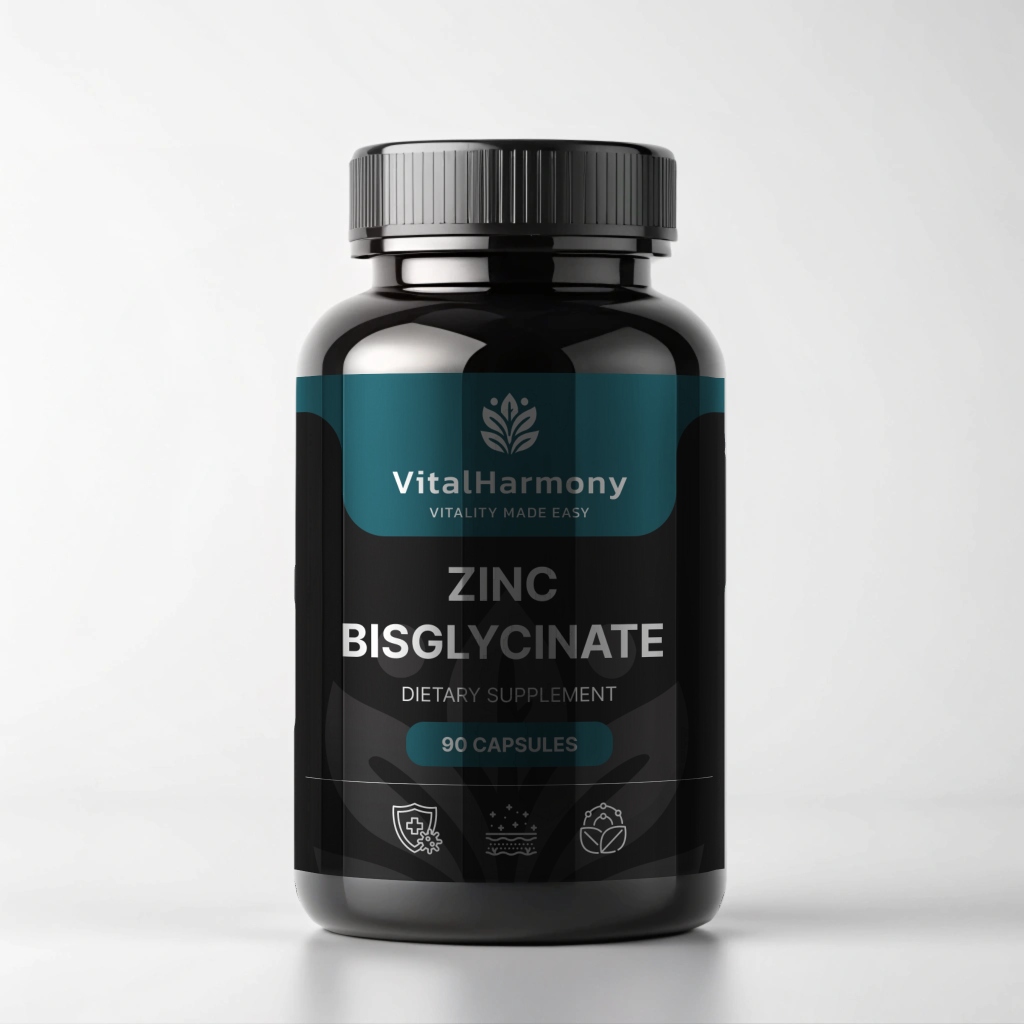
Recommended products

Disclaimer: This information is for educational purposes only. Consult a doctor or pharmacist before starting to take supplements.