
Water balance is the equilibrium between the fluids your body takes in with food and drink and those it loses every day through sweat, urine and breathing. If you are interested in natural ways to reduce swelling, maintain energy or improve your overall well-being, this balance is one of the most important yet often overlooked parts of everyday health. In this article you will learn what benefits a well-maintained water balance offers, when it can become disrupted and how to restore it with simple steps.
Key Takeaways
- Water balance – the equilibrium between fluids taken in and lost, which determines energy, skin condition and well-being.
- Swelling and a feeling of heaviness – the most common signs that too much fluid may be retained in the body.
- Electrolytes – potassium, sodium, magnesium and calcium help maintain proper fluid distribution in cells.
Table of Contents
What Is Water Balance?
Water balance is the equilibrium between the fluids the body takes in and those it loses. In an adult, water makes up roughly 55–60 percent of body mass, and this fluid is needed to regulate body temperature, transport nutrients, remove waste and lubricate the joints. This equilibrium determines how you feel every day – both physically and mentally.
When water balance is disrupted, the body starts sending signals. Too little fluid can cause headaches, fatigue and poor concentration, while excessive fluid retention often shows up as swelling, bloating and a feeling of heaviness. Both states indicate that the equilibrium between water and the minerals dissolved in it is off. More reliable information on fluid and electrolyte balance is published by the U.S. National Library of Medicine (MedlinePlus).
It is important to understand that water balance depends not only on how much water you drink. Sodium, potassium, magnesium and calcium play a major role, as they regulate how much fluid enters the cells and how much stays outside them. That is why, when the body retains too much water, simply drinking less often does not help – first the mineral balance needs to be restored.
1. Reduces Fluid Retention and Swelling
Fluid retention is a state in which the body stores too much water in the tissues, especially in the legs, ankles and abdominal area. Water balance directly affects this process: when the sodium–potassium ratio is disrupted, the body starts storing water as a reserve. Once the equilibrium is restored, fluids begin to leave naturally and the swelling gradually decreases.
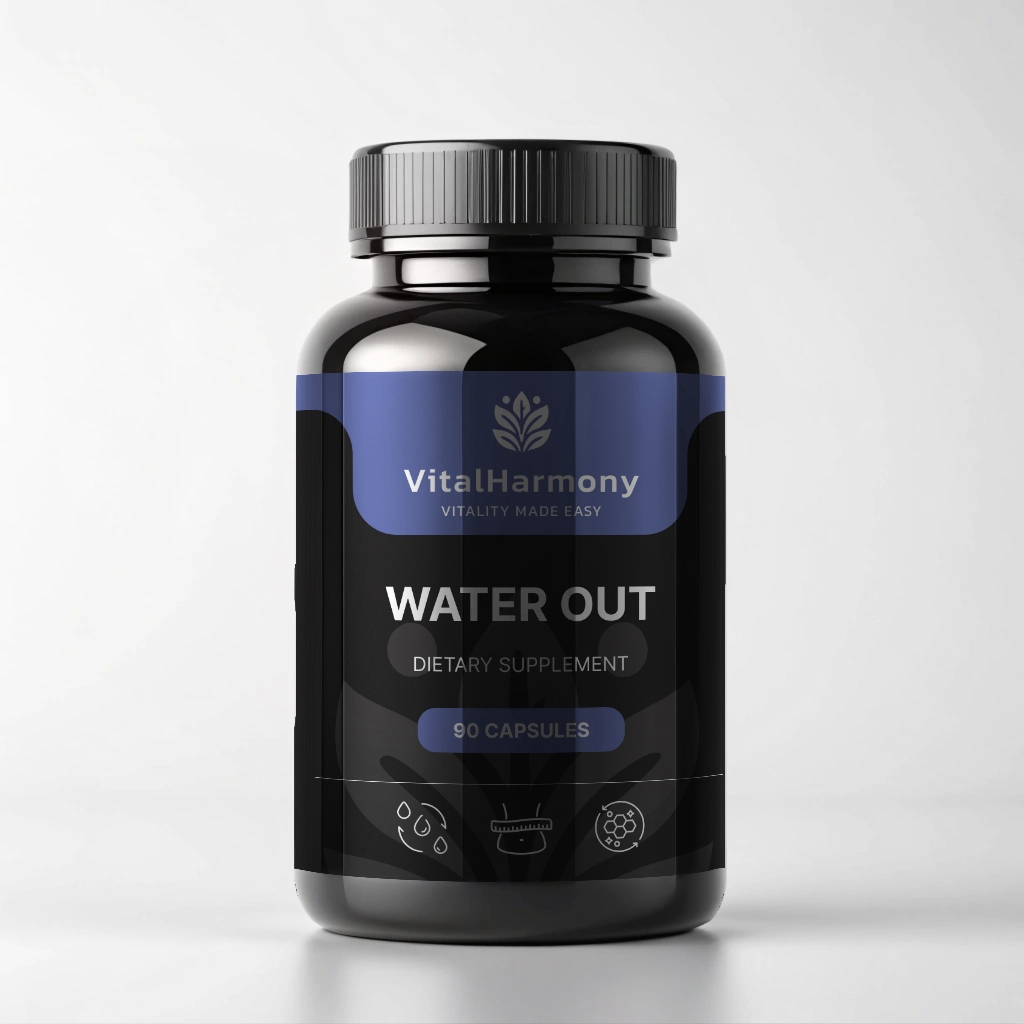
Plant-based supplements are often used for this purpose, for example VH.Nutra Water out, which combines ingredients that help maintain a natural water level in the body and support detoxification. Such products are not designed to force water out, but to help the body restore proper fluid turnover on its own – a gentler and more balanced path.
2. Supports Energy and Reduces Fatigue
Even mild dehydration can noticeably reduce energy and concentration. When the body lacks fluids, blood volume decreases, the heart has to work harder and the brain receives less oxygen. A proper water balance helps maintain normal circulation and metabolism, so you feel more alert and focused throughout the day.
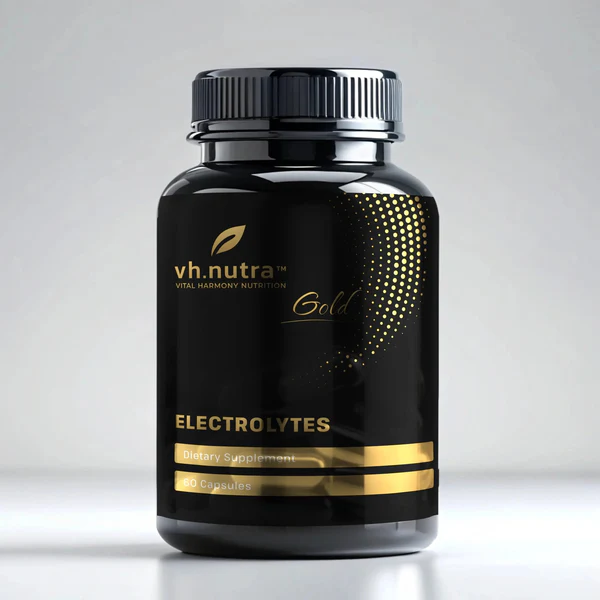
Electrolytes play an important role here. Electrolyte supplements with potassium, sodium, calcium and magnesium help fluids reach where they are needed most – the muscle and brain cells. If you exercise, sweat heavily or work in a hot environment, water alone may not be enough, because valuable minerals are lost along with sweat.
3. Improves Digestion and Reduces Bloating
Water balance is closely linked to digestion. An adequate fluid intake helps fiber do its job and supports normal bowel movement. On the other hand, when too much fluid is retained in the body, abdominal bloating and discomfort can appear, which we often mistakenly blame only on food.
If you often feel bloated, it is worth taking a look at your diet as well. Fiber is essential for good digestion, but when increasing its amount it is important to drink enough water – otherwise fiber can cause the opposite effect. A balanced fluid intake together with a proper diet helps avoid both constipation and bloating.
4. Helps Maintain Healthy Skin
The skin is the largest organ of the body, and its condition directly reflects the level of hydration. When the body lacks fluids, the skin becomes drier, less elastic and fine lines appear sooner. Adequate water balance helps the skin retain moisture from within and preserve a fresh appearance.
Interestingly, facial puffiness and bags under the eyes can be linked precisely to fluid retention, and not only to tiredness. Once the equilibrium is restored, facial features often become more defined and the skin brighter. This is another reason why hydration is valued not only in the context of health but also of beauty.
5. Supports Joints and Muscle Function
Water is the main component of joint lubricating fluid and muscle tissue. When the body is well hydrated, joints move more smoothly and muscles contract and relax more efficiently. Dehydration, on the contrary, increases the risk of muscle cramps and injuries, especially for physically active people.
Water balance is especially important for those who exercise. Magnesium, which is essential for normal muscle function, is lost along with sweat, so after an intense workout it is worth replenishing not only fluids but also minerals. The combination of electrolytes and water helps muscles recover faster and reduces the likelihood of cramps.
6. Helps Maintain Normal Blood Pressure
The amount of fluid in the circulatory system directly affects blood pressure. When too much sodium, and along with it water, is retained in the body, blood volume increases and the blood vessels are put under greater strain. A proper water balance and sufficient potassium help the body remove excess sodium and maintain normal blood pressure.
Here the mineral balance matters most again. Potassium acts as the counterpart of sodium – the more potassium you get from food, the more efficiently the body removes excess sodium. That is why, for heart and blood vessel health, it is important not only to limit salt but also to ensure a sufficient daily intake of potassium and fluids.
7. Promotes Detoxification and Kidney Function
The kidneys are the body’s main filter, and their work is impossible without an adequate fluid intake. Water helps the kidneys flush out waste and unwanted substances through urine. When you do not drink enough, urine becomes concentrated and the kidneys have to work under greater strain.
It is understandable that water balance and detoxification go hand in hand. However, it is important not to overdo it – too much water in a short time can burden the kidneys. The best strategy is to drink evenly throughout the day and maintain the mineral balance, rather than trying to “flush out” the body all at once.
How to Take Supplements for Water Balance?
If you decide to add supplements to your routine, start with the recommended dose stated on the package and stick to it consistently. Products for water balance are usually taken once or twice a day with a glass of water.
When is the best time to take them? Electrolytes are best taken in the morning or after exercise, when the body has lost the most of them. Plant-based products, such as Water out, are usually recommended during the day so that they naturally support fluid turnover, rather than late in the evening when you do not want to get up frequently at night.
How long should they be taken? Most of these supplements are meant to be taken in courses – for example, for several weeks, followed by a break. Never exceed the maximum dose stated on the package, and if you take medication or have kidney problems, be sure to consult a doctor before starting.
Possible Side Effects
For most people, water balance supplements are well tolerated, especially when the recommended dose is followed. In rare cases, mild stomach discomfort or more frequent urination may occur, which is usually a natural part of how such a product works, rather than a concerning reaction.
Greater caution is needed for people with kidney or heart conditions, as well as those taking diuretics. In such cases, any supplements should be started only after consulting a doctor, because an additional intake of fluids and electrolytes may affect how medications work.
Water Balance and a Healthy Diet
Supplements are only part of the solution. Water balance is mostly determined by your daily diet and habits. Bananas, avocados, spinach and sweet potatoes are rich in potassium, while nuts, seeds and dark leafy greens are rich in magnesium. Sodium intake can be reduced by avoiding heavily processed foods and eating plenty of fresh vegetables.
A practical tip – start your day with a glass of water and drink another glass with each meal. The taste of water becomes more interesting if you add a slice of lemon, a cucumber ribbon or a sprig of mint – this not only helps you drink more but also provides extra antioxidants. Such a simple habit often gives more than any supplement.
Frequently Asked Questions
How much water should you drink per day?
General recommendations range around 1.5–2.5 liters per day, but the actual need depends on body weight, physical activity and air temperature. The best indicator is urine color – a light yellow color means you are getting enough fluids.
Why does the body retain water?
The most common causes are excessive sodium intake, insufficient potassium, long periods of standing or sitting, hormonal fluctuations and certain medications. In rare cases the cause may be more serious, so persistent swelling is worth discussing with a doctor.
Do electrolytes help with swelling?
Yes, a balanced electrolyte ratio, especially sufficient potassium, helps the body remove excess sodium and the water associated with it. However, it is important to choose products without a high sodium content and not to exceed the recommended dose.
When is the best time to take water balance supplements?
Electrolytes are best taken in the morning or after exercise, while plant-based products are best taken during the day. Avoid taking them in the evening so that you do not have to get up frequently during the night.
Do water balance supplements have side effects?
For most people they are well tolerated. More frequent urination or mild stomach discomfort may occur. People taking diuretics or with kidney conditions should consult a doctor before use.
Does drinking water alone restore balance?
Not always. If the body lacks minerals, water alone may even further dilute the electrolytes. That is why it is important not only to drink but also to ensure an adequate intake of potassium, magnesium and other minerals through food.
Disclaimer: This information is for educational purposes only and cannot replace professional medical advice. Before taking any dietary supplements, be sure to consult a doctor or pharmacist.
Related Articles
- Electrolytes: 6 Benefits for Sport, Energy and Hydration
- Magnesium: 7 Benefits for Sleep, Muscles and Health
- Fiber: 7 Benefits for Digestion, Weight Control and Health