
Table of contents
Selenium and zinc are two trace minerals the body needs in small amounts, yet their role in thyroid function and the immune system is considerable. The two minerals are often taken together because they complement each other, so it is worth understanding exactly what they do, which doses are safe, and how to choose the right form.
Key takeaways
- Selenium and zinc are trace minerals needed for normal thyroid and immune function.
- Selenium contributes to the protection of cells from oxidative stress, while zinc supports normal immune function and the maintenance of skin, hair and nails.
- Adults are usually advised about 55 µg of selenium and 8–11 mg of zinc per day; higher doses without need do not improve results.
- Organic selenium forms (selenomethionine) and zinc bisglycinate are absorbed best and are gentle on the stomach.
What selenium and zinc are
Selenium is a trace mineral the body cannot produce itself, so it must be obtained from food. Most of the selenium in the body works through so-called selenoproteins — enzymes that help protect cells from oxidative stress. The amount of this mineral in plant foods depends on the soil in which the plants grew, so people in some regions get less of it. Detailed data on selenium content in food and requirements are published in the NIH selenium fact sheet.
Zinc participates in the activity of more than 300 enzymes and is essential for cell division, protein synthesis and the work of immune system cells. The body does not store large reserves of zinc, so it must be obtained regularly. Zinc is also important for the condition of skin, hair and nails and for normal fertility. Reliable information on recommended daily amounts and sources can be found in the NIH zinc fact sheet.
Benefits for thyroid function
The thyroid is one of the organs “richest” in selenium — its concentration of this mineral is the highest in the entire body. Selenium and zinc work together here: selenium is needed for the enzymes that produce thyroid hormones and help convert the less active T4 into the more active T3, while zinc supports the synthesis of these hormones.
Zinc also takes part in thyroid function — it is needed for hormone synthesis and their action in cells. According to some studies, a lower zinc level in the body may be associated with changes in thyroid function, which is why selenium and zinc are often mentioned together as a mineral pair worth ensuring in the daily diet.
This is especially relevant for women: thyroid disorders are more common in them, and dietary surveys show that part of the population gets less selenium from food than recommended. A balanced intake of selenium and zinc is therefore a sensible part of everyday wellbeing, not a narrow question reserved only for thyroid diseases.
Benefits for the immune system
Both minerals take part in the immune response. Zinc is needed for immune cells to form and function, and its deficiency is associated with weaker resistance. Through selenoproteins, selenium contributes to the protection of cells from oxidative stress, and oxidative stress is one of the factors that can disrupt normal immune function.
In practice this means that selenium and zinc are often included in immunity supplements, especially during the cold season. It is important to understand that they do not replace a balanced diet, sleep and hygiene — but an adequate intake is one of the conditions for normal immune function.
During the cold season the body is under greater strain: less sunlight, more time indoors, seasonal infections. At this time it is worth making sure you get enough selenium and zinc from food and supplements, along with vitamin D — these three micronutrients are often mentioned together as the basis of seasonal immunity.
It is worth knowing that immune function depends not on a single “miracle” mineral but on the whole picture: adequate protein, sleep and regular movement. Selenium and zinc play a specific, science-backed role in this picture — which is why they are a common base for immunity supplements.
Effects on skin, hair and nails
Zinc contributes to the maintenance of normal skin, hair and nails because it takes part in cell division and in the synthesis of proteins such as keratin. This is especially relevant when the body experiences a higher need — for example during periods of intense growth or recovery.
Selenium plays a complementary role here: by protecting cells from oxidative stress, it helps maintain a healthy state of skin cells. This is why beauty and hair supplements often combine zinc and selenium, complemented by biotin or other B vitamins.
If your hair and nails have become brittle for no obvious reason, it is worth checking whether these two minerals are missing from your diet. Selenium and zinc act here as the foundation on which other beauty supplements are built — without this foundation, expensive complexes may not deliver the expected result.
How selenium and zinc work together
These two minerals do not compete for absorption but complement each other at different stages: selenium acts through antioxidant enzymes, while zinc acts through immune cells and protein synthesis. In the thyroid context both are needed for the same process — hormone production and activation.
Sometimes iodine is added to the selenium and zinc combination, because this trace mineral is a building block of thyroid hormones. However, iodine should not be taken “preventively” in high doses without a doctor’s recommendation — an excess can be no less problematic than a deficiency.
When combining supplements it is also worth knowing that selenium and zinc go well with vitamin E and vitamin C, but it is most convenient to take them separately from calcium and iron. Such a simple schedule across the day helps you get the maximum benefit from each mineral.
Forms and how to choose
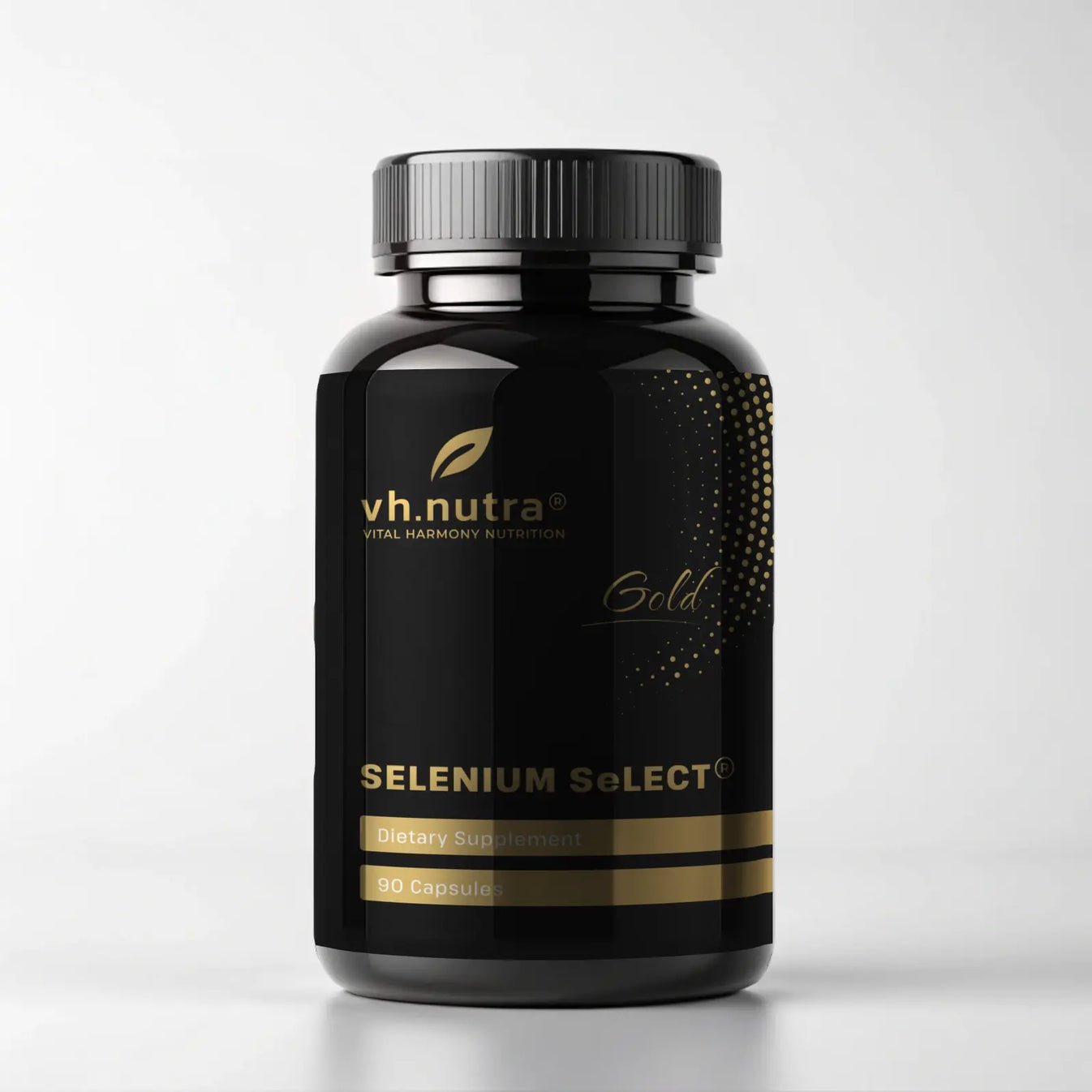
Selenium supplements come in two main forms: organic (selenomethionine, selenium yeast) and inorganic (sodium selenite). Organic forms are usually absorbed better and remain in the body longer, which is why many quality supplements use selenomethionine or its patented variant — SeLECT®.
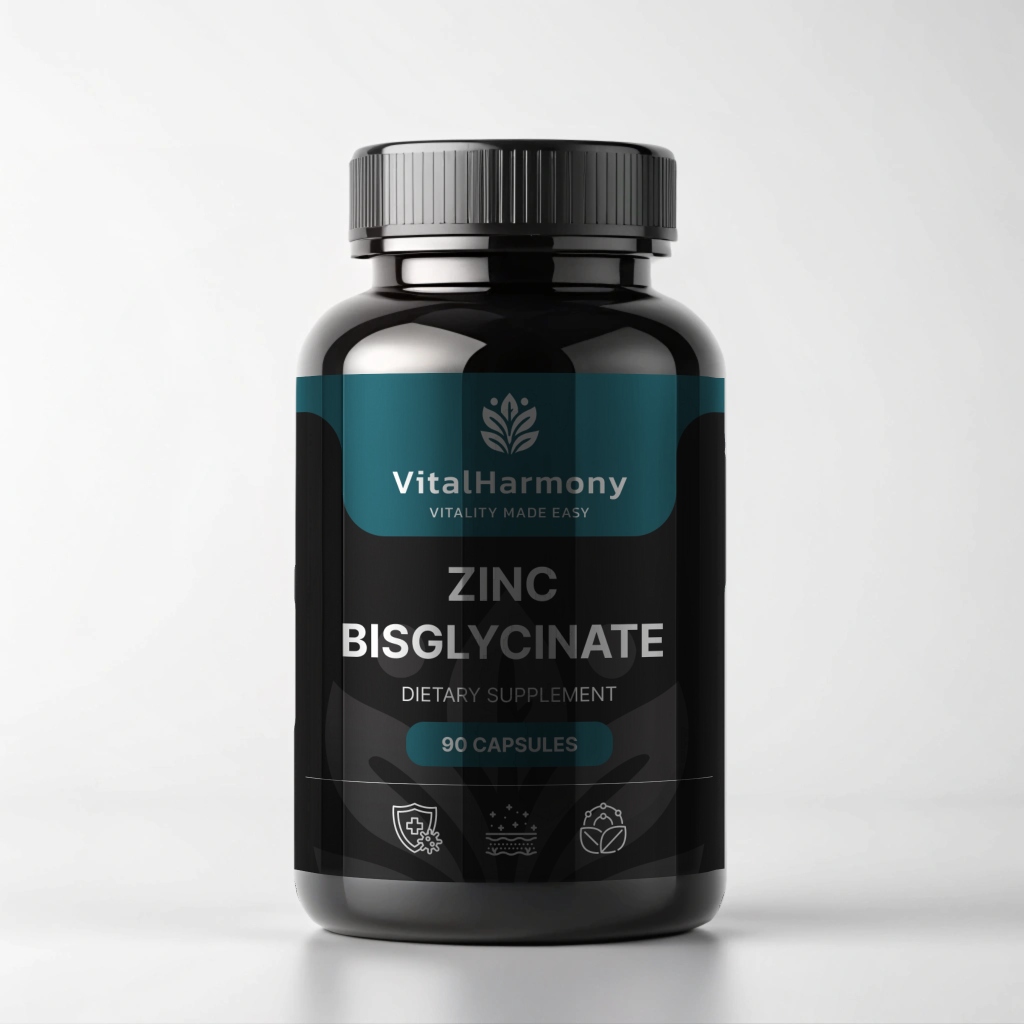
In the world of zinc, the best choice is considered to be zinc bisglycinate — a chelated form that is well absorbed and gentle on the stomach, unlike some cheaper forms that can cause nausea. When choosing a supplement, pay attention to the amount of elemental selenium or zinc, not the weight of the whole compound.
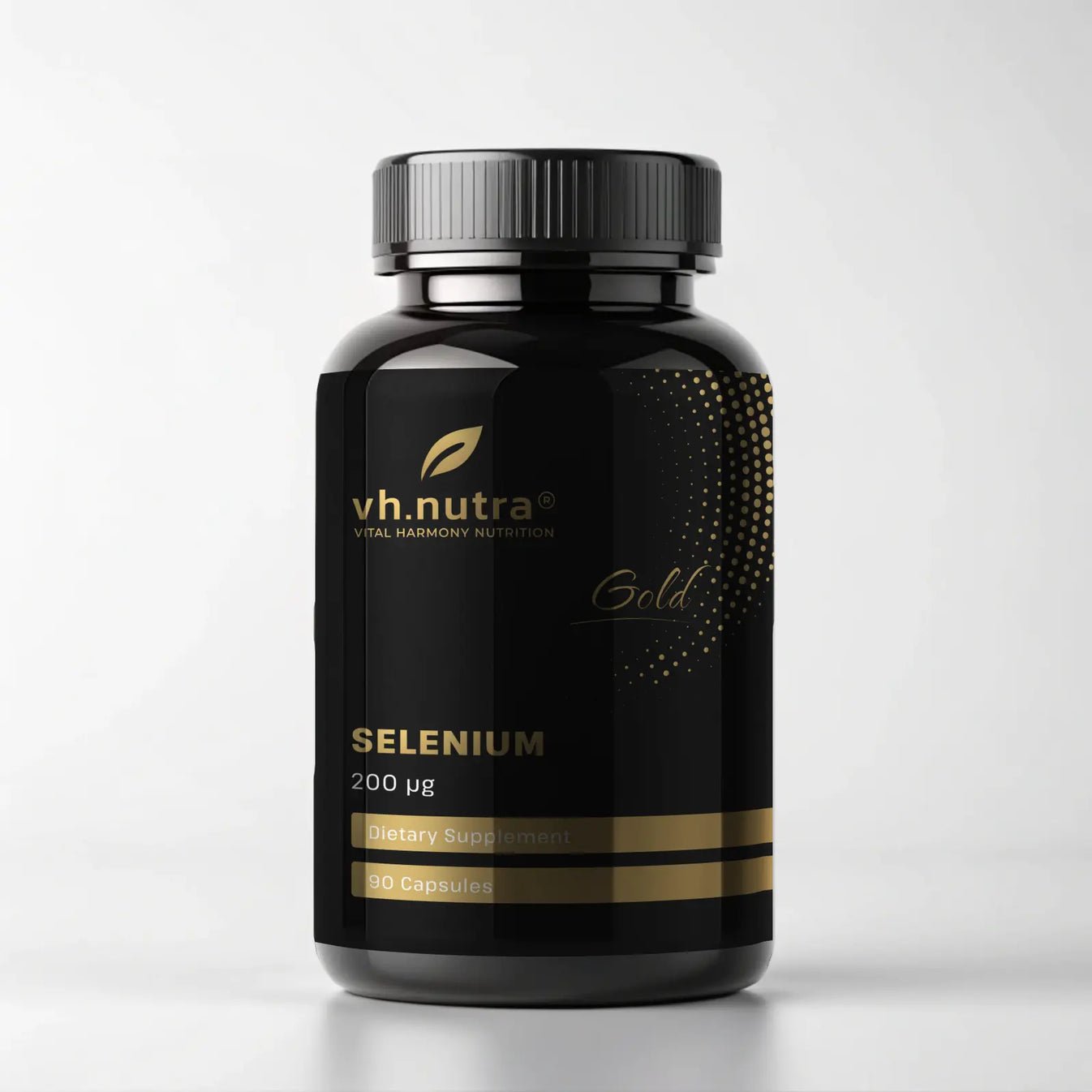
If you want both minerals in one place, choose a product in which selenium and zinc are provided in well-absorbed forms and without unnecessary fillers. A quality selenium supplement is often complemented with vitamin E, which strengthens the antioxidant effect, making such a combination a practical daily choice. Read more about this mineral in our article about selenium.
Dosage and how to take them
The recommended daily amount for adults is about 55 µg of selenium and 8–11 mg of zinc (less for women, more for men). These amounts are usually achievable through food, and supplements are suitable when the diet is inadequate or the need is higher.
Safe upper limits: about 400 µg per day for selenium and about 40 mg per day for zinc. Upper limits do not mean a recommended dose; exceeding them for a long time can cause side effects. Selenium and zinc supplements are best taken with a meal to reduce stomach irritation, and should not be taken together with large amounts of calcium or iron.
The simplest practical rule: take one selenium and zinc supplement daily with a meal, and calcium or iron preparations at another time, between meals. If you take several supplements at once, check that their composition does not overlap and that the total daily dose does not exceed safe limits.
How long to take them? Mineral supplements work gradually, so a real difference should not be expected after a few days but after 1–3 months of regular use. After this period it is worth assessing how you feel and deciding whether to continue the supplement or take a break.
Food sources
The best source of selenium is Brazil nuts: a single large nut can contain more than the daily requirement of selenium, so they should not be eaten by the handful. Selenium is also found in fish, seafood, meat, eggs and whole grain products.
Zinc is abundant in oysters, red meat, poultry, pumpkin seeds, legumes and nuts. Plant-based zinc is absorbed less well due to phytates, which is why vegetarians and vegans may have a higher zinc requirement and a supplement is a practical solution.
The most convenient everyday sources of these minerals in practice:
- Selenium: Brazil nuts, tuna, sardines, eggs, sunflower seeds, mushrooms, chicken.
- Zinc: oysters, beef, pumpkin seeds, chickpeas, lentils, cashew nuts, yogurt.
If the diet is monotonous or restrictive (vegetarian, vegan, gluten-free), the most realistic gap is usually zinc — plant sources contain less of it and absorption is weaker. In this case selenium and zinc in supplement form is the simplest way to ensure both minerals without complex menu planning.
Side effects and precautions
At recommended doses, selenium and zinc are usually well tolerated. An excess of selenium may show up as a garlic odour on the breath, nausea, hair loss and brittle nails. An excess of zinc can cause nausea, stomach pain, and — with long-term use of high doses — copper deficiency.
The greatest risk comes not from a single mineral but from careless combining: if you take several supplements at once in which selenium and zinc overlap, the total daily dose may unnoticeably cross the safe limit.
Pregnant women, breastfeeding mothers, children and people with chronic conditions should consult a doctor before starting any mineral supplements. It is also worth checking whether the supplement contains iodine if you already take other thyroid preparations.
Interactions with medicines and minerals
Zinc can interfere with the absorption of some antibiotics (tetracyclines, quinolones) and penicillamine, so at least a 2-hour gap should be left between taking them. Selenium has fewer significant interactions with medicines, but very high doses can be unsafe.
The most important balance among minerals is that of zinc and copper: high zinc doses reduce copper absorption. Calcium and iron taken at the same time can also reduce zinc absorption, so mineral supplements are most convenient to take at different times of day.
Frequently asked questions
Can selenium and zinc be taken together?
Yes, selenium and zinc can be taken together — they do not compete for absorption and complement each other in thyroid and immune function. This is exactly why many supplements combine these two minerals in one formula.
What is the selenium and zinc dose for the thyroid?
To support thyroid function, the recommended daily amounts are enough: about 55 µg of selenium and 8–11 mg of zinc. Higher doses without a diagnosed deficiency bring no additional benefit and may be associated with side effects.
Can selenium cause weight gain?
No, selenium does not directly cause weight gain. Changes in thyroid hormones can affect metabolism, but the selenium supplement itself has no calories at recommended doses and does not cause weight increase.
When is the best time to take selenium and zinc?
It is best to take these minerals with a meal — this reduces possible stomach irritation and improves absorption. Avoid taking them at the same time as calcium or iron supplements, as these can reduce zinc absorption.
What are the signs of selenium and zinc deficiency?
Zinc deficiency is marked by slower healing of cuts or wounds, worsening skin condition, splitting nails, hair loss and more frequent colds. Selenium deficiency is rarer but can show up as changes in thyroid function and weaker immune protection. If you notice these signs, it is worth consulting a doctor.
Do selenium and zinc help hair and nails?
Zinc contributes to the maintenance of normal hair and nails, while selenium protects cells from oxidative stress. If hair is falling out or nails are breaking, it is worth making sure you get enough of both minerals, but the cause may lie elsewhere, so strong symptoms require a doctor’s assessment.
Recommended products
Disclaimer: This information is for educational purposes only. Consult a doctor or pharmacist before starting any supplements.