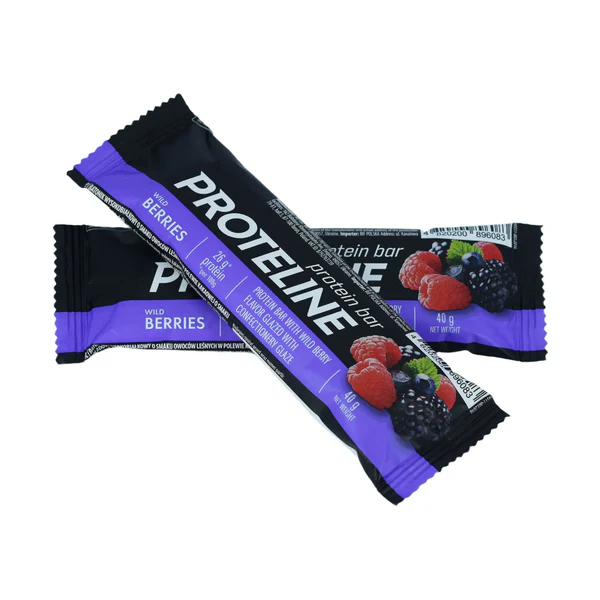

Protein bars are a convenient and quick way to top up your daily protein intake when there is no time for a full meal. If you work out, work long hours, or simply want a healthier snack, protein bars can help you maintain muscle, satiety and steady energy. In this article you will learn what benefits protein bars offer, how to choose them and when it is best to eat them.
Key Takeaways
- Protein bars – a convenient protein source that helps you reach your daily protein target without cooking.
- Main benefits – muscle growth and recovery, long-lasting satiety, energy and weight control.
- What to watch for – choose bars with more protein and less added sugar, and always read the ingredient list.
Contents
What Are Protein Bars?
Protein bars are compact snacks that pack a larger protein dose into a single serving – usually from 10 to 25 grams. They are made from protein sources such as whey protein, milk protein, soy or pea protein, and are supplemented with carbohydrates, fats and flavourings.
Unlike ordinary sweets, quality protein bars contain less added sugar, and their main value is precisely the protein. On the market you will find classic bars with chocolate or yogurt coating, high-protein versions, and oat bars with natural ingredients.
Protein bars are most often used in three situations: as a snack between meals, as a quick protein source after a workout, and as a healthier alternative to sweets. A well-chosen bar helps you stick to your eating routine even when the day gets chaotic.
1. A Convenient Protein Source on the Go
One of the biggest benefits of protein bars is convenience. A bar fits into a backpack, bag or car door and requires neither a fridge nor any preparation. When the day runs faster than you planned, a protein bar can be a quick solution instead of a skipped meal or an unhealthy snack.
This is especially relevant for people who travel a lot, work shifts, or have no chance to cook. Instead of fast food or sweets, a bar provides essential nutrients and helps you keep your eating routine even when conditions are unfavourable.
2. Supports Muscle Growth and Recovery
Protein is the main building material for muscles. By consuming enough protein throughout the day, the body receives the amino acids needed to repair and grow muscle fibres after physical effort. Protein bars are one way to conveniently increase your daily protein intake.
A review by the U.S. National Institutes of Health on sport and physical activity states that people who exercise have higher protein needs than sedentary individuals. If you train several times a week, a protein bar after your workout can help you replenish protein stores faster. Read more about the benefits of protein for muscles in a separate article.
Essential amino acids, especially leucine, play a special role for muscles – it is leucine that stimulates muscle protein synthesis. Quality protein bars made from whey or milk protein are rich in essential amino acids, making them a valuable tool for supporting muscle recovery.
3. Long-Lasting Satiety
Protein is the most satiating macronutrient. Compared with carbohydrates or fats, protein keeps you feeling full longer and helps reduce the urge to snack between meals. Protein bars, especially those with fibre, strengthen this effect even further.
For this reason a protein bar can be useful when you want to avoid spontaneous snacking or oversized portions. If you feel hunger returning quickly after lunch, a bar with protein can help you stay in control. Read more about the mechanisms of satiety in our article on appetite control.
4. Energy Before or After a Workout
Protein bars often contain not only protein but also carbohydrates, which provide quick energy. Before a workout a bar can give you an energy boost, and after a workout it can help restore glycogen stores and muscle tissue.
Of course, everything depends on the specific bar. Oat protein bars with complex carbohydrates suit longer-lasting energy, while bars with fast carbohydrates are better suited right after intense effort. The key is to choose a bar according to your goal.
It is also worth mentioning that bars with caffeine or green tea can provide an extra focus and alertness effect. However, if you train in the evening, it is better to avoid such bars so they do not disturb your sleep.
5. Helps Control Weight
Because protein increases satiety and helps preserve muscle mass, protein bars can be a useful tool for weight control. By replacing an ordinary sweet with a protein bar, you reduce your added sugar intake and get more useful nutrients.
In addition, protein helps preserve muscle mass while losing weight – this matters because it is muscle that actively burns calories. Still, it is worth remembering that bars contain calories, so it is important not to overdo it and to include them in your total daily calorie budget.
The best results are achieved when you combine a protein bar with regular physical activity and a balanced diet. A bar alone does not make you lose weight – it is only a supporting tool that helps you stick to the plan more easily.
6. Nutritional Balance and Extra Nutrients
Many protein bars are enriched not only with protein but also with fibre, vitamins and minerals. Oat bars contain beta-glucans – soluble fibre that contributes to maintaining normal cholesterol levels.
Protein bars with nuts and seeds provide healthy fats, magnesium and antioxidants. A quality bar can therefore be a source not only of protein but also of various micronutrients – of course, it is always worth checking the label, because compositions differ greatly.
On the other hand, the quality of protein bars varies a lot. Some are made from natural ingredients – oats, nuts, seeds and dried fruit – while others contain artificial sweeteners and many additives. When reading the label, choose those with a shorter and clearer ingredient list.
7. A Healthier Alternative to Sweets
For many people the biggest obstacle to healthy eating is the craving for sweets. Protein bars with chocolate or yogurt coating can satisfy the desire for sweetness while providing protein instead of empty calories.
Instead of an ordinary chocolate bar or a biscuit, a protein bar offers a similar pleasure but with less added sugar and more benefit for the body. It is a good compromise that helps you stick to your eating goals without a constant feeling of sacrifice.
How to Use Protein Bars?
The simplest way to use protein bars is as a snack between meals or right after a workout. One bar a day is the right amount for most people, but everything depends on your daily protein needs and eating plan.
The best time depends on your goal: before a workout choose a bar with carbohydrates for energy, after a workout one with protein for recovery, and between meals one to maintain satiety. It is important to treat a protein bar as a snack, not a replacement for a main meal.
If you are unsure how much protein you need per day, the general recommendation for sedentary people is about 0.8 g per kilogram of body weight, and for athletes from 1.2 to 2 g. Protein bars can help fill the gap when regular food does not provide enough protein.
Possible Side Effects and What to Watch For
Most people tolerate protein bars well, but some bars contain sweeteners such as maltitol or xylitol, which in larger amounts can cause bloating or diarrhoea.
It is also worth monitoring the added sugar content and calories – some “healthy” bars differ little from ordinary sweets. People allergic to milk, nuts or soy should read labels carefully, because many bars contain these allergens.
Protein Bar Nutrition — What the Ingredients Say
The nutritional value of protein bars depends heavily on the specific product. On average a 40–60 g bar contains 15 to 25 g of protein, 20–30 g of carbohydrates and 5–15 g of fat. High-protein bars can contain up to 30 g of protein per serving.
When evaluating a bar, first look at the protein content – the higher it is per serving, the better. Second, check the sugar content: ideally added sugar should be less than 5–8 g. Third, pay attention to fibre – bars containing it offer an extra satiety advantage.
Compared with protein powder, bars are more convenient but often contain more calories and carbohydrates. If you want to find out what suits you better, read our comparison of a protein shake or a bar – which to choose.
Remember that a bar is a supplement, not a foundation. A complete diet with lean meat, fish, eggs, legumes and dairy products remains the most important source of protein, while protein bars are best suited where convenience and speed are essential.
Frequently Asked Questions
Are protein bars good for losing weight?
Yes, if you use them in moderation and include them in your daily calorie budget. Protein increases satiety, so a bar can help you avoid overeating.
How many protein bars can you eat per day?
For most people one bar a day as a snack is enough. Several bars can already add a lot of calories, so it is better not to exceed a reasonable amount.
When is the best time to eat a protein bar?
It depends on your goal – before a workout for energy, after a workout for recovery, or between meals to maintain satiety.
Can protein bars replace a meal?
A bar is a snack, not a full meal. It can help when there is no chance to eat, but in the long run it should not replace balanced food.
What should you look for when choosing a protein bar?
Choose a bar with as much protein as possible, as little added sugar as possible and, if possible, with fibre. Also check for allergens that affect you.
Are protein bars suitable for people following a vegan diet?
Not all – many bars are made from whey or milk protein. Plant-based protein bars, for example from pea or soy protein, are suitable for vegans.
Disclaimer: This information is for educational purposes only and cannot replace professional medical advice. Before changing your diet or starting to take supplements, consult your doctor or a nutrition specialist.
Related Articles
- Protein: 7 Benefits for Muscles, Recovery and Health
- Protein Shake or Bar – Which to Choose?
- Appetite Control: 7 Benefits for Satiety and Weight Control