
Rhodiola Rosea is one of nature’s most powerful adaptogens, used for centuries by the peoples of the Nordic countries and Siberia to boost energy, endurance and resilience to stress. If you feel exhausted, struggle to concentrate, or are looking for a natural way to improve your performance, this Arctic herb could become your everyday companion. In this article, you will discover the 7 most important benefits of Rhodiola Rosea, how to take it correctly, and why it is worth adding to your supplement routine.
Key Takeaways
- Rhodiola Rosea — an adaptogen that reduces fatigue and increases stress resilience by up to 30% according to clinical studies.
- Energy and focus — the golden root improves mental performance, reduces mental fatigue and increases endurance.
- Safe dosage — 200–600 mg per day, ideally in the morning with food, in courses of up to 12 weeks with breaks.
Table of Contents
What Is Rhodiola Rosea?
Rhodiola Rosea, known in Lithuanian as rodiola rausvoji or the golden root, is a perennial plant that grows naturally in the cold mountain regions of the Arctic, Scandinavia, Altai and Siberia. This adaptogenic herb has been used in traditional medicine for centuries to increase physical endurance, reduce mental fatigue and support longevity.
The main active compounds in Rhodiola Rosea are rosavins, salidroside (rhodioloside) and other phenolic compounds. These components are responsible for the adaptogenic effects of rhodiola — they help the body adapt to various forms of stress: physical, emotional, chemical and environmental. Unlike stimulants, which simply “force” the body to work harder, this Arctic herb works more gently — it modulates the stress response and helps maintain homeostasis.
Today, Rhodiola Rosea extracts are standardized according to rosavin (at least 3%) and salidroside (at least 1%) content, which ensures consistent and reliable effects. It is one of the most scientifically studied adaptogens, and its effectiveness has been confirmed by dozens of clinical trials.
1. Stress Reduction and Increased Resilience
One of the most important properties of Rhodiola Rosea is its ability to reduce the impact of chronic stress on the body. Research shows that regular use of Rhodiola Rosea can lower cortisol — the main stress hormone — levels in the blood. This is especially relevant for people experiencing constant pressure at work, intense study loads or other long-term stressful situations.
A clinical study published in the journal Phytomedicine showed that participants taking Rhodiola Rosea extract reported significantly reduced stress, emotional exhaustion and anxiety after just 4 weeks of use. The adaptogenic effect of rhodiola works through modulation of the hypothalamic-pituitary-adrenal axis — it helps the body avoid “overreacting” to stressors.
In practice, this means that daily challenges no longer feel so overwhelming when taking Rhodiola Rosea supplements. Many users notice that after a few weeks they become calmer, react less to minor issues and make decisions more easily even in difficult situations. Bundle: Calm Focus + Stress Control can be an excellent choice for a comprehensive approach to stress management.
2. Improved Energy Levels and Endurance
If you find it hard to get up in the morning and your energy drops sharply during the day, Rhodiola Rosea could become your natural source of energy. Unlike caffeine, which provides a quick but short-lived energy boost, rhodiola works gradually — it improves cellular energy production, increases ATP (adenosine triphosphate) synthesis in the mitochondria, and thereby ensures a steady energy level throughout the day.
In one double-blind, placebo-controlled study, participants taking 200 mg of Rhodiola Rosea extract per day showed 20% better endurance results compared with the placebo group. During physical exertion, they felt less fatigue and their heart rate was more stable. This shows that this Arctic herb not only provides energy, but also helps the body use it more efficiently.
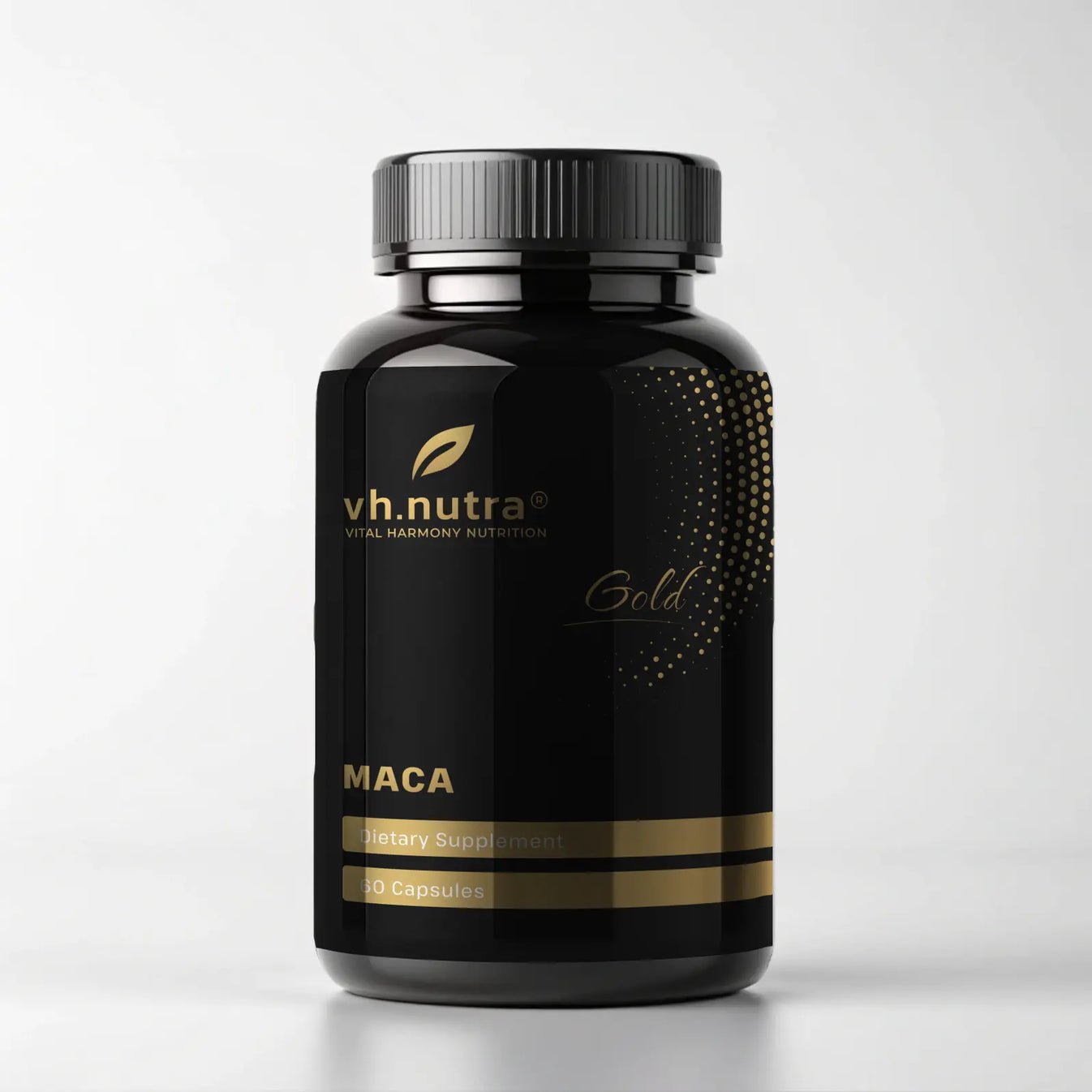
For athletes and physically active people, VH.Nutra Maca 600 mg combined with Rhodiola Rosea can create a synergistic effect — maca provides additional endurance, while rhodiola helps maintain energy levels for longer.
3. Enhanced Cognitive Function and Concentration
Mental fatigue is a common problem in the modern world, especially for those doing mental work or studying. Rhodiola Rosea is known for its ability to improve cognitive functions: concentration, memory, learning ability and overall mental performance. Studies show that rhodiola extract can reduce mental fatigue symptoms by up to 50% compared with placebo.
One of the most interesting studies was conducted with students during their exam period. Students taking Rhodiola Rosea showed better academic results, lower anxiety levels and greater satisfaction with their performance. The effects of this golden root on cognitive function are linked to increased blood flow to the brain and regulation of neurotransmitters such as serotonin and dopamine.
For those doing intensive mental work, rhodiola supplements can be a valuable tool for maintaining productivity without the “crash” effect caused by caffeine. It is a natural way to keep your mind sharp even at the end of a long working day.
4. Mood Improvement and Reduced Depression Symptoms
Rhodiola Rosea has a positive effect on emotional health. Clinical studies show that rhodiola extract can be effective in reducing the symptoms of mild to moderate depression. In one 6-week study, patients taking 340–680 mg of Rhodiola Rosea extract per day showed significant mood improvement, reduced emotional instability and a better quality of life.
Unlike traditional antidepressants, Rhodiola Rosea works more gently and has fewer side effects. Its effect on mood is associated with inhibition of the monoamine oxidase (MAO) enzyme and maintenance of the balance of neurotransmitters — serotonin, dopamine and norepinephrine — in the brain. This balanced effect helps not only improve mood, but also maintain emotional stability over the long term.
It is important to emphasize that Rhodiola Rosea is not a substitute for professional treatment in cases of severe depression. However, for milder mood disorders or seasonal sadness, this adaptogen can be an effective natural support.
5. Faster Physical Recovery After Exercise
For athletes and active exercisers, Rhodiola Rosea can help you recover faster after intense workouts. Studies show that rhodiola reduces markers of muscle damage (such as creatine kinase) and inflammatory processes after physical exertion. This means faster muscle recovery, less muscle soreness and the ability to train more often.
In one study with endurance athletes, those taking Rhodiola Rosea extract before competitions showed faster heart rate normalization after exertion and a lower subjective feeling of fatigue. This is especially beneficial for those practicing endurance sports: running, swimming, cycling. The golden root helps the body use oxygen more efficiently and remove metabolic by-products faster.
After an intense workout, it is worth considering VH.Nutra Sleep Complex — sleep quality is critically important for full recovery, and Rhodiola Rosea helps maintain energy during the day while active recovery takes place at night.
6. Heart and Cardiovascular Health Support
Rhodiola Rosea has a positive effect on the cardiovascular system. Studies show that this adaptogen can help regulate blood pressure, reduce heart rate variability during stress and protect the heart muscle from oxidative stress damage. The antioxidant properties of rhodiola help protect blood vessel walls from free radical damage.
In one animal study, Rhodiola Rosea extract significantly reduced markers of myocardial damage after an experimentally induced heart attack. Although more research is needed in humans, preliminary data suggest that regular use of rhodiola may contribute to long-term heart health, especially in people experiencing high stress levels, which in itself is a risk factor for heart disease.
The effect of Rhodiola Rosea on heart health is also linked to its ability to reduce inflammatory processes, improve the blood lipid profile and increase exercise tolerance. It is a natural way to support heart health alongside a healthy diet and regular physical activity.
7. Antioxidant Protection and Reduced Inflammation
Rhodiola Rosea is rich in antioxidants that help fight oxidative stress — one of the main drivers of chronic disease and premature aging. The phenolic compounds in rhodiola, especially salidroside and rosavin, exhibit strong antioxidant activity by neutralizing free radicals in cells and tissues.
Studies show that Rhodiola Rosea extract can reduce levels of C-reactive protein (CRP) — the main marker of inflammation in the body. Chronic low-grade inflammation is associated with many modern diseases: cardiovascular disease, diabetes, autoimmune disorders and even depression. By reducing inflammatory processes, this Arctic herb contributes to long-term health and well-being.
The antioxidant protection of rhodiola involves more than just direct neutralization of free radicals. Studies show that Rhodiola Rosea also activates the body’s internal antioxidant systems, including the production of glutathione, superoxide dismutase (SOD) and catalase enzymes. This provides double protection — both direct and indirect. VH.Nutra Multi Pro combined with Rhodiola Rosea can provide comprehensive antioxidant protection through a complex of vitamins and minerals.
How to Take Rhodiola Rosea?
To get the maximum benefit from Rhodiola Rosea, it is important to know the correct dosage, timing and duration of use. Here are the main recommendations based on clinical studies:
- Recommended dose: 200–600 mg per day of standardized Rhodiola Rosea extract (3% rosavins, 1% salidroside). Beginners are advised to start with 200 mg and gradually increase to 400–600 mg.
- When to take it: Ideally in the morning or in the first half of the day, during or after breakfast. Taking it with food helps avoid possible stomach irritation. It is not recommended to take it in the evening, as Rhodiola Rosea has a stimulating effect and may interfere with sleep.
- Duration of use: It is recommended to take it in courses of 8–12 weeks, followed by a 2–4 week break. This helps maintain the body’s sensitivity to the adaptogen and prevent the development of tolerance.
- Maximum safe dose: Up to 680 mg per day. Higher doses have not been sufficiently studied, so they are not recommended without medical supervision.
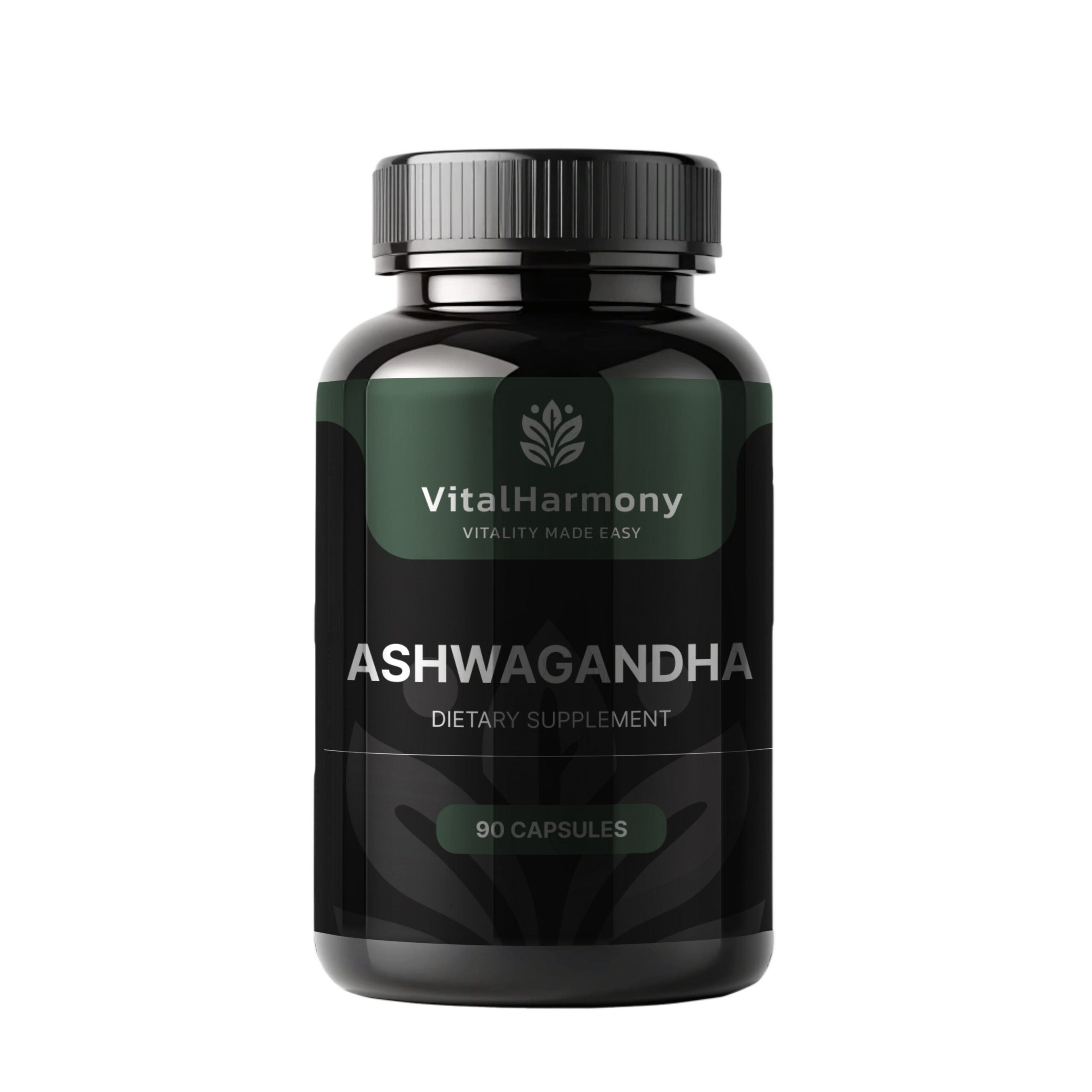
When choosing a Rhodiola Rosea supplement, pay attention to standardization. Quality supplements should be standardized according to rosavin (at least 3%) and salidroside (at least 1%) content. This ensures a consistent amount of active ingredients in every capsule. VitalHarmony Ashwagandha can be an excellent choice as an alternative adaptogen, especially if Rhodiola Rosea turns out to be too stimulating for you.
Possible Side Effects
Rhodiola Rosea is well tolerated by most people, but some may experience side effects. They are usually mild and resolve after reducing the dose or stopping use. Here is what is important to know:
- Most common side effects: dizziness, dry mouth, increased salivation, insomnia (especially when taken too late in the day), mild digestive discomfort. These symptoms occur in fewer than 5% of users.
- Who should not take it: pregnant women, breastfeeding women, people with autoimmune diseases (it may stimulate the immune system), and those with bipolar disorder (it may trigger manic episodes).
- Drug interactions: Rhodiola Rosea may interact with antidepressants (especially MAO inhibitors), blood-thinning medications, and medications for diabetes and high blood pressure. Consult your doctor before taking it alongside any medication.
If you experience severe anxiety, heart palpitations or insomnia while taking Rhodiola Rosea — reduce the dose or switch to morning use. Most side effects disappear within a few days as the body gets used to the adaptogen.
Rhodiola Rosea and Other Adaptogens — What You Should Know?
Rhodiola Rosea belongs to the adaptogen family — a unique group of plants that help the body resist various stressors. Each adaptogen has its own distinct effect profile, and scientific research shows that different adaptogens can complement each other, creating a synergistic effect.
Let’s compare Rhodiola Rosea with other popular adaptogens. Ashwagandha — excellent for stress reduction and sleep improvement, especially in the evening. Rhodiola, on the other hand, is more stimulating, so it is better suited for morning use to boost energy and productivity. Ashwagandha and Rhodiola Rosea can be used together — ashwagandha in the evening for relaxation, and rhodiola in the morning for energy.
Maca — another adaptogen often compared with Rhodiola Rosea. Both herbs increase energy and endurance, but maca can also positively affect sexual function and hormonal balance, while rhodiola is more focused on cognitive function and stress management. That is why many users choose a combination of both adaptogens. VH.Nutra Maca 600 mg — an excellent choice for an adaptogen combination.
When choosing between different adaptogens, it is important to consider your goals. If your main goal is energy, productivity and mental performance during the day, Rhodiola Rosea is one of the best choices. If you are more concerned about sleep and deep relaxation, it is worth considering ashwagandha or GABA supplements. Best adaptogens for everyday stress — a comprehensive guide to help you choose the most suitable option.
Frequently Asked Questions (FAQ)
Does Rhodiola Rosea cause addiction?
No, Rhodiola Rosea does not cause addiction. It is an adaptogen, not a stimulant — it works by balancing the body’s stress response rather than stimulating the central nervous system like caffeine or other stimulants. However, it is recommended to take breaks every 8–12 weeks so that the body maintains sensitivity to the adaptogen.
How long does it take to notice the effects of Rhodiola Rosea?
Most users notice the first effects of Rhodiola Rosea — a bit more energy, better concentration — within 3–5 days. The full adaptogenic effect on stress management and mood improvement usually becomes apparent after 2–4 weeks of regular use. It is important to be patient and not to treat rhodiola as a “quick-acting” supplement.
Can Rhodiola Rosea be taken with coffee?
Yes, but caution is advised. Both Rhodiola Rosea and coffee have stimulating properties, so combining them may cause excessive stimulation, anxiety or insomnia in some people. If you drink coffee, start with a lower dose of Rhodiola Rosea (200 mg) and monitor how you feel. It is best to drink coffee in the morning and take Rhodiola Rosea a little later, for example, at 10–11 o’clock.
Disclaimer: This information is intended for educational purposes only and cannot replace professional medical advice. Before starting any dietary supplement, it is necessary to consult a doctor or pharmacist.
Related Articles