L-Citrulline is an amino acid that the body converts into L-arginine, thereby stimulating nitric oxide production — one of the most important mechanisms for good blood flow and athletic performance. This compound is valued in sports nutrition for its ability to increase endurance, reduce muscle fatigue and improve the “pump” effect during training. While supplements alone cannot replace consistent training and a balanced diet, high-quality L-citrulline can become a valuable ally in achieving better athletic results. In this article we will review the 7 key benefits of L-citrulline and explain how to use this amino acid correctly.
Key Takeaways
- L-Citrulline — an amino acid that is converted into L-arginine in the body and boosts nitric oxide production, improving blood flow.
- The recommended dose is 3–6 g of L-citrulline or 6–8 g of L-citrulline malate, taken 30–60 minutes before training.
- Research shows that taking this nitric oxide precursor can increase endurance and reduce muscle soreness after training.
- This amino acid is safe for long-term use and combines very well with creatine and beta-alanine.
Contents
What Is L-Citrulline?
L-Citrulline is a non-essential amino acid that the body can produce on its own, so it is not one of the essential amino acids that must be obtained from food. This amino acid got its name from the Latin name for watermelon, Citrullus lanatus — watermelon is the richest natural source of L-citrulline. Besides watermelons, small amounts of this compound can be found in cucumbers, pumpkins and some nuts, but it is difficult to achieve athletic benefits from natural amounts alone.
In the body, L-citrulline plays an important role in the so-called urea cycle, which helps remove ammonia and other nitrogen metabolism products. The most important property for athletes is that this nitric oxide precursor is converted into L-arginine in the kidneys, and the latter stimulates nitric oxide production in the blood vessels. Nitric oxide relaxes the blood vessel walls, widens them and improves blood flow to the muscles — this is the main mechanism that has made L-citrulline supplements popular in sports nutrition.
Interestingly, L-citrulline raises blood arginine levels even more effectively than an L-arginine supplement itself. A large part of consumed L-arginine is broken down in the liver before reaching the bloodstream, while L-citrulline bypasses this barrier and is converted into arginine only after entering the blood. This is why many athletes choose this amino acid as a more reliable way to boost nitric oxide production and improve blood flow.
1. Boosts Nitric Oxide Production and Blood Flow
The first and most important benefit of L-citrulline is the stimulation of nitric oxide production. When this amino acid is converted into L-arginine, the substrate for nitric oxide synthesis increases in the body, which directly improves blood vessel dilation and blood flow to the working muscles. Better blood flow means more oxygen and nutrients for the muscles, which is especially important during intense exercise.
Read more about the importance of blood flow for sports in our article on the benefits of L-arginine for blood flow and the heart. It is worth noting that the effect of nitric oxide is not limited to sports — good vascular function is also important for everyday well-being, heart health and sexual function, so L-citrulline is useful not only for athletes.
In one study, taking L-citrulline raised blood arginine levels significantly more than the same dose of L-arginine. This is exactly why this compound is often called a more effective nitric oxide precursor — it ensures a more stable and longer-lasting increase in arginine levels, and with it a more consistent improvement in blood flow throughout the training session.
2. Increases Endurance and Physical Performance
The second benefit of L-citrulline is better endurance and physical performance. Better blood flow and more efficient ammonia removal allow the muscles to work longer without fatigue. A study published in PubMed / NIH showed that taking L-citrulline improved cycling time in trained athletes compared with a placebo.
In practice this means that a supplement of this amino acid can help you perform more repetitions or maintain a higher intensity for a longer time. For endurance athletes such as runners or cyclists, L-citrulline helps delay the onset of fatigue, while for strength sports enthusiasts it helps complete the final, decisive repetitions. This is why the compound is valued in both aerobic and anaerobic sports.
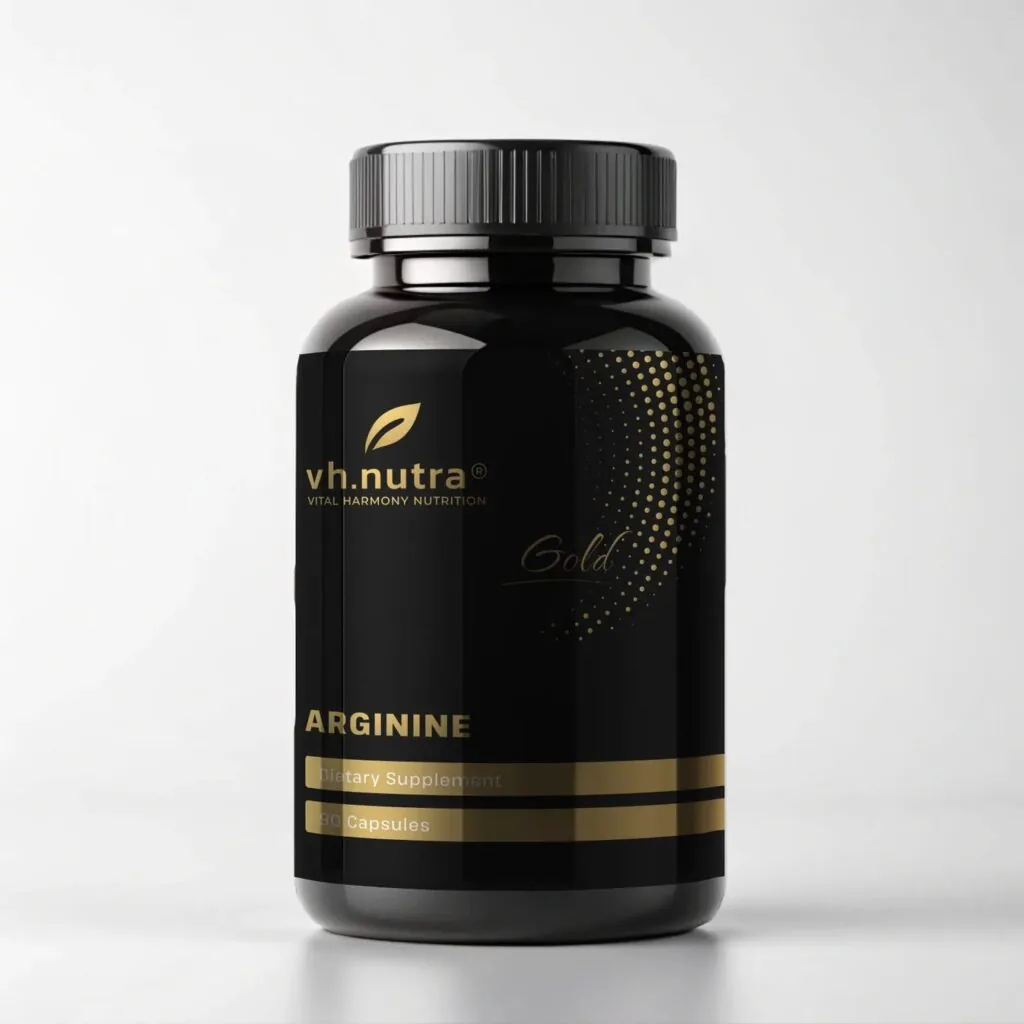
To achieve the best effect, L-citrulline is worth combining with other sports supplements. For example, VH.Nutra L-Arginine acts through the same nitric oxide pathway and can strengthen the blood flow effect, and together with a consistent training plan this supplement allows you to noticeably improve endurance results within just a few weeks.
3. Reduces Muscle Fatigue and Soreness
The third benefit of L-citrulline is the reduction of muscle fatigue and soreness. This amino acid participates in the urea cycle, which helps the body remove ammonia — one of the substances that accumulates in the muscles during intense exercise and causes fatigue. More efficient ammonia removal means that the muscles stay functional longer and become less “acidic”.
Research shows that L-citrulline malate, which is a combination of L-citrulline and malic acid, is especially effective at reducing muscle soreness after training. Malic acid additionally participates in the Krebs cycle of energy production, so this combination improves blood flow and energy production at the same time. Less muscle soreness allows you to return to training faster and maintain high training quality even under heavy load.
In practice this is noticed as weaker delayed-onset muscle soreness 24–48 hours after a hard workout. If you often feel that your muscles are “locked up” after training and even everyday movements are difficult, L-citrulline can help soften this sensation and speed up recovery before the next session.
4. Improves the “Pump” Effect During Training
The fourth benefit of L-citrulline is a more pronounced “pump” effect during training. The “pump” is the sensation when, due to increased blood flow, the muscles become fuller, harder and visually larger. Although this effect is temporary, it not only motivates you during training but also shows that more oxygen and nutrients are reaching the muscles, which is favorable for long-term growth.
Since L-citrulline directly boosts nitric oxide production, this amino acid is considered one of the best natural “pump” enhancers. This is exactly why many pre-workout complexes contain L-citrulline or L-arginine in their formula. This compound helps achieve a more pronounced blood flow to the working muscles without caffeine or other stimulants, so it also suits those who want to avoid the feeling of nervousness.
A more pronounced “pump” effect can be achieved with VH.Nutra L-Arginine, which complements the effect of this amino acid through the same nitric oxide mechanism. By combining both nitric oxide precursors, the blood flow effect can be even more pronounced, and the feeling of muscle fullness during training — stronger.
5. Helps Maintain Healthy Blood Pressure
The fifth benefit of L-citrulline is maintaining healthy blood pressure. Since nitric oxide relaxes and widens the blood vessels, taking this amino acid can help maintain normal blood pressure, especially in people whose blood pressure is slightly elevated. Blood vessel dilation reduces resistance to blood flow, so the heart works under less strain.
Research shows that regular use of L-citrulline can help lower both systolic and diastolic blood pressure in people with mild hypertension. Nevertheless, it is important to emphasize that this compound is not a medicine — if blood pressure is persistently elevated, you should first consult a doctor. The supplement can be useful as a supportive measure together with a healthy lifestyle, but it does not replace doctor-prescribed treatment.
This benefit once again shows that L-citrulline is valuable not only for athletes. For people who care about heart and vascular health, this amino acid can become a useful addition to their daily routine, and thanks to its good safety profile it is easy to combine with other heart-healthy substances, such as omega-3 fatty acids or coenzyme Q10.
6. Supports Vascular Health and Sexual Function
The sixth benefit of L-citrulline is supporting vascular health and sexual function. Erection is directly related to blood flow, and since this compound improves nitric oxide production and blood vessel dilation, it can help maintain normal sexual function. For this reason, L-citrulline is often called a natural alternative to synthetic preparations intended for improving blood flow.
In addition, healthy and elastic blood vessels are important for the whole body — they ensure good oxygen supply to the tissues, help maintain normal body temperature and remove metabolic products faster. Regular use of this amino acid together with physical activity is one of the simplest ways to improve vascular condition, which over time is reflected in better overall well-being.
It is worth mentioning that L-citrulline is not the only thing important for vascular health — it is also supported by other participants of the nitric oxide pathway. Read more about this mechanism in our article on L-arginine and vascular health, where we explain in detail how nitric oxide works and why it is so important for the whole body.
7. Speeds Up Recovery After Training
The seventh benefit of L-citrulline is faster recovery after training. Better blood flow means that nutrients and oxygen reach the damaged muscles faster, while metabolic waste such as ammonia and lactate is removed more efficiently. As a result, the muscles recover faster and are ready for the next workout.
This benefit is especially relevant for athletes who train several times a week or even twice a day. A short recovery window requires the body to remove the consequences of the load as quickly as possible, and this nitric oxide precursor helps speed up this process. Together with proper nutrition and enough sleep, L-citrulline becomes a valuable part of the recovery routine.
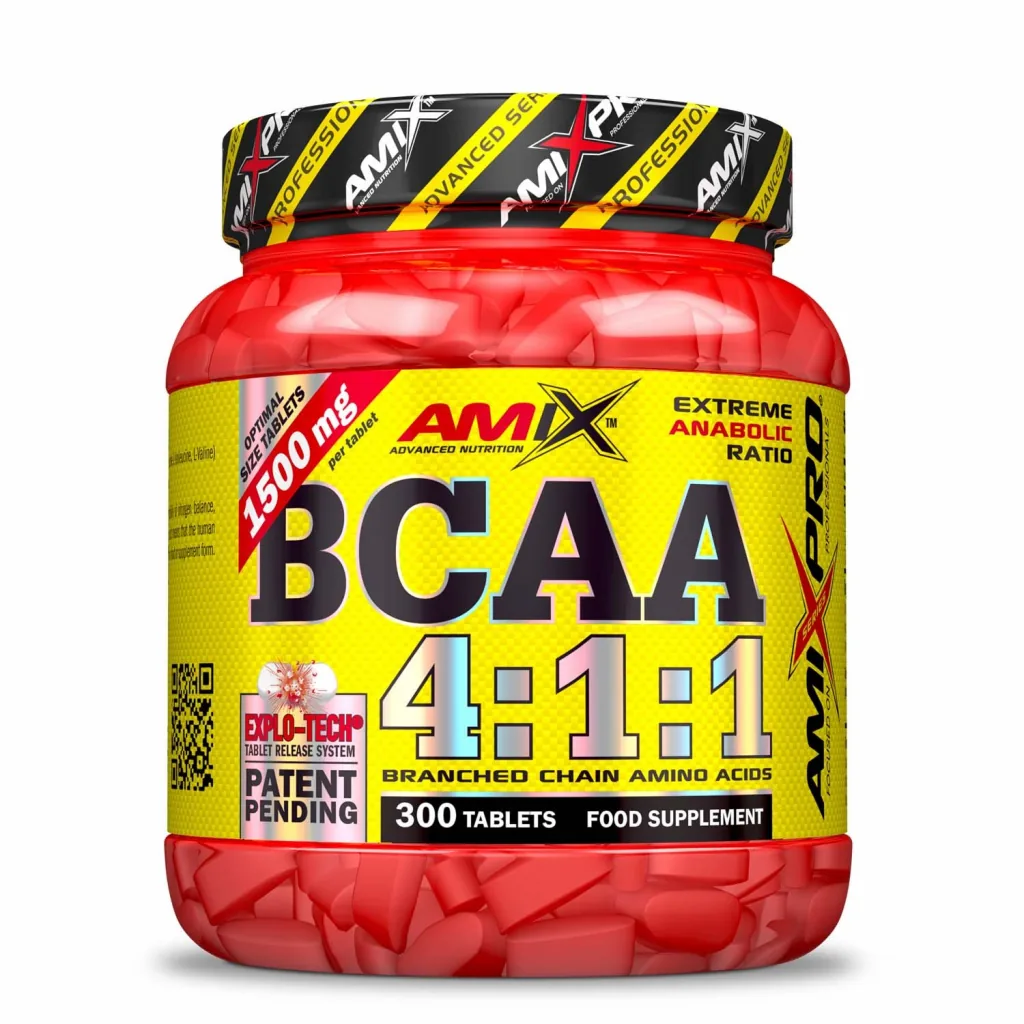
Faster muscle recovery is also supported by amino acids such as AmixPro BCAA 4:1:1 300tbl, which provide the muscles with building material. By combining BCAAs with this amino acid, you can supply the muscles with nutrients and improve their blood supply at the same time, which is especially useful during an intense training cycle.
How to Take L-Citrulline?
Recommended dose: 3–6 grams of L-citrulline per day, or 6–8 grams if you take L-citrulline malate. The dose can be taken at once or divided into two servings, but for sports purposes it is most effective to take the entire dose before training.
When to take: L-citrulline is best taken 30–60 minutes before training so that arginine levels in the blood have time to rise before the load begins. On non-training days, this amino acid can be taken in the morning on an empty stomach or before bed, and taking it with a small amount of food helps avoid possible stomach discomfort.
Duration of use: L-citrulline is not a fast-acting supplement, but improvements in blood flow can often be noticed after the first weeks of use. Thanks to its good safety profile, this compound can be taken in long-term cycles without mandatory breaks, and consistency matters more here than a single large dose.
Maximum safe dose: in studies, up to 10 grams per day was well tolerated, but 6–8 grams of L-citrulline malate is enough for sports purposes. In the StayStrong range you will find VH.Nutra L-Arginine — a nitric oxide precursor in capsules that perfectly complements the effect of this amino acid and is suitable to combine into a daily routine.
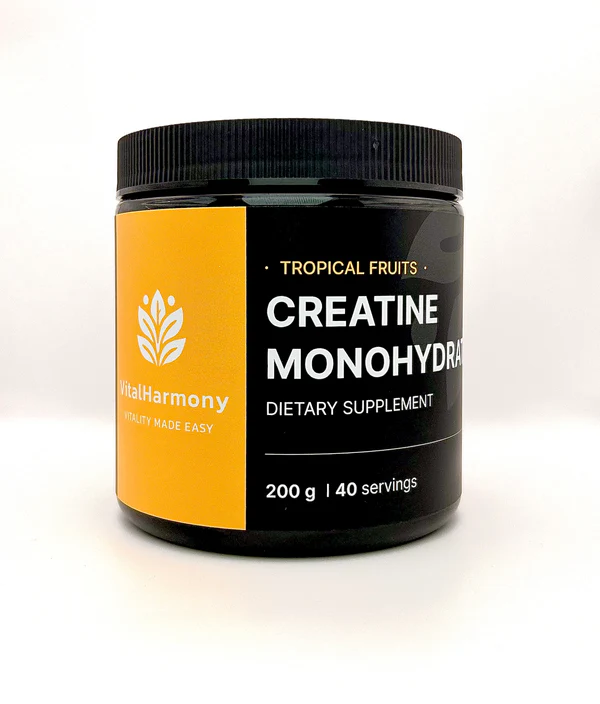
Unlike creatine, L-citrulline does not require a loading phase — the effect is achieved by taking a consistent daily dose from the very first day. If you combine this compound with VitalHarmony Creatine Monohydrate, take creatine daily at a consistent dose and L-citrulline before training, so that both supplements work through different, complementary mechanisms.
Possible Side Effects
L-Citrulline is well tolerated by most people and is considered one of the safest sports supplements. In rare cases, especially when exceeding the recommended dose, mild digestive disturbances may occur — bloating, nausea or diarrhea. These symptoms usually pass after reducing the dose or starting to take the supplement with food.
Since this amino acid dilates the blood vessels, people taking blood-pressure-lowering medication or blood thinners should consult a doctor before starting L-citrulline. For pregnant and breastfeeding women, as well as people with serious kidney disease, supplements of this compound are not recommended without medical supervision. In all cases of uncertainty, it is best to consult a specialist first.
L-Citrulline and L-Arginine — What You Should Know?
L-Citrulline and L-Arginine are often mentioned together because both participate in the same nitric oxide production pathway, but their roles differ. L-arginine is a direct nitric oxide precursor, while L-citrulline is converted into arginine in the body and thus indirectly boosts nitric oxide production. The most important difference is that L-citrulline raises blood arginine levels more effectively than an arginine supplement itself.
The reason is simple: a large part of consumed L-arginine is broken down in the liver before reaching the bloodstream, so only a small part of the dose reaches the muscles. L-citrulline bypasses this liver barrier and is converted into arginine already in the blood, so its effect on nitric oxide production is more stable and longer-lasting. For this reason, many experts consider L-citrulline the better choice for improving blood flow.
Nevertheless, these two compounds do not conflict with each other — they can be combined and provide additional benefit. In the StayStrong range you will find VH.Nutra L-Arginine, which can be taken together with an L-citrulline supplement to achieve maximum nitric oxide production and blood flow effect. Read more about the effect of this amino acid in the article on the benefits of L-arginine for sports.
Frequently Asked Questions
What is L-citrulline and where does it come from?
L-citrulline is an amino acid that the body can produce on its own, and its largest natural source is watermelon. For sports purposes, it is most practical to get this amino acid from dedicated supplements, because it is difficult to achieve athletic benefits from natural amounts alone.
Does L-citrulline help build muscle?
L-citrulline does not directly stimulate muscle growth the way protein or creatine does, but it improves blood flow and reduces fatigue, which creates more favorable conditions for training more intensely and longer. Together with proper nutrition and training, this compound can indirectly contribute to better muscle growth results.
When is the best time to take L-citrulline?
L-citrulline is best taken 30–60 minutes before training so that arginine levels in the blood have time to rise before the load begins. On non-training days, this amino acid can be taken in the morning or before bed.
Can L-citrulline be combined with other supplements?
Yes, this nitric oxide precursor combines well with creatine, beta-alanine and BCAAs. In the StayStrong range you will find VH.Nutra L-Arginine, which is convenient to combine with this compound for a stronger blood flow effect.
Disclaimer: This information is for educational purposes only and cannot replace professional medical advice. Before starting to take any dietary supplements, always consult a doctor or pharmacist.
Related Articles
- L-Arginine: 7 Benefits for Blood Flow, Sports and Heart
- Creatine: 7 Benefits for Muscles, Brain and Athletic Performance
- Beta-Alanine: 7 Benefits for Sports, Endurance and Muscle Function