Contents
In short:
- A diet shake is a balanced meal replacement designed to replace one meal while controlling calorie intake.
- One serving usually contains 15–25 g of protein, fiber, vitamins and minerals, with about 200–300 kcal.
- It works best when it replaces 1–2 meals a day and is combined with a balanced diet and physical activity.
- Choose a shake by its ingredients, not the claims on the packaging; consult a doctor before combining it with medication.
A diet shake is a simple, convenient way to manage calories when you want to lose or maintain weight. In this article we explain how a diet shake works, what to look for when choosing the ingredients and how to use it safely.
Key takeaways
- A diet shake helps with weight control mainly through a simple calorie deficit – the serving is clearly defined and convenient.
- The best products are high in protein and fiber and as low in added sugar as possible.
- Replacing one or two meals a day requires only 1–2 servings; replacing every meal with a shake is not recommended.
- Results last only when the shake stage is followed by long-term healthy eating habits.
What is a diet shake?
A diet shake is a meal replacement in powder or ready-to-drink form, designed so that one serving contains a balanced amount of protein, carbohydrates, fat, fiber, vitamins and minerals. It is meant to replace one regular meal when you want to control your calorie intake more easily.
Unlike an ordinary protein shake, which usually supplements the diet with protein, a diet shake is designed as a complete meal replacement. This means it also contains micronutrients that you would miss if you replaced a meal with protein alone.
A diet shake is most often used during weight loss or maintenance, because it helps limit calories without weighing and counting every meal. However, it is not a “miracle” product – it only works when your overall daily calorie balance is negative.
In the European Union, meal replacements for weight control must meet clear requirements for protein, fat, vitamin and mineral content, so these products are fairly standardized. Nevertheless, the market is full of ordinary protein shakes that are not meant to replace an entire meal – it is important to tell the two apart so you get all the nutrients you need.
How does a diet shake help control weight?
The main mechanism is simple – a calorie deficit. When one or two meals are replaced with a diet shake containing roughly 200–300 kcal, the total daily calorie intake decreases and the body starts using its stored fat for energy.
The second factor is satiety. Protein and fiber slow stomach emptying and help you feel full for longer, so you are less tempted to snack. The amount of protein and fiber in a diet shake is one of the most important features to pay attention to.
The third advantage is convenience and structure. The serving is clearly defined and quick to prepare, which helps you avoid spontaneous, high-calorie choices. In a review of weight-loss approaches, the U.S. National Institutes of Health (NIH) notes that meal replacements can help reduce calorie intake in structured programs.
Still, it is important to understand that a diet shake is only a tool, not a solution by itself. Long-term results depend on overall eating habits and physical activity, so it is worth combining shakes with appetite control strategies.
It is also worth noting that a diet shake does not suit everyone equally: for some it helps maintain a clear structure, while others quickly get bored. If you feel that using a shake becomes a burden, it is better to choose another calorie-control method you can sustain in the long run.
Benefits of a diet shake
Besides weight control, a balanced diet shake has other advantages:
- Clear serving and calorie control. No need to weigh foods or guess – one serving gives a clear amount of calories and nutrients.
- Convenience. A diet shake is ready in a few minutes, so it suits a busy day, travel or work.
- A source of protein. Most diet shakes have 15–25 g of protein per serving, which helps preserve muscle mass during weight loss.
- Added vitamins and minerals. Quality products are fortified with vitamins and minerals that can be lacking when calories are restricted.
- Fiber. Fiber promotes satiety and supports normal digestion.
Diet shake ingredients – what to look for on the label
When choosing a diet shake, the most important thing is to look at the ingredients, not the attractive packaging. Here are the key criteria:
- Protein. Look for at least 15 g of protein per serving – it helps maintain satiety and muscle mass.
- Fiber. The more fiber (ideally 3 g or more per serving), the longer you will feel full.
- Sugar. Added sugar should be as low as possible – ideally no more than 10 g per serving.
- Vitamins and minerals. A quality meal replacement is fortified with a complex of vitamins and minerals.
- Calories. One serving usually has 200–300 kcal – enough to replace a meal without starving.
If you are lactose intolerant, choose a lactose-free or plant-based diet shake. It is also worth checking whether the product contains artificial sweeteners or additives you want to avoid. Read more about the importance of fiber in our article about fiber.
A good rule of thumb is to choose a diet shake with at least 15 g of protein and no more than 10 g of added sugar per serving. The shorter and clearer the ingredient list, the easier it is to understand what you are actually drinking.
Types of diet shakes and how to choose
Diet shakes can be divided by protein source and purpose. The most common types are:
- Whey protein based. The most popular option – quickly absorbed protein, suitable for most people.
- Lactose-free. For those sensitive to lactose who still want the quality of animal-based protein.
- Plant-based. Made from pea, rice or soy protein – suitable for vegans or a plant-based diet.
- High-protein. For more active people who want to control calories while preserving muscle mass.
When choosing, think about your goal: if losing weight is the priority, pick a lower-calorie, lower-sugar option with more protein and fiber. Flavor variety also matters – if you like the shake, you will find it much easier to stick with. For example, a balanced diet shake with protein and fiber can conveniently replace one meal. Read more about the role of protein in our article about protein.
How to use a diet shake?
Dosage. Usually 1–2 servings a day are recommended, with each serving replacing one meal (for example, breakfast or lunch). To prepare one serving, mix 1–2 scoops of powder with 250–300 ml of water or milk – always check the exact amount on the product label.
Best time. A diet shake is usually drunk in the morning or around midday, when it is most convenient to replace a meal. It can also be used in the evening if it suits your routine.
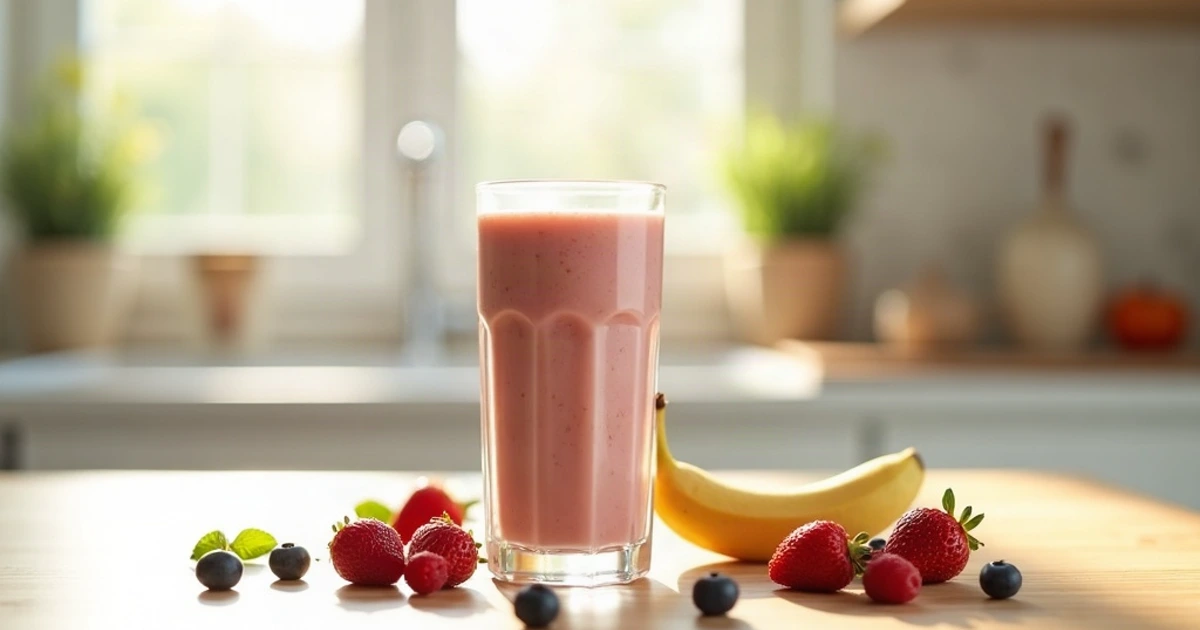
Preparation. The powder is easiest to mix in a shaker with cold water or milk; if you want a thicker consistency, add slightly less liquid. Drink slowly and replace the meal without rushing – the fullness signal arrives after a few minutes, not immediately.
Duration. A diet shake is best used as a temporary tool at the start of weight loss or in stages, not as a permanent solution. In the long run, the most important thing is to learn to choose whole foods so the weight does not come back once you stop using the shakes.
Maximum safe dose. It is not recommended to replace all meals with a diet shake for a longer period without medical supervision. Two servings a day is the usual upper limit; the remaining meals should consist of varied, whole foods.
Side effects and what to watch out for
A diet shake is usually well tolerated, but some people may experience bloating, gas or diarrhea at first. This is most often related to the fiber content or lactose, so when starting it is worth drinking enough water and increasing the dose gradually.
If you notice persistent bloating or stomach pain after a diet shake, check the ingredients – lactose or certain sweeteners may not suit you. In that case, choose a lactose-free or plant-based option.
Sugar alcohols used in some products (such as maltitol or xylitol) can cause bloating or diarrhea in larger amounts. If this happens, it is worth choosing a diet shake with a different sweetener or without one.
The biggest risk comes not from the product itself but from improper use: replacing every meal with shakes in the long term can lead to a lack of dietary variety and monotony that is hard to sustain.
Interactions with medicines and who should avoid them
A diet shake rarely interacts with medicines on its own, but it is important to pay attention to the added vitamins and minerals. If you take other supplements, the combined amount of some nutrients may become too high.
People with diabetes should be especially cautious, because changing your eating rhythm and reducing carbohydrates can alter blood sugar, so medication doses may need to be adjusted. Consult a doctor if you take medication for diabetes, blood pressure or other regular medicines.
For pregnant and breastfeeding women, children and teenagers, a diet shake is generally not recommended without a doctor’s or dietitian’s supervision, because their nutritional needs are higher.
Frequently asked questions
Can a diet shake replace all meals? It is not recommended. A diet shake is meant to replace one or two meals a day, while the rest of your diet should consist of varied whole foods so your body gets all the nutrients it needs.
How much weight can you lose with a diet shake? The result depends on your overall calorie deficit and physical activity. A safe pace is considered 0.5–1 kg per week, but an exact number is hard to predict – it differs for everyone.
How does a diet shake differ from a protein shake? A protein shake usually supplements the diet with protein, while a diet shake is a complete meal replacement with added vitamins, minerals and fiber, designed to replace an entire meal.
Is a diet shake suitable for people with diabetes? It depends on the product’s composition – it is important that sugar is low and the carbohydrate amount is known. People with diabetes should consult a doctor before use, as medication doses may need to be adjusted.
When is the best time to drink a diet shake? It usually replaces breakfast or lunch, because that makes it easiest to control daily calories. The time of day is not essential – what matters is that your total daily calorie intake matches your goal.
Disclaimer: This information is for educational purposes only. Before taking supplements, consult a doctor or pharmacist.
Related articles
- Protein: 7 benefits for muscles, recovery and health
- Fiber: 7 benefits for digestion, weight control and health
- Glucomannan: 7 benefits for weight control and satiety