Table of Contents
In short:
- Glucomannan is a natural, water-soluble dietary fiber extracted from the konjac plant root that absorbs water in the stomach and turns into a thick gel.
- The best-researched benefits of glucomannan relate to weight control, satiety, cholesterol reduction and improved digestion.
- The European Food Safety Authority (EFSA) has confirmed that 3 g of glucomannan per day, taken as part of a reduced-calorie diet, helps with weight loss.
- Glucomannan can be obtained naturally from konjac products – shirataki noodles, konjac rice and konjac flour.
Glucomannan is a low-calorie, highly water-absorbing dietary fiber that has recently been mentioned more and more often when talking about weight control and healthy digestion. This fiber is extracted from the root of the konjac plant and has a unique property: once it reaches the stomach, it absorbs a large amount of water and swells into a thick, gel-like mass. It is this mechanism that explains most of the benefits of glucomannan – from a longer feeling of satiety to a gentler rise in blood sugar. In this article we will review the seven most important benefits of glucomannan, explain how to take it safely, what doses are recommended and where to get this fiber naturally.
Key takeaways
- Glucomannan can absorb up to 50 times its weight in water, so even a small dose takes up a lot of space in the stomach and prolongs satiety.
- EFSA has confirmed two official glucomannan claims: it contributes to weight loss and to maintaining normal blood cholesterol levels.
- Glucomannan must be taken with plenty of water – dry capsules or powder can get stuck in the esophagus and cause serious problems.
What is glucomannan?
Glucomannan is a soluble dietary fiber – a polysaccharide made up of chains of glucose and mannose molecules. This fiber is extracted from the root of the konjac plant (Amorphophallus konjac), also known as devil’s tongue or konnyaku. In East Asia, especially in Japan and China, the konjac root has been used as food for centuries – shirataki noodles, konjac rice and konnyaku jelly are all made from it.
The main property of glucomannan is its ability to absorb a very large amount of water. One gram of glucomannan can absorb several dozen grams of water and form a thick, viscous gel. This gel slows gastric emptying, prolongs the feeling of satiety and slows carbohydrate absorption in the intestine. Since glucomannan itself has almost no calories, it provides bulk without extra energy – and that is exactly what makes it a popular supplement for weight control and digestive health.
Although glucomannan is not a vitamin or a mineral, its role in the diet is significant – it belongs to the group of fermentable fibers that gut bacteria break down into short-chain fatty acids. These acids feed intestinal cells and help maintain a healthy gut microbiome.
1. Supporting weight control
Weight control is the most researched and officially confirmed benefit of glucomannan. Back in 2010, the European Food Safety Authority (EFSA) approved a scientifically substantiated claim that glucomannan taken at 1 g three times a day with a glass of water before meals “in the context of an energy-restricted diet contributes to weight loss”. It is one of the few food supplement ingredients with an official EFSA-approved weight loss claim.
Research reviews show that taking glucomannan alongside a healthy diet can help lose slightly more weight than dieting alone. The effect is not dramatic – we are talking about a few extra kilograms over several months – but glucomannan can be a useful tool for those who want to stick to a calorie deficit more easily. It pairs well with other weight control strategies, such as a fiber-rich diet and regular physical activity.
2. Increasing satiety
The main mechanism by which glucomannan helps control weight is a longer feeling of satiety. When glucomannan enters the stomach, it absorbs water and expands into a viscous gel that fills part of the stomach volume. As a result, even after eating less food we feel full and are less tempted to snack between meals.
In addition, glucomannan slows gastric emptying – food stays in the stomach longer and satiety signals reach the brain earlier. This helps naturally reduce calorie intake without constant hunger. For people who often feel cravings for snacks, glucomannan can be a valuable aid, especially when combined with appetite control strategies.
3. Improving digestion and bowel function
As a soluble fiber, glucomannan contributes to normal bowel function. The water-saturated gel increases stool volume and softens its consistency, so contents move through the intestine more smoothly. This is especially useful for people prone to constipation or irregular bowel movements.
Glucomannan also acts as a natural “sweeping” component – it helps empty the bowel regularly and maintain a healthy digestive rhythm. Compared to other fibers, glucomannan absorbs a particularly large amount of water, so its effect on stool volume is stronger. However, precisely because of this property it must be taken with plenty of fluids – similar to psyllium husk fiber.
4. Lowering cholesterol levels
The second officially EFSA-approved glucomannan claim relates to blood cholesterol – taking 4 g of glucomannan per day contributes to maintaining normal cholesterol levels. This effect is explained by the fact that the viscous glucomannan gel binds bile acids and cholesterol in the intestine, preventing them from being fully absorbed.
When the body loses bile acids through stool, the liver is forced to produce new ones – and to do that it uses cholesterol from the blood. This indirectly lowers total and LDL (“bad”) cholesterol. Studies show that regular glucomannan intake can reduce total and LDL cholesterol, so it can be a useful additional element when looking after cardiovascular health.
5. Supporting healthy blood sugar
The viscous glucomannan gel slows carbohydrate digestion and glucose absorption in the intestine. As a result, blood sugar rises more slowly and evenly after a meal instead of spiking suddenly. This is useful not only for people with diabetes or insulin resistance, but for everyone who wants to avoid energy swings after sweet or carbohydrate-rich food.
Some studies show that glucomannan can slightly reduce glycated hemoglobin (HbA1c) – a marker of long-term blood sugar control. Although glucomannan is not a medicine and cannot replace treatment prescribed by a doctor, its ability to soften post-meal sugar spikes makes it a useful aid in maintaining stable glucose metabolism.
6. Prebiotic effect on the gut microbiome
Glucomannan belongs to the group of fermentable fibers that act as a prebiotic – food for beneficial gut bacteria. The gut microbiome breaks glucomannan down into short-chain fatty acids such as butyrate, acetate and propionate. These acids are the main energy source for intestinal lining cells and help maintain a healthy gut barrier.
A healthy and diverse gut microbiome is linked to better immunity, digestion and even mood – a significant part of serotonin is produced precisely in the gut. Regular glucomannan intake can increase beneficial bacteria such as bifidobacteria, which contributes to overall gut health. This prebiotic effect sets glucomannan apart from many other fibers that are fermented less in the intestine.
7. Relieving constipation
Thanks to its ability to absorb a lot of water, glucomannan effectively helps with constipation. The water-saturated gel increases stool volume and softens its consistency, which stimulates intestinal peristalsis – the wave-like muscle contractions that push contents through the intestine.
In studies, glucomannan showed a better effect on bowel movement frequency than placebo, so it is often recommended as a natural alternative to laxatives. However, it is important to emphasize that the effective effect is achieved only when taking glucomannan with enough water – without fluids it can cause the opposite effect and even make the situation worse.
How to take glucomannan?
The recommended glucomannan dose for weight control is 3 g per day – 1 g three times a day before meals. This is exactly the dose used in studies and officially approved by EFSA. For maintaining cholesterol levels, 4 g per day is usually recommended, divided into several portions.
It is very important to take glucomannan correctly: each dose (1 g) should be taken with a large glass of water (250–300 ml) 15–30 minutes before a meal. This gives the fiber time to swell in the stomach and create a feeling of satiety even before eating. Glucomannan powder can be dissolved in water or taken as capsules, but in both cases it is essential to drink plenty of fluids.
How long to take it? The effect of glucomannan appears gradually, so noticeable results require several weeks or months of regular use. The maximum safe dose is not strictly established, but most studies do not exceed 10–15 g per day, and higher doses increase the risk of side effects. Never increase the dose on your own and follow the recommendations on the package.
Side effects and precautions
Glucomannan is well tolerated by most people, but mild bloating, gas or diarrhea may occur at the start. These symptoms usually disappear as the body adapts, so it is recommended to increase the dose gradually. The greatest danger arises when glucomannan is taken dry or with too little water – it can get stuck in the esophagus, cause choking or even intestinal obstruction.
Glucomannan can slow the absorption of some medications, so medicines should be taken at least one hour before glucomannan or several hours after it. Pregnant and breastfeeding women, as well as people with serious digestive disorders, should consult a doctor before starting. More information about the chemical structure and properties of glucomannan can be found in the US National Library of Medicine’s glucomannan compound database.
Diet: natural sources of glucomannan
Glucomannan is found naturally mainly in the konjac plant, so its main dietary sources are products made from the konjac root. Common everyday foods contain only small amounts of glucomannan, so to get more of it, it is worth including konjac products.
- Shirataki noodles – translucent, low-calorie noodles made from konjac flour, most of which is made up of glucomannan.
- Konjac rice – a rice-like product made from konjac flour that contains very few calories.
- Konjac flour – used as a thickener in baked goods and sauces, also suitable for preparing low-calorie dishes at home.
- Konnyaku jelly – a traditional Japanese dessert made from the konjac root with a jelly-like texture.
- Glucomannan supplements – capsules or powder with concentrated glucomannan, the easiest way to ensure the recommended daily dose.
FAQ: common questions
How much glucomannan do you need per day? For weight control, 3 g per day is recommended – 1 g three times a day before meals with a large glass of water. For maintaining cholesterol levels, 4 g per day is usually taken.
Does glucomannan help you lose weight? Yes, EFSA has officially confirmed that glucomannan contributes to body weight loss when taken as part of a reduced-calorie diet. The effect is modest, but it can help you stick to a calorie deficit more easily.
When is the best time to take glucomannan? Glucomannan is best taken 15–30 minutes before a meal with a large glass of water. This gives the fiber time to swell in the stomach and create a feeling of satiety even before you start eating.
Can glucomannan cause side effects? The most common side effects are bloating and gas, which pass as the body adapts. Most importantly, never take dry powder or capsules without water, as they can get stuck in the esophagus.
How does glucomannan differ from psyllium husk? Both substances are soluble fibers, but glucomannan absorbs considerably more water and forms a thicker gel, and its weight loss effect is EFSA-approved. Psyllium husk is better known for relieving constipation and supporting digestion.
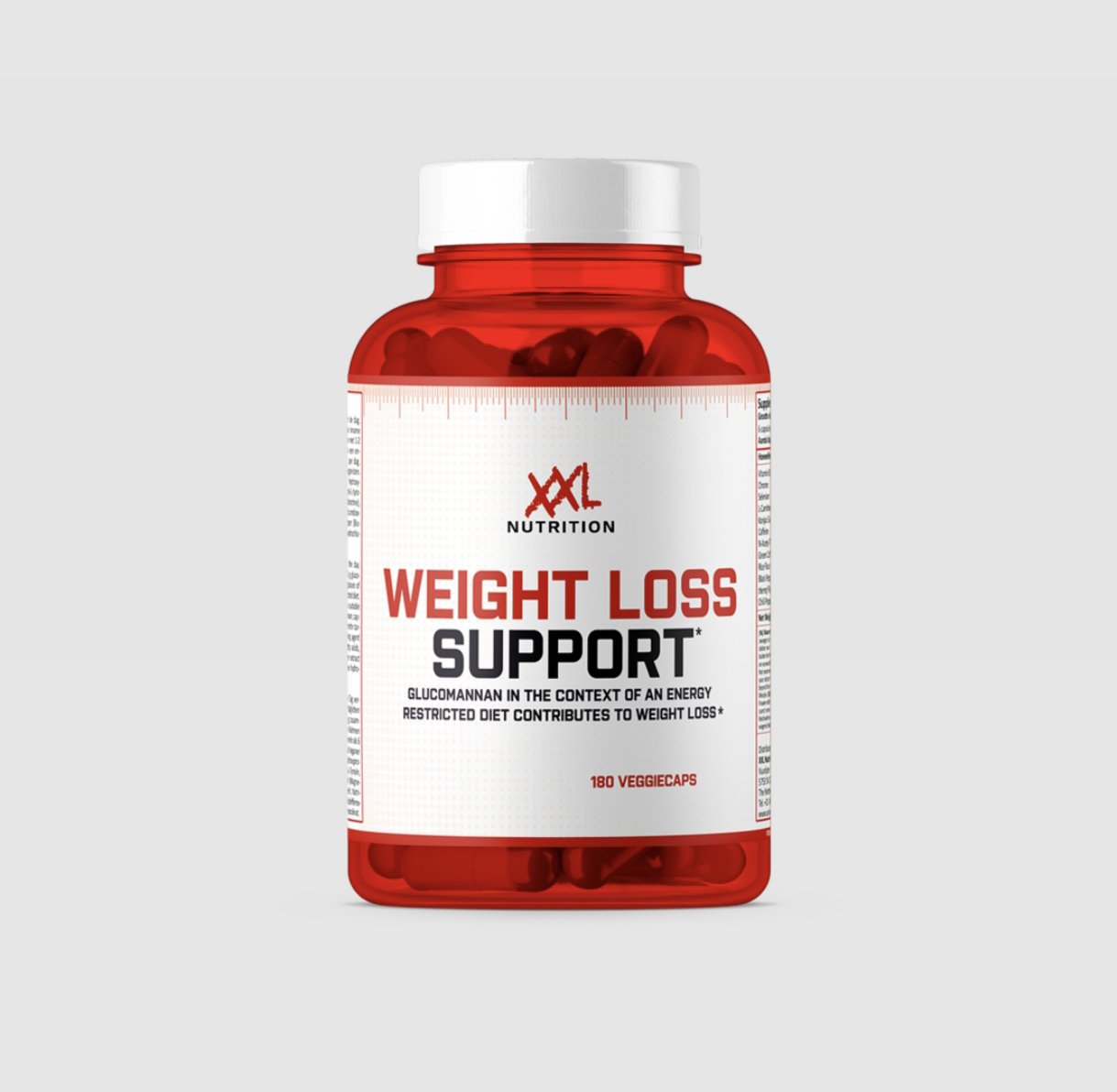
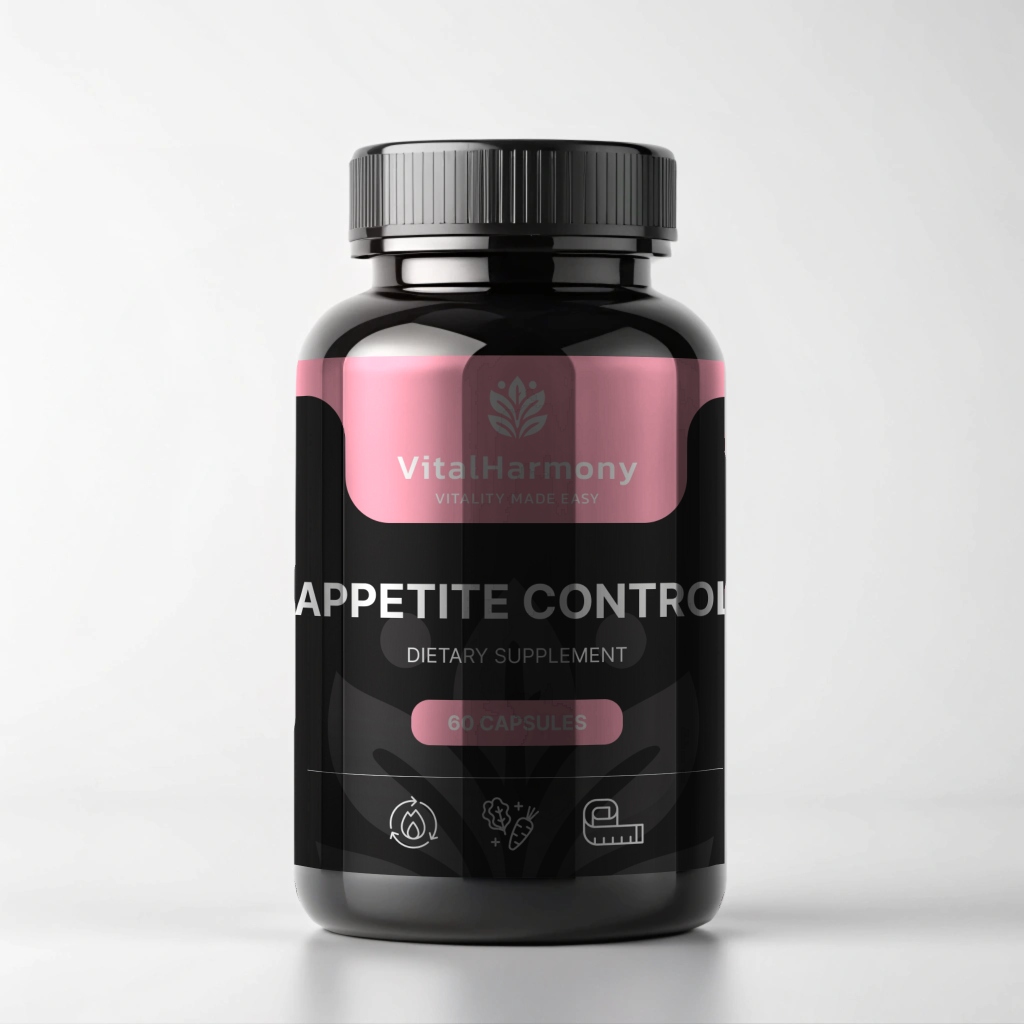
The satiety and weight control effects of glucomannan are easy to achieve with a supplement that already contains it. For example, XXL Nutrition Weight Loss Support combines glucomannan with chromium and green tea extract – this combination helps you feel full and supports metabolism. If you are often bothered by snack cravings, it is also worth considering VH.Nutra Apetite Control – a natural appetite control supplement with plant extracts.
Disclaimer: This information is for educational purposes only. Consult a doctor or pharmacist before taking supplements.
Related articles
- Fiber – 7 benefits for digestion, weight control and health
- Psyllium husk – 7 benefits for digestion, heart and weight control
- Appetite control – 7 benefits for satiety, weight control and blood sugar balance