Table of contents
In short:
- Artichoke is a Mediterranean plant whose leaf extract has traditionally been used to support the liver and digestion.
- The main active compounds, cynarin and chlorogenic acid, stimulate bile production and have an antioxidant effect.
- Studies show that artichoke leaf extract may help lower cholesterol and support healthy blood sugar metabolism.
- Artichoke is generally well tolerated, but it should be avoided if the bile ducts are blocked or if gallstones are present.
Artichoke is associated by many people with Mediterranean cuisine, but this plant is valued not only for its taste – the extract made from its leaves has been used for centuries to support liver and digestive health. In this article we will look at how artichoke works in the body, what benefits it can offer for the liver and digestion, and how to use it safely.
Key takeaways
- Artichoke stimulates bile production, helping to digest fats and supporting liver function.
- Artichoke leaf extract is linked in studies to lower total and LDL cholesterol.
- The active compounds cynarin and chlorogenic acid have a strong antioxidant effect.
- Consult a doctor before taking artichoke with medication or if you have gallbladder conditions.
What is artichoke?
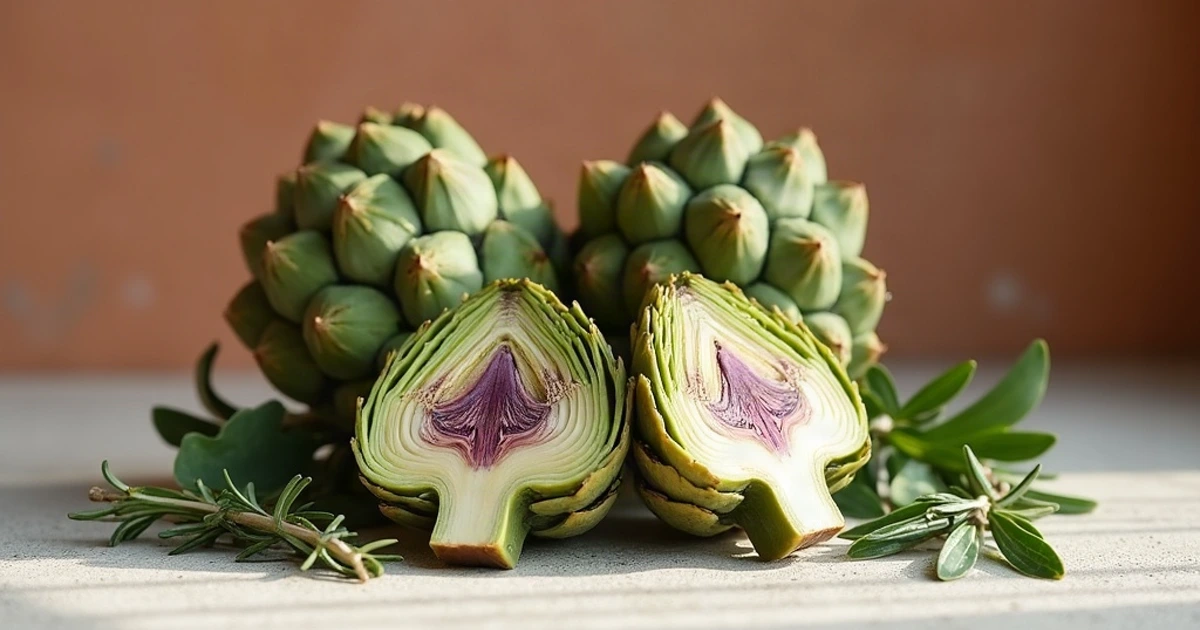
Artichoke (Latin Cynara scolymus) is a perennial plant of the aster family, native to the Mediterranean region. It is grown for its edible flower bud, which is prepared as a vegetable in the kitchen, but in supplements it is the leaves that are used. They are used to make artichoke leaf extract, which contains the highest concentration of active compounds.
Traditionally, artichoke was used to improve digestion, stimulate bile flow and support liver function. Modern research has confirmed some of these traditional uses, especially when it comes to liver and cholesterol metabolism.
The plant grows best in the warm conditions of the Mediterranean climate, but today it is cultivated in many countries around the world, including warmer regions of Europe. Because of its decorative flower, artichoke is sometimes grown as an ornamental garden plant as well.
The edible part of the artichoke is the unopened flower bud, which consists of fleshy, overlapping leaves and a tender heart. In the kitchen it is usually boiled, roasted or marinated, and the delicate, slightly nutty heart is especially prized by gourmets. The leaves, which matter most in supplements, are too tough to eat fresh, which is why extracts are made from them.
In addition to its active compounds, fresh artichoke is a good source of fibre – one medium-sized bud contains about 10 grams. That is why this vegetable is valuable not only as a raw material for extract, but also as a nutritious part of the diet.
Artichoke composition and active compounds
Artichoke leaves contain several groups of biologically active compounds. The most important are caffeic acid derivatives, among which cynarin and chlorogenic acid stand out. These compounds are considered the main drivers of artichoke’s effects.
In addition, artichoke contains flavonoids such as luteolin and apigenin, which have antioxidant and anti-inflammatory properties. The plant also contains the prebiotic fibre inulin, which feeds beneficial gut bacteria and contributes to a healthy gut microbiota.
Interestingly, the amount of active compounds can vary depending on the plant part and the time of harvest. The highest concentration of cynarin is usually found in the leaves rather than in the flower buds that we eat. That is why it is the leaf extract, and not the fresh vegetable, that is used for therapeutic purposes.
Artichoke benefits for the liver
The liver is the body’s main “filter”, and artichoke is traditionally considered one of the best plants for supporting liver function. Cynarin stimulates the production and release of bile, which makes it easier for the liver to remove waste and fat-soluble substances. This so-called choleretic effect is one of the most researched properties of artichoke.
In one 2024 clinical trial, artichoke leaf extract reduced liver fat accumulation (steatosis) and even slightly reduced liver size before bariatric surgery (J Clin Lipidol). These results show that artichoke may be useful for maintaining a healthy liver, especially when the liver is under greater strain.
In addition to stimulating bile, artichoke extract may help protect liver cells. Laboratory studies show that cynarin and other phenolic compounds can inhibit liver cell damage caused by toxins or alcohol. Of course, this evidence so far supports traditional use more than it allows firm conclusions.
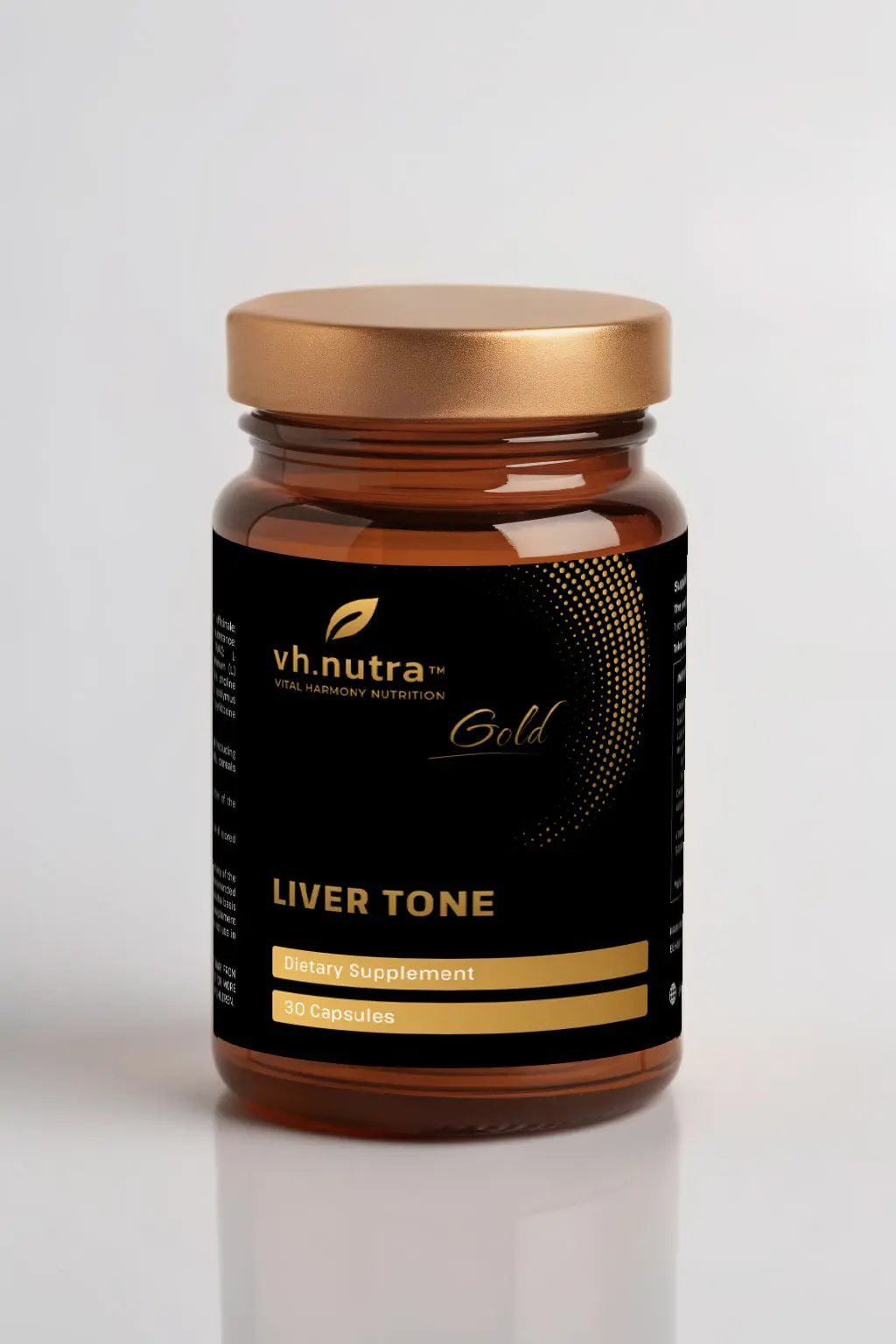
In products aimed at liver health, artichoke is often combined with other plant extracts, such as milk thistle – these plants work in a complementary way and together help support normal liver function.
Artichoke for digestion
Artichoke is traditionally used to relieve the symptoms of dyspepsia – bloating, a feeling of heaviness after meals and nausea. By stimulating bile flow, artichoke helps the body break down and absorb fats more efficiently, which can reduce discomfort after a fatty meal.
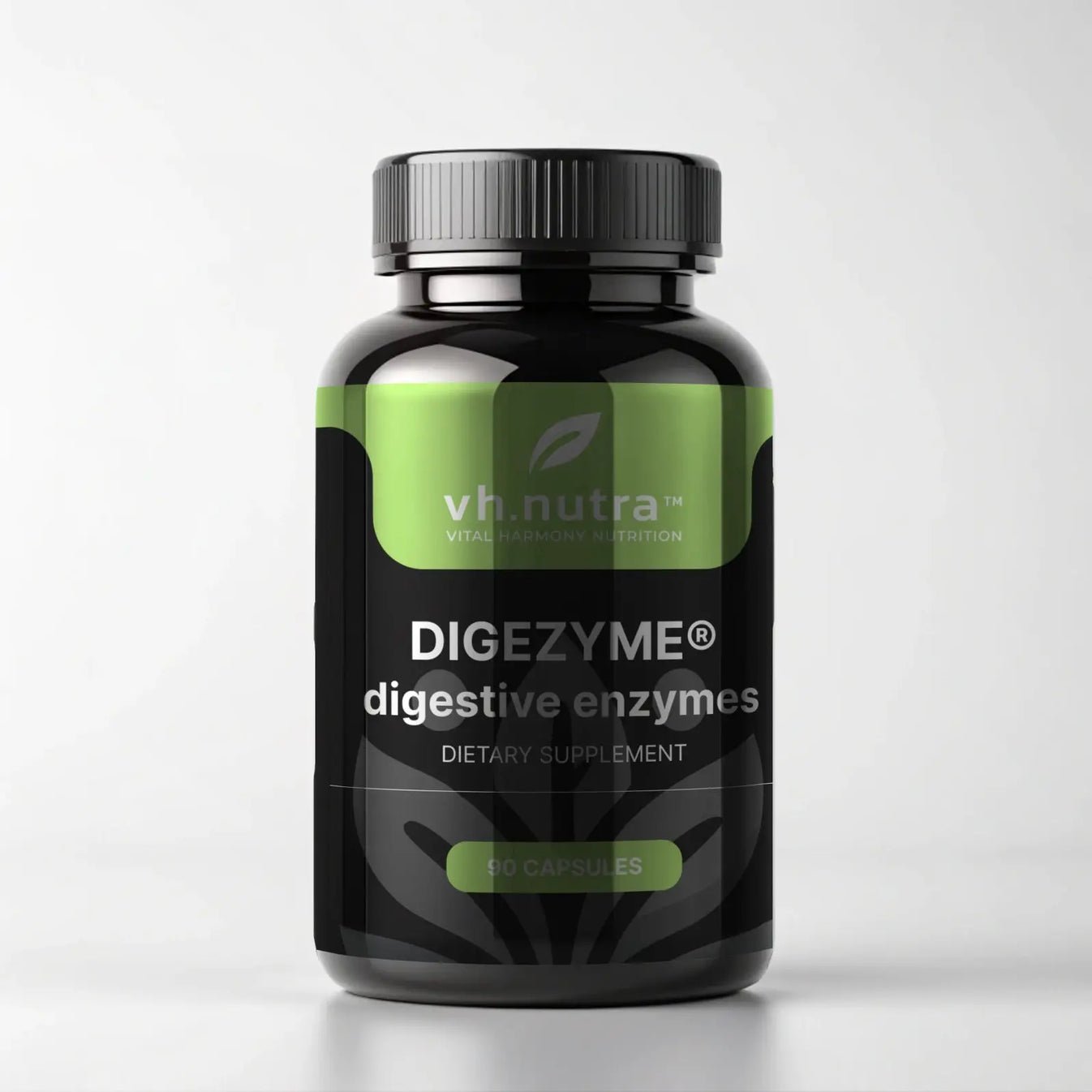
Because of this effect, artichoke extract is often combined with digestive enzymes – they work in a complementary way: enzymes break down carbohydrates, proteins and fats, while artichoke stimulates the production of bile needed to emulsify fats. This combination is especially valued by people who feel heaviness after meals.
Interestingly, artichoke may be useful not only because of bile, but also because of inulin. This prebiotic fibre reaches the large intestine undigested and becomes food for beneficial bacteria. A healthy gut microbiota is in turn linked to better digestion and overall wellbeing.
Artichoke and cholesterol
Cholesterol metabolism is another area where artichoke has shown interesting results. In a Cochrane systematic review that summarised clinical trials, artichoke leaf extract moderately reduced total cholesterol and LDL (“bad”) cholesterol (Cochrane Database Syst Rev).
Cynarin and chlorogenic acid, which may inhibit cholesterol synthesis in the liver, are thought to be responsible for this effect. Still, the effect is not as strong as that of medication, so artichoke should be regarded as a supporting measure rather than a replacement for treatment prescribed by a doctor.
Although the results are encouraging, researchers note that the reduction in cholesterol when taking artichoke is usually moderate – noticeable, but smaller than with prescription medication. Still, for those whose cholesterol is only slightly elevated, such a natural effect may be useful as a first step towards better health.
Artichoke and blood sugar metabolism
The inulin found in artichoke is a prebiotic fibre that slows the absorption of carbohydrates and helps keep blood glucose levels more stable after a meal. In addition, chlorogenic acid may slow the absorption of glucose in the intestine.
These properties make artichoke a useful plant for people who want to support healthy blood sugar metabolism. Berberine is often used for a similar purpose, so these two plant compounds are sometimes combined. Still, it is important to understand that artichoke is not a medicine for diabetes – it can only be a supporting measure in the context of a healthy lifestyle.
Some studies suggest that artichoke extract may help lower fasting glucose, but this evidence is not yet strong enough to confirm a reliable effect. Still, as a low-calorie, fibre-rich plant, artichoke can be a valuable part of a healthy diet.
Artichoke antioxidant properties
Chlorogenic acid and the flavonoids luteolin and apigenin give artichoke a strong antioxidant effect. Antioxidants neutralise free radicals – unstable molecules that can damage cells and contribute to premature ageing and the development of various chronic diseases.
This effect is closely linked to the benefits already discussed: by protecting liver cells from oxidative stress, artichoke indirectly contributes to the body’s overall defence.
The antioxidant effect of artichoke partly explains its other properties, such as liver protection. Oxidative stress is one of the main factors in liver damage, so a plant rich in antioxidants can help reduce this burden.
How to take artichoke?
Recommended dose. The usual dose of standardised artichoke leaf extract is 500–1500 mg per day, divided into 2–3 doses. Extracts are usually standardised by their cynarin or chlorogenic acid content, so check the composition stated on the label before use.
When to take it. Artichoke is best taken before a meal, because that is when it most effectively stimulates bile production and prepares the digestive system for food.
Which form to choose. Artichoke is available on the market as capsules, tablets, liquid extract and tea. Capsules and tablets are the most convenient because they allow precise dosing, while a liquid extract may suit those who have difficulty swallowing tablets. Tea has a milder effect and is better suited for daily, non-intensive use.
Duration of use. A visible effect usually requires several weeks of regular use. According to research, a typical course lasts 8–12 weeks, but many people take artichoke for longer. The maximum safe dose used in studies is about 1920 mg per day, but without a doctor’s supervision it is best not to exceed the recommended dose.
Side effects
Artichoke is generally well tolerated, and serious side effects are rare. The most common mild symptoms are bloating, gas, diarrhoea or stomach discomfort, especially when taking higher doses at the very beginning.
For people allergic to plants of the aster family – for example ragweed, chamomile or marigold – artichoke can cause an allergic reaction. In that case, stop taking it and consult a doctor.
For pregnant and breastfeeding women, there is not enough data on the safety of artichoke, so these women are advised to be cautious and to take preparations only after consulting a doctor. For children, it is also advisable to give artichoke preparations only with a doctor’s permission.
Artichoke and medications
Because artichoke stimulates bile production, it should not be taken if the bile ducts are blocked or if gallstones are present – increased bile flow can make the condition worse. This is the most important contraindication to know before starting.
Artichoke may enhance the effect of cholesterol-lowering medication, so when combining it with statins or other drugs that affect lipid metabolism, it is advisable to consult a doctor. Before combining artichoke with any prescription medication, always consult your doctor or pharmacist.
If you take diabetes medication, artichoke should be used with caution, because the theoretical effect on blood sugar may enhance these drugs. Monitor your glucose levels and inform your doctor of any changes.
Frequently asked questions
Does artichoke help the liver?
Yes. Cynarin stimulates bile production and has a liver-protective effect, and clinical trials show that artichoke extract can reduce liver fat accumulation.
How quickly does artichoke work?
For relieving digestive discomfort, the effect can be felt within a few days, but changes in cholesterol and liver markers usually require 8–12 weeks of regular use.
Can artichoke be taken daily?
Yes, artichoke extract can be taken daily while following the recommended dose. If you plan to take it for longer than a few months, it is advisable to consult a doctor.
Which form of artichoke is best?
A standardised leaf extract in capsules is the most convenient, because it allows precise dosing of the active compounds. Tea and fresh artichoke contain a lower concentration of active compounds.
Can artichoke cause allergies?
Yes, for people allergic to plants of the aster family (ragweed, chamomile), artichoke can cause an allergic reaction. If you notice itching or swelling, or develop a rash, stop taking it.
Recommended products
Disclaimer: This information is for educational purposes only. Before starting to take supplements, consult your doctor or pharmacist.