Amino acids are the building blocks of protein – compounds the body uses to build muscles, enzymes, hormones, antibodies and other vital proteins. Around 20 amino acids are known, of which 9 are called essential: the body cannot produce them on its own, so you must get them from food or supplements. In this article you will learn what benefits amino acids can give your muscles, recovery and immunity, which foods are richest in them, how to take them safely and what to look for when choosing supplements.
Key Takeaways
- Amino acids – the building blocks of protein the body uses to build muscles and other tissues.
- 9 essential amino acids – histidine, isoleucine, leucine, lysine, methionine, phenylalanine, threonine, tryptophan and valine – come only from food.
- BCAAs (branched-chain amino acids) speed up recovery and reduce muscle soreness after training.
- Best sources – eggs, meat, fish, dairy, legumes, soy and nuts.
Table of Contents
What Are Amino Acids and Where Are They Found?
Amino acids are organic compounds that link into chains and form proteins – one of the most important molecules of life. In the body, proteins perform thousands of functions: they build muscles and skin and produce enzymes, hormones and immune cells. Every protein is made of a specific sequence of amino acids, so having enough of them in your diet directly determines how well the body can renew itself and function normally.
Of the roughly 20 amino acids, 9 are considered essential: histidine, isoleucine, leucine, lysine, methionine, phenylalanine, threonine, tryptophan and valine. Essential amino acids stand out because the body cannot produce them on its own, so they must be obtained from food. The body synthesizes the rest from other compounds, but some – for example, glutamine or arginine – can become conditionally essential under certain conditions, such as illness or heavy physical exertion.
Branched-chain amino acids – leucine, isoleucine and valine, often called BCAAs – are three of the nine essential amino acids. These amino acids stand out because they are metabolized directly in the muscles, which is why they receive the most attention in sports nutrition.
If the body lacks amino acids, the first signs can be hard to notice – increased fatigue, slower recovery after exertion, weakened immunity or poorer skin and hair condition. Over a longer period, a protein deficiency can reduce muscle mass, slow wound healing and make it harder for the body to fight infections. That is why getting enough protein and amino acids is one of the foundations of good health.
Amino Acids Help Build Muscle
Muscle growth happens when muscle protein synthesis exceeds muscle protein breakdown. Amino acids are the essential raw material for this process, and leucine – one of the branched-chain amino acids – acts as a kind of signal that switches on the muscle protein synthesis mechanism. Without enough amino acids, the body simply has nothing to build new muscle tissue from.
Research shows that amino acids combined with strength training can noticeably improve muscle growth, especially when taken after training or with meals containing enough protein. Read more about the role of protein in the article Protein: 7 Benefits for Muscles, Recovery and Health.
It is important to note that amino acid supplements alone, without proper exercise, will not build muscle – amino acids work only when the body receives a signal to grow. Still, they help you make the most of your training by supplying the raw material needed to repair and strengthen muscle tissue after every workout.
Amino Acids Speed Up Recovery After Training
After intense training, microscopic damage forms in the muscles, which the body must repair for the muscles to become stronger. Amino acids – especially branched-chain BCAAs – help speed up this recovery because they supply the muscles with essential building materials immediately after exertion.
Some studies show that BCAA supplements can reduce delayed-onset muscle soreness and markers of muscle damage after heavy training. This is why branched-chain amino acids are among the most popular supplements among athletes. Learn more about how they work in the article BCAA: Benefits for Muscles and Recovery.
The best effect is achieved when amino acids are taken close to the training time – before, during or immediately after it. This way the muscles receive the needed materials exactly when their demand is highest and recovery processes are most intense. That is why many athletes choose amino acid supplements as part of their training routine.
Amino Acids Support Immunity
Immune cells – lymphocytes, macrophages and antibody-producing cells – are built from proteins, so their activity requires an adequate supply of amino acids. When amino acids are lacking, the body’s defense system can weaken, increasing susceptibility to infections.
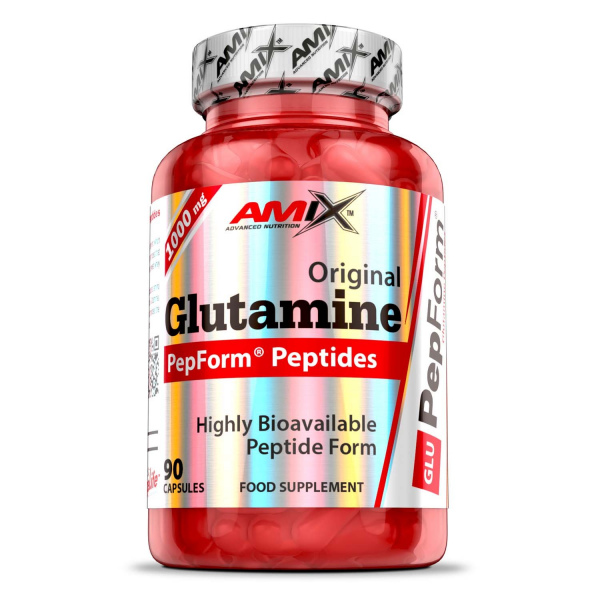
A special role belongs to glutamine – an amino acid used intensively by rapidly dividing immune cells. During physical stress or illness, the need for glutamine rises, which is why this amino acid is considered conditionally essential. Read more in the article L-Glutamine: 7 Benefits for the Gut, Immunity and Muscle Recovery.
Arginine is another amino acid linked to immune function – it takes part in the production of nitric oxide, which helps regulate blood flow and immune cell signaling. A balanced supply of various amino acids is therefore important not only for muscles but also for the body’s overall resistance to infections and faster healing.
Amino Acids Help Preserve Muscle Mass While Losing Weight
When losing weight, the body can break down not only fat but also muscle if the diet lacks protein. An adequate supply of amino acids helps preserve muscle mass during a calorie deficit, so that weight is lost mostly at the expense of fat rather than muscle.
In addition, protein and amino acids provide a feeling of fullness, which reduces the urge to snack between meals. This is one of the reasons why protein-rich diets often succeed in achieving long-term weight control.
Amino Acids Support Energy and Reduce Fatigue
During long training sessions, the muscles use branched-chain amino acids as an energy source, so their reserves can become depleted. When the level of BCAAs in the blood drops, more tryptophan reaches the brain, which is linked to the onset of central fatigue – the feeling that you can no longer continue the effort.
Taking amino acids before or during a longer workout can help maintain energy levels and delay fatigue. This is especially relevant for endurance athletes and for those who train for more than an hour.
Besides branched-chain amino acids, carnitine is also important for energy metabolism – a compound produced from lysine and methionine that helps transport fatty acids into the mitochondria of cells. This is another example of how amino acids take part in energy production and contribute to better well-being and performance.
Amino Acids Contribute to Better Sleep and Mood
Some amino acids are precursors of neurotransmitters – the signaling molecules of the nervous system. Tryptophan is converted into serotonin, and serotonin into melatonin, which regulates the sleep cycle. Tyrosine, in turn, is a precursor of dopamine and noradrenaline, linked to motivation and concentration.
This means that a balanced supply of amino acids in the diet can contribute to a better mood and higher-quality sleep. Read more about the role of tryptophan in the article Tryptophan: 7 Benefits for Mood, Sleep and the Nervous System.
Amino Acids Support Healthy Skin, Hair and Nails
Collagen – the protein responsible for skin elasticity – is made mostly of glycine, proline and hydroxyproline. Keratin, from which hair and nails are made, is in turn rich in cysteine – a sulfur-containing amino acid. An adequate supply of amino acids helps the body continually renew these tissues.
Lysine is another amino acid important for collagen formation, and a deficiency of it can show up as slower tissue healing. This is why the health of the skin, hair and nails is closely linked to getting enough protein and amino acids in your daily diet.
With age, natural collagen production slows down, so the skin may need more building materials. An adequate intake of protein and amino acids helps maintain collagen synthesis, which can be reflected in skin elasticity, hair strength and nail condition.
How to Take Amino Acids: Dose, Timing and Duration
Amino acid supplements are usually taken in powder or tablet form, and the recommended dose depends on the product and the goal. BCAAs are typically taken at 5 to 10 grams before or during training, while amino acid complexes are taken according to the manufacturer’s instructions, usually once or twice a day.
The best time depends on the goal: before training, amino acids can help maintain energy, while after training they help speed up recovery. If you want to maintain overall protein balance, it is worth taking them between meals or with meals that contain less protein.
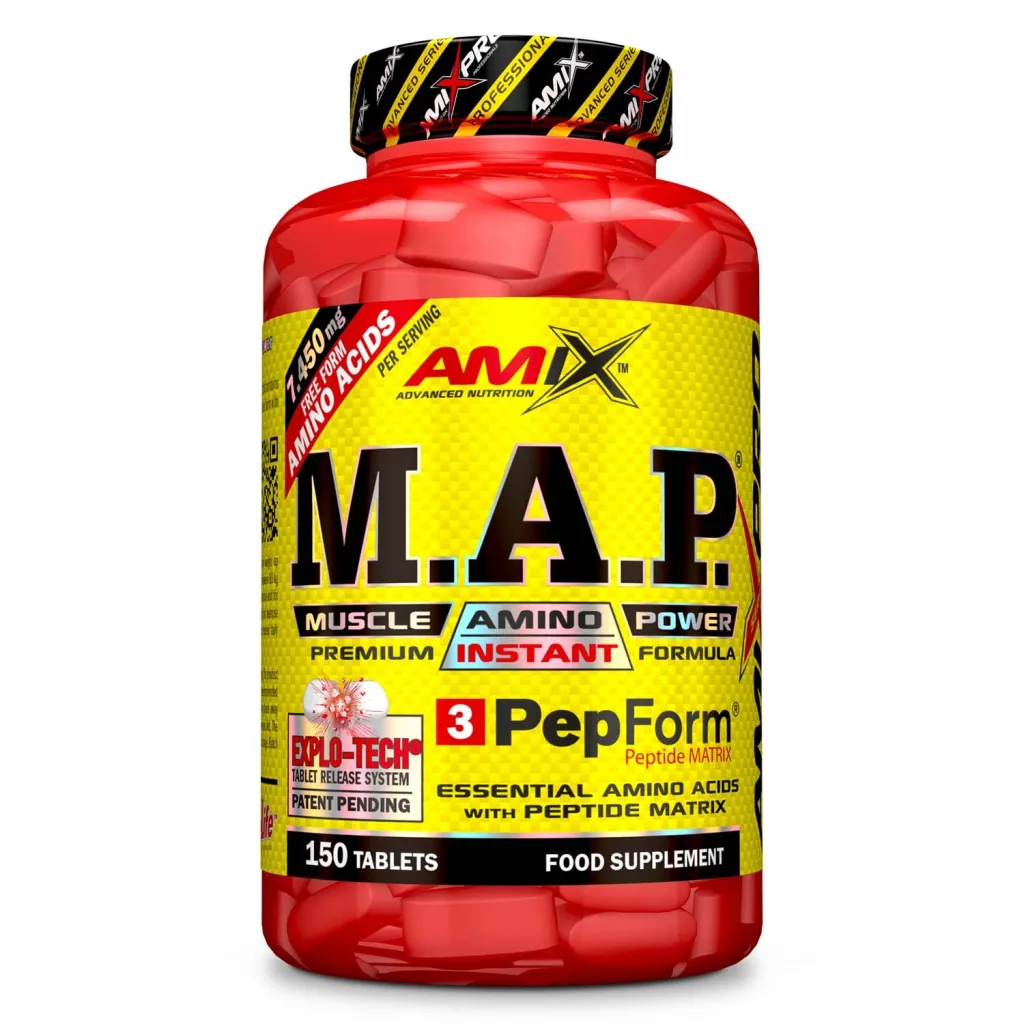
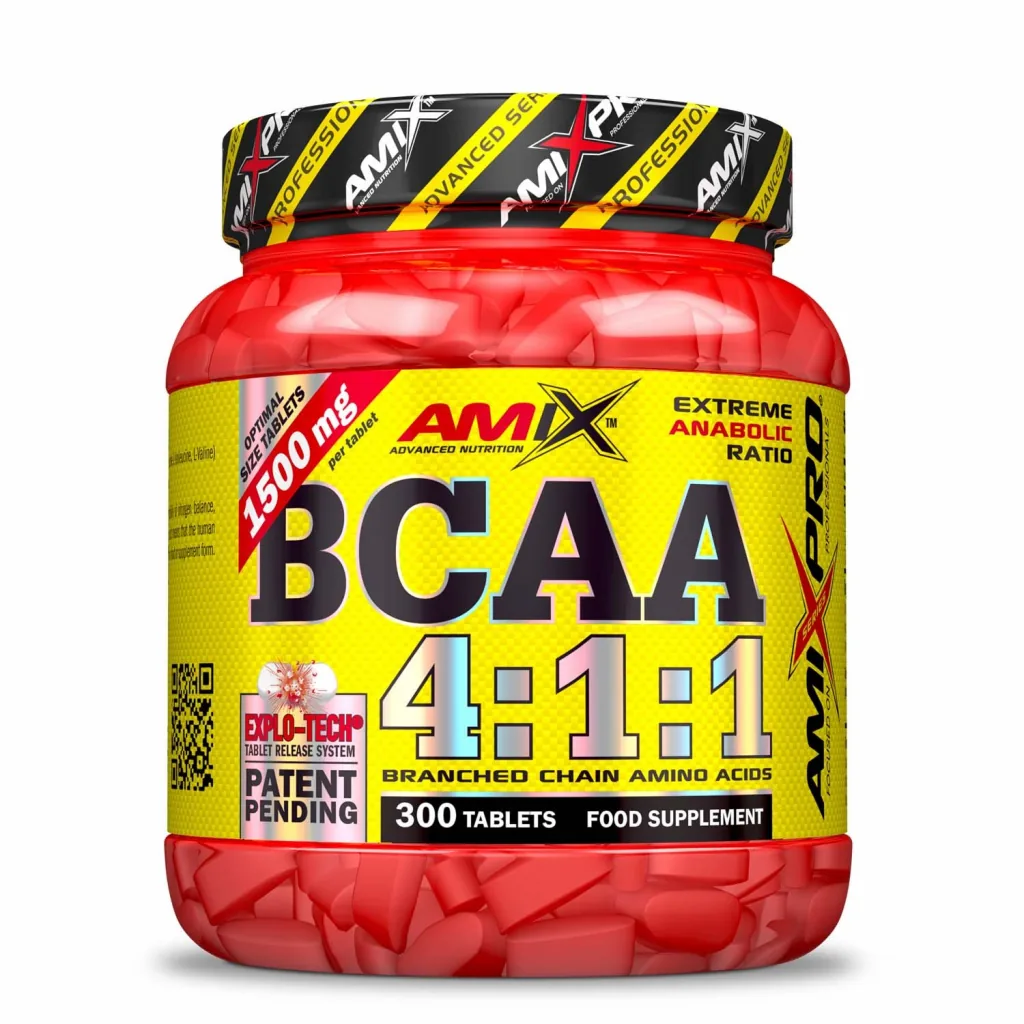
Amino acid supplements can be taken over a long period, but they should complement rather than replace a varied diet. For example, AmixPro M.A.P. Muscle Amino Power offers a full spectrum of essential amino acids, while AmixPro BCAA 4:1:1 offers branched-chain amino acids dominated by leucine.
When taking amino acid powders, it is worth dissolving them in enough water and drinking them gradually. Drinking plenty of water helps the body absorb amino acids better and supports normal kidney function, especially if your protein intake is higher than usual.
Amino Acid Side Effects and Safety
At recommended doses, amino acid supplements are generally safe and well tolerated. For some people, higher doses can cause mild digestive discomfort, nausea or bloating, so it is worth starting with a lower dose and increasing it gradually.
A review by the National Institutes of Health (NIH) on sports supplements notes that branched-chain amino acids are considered safe at usual doses, but people with certain medical conditions or those taking medications should consult a doctor before use (source). Particular caution is advised for people with kidney or liver disease.
It is practically impossible to overdose on amino acids from food, because protein is digested gradually and the body absorbs as much as it needs. Supplements in concentrated form provide higher doses, so they should be used responsibly and not exceed the manufacturer’s recommended amount.
Amino Acids in the Diet: Best Food Sources
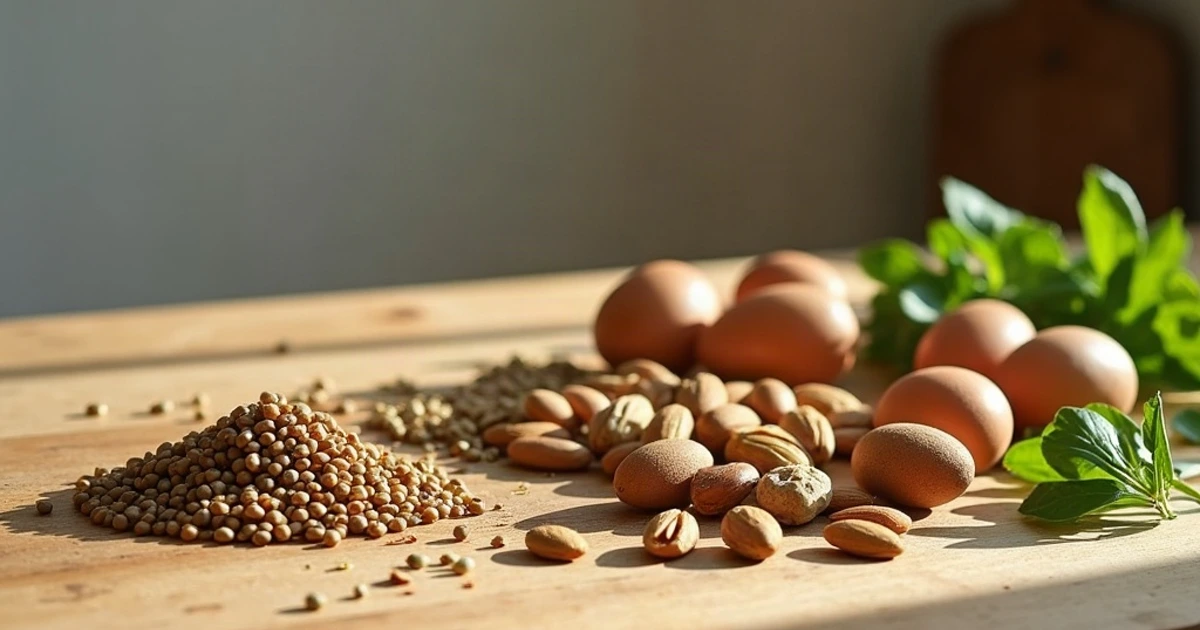
The best sources of amino acids are complete proteins, which contain all nine essential amino acids in adequate amounts. These include eggs, meat, poultry, fish, dairy products and soy. Egg white is often considered the standard by which protein quality is measured.
Plant sources – legumes, grains, nuts and seeds – also contain amino acids, but they usually lack one of the essential amino acids. By combining different plant foods, for example legumes with grains, you can get a complete amino acid profile even without using animal products.
For example, rice with lentils or whole-grain bread with peanut butter can form a complete combination of amino acids. Vegetarians and vegans benefit from combining different plant sources throughout the day – it is not necessary to consume them in a single meal, the important thing is to have enough variety over the day.
If your diet is varied and rich in protein, you may not need supplements at all. Amino acid supplements are most useful for athletes with higher needs or for those who find it hard to get enough protein from food.
Frequently Asked Questions About Amino Acids
What is the difference between essential and non-essential amino acids? The body cannot produce essential amino acids, so they must be obtained from food; the body synthesizes non-essential ones itself from other compounds.
Do amino acid supplements help build muscle? Yes, combined with strength training, amino acids supply the muscles with building materials and can improve muscle growth.
When is the best time to take amino acids? Before training to maintain energy or after training to speed up recovery; BCAAs can also be taken during training.
Do amino acids have side effects? At usual doses, amino acids are safe; higher doses can cause mild digestive discomfort in some people.
Can you get all amino acids from food? Yes, complete proteins – eggs, meat, fish, dairy products and soy – contain all the essential amino acids.
Are amino acids suitable for people who do not exercise? Yes, amino acids are important for everyone, because they take part in many bodily functions, not only muscle growth.
Disclaimer: This information is for educational purposes only. Before starting to take supplements, consult your doctor or pharmacist.
Related Articles
- Protein: 7 Benefits for Muscles, Recovery and Health
- BCAA: Benefits for Muscles and Recovery
- Creatine: 7 Benefits for Muscles and Brain