
Turinys
Contents
8 Hidden Reasons and Scientific Explanation Why Weight Isn’t Dropping
You’re following a diet, exercising, counting calories — yet the scale won’t budge? You’re not alone. This is one of the most common problems people face when starting their weight loss journey.
The reality is this: weight loss isn’t just “eat less and move more.” It’s a complex process involving hormones, metabolism, water balance, nutrition quality, and even daily decisions.
Below we present 8 scientifically grounded reasons why weight may not be dropping even when it seems like you’re doing everything right.
1. Calorie Counting Is Often Inaccurate
Problem
Many people count calories using apps (e.g., MyFitnessPal, Cronometer), but in reality these calculations can be off by as much as ±20–30%.
Examples:
- Oatmeal portion: listed as 150 kcal, but realistically could be 120–180 kcal
- Smoked fish: the calorie difference can reach ±50 kcal
- Frozen meat products: labels often don’t match the actual composition
Consequence
If you think you’re consuming 1500 kcal but are actually consuming 1800 kcal — there’s no calorie deficit, so weight doesn’t change.
Solution
- Use kitchen scales, not the “eyeball” method
- Understand that calorie counting is never perfectly accurate
- If weight doesn’t change after 2–3 weeks — reduce by another 100–200 kcal
2. Slowed Metabolism (Adaptive Thermogenesis)
Problem
When following a very low-calorie diet for a long time, the body adapts and reduces energy expenditure by 10–25%. This is called adaptive thermogenesis.
Why this happens:
- Leptin (satiety hormone) levels decrease
- Thyroid function slows down
- The body starts “conserving energy”
Consequence
Even while reducing calories, the deficit becomes too small or disappears entirely.
Solution
- Apply very low-calorie diets only in short cycles (2–6 weeks)
- Include refeed days (temporarily increased calorie intake)
- Vary calorie intake (e.g., 1500 → 1800 → 1500 kcal)
- Move more, not just eat less
3. Water Retention and the “Invisible Weight”
Problem
Even with a calorie deficit, weight on the scale may not change for 1–2 weeks due to water retention in the body.
Most common causes:
- Excessive salt intake
- Hormonal fluctuations (especially in women)
- Menstrual cycle
- Muscle inflammation after workouts (DOMS)
Consequence
Fat is decreasing, but water compensates for the weight drop.
Solution
- Don’t weigh yourself daily
- Monitor body measurements (waist, hips, thighs)
- Temporarily reduce salt to ~1–1.5 g per day
- Allow sufficient rest — excess water usually clears within a few days
4. Muscle Mass Increase While Losing Fat
Problem
When starting to exercise (especially beginners), body recomposition can occur:
- Fat decreases
- Muscle grows
- Weight stays the same or even increases
Muscle is denser than fat, so it takes up less space.
Consequence
You look leaner, feel better, but the scale “doesn’t show it.”
Solution
- Evaluate not just weight but also measurements
- Take progress photos
- Pay attention to how clothes fit
5. “Invisible” Calories
Problem
A lot of calories are consumed without even noticing:
- Oil (1 tablespoon ≈ 120 kcal)
- Drinks (coffee with milk, soups, juices)
- “Just a taste”
- Eyeballing portions
Research shows that people fail to account for 200–400 kcal per day.
Consequence
Without a ~500 kcal daily deficit, weight simply doesn’t drop.
Solution
- Weigh everything, including oil and sauces
- Keep a food diary
- Read ingredient lists and recipes
6. Micronutrient Deficiency
Problem
When reducing calories, deficiencies often occur in:
- B vitamins (metabolism)
- Magnesium (energy, sleep, muscles)
- Vitamin D (hormone balance)
- Zinc (immunity, hormones)
Consequence
- Slower metabolism
- Fatigue
- Poorer sleep
- Increased appetite
Solution
- Quality multivitamin
- Magnesium (especially if you train)
- Vitamin D3 (especially in winter)
- B vitamin complex
7. Hormonal Disorders
Problem
In some cases, weight loss is stalled by hormones:
- Thyroid (hypothyroidism)
- Cortisol (chronic stress)
- Insulin resistance
Consequence
Even while following a diet and exercising, weight doesn’t move.
Solution
- Consult a doctor
- Blood tests (TSH, T3, T4, insulin, cortisol)
- Don’t self-treat based on “gut feeling” alone
8. Meal Replacement Shakes: When Do They Help?
Meal replacement (diet) shakes can be a very effective tool if used strategically.
How They Help:
- precisely known calorie content;
- high protein content → greater satiety;
- easier diet adherence;
- often fortified with vitamins and minerals.
This is especially useful for people who:
- don’t have time to cook,
- often overeat in the evening,
- have difficulty controlling portions.
When They Hinder:
- if all meals are replaced;
- if the shake has a lot of sugar and little protein;
- if it becomes an excuse for an unbalanced diet.
Optimal usage:
1–2 shakes per day — for breakfast, lunch at work, after a workout, or as a planned snack.
What to Do Practically?
Weeks 1–2: Diagnosis
- Weigh your food
- Take body photos
- Get blood work done (TSH, D, B12, magnesium)
Weeks 3–4: Foundation
- Calculate TDEE
- Set a ~500 kcal deficit
- Train 3 times per week
- if needed, use supplements or meal replacement shakes.
Later: Monitoring
- Weigh yourself 1–2 times per week
- If weight doesn’t move — adjust by 100–200 kcal
- If it’s too hard — the deficit is too large
Key Conclusions
- Calorie counting is often inaccurate
- Metabolism adapts
- Water retention is real
- Muscle can mask progress
- “Small” calories — a big problem
- Micronutrients matter
- Sometimes a doctor’s help is necessary
The Reality Is This:
Weight loss isn’t just “eat less and move more.” It’s a complex process involving hormones, metabolism, water balance, and lifestyle.
If you’re following the rules but weight isn’t moving — it’s very likely that one of these reasons applies specifically to you.
Recommended Products
-
XXL Nutrition Diet Shake Meal Replacement
Price range: 0,99 € through 31,99 € incl. VAT -
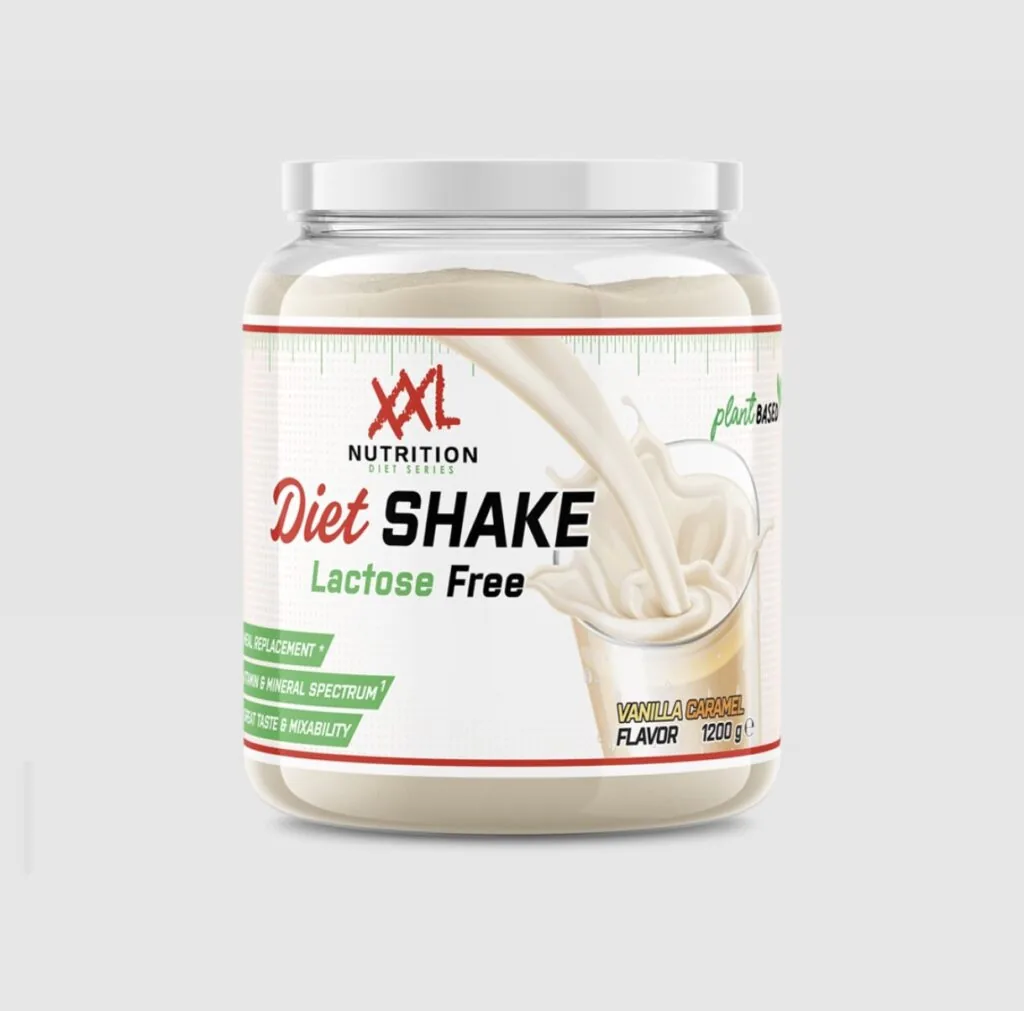
XXL Nutrition Diet Shake Meal Replacement (Lactose-Free)
Price range: 18,99 € through 29,99 € incl. VAT -

VitalHarmony B-Complex – B Vitamin Complex
6,32 € incl. VAT -
VitalHarmony Magnesium Bisglycinate
Add to cartOriginal price was: 11,38 €.5,99 €Current price is: 5,99 €. incl. VAT -
VitalHarmony Zinc Bisglycinate
Add to cartOriginal price was: 8,43 €.6,99 €Current price is: 6,99 €. incl. VAT -
VitalHarmony Magnesium Citrate 800mg
Original price was: 7,60 €.4,99 €Current price is: 4,99 €. incl. VAT -
VitalHarmony Vitamin D3 4000 IU
Original price was: 6,32 €.4,49 €Current price is: 4,49 €. incl. VAT