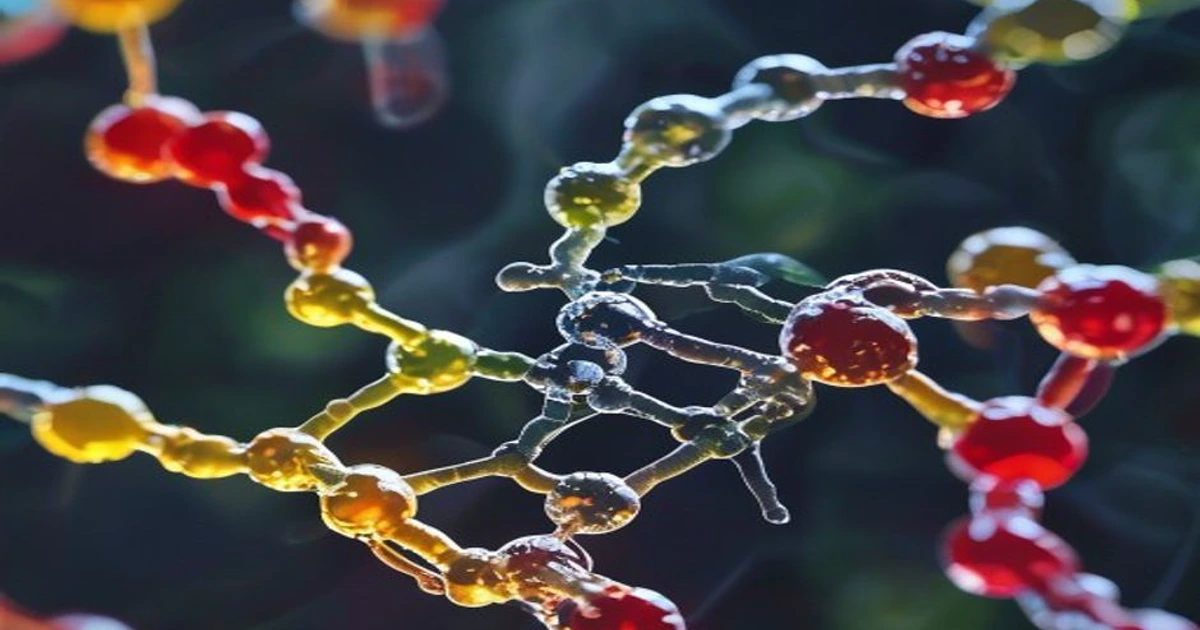
Taurine is one of the most important amino acids in the body. Our body produces it naturally, but during exercise, stress, or aging, the need for this amino acid can increase. Taurine is found in almost all tissues, with its highest concentrations in the heart, brain, retina, and skeletal muscles. Nevertheless, many people do not get enough taurine from their diet, which is why taurine supplements are becoming increasingly popular among athletes, active lifestyle enthusiasts, and people concerned about heart health.
Key Takeaways
- Taurine — a sulfur-containing amino acid that accounts for up to 0.1% of body weight and is essential for maintaining heart, nervous system, and muscle function.
- Athletic performance — taurine supplements can improve endurance by up to 15%, reduce markers of muscle damage after exercise, and speed up recovery.
- Heart health — regular taurine intake is associated with lower blood pressure, better heart function, and a reduced risk of heart failure.
Table of Contents
What Is Taurine?
Taurine is a conditionally essential amino acid, meaning the body can produce taurine on its own from methionine and cysteine, but under certain conditions — such as intense exercise, illness, or aging — its production may be insufficient. Unlike most amino acids, taurine is not used for protein synthesis — instead, this amino acid acts as a protective cellular component that regulates calcium levels, osmotic pressure, and antioxidant defense.
Natural sources of taurine include meat, fish, and dairy products. For example, 100 g of beef contains about 40 mg of taurine, while 100 g of cod contains up to 120 mg. However, vegans and vegetarians often have lower levels of this amino acid in their bodies, because taurine is not found in plants. This is precisely why taurine supplements are recommended for those who do not consume enough animal-derived products. The body itself synthesizes this sulfur-containing amino acid every day, but during heavy physical exertion, this amount may not be enough to maintain optimal well-being.
7 Health Benefits of Taurine
1. Heart and Cardiovascular Health
Taurine is one of the most important protective components of the heart muscle. This amino acid helps regulate calcium levels in heart cells, which directly affects the strength and rhythm of heart contractions. Studies show that higher taurine levels in the body are associated with lower blood pressure and a reduced risk of heart failure. A 2016 study published in the journal Hypertension found that taurine supplements can significantly lower both systolic and diastolic blood pressure.
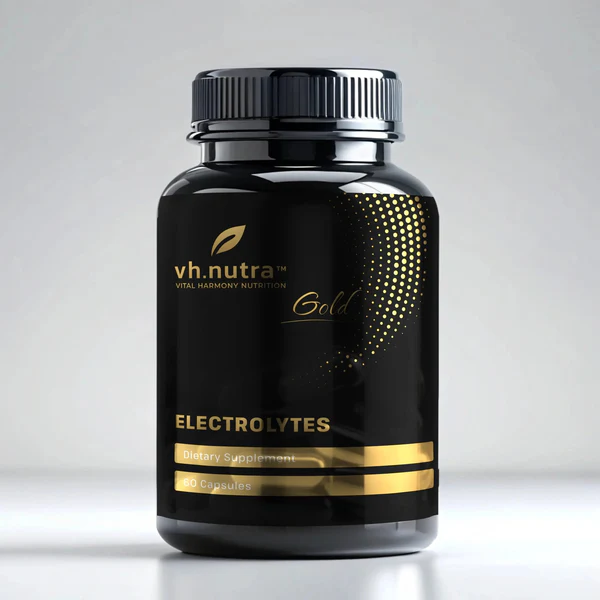
In addition, this sulfur-containing amino acid protects the heart from oxidative stress and inflammation — two major factors in the development of heart disease. Taurine also improves cardiac energy metabolism by helping mitochondria produce energy more efficiently for the heart muscle. Regular intake of this amino acid can be especially beneficial for people at increased risk of heart disease. VH.Nutra Electrolytes — electrolytes for fluid balance complements taurine’s benefits, because a balanced electrolyte level is essential for proper heart function.
2. Athletic Performance and Endurance
Taurine’s effect on athletic performance is one of the most studied areas of this amino acid. Taurine improves muscle contraction strength, increases endurance, and reduces the feeling of fatigue during physical exertion. One study showed that cyclists who took taurine before a race improved their results by an average of up to 15% compared with the placebo group. This effect is achieved thanks to taurine’s ability to increase calcium sensitivity in muscle fibers.
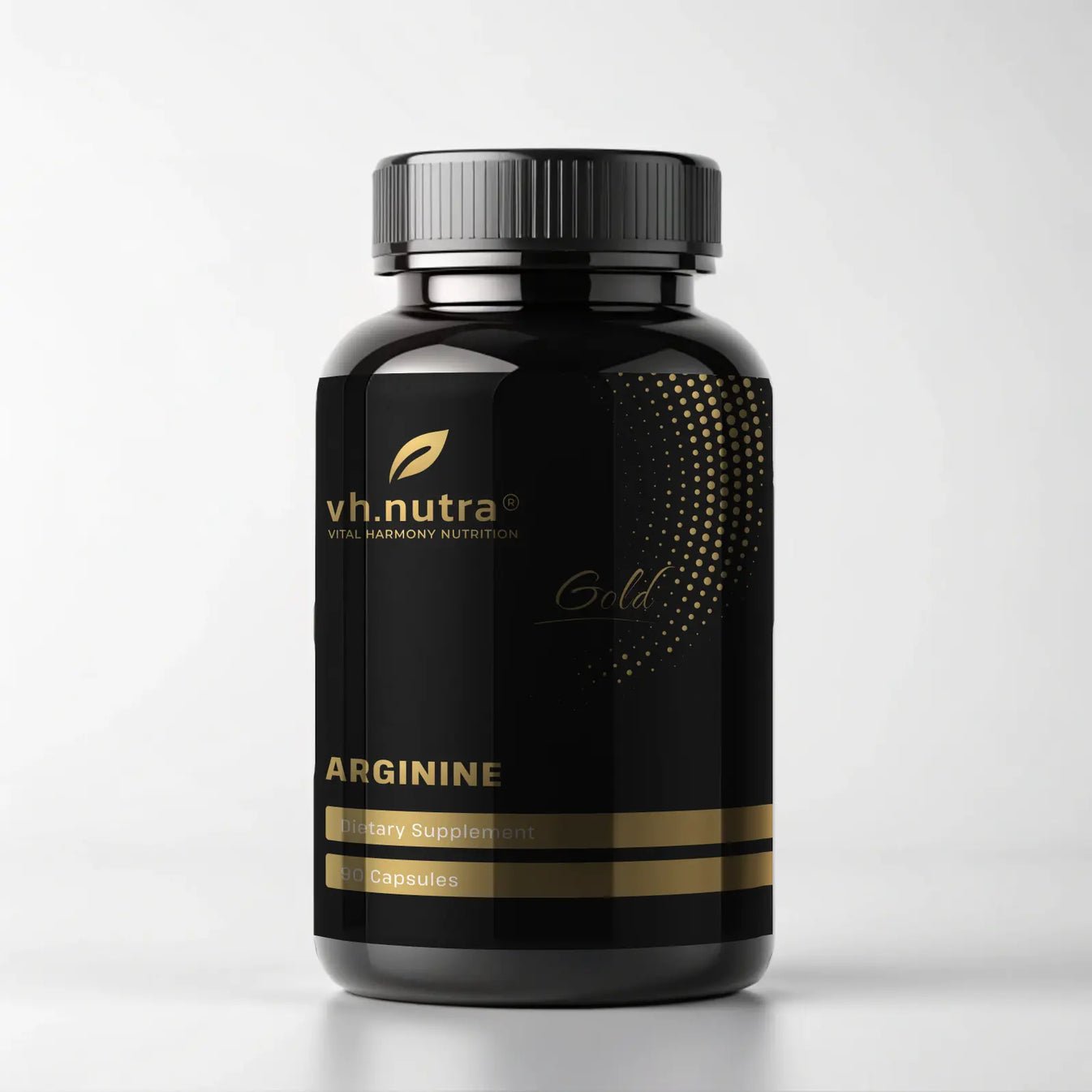
Moreover, this amino acid acts as an osmoregulator in muscle cells — meaning taurine helps maintain proper water and electrolyte balance in muscles during physical exertion. This is especially important in endurance sports, where dehydration can significantly reduce performance. Taurine also promotes the use of fat rather than carbohydrates as an energy source during prolonged exertion, helping preserve glycogen stores and extend endurance time. VH.Nutra L-Arginine is a great complement to taurine’s benefits for sports, because arginine improves blood flow and nitric oxide production in muscles.
3. Muscle Recovery After Exercise
After an intense workout, microscopic damage occurs in the muscles, accompanied by inflammation and soreness. Taurine significantly speeds up muscle recovery after physical exertion — studies show that this amino acid can reduce creatine kinase (a marker of muscle damage) levels in the blood by up to 30% after an intense workout. This means less muscle soreness and faster readiness for the next training session.
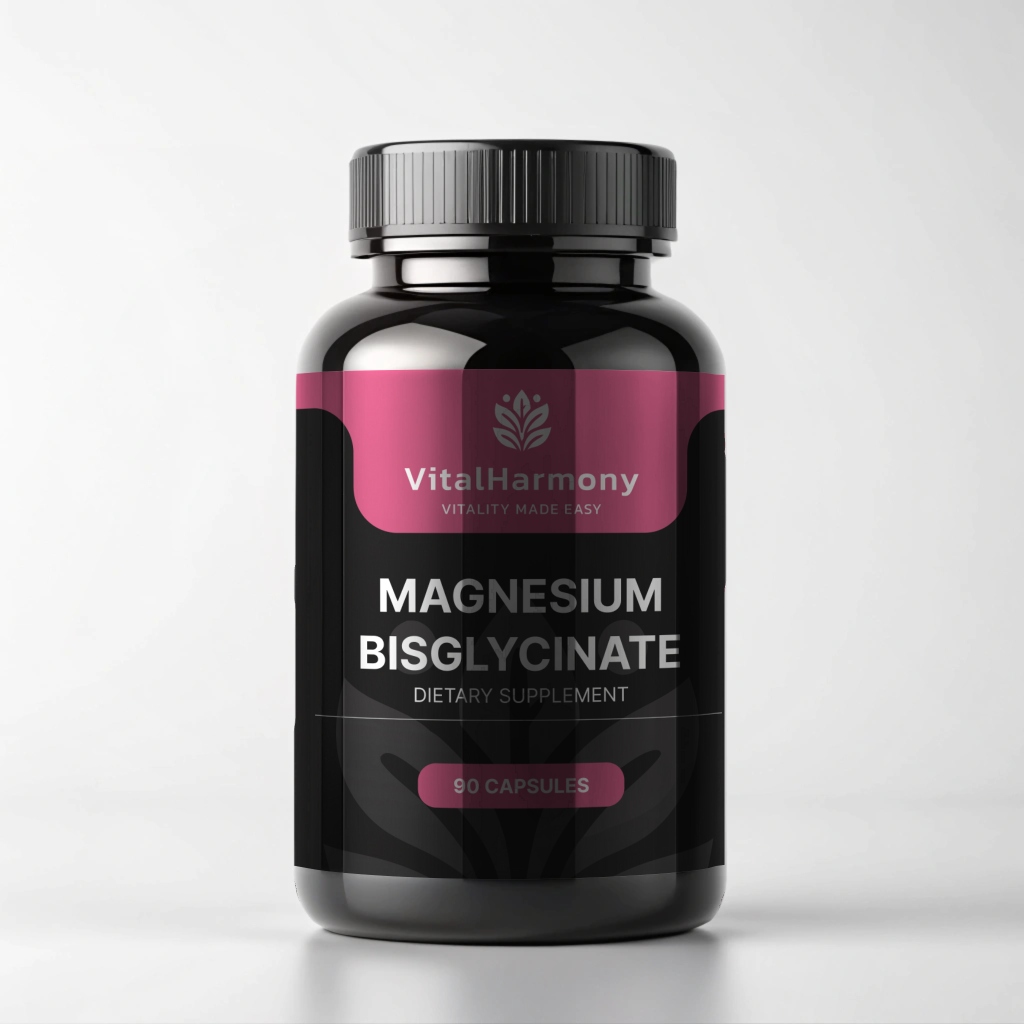
Taurine also reduces oxidative stress in muscles, which arises from increased oxygen metabolism during physical exertion. This sulfur-containing amino acid neutralizes free radicals and protects muscle cell membranes from damage. Furthermore, taurine promotes muscle protein synthesis and reduces markers of muscle breakdown — this is especially beneficial for both strength athletes and endurance athletes. For those who exercise, it is recommended to choose Magnesium Bisglycinate supplements alongside taurine, because magnesium relaxes muscles and helps prevent cramping after workouts.
4. Nervous System Support and Stress Reduction
Taurine acts as an inhibitory neurotransmitter in the central nervous system — meaning this amino acid helps calm an overactive nervous system and reduce anxiety. Taurine binds to GABA receptors in the brain, producing a calming effect similar to the amino acid GABA, but without sedation. This is why taurine is increasingly recommended for people suffering from chronic stress or anxiety disorders.
This sulfur-containing amino acid also protects neurons from the toxic effects of glutamate — excess glutamate can cause neuronal death, while taurine acts as a neuroprotector that supports healthy nerve cell function. Studies also point to taurine’s potential in improving sleep quality — this amino acid helps shorten the time it takes to fall asleep and improves the deep sleep phase, although more clinical research is still needed in this area.
5. Blood Sugar Regulation
Taurine plays an important role in regulating blood sugar levels and insulin sensitivity. Studies show that this amino acid can improve insulin sensitivity — meaning cells absorb glucose from the blood more efficiently, which helps prevent blood sugar spikes after meals. One study found that taurine supplements can reduce fasting glucose levels by an average of 8%, especially in people with elevated blood sugar.
Additionally, taurine protects pancreatic beta cells, which are responsible for insulin production, from oxidative stress and inflammation. This is particularly important in the long term, because beta cell damage is one of the main mechanisms in the development of type 2 diabetes. This sulfur-containing amino acid also improves the lipid profile by reducing triglyceride levels in the blood — an additional metabolic benefit provided by regular taurine intake.
6. Eye Health and Vision Protection
Taurine is one of the main amino acids found in the retina — its concentration there is higher than in almost any other body tissue. This amino acid protects retinal photoreceptors from light-induced damage and oxidative stress. Taurine deficiency is associated with retinal degeneration, cataracts, and other vision problems.
Animal studies have shown that taurine supplements can slow down or even partially reverse retinal damage caused by prolonged light exposure or diabetic retinopathy. This protective effect is especially important for people who spend a lot of time in front of screens, because blue light can cause oxidative stress in the retina. That is why taurine is increasingly included in supplement complexes designed for eye health.
7. Cellular Hydration and Electrolyte Balance
Taurine acts as an osmoregulator — meaning this amino acid helps control the movement of water and minerals across cell membranes. During exercise and sweating, the body loses not only water but also important electrolytes — sodium, potassium, and magnesium. Taurine helps cells maintain proper hydration levels even during intense physical exertion, which directly affects muscle function and performance.
This sulfur-containing amino acid also protects cells from swelling or shrinking when osmotic pressure changes — this is especially important for brain cells, which are highly sensitive to volume changes. Furthermore, taurine improves the uptake of magnesium and potassium into cells, strengthening the benefits of these minerals for nerve and muscle function. Proper cellular hydration, supported by taurine, is essential for optimal metabolism and energy production in cells.
How to Take Taurine?
The recommended daily dose of taurine depends on your goal, but most studies show positive effects with 500–3000 mg per day. For athletes, 1000–2000 mg taken 30–60 minutes before a workout is often recommended to achieve maximum performance improvement. You can also take 1000 mg twice a day — for example, in the morning and before a workout.
When is the best time to take taurine? This amino acid can be taken in the morning or in the evening — unlike caffeine, taurine does not cause stimulation and does not interfere with sleep. On the contrary, taurine taken in the evening can help you relax and improve sleep quality. Taurine is recommended to be taken with water or juice, with or without food — food has no significant effect on the absorption of this amino acid.
Duration of use — taurine can be taken long-term, without breaks. Most studies lasted from 2 weeks to 6 months, and no significant side effects were observed. According to the European Food Safety Authority (EFSA), the maximum safe taurine dose is up to 6000 mg per day, although 1000–2000 mg is enough for most people. Before starting any supplements, it is recommended to consult a doctor, especially if you take medication to regulate blood pressure.
Possible Side Effects
Taurine is considered one of the safest amino acids — side effects are very rare and usually only occur when recommended doses are significantly exceeded (more than 6000 mg per day). Some people may experience mild digestive discomfort, nausea, or headaches, but these symptoms usually subside when the dose is reduced.
This amino acid is safe for long-term use and does not cause dependence. Taurine also has no interactions with most medications, but caution should be exercised when taking it together with blood pressure-lowering medications, because taurine can further reduce blood pressure. Pregnant and breastfeeding women are advised to consult a doctor before starting taurine supplements, although the amounts of taurine found in food are completely safe.
Taurine and Caffeine — What You Need to Know?
In energy drinks, taurine is often combined with caffeine, and for good reason. Caffeine is a stimulant that increases alertness, but it can also cause jitteriness, a faster heart rate, and anxiety. Taurine acts as a “balancing” amino acid — it softens caffeine’s negative effects on the nervous system while preserving the positive stimulant effect. This combination allows for better athletic performance without excessive nervous arousal.
However, it is worth noting that it is better to choose taurine separately from energy drinks — the latter often contain a lot of sugar and artificial additives that can cancel out part of the positive health effects of this amino acid. It is best to take taurine in its pure form — powder or capsules — and, if you wish, combine it with coffee or tea before a workout. National Institutes of Health (NIH) describes in detail the effects of taurine and other supplements on athletic performance.
Frequently Asked Questions (FAQ)
Is taurine suitable for vegans?
Yes, most taurine supplements are produced synthetically, so they are suitable for vegans. Since taurine is not found in plants, vegans and vegetarians are especially encouraged to consider supplementing this amino acid, because their taurine levels are often lower than in people who eat meat.
Does taurine help with sleep?
Yes, taurine can help improve sleep quality. This amino acid acts as a GABA agonist in the brain, producing a calming effect without sedation. Taurine can shorten the time it takes to fall asleep and improve the deep sleep phase. The recommended dose for sleep is 1000–2000 mg one hour before bedtime.
When is it better to take taurine — before or after a workout?
It is optimal to take taurine 30–60 minutes before a workout to achieve maximum improvement in performance and endurance. However, this amino acid is also beneficial after a workout, because it speeds up muscle recovery and reduces muscle soreness. Some athletes take taurine both before and after training — for example, 1000 mg before and 1000 mg after exertion.
Can taurine help with weight loss?
Taurine can indirectly contribute to weight loss, because it improves insulin sensitivity, promotes the use of fat as an energy source, and increases physical capacity during training. However, taurine is not a “fat-burning” supplement in the literal sense — this amino acid acts as a metabolic optimizer that helps the body use energy more efficiently.
Disclaimer: This information is intended for educational purposes only and cannot replace professional medical advice. Before starting any dietary supplements, it is essential to consult a doctor or pharmacist.
Related Articles
- Electrolytes: 6 Benefits for Sports, Energy, and Hydration
- Magnesium: 7 Benefits for Sleep, Muscles, and Health
- Creatine: 7 Benefits for Muscles, Brain, and Athletic Results