Table of Contents
In short:
- Electrolytes — magnesium, potassium, sodium, calcium — are minerals essential for nerve signaling, muscle function, and the body’s fluid balance.
- During exercise, electrolytes are lost through sweat — their deficiency causes cramps, fatigue, and reduces endurance by up to 30%.
- Signs of dehydration: muscle cramps, headache, fatigue, irregular heartbeat — all of these signal an electrolyte deficiency.
- Magnesium and potassium are the most important electrolytes for muscle function — magnesium relaxes muscles, potassium maintains normal contraction.
- In summer, the need for electrolytes increases 2–3 times — supplements become essential for active people and those working in the heat.
Electrolytes — minerals without which your body simply cannot function. They regulate every muscle contraction, every nerve impulse, and every heartbeat. When you exercise, sweat, or simply spend a hot summer day outdoors — your electrolyte stores deplete faster than most people imagine. And that’s when cramps, fatigue, and headaches appear — signs that should not be ignored.
In this article, you’ll learn what benefits electrolytes provide during exercise, how to recognize a deficiency, and which supplements to choose to stay hydrated and energized all day long.
Key Takeaways
- Electrolytes are vital minerals — without them, the nervous system, muscles, and heart cannot function properly.
- During intense exercise, up to 2 liters of sweat can be lost per hour, along with 500–2000 mg of sodium and significant amounts of potassium and magnesium.
- The best electrolyte supplements contain a balanced combination of magnesium, potassium, sodium, and calcium — a single mineral is not enough.
What are electrolytes?
Electrolytes are minerals that acquire an electrical charge when dissolved in body fluids. This charge allows them to transmit electrical signals between cells — this is exactly how the nervous system works, muscles contract, and the heart beats.
The five main electrolytes that the body needs to constantly replenish are: magnesium (responsible for muscle relaxation and nervous system calm), potassium (maintains normal heart rhythm and muscle contraction), sodium (regulates fluid balance and blood pressure), calcium (essential for bones, but also for transmitting nerve signals), and chloride (helps maintain proper pH balance).
Every time you sweat, your body loses these minerals. The more you sweat — the more electrolytes you lose. And when electrolyte levels drop too low, the body starts sending signals: cramps, fatigue, headaches — these are not coincidences, but your body’s way of telling you that your stores need replenishing.
The Benefits of Electrolytes for Athletes
During exercise, electrolytes perform three critical functions: they help prevent cramps, support endurance, and speed up recovery after exertion. Here’s how it works in practice.
First — muscle cramp prevention. When magnesium and potassium levels drop, muscles begin to contract involuntarily. Electrolytes help muscles contract and relax properly. Athletes who take electrolyte supplements experience up to 40% fewer cramping episodes during long training sessions.
Second — endurance support. Dehydration of just 2% can reduce physical performance by up to 20%. Electrolytes help maintain fluid balance in cells, keeping muscles functional for longer. Studies show that athletes who supplement with electrolytes during training can sustain high intensity for 25–30% longer.
Third — faster recovery. After an intense workout, muscles need not only protein but also minerals. Electrolytes help restore cellular hydration and reduce post-exercise muscle soreness. Combining electrolyte supplements with adequate water intake can shorten recovery time by up to 30%.
Signs of Dehydration — When Are You Lacking Electrolytes?
Electrolyte deficiency and dehydration often go hand in hand. The problem is that most people don’t recognize the early signs until the situation becomes serious. Here are the signals worth paying attention to.
Muscle cramps — most commonly in the calves or feet, especially at night. This is a classic sign of magnesium and potassium deficiency. If cramps occur regularly, electrolyte supplements may be the solution.
Persistent fatigue and weakness. When your body lacks electrolytes, nerve signals are transmitted more slowly — leaving you feeling exhausted even after a full night’s sleep. This fatigue differs from the usual kind — it’s deeper, accompanied by a feeling of muscle weakness.
Headaches and dizziness — occur when fluid levels in brain cells shift due to electrolyte imbalance. This is especially common after long workouts or on hot days when you sweat heavily.
Irregular heartbeat — the most serious sign. Potassium and magnesium directly affect the electrical activity of the heart muscle. If you feel your heart beating too fast, irregularly, or “skipping beats,” it could be a result of electrolyte deficiency. In such cases, you should consult a doctor.
Key Electrolytes: Magnesium, Potassium, Sodium
All electrolytes are important, but three deserve special attention — they are the most commonly deficient, and their effects are felt most strongly.
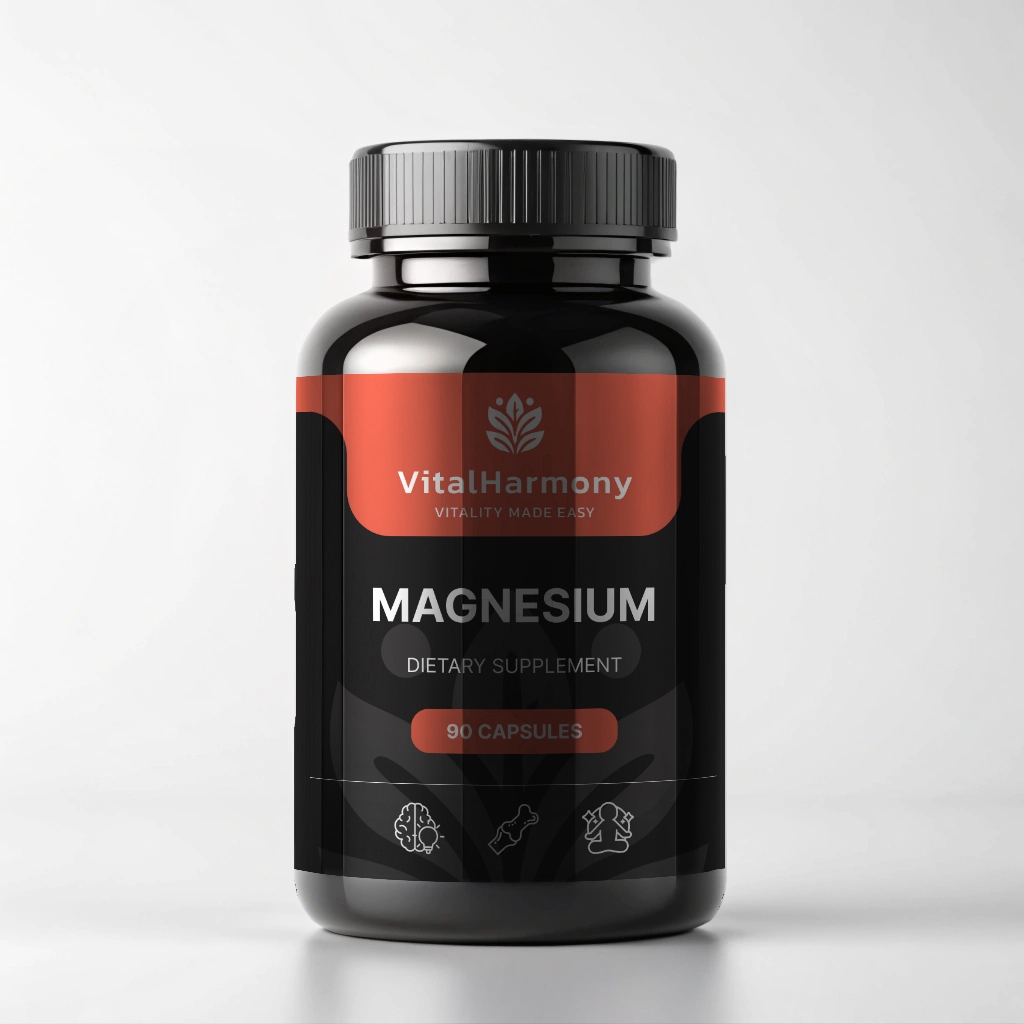
Magnesium — participates in more than 300 biochemical reactions in the body. This electrolyte is responsible for muscle relaxation, a calm nervous system, and energy production. Magnesium deficiency is especially common among athletes and people under high stress. The best-absorbed form is magnesium bisglycinate, which is gentle on the stomach and has high bioavailability.
Potassium — the primary electrolyte inside cells. Together with sodium, it maintains the cell membrane potential — without this balance, nerves cannot transmit signals and muscles cannot contract. Potassium deficiency manifests as weakness, muscle aches, and even heart rhythm disturbances.
Sodium — often demonized, but in reality it’s vital. Sodium regulates fluid levels in the body and maintains blood pressure. During exercise, the largest amounts of sodium are lost through sweat — up to 2000 mg per hour of intense exertion. This is one reason why sports drinks contain salt.
Electrolytes in Food — Where to Find the Most?
A balanced diet can provide enough electrolytes for a person with average activity levels. Here are the best natural sources for each key electrolyte.
Magnesium sources: pumpkin seeds (one of the best — 150 mg per 30 g serving), almonds, spinach, dark chocolate (>70% cocoa), avocados. A handful of pumpkin seeds a day covers about 40% of the recommended magnesium intake.
Potassium sources: bananas (the most well-known, but not the best — one banana contains about 420 mg of potassium), sweet potatoes, avocados (almost 1000 mg per fruit), white beans, coconut water.
Sodium sources: sea salt, fermented products (pickles, kimchi), cheeses, olives. It’s important to choose natural sea salt or Himalayan salt, which contains not only sodium but also other trace minerals.
However, with intense exercise, hot weather, or illness, food alone may not be enough — in that case, electrolyte supplements are worth considering. According to NIH data, some active individuals cannot get enough magnesium from food alone.
Electrolyte Supplements: Which Ones to Choose?
The market is full of electrolyte supplements — from sports drinks to capsules. How do you pick the right one?
A balanced formula — the most important criterion. A good electrolyte supplement should contain all the key minerals: magnesium, potassium, sodium, and calcium (or at least the first three). One mineral alone isn’t enough because they work together. For example, electrolyte complexes with a balanced formula are usually more effective than single minerals.
Form and absorption. Magnesium bisglycinate and magnesium citrate have the highest bioavailability — your body absorbs them best. Magnesium oxide, although cheaper, is absorbed less effectively and may cause digestive discomfort. Potassium citrate is also a better-absorbed form than potassium chloride.
Free of unnecessary additives. Avoid electrolyte drinks with high sugar content and artificial colorings. Sugar is not necessary for electrolyte absorption (that’s a myth originating from sports drink marketing). Look for supplements without sugar, without artificial sweeteners, and without unnecessary fillers.
A practical choice is electrolyte capsules, which are convenient to take both at home and at the gym. Capsules offer precise dosing, are easy to transport, and require no mixing. For those who also care about magnesium intake, magnesium bisglycinate is an excellent choice due to its high absorption and gentleness on the stomach.
How to Take Electrolyte Supplements?
The rules for taking electrolyte supplements depend on your activity level and lifestyle. Here are recommendations for the three most common scenarios.
For active athletes: take electrolytes 30–60 minutes before a workout. If the workout lasts longer than 90 minutes or is particularly intense — take an additional dose every 45–60 minutes. After the workout — another dose along with protein and carbohydrates to speed up recovery.
For daily use (moderate activity): one electrolyte capsule or serving in the morning with a glass of water. This helps maintain stable mineral levels throughout the day, especially if you do physically demanding work or live in a hot climate.
After illness (diarrhea, vomiting): take small portions, but frequently. Start with half a dose every 2–3 hours, gradually increasing to a full dose. The most important thing — drink enough water along with electrolytes, because without fluids, minerals cannot be properly distributed in the body.
Recommended doses: magnesium — 300–400 mg per day, potassium — 2000–3500 mg (from food and supplements combined), sodium — individually, but when exercising, an additional 500–1000 mg per hour of intense exertion. Never exceed the recommended doses — too much potassium can be dangerous for the heart.
Electrolytes in Summer: Why You Need More?
Summer is a time when the need for electrolytes naturally increases. Heat increases sweating, and with sweat, you lose not only water but also minerals. Here’s what you should know.
Sweating intensity. On a hot day (above 30°C), a person can sweat 1–2 liters per hour. With each liter of sweat, you lose about 500–1500 mg of sodium, 150–300 mg of potassium, and 10–30 mg of magnesium. If you spend the whole day outdoors, electrolyte losses can be enormous.
Signals you shouldn’t ignore. If you frequently experience headaches, fatigue, or muscle weakness in summer, it’s not just “heat fatigue” — it’s most likely an electrolyte deficiency. Water alone won’t solve the problem — you also need minerals. In fact, consuming too much water without electrolytes can even be dangerous (hyponatremia — abnormally low sodium levels in the blood).
Practical summer tip: keep a bottle of electrolyte supplements in your bag. Take one serving before heading outdoors on a hot day and another one after physical activity. It’s better to replenish preventively than to wait for symptoms to appear.
Those who exercise in summer — especially runners, cyclists, and outdoor sports enthusiasts — should seriously consider electrolyte supplements as an essential part of their summer routine. Read more about supplements for well-being in our article about supplements for well-being, and for beginner athletes, we recommend the sports supplements guide.
Disclaimer: This information is for educational purposes only. Electrolyte supplements cannot replace a balanced diet and a healthy lifestyle. Before starting any supplements, especially if you have health conditions or are taking medication, consult your doctor or pharmacist.