Free radicals attack your cells every day, and the liver constantly filters toxins, so the body is always in need of strong antioxidant protection. NAC (N-acetylcysteine) is a derivative of the amino acid cysteine that the body converts into its most powerful antioxidant, glutathione. N-acetylcysteine has been used in medicine for decades, and in recent years this supplement has been growing rapidly in popularity among people looking for natural support for the liver, respiratory tract and immunity. In this article we review the 7 most important NAC benefits and explain how to take it correctly.
Key Takeaways
- NAC — a direct glutathione precursor that raises the level of the body’s main antioxidant in the cells
- Liver protection — N-acetylcysteine is even used in hospitals for paracetamol poisoning
- Respiratory tract — NAC thins mucus and makes it easier to clear from the lungs
- Immunity — regular N-acetylcysteine use helps strengthen the body’s natural defences
Contents
What Is NAC?
NAC, or N-acetylcysteine, is a derivative of the amino acid L-cysteine — a more stable and better absorbed form of cysteine. Once in the body, N-acetylcysteine is converted into cysteine, which becomes the main building block for producing glutathione. Glutathione is often called the “body’s master antioxidant” because it protects cells from free radicals, takes part in detoxification processes and supports immune function. The problem is that glutathione reserves decline with age, stress, illness and intense training, while ordinary cysteine is poorly absorbed by mouth. This is exactly why NAC supplements have become such a popular way to replenish glutathione reserves and strengthen antioxidant protection.
Unlike a plain cysteine or glutathione supplement, N-acetylcysteine is distinguished by excellent absorption and stability. Glutathione taken directly breaks down in the digestive tract and loses most of its effectiveness, while N-acetylcysteine easily enters the bloodstream and cells, where it is converted into glutathione. For this reason N-acetylcysteine is considered the most effective way to raise glutathione levels from the outside.
1. Boosts Glutathione Production
The first and most important benefit of N-acetylcysteine is its direct effect on glutathione production. Glutathione is a compound of three amino acids that the body synthesises inside the cells, but its production directly depends on the availability of cysteine. When you take NAC, the amount of cysteine increases, allowing the cells to produce more glutathione — the master antioxidant that neutralises free radicals and protects DNA and cell membranes.
This is especially important because glutathione levels naturally decline with age, and a deficiency is linked to faster ageing, weaker immunity and greater sensitivity to oxidative stress. Studies show that regular NAC use can raise glutathione concentration in the blood and tissues, restoring the body’s natural defence. This property of N-acetylcysteine is the foundation of all its other benefits.
NAC supplements are particularly valuable because food sources contain relatively little cysteine, and its absorption from proteins depends on the quality of digestion. Although some cysteine is found in chicken, turkey, yoghurt, oats and garlic, an N-acetylcysteine supplement is the most effective and convenient way to significantly raise glutathione levels. Thanks to this direct effect, NAC has become a favourite choice among athletes, older people and everyone who wants to strengthen antioxidant protection.
2. Protects Liver Cells and Supports Detoxification
The liver is the body’s main detoxification centre, so it carries the greatest burden of toxins. N-acetylcysteine has been used in medicine for many years as a first-line antidote for paracetamol poisoning, because it quickly restores liver glutathione reserves and prevents toxic metabolites from destroying liver cells. This proven clinical application perfectly illustrates how strong a protective effect NAC has on the liver.
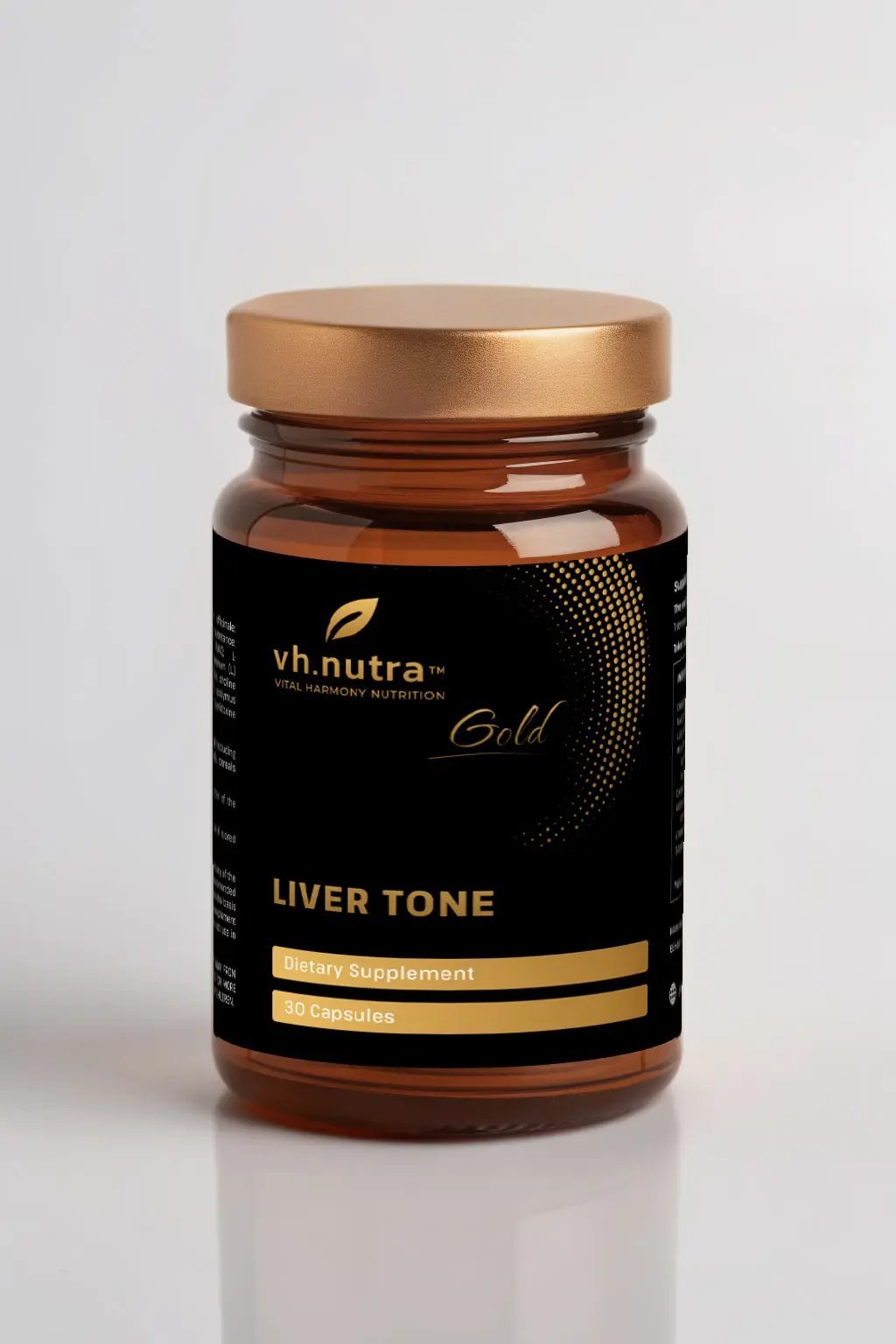
In everyday life, N-acetylcysteine helps the liver cope with the burden caused by alcohol, medication, environmental pollutants and poor diet. When you take NAC, liver enzyme activity stays more stable and detoxification processes run more efficiently. If you want to support the liver comprehensively, VH.Nutra Liver Tone combines N-acetylcysteine with milk thistle, artichoke and choline — classic liver-health nutrients.
3. Thins Mucus and Supports the Respiratory Tract
NAC has a mucolytic effect — it thins mucus and makes it easier to clear from the respiratory tract. N-acetylcysteine breaks down the protein structure of mucus, so the thick secretion becomes more fluid and easier to cough up. For this reason N-acetylcysteine is often prescribed for bronchitis, chronic obstructive pulmonary disease and other respiratory conditions.
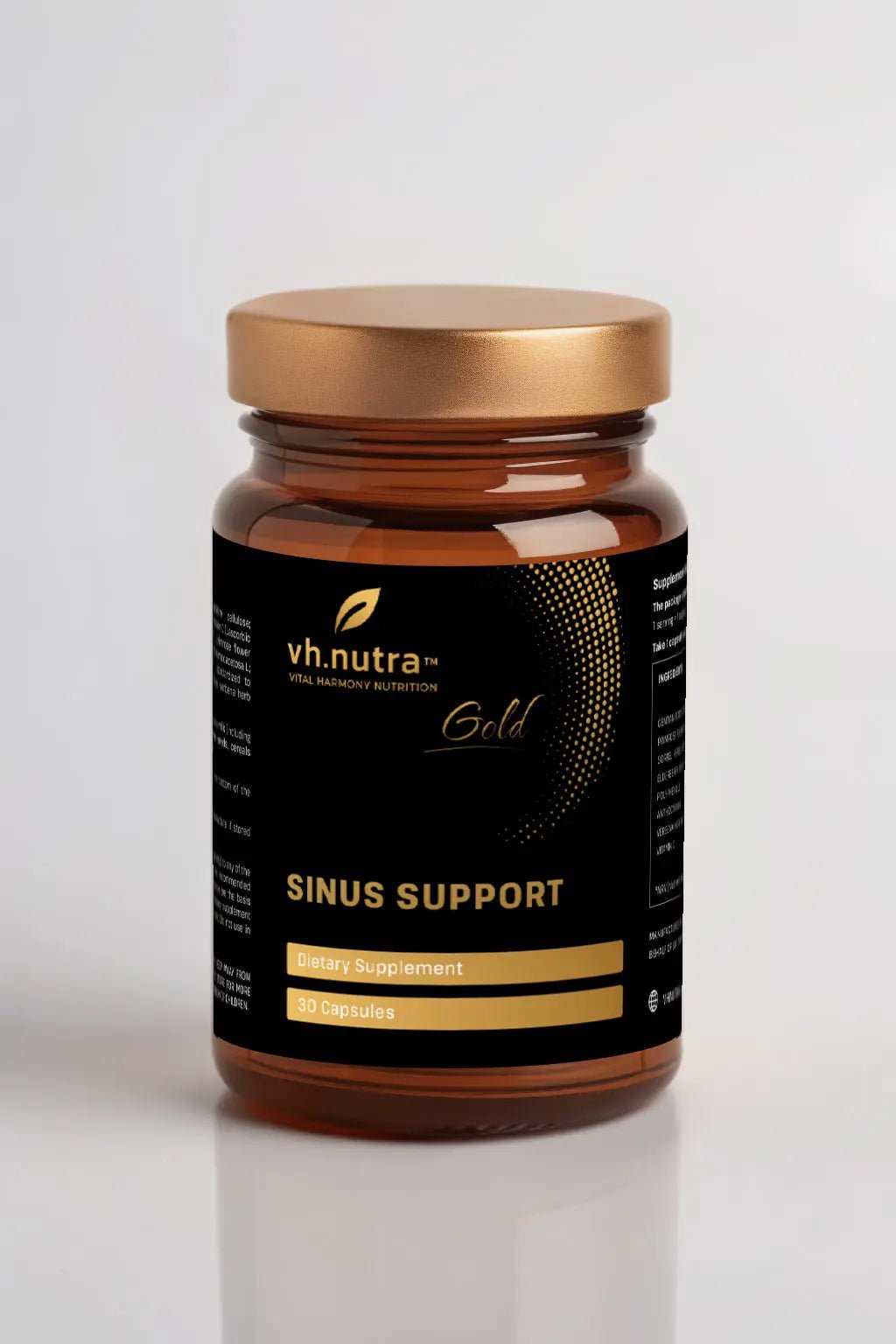
Even if you do not suffer from chronic conditions, NAC can be useful during the cold season, when mucus builds up and makes breathing difficult. By thinning mucus, N-acetylcysteine also helps reduce cough intensity and speeds up recovery. For respiratory support, VH.Nutra Sinus Support — a complex of herbal extracts with vitamin C designed for sinus and respiratory health — combines well with NAC.
4. Strengthens the Immune System
Immune cells use large amounts of glutathione so they can effectively fight infections and neutralise the free radicals that cause inflammation. When glutathione reserves run low, the immune system weakens and the body becomes more susceptible to viruses and bacteria. By stimulating glutathione production, N-acetylcysteine directly supplies immune cells with the antioxidant they need.
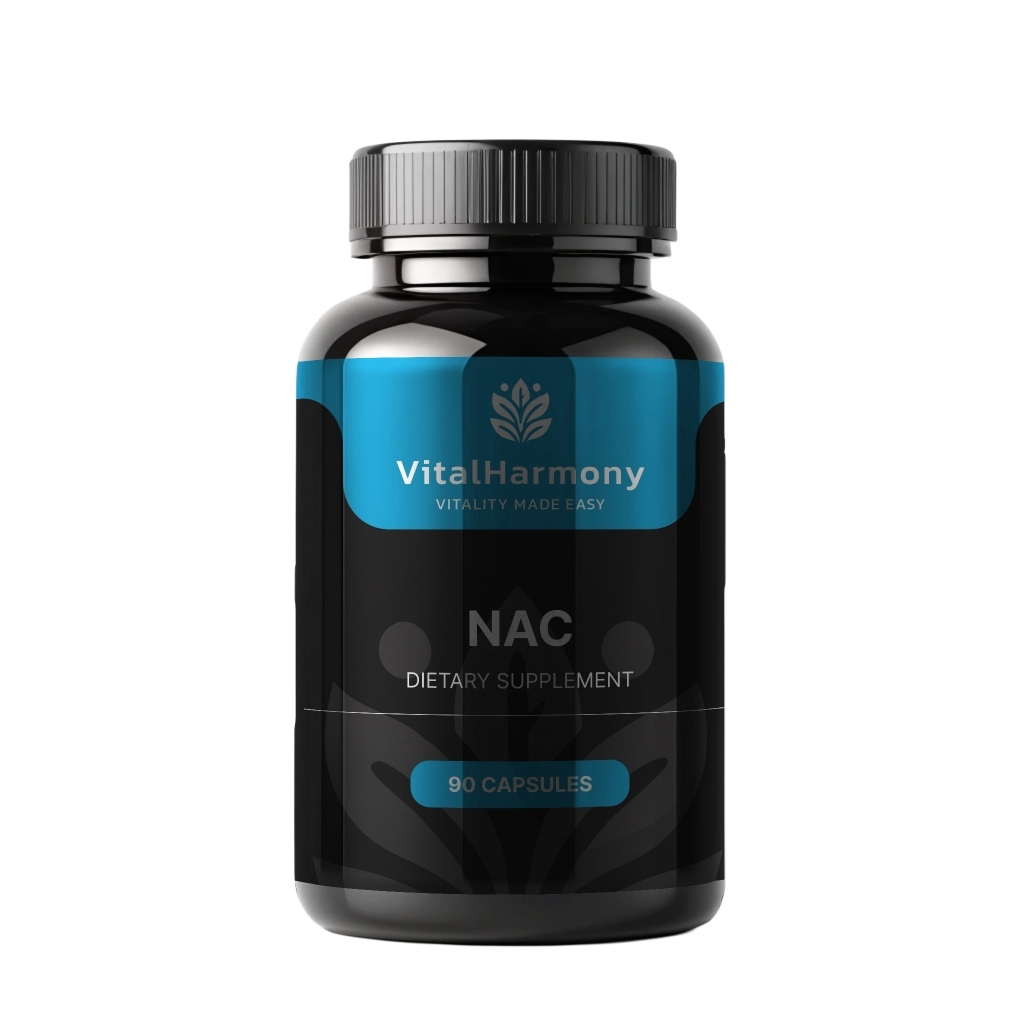
Scientific research shows that NAC can reduce the severity and duration of flu and other respiratory infections, and in older people it may even lower how often they fall ill. Regular N-acetylcysteine use during the cold season is one of the most popular strategies for supporting immunity. If you are looking for a pure N-acetylcysteine supplement, VitalHarmony NAC offers concentrated N-acetylcysteine for liver detoxification, respiratory health and immune function.
Beyond its direct effect on immune cells, N-acetylcysteine also helps reduce chronic low-grade inflammation that weakens the immune response. When inflammation is kept in check, the body reacts to pathogens more effectively and recovers faster after illness. This dual action of N-acetylcysteine — glutathione production and inflammation reduction — explains why NAC supplements are especially popular in autumn and winter.
5. Supports Brain Health and Mood
N-acetylcysteine is increasingly being researched in the field of mental health as well. This supplement regulates the amount of glutamate — the main excitatory neurotransmitter — in the brain, so it can help balance mood and reduce the intensity of intrusive thoughts. Research shows that NAC may be useful for mood swings, obsessive-compulsive disorders and addictions.
In addition, by reducing oxidative stress in brain tissue, N-acetylcysteine helps preserve cognitive function as we age. Although NAC is not a direct cognitive stimulant, its ability to protect neurons from free radicals makes it a valuable additional tool for supporting brain health.
Although research on N-acetylcysteine in this area is still ongoing, it is already clear that this supplement is one of the most promising natural tools for supporting mental health. It is important to stress that NAC is not a medicine and cannot replace treatment prescribed by a specialist, but as an additional measure it can be useful for many people.
6. Contributes to Heart and Blood Vessel Health
Heart and blood vessel diseases are closely linked to oxidative stress and inflammation, so antioxidants play an important protective role here. N-acetylcysteine can contribute to healthier blood pressure, better endothelial function and more flexible blood vessels. Research shows that N-acetylcysteine supplements help lower the concentration of homocysteine in the blood — an amino acid whose high levels are linked to heart disease risk.
N-acetylcysteine also promotes nitric oxide production, which widens blood vessels and improves circulation. Although NAC is not a substitute for a healthy lifestyle, adding it to your daily routine can become valuable long-term support for heart and blood vessel health.
7. Reduces Oxidative Stress and Chronic Inflammation
The seventh benefit of N-acetylcysteine sums up all the previous ones — its ability to reduce oxidative stress and the chronic inflammation associated with it. Oxidative stress occurs when there are more free radicals than the body’s antioxidants can neutralise. Over time this imbalance damages cells and contributes to the development of many chronic diseases.
Because N-acetylcysteine directly increases glutathione reserves, it helps the body maintain the balance between oxidants and antioxidants. Less oxidative stress means less inflammation, better cell function and a slower pace of ageing. It is because of this broad effect that N-acetylcysteine is considered one of the most versatile antioxidant supplements on the market.
How to Take NAC?
Taking N-acetylcysteine correctly is essential for achieving the best results. Here are the main recommendations on how to take NAC optimally:
- Recommended dose: 600–1200 mg per day. Beginners are advised to start with 600 mg and increase to 1200 mg if needed, divided into two doses.
- When to take it: NAC is best taken in the morning with food, as this helps avoid possible stomach irritation. If you take it before training, choose a 600 mg dose 30–45 minutes beforehand.
- Duration of use: NAC can be taken long-term, without mandatory breaks. For long-term effects, regular use for at least 4–8 weeks is recommended.
- Maximum safe dose: Up to 1800 mg per day. Doses above 1800 mg are not recommended without a doctor’s supervision.
For those looking for a convenient solution, VitalHarmony NAC offers N-acetylcysteine in a convenient capsule form — no need to measure powders or count several tablets. One product combines liver detoxification, respiratory tract and immunity support.
Possible Side Effects of NAC
N-acetylcysteine is considered a safe supplement when taken at recommended doses. For most people NAC causes no negative effects, but it is important to know the possible side effects:
- Nausea and digestive discomfort — the most common side effect, especially when NAC is taken on an empty stomach. Taking it with food usually eliminates this effect.
- Bloating and diarrhoea — may occur at higher doses, so it is advisable to start with a lower dose.
- Heartburn — in rare cases, most often in people with a sensitive stomach.
- Allergic reactions — extremely rare, but if a rash or difficulty breathing appears, use should be stopped immediately.
N-acetylcysteine is not recommended during pregnancy and breastfeeding without a doctor’s approval, because there is insufficient research on its safety in these cases. NAC should also be used with caution by people with stomach ulcers or those taking nitroglycerin.
NAC and Glutathione — What Should You Know?
The relationship between N-acetylcysteine and glutathione is the main reason why this supplement is so valuable. Glutathione is the body’s master antioxidant, but taking it directly by mouth is inefficient because digestive enzymes break it down before it is absorbed. NAC solves this problem — it is a stable glutathione precursor that easily enters the cells and is converted into glutathione there.
It is worth knowing that glutathione reserves are depleted not only by age but also by lifestyle — chronic stress, lack of sleep, alcohol, smoking and environmental pollution. Therefore even young and healthy people can experience glutathione deficiency. Regular N-acetylcysteine use helps compensate for these losses and maintain antioxidant balance even under unfavourable conditions.
To make the most of this mechanism, N-acetylcysteine is worth combining with substances that support the glutathione cycle. Selenium is essential for the enzyme glutathione peroxidase, while vitamin C helps regenerate oxidised glutathione back into its active form. This synergy strengthens overall antioxidant protection.
You can learn more about supporting metabolism and blood sugar control in our article about berberine, which also has antioxidant properties. According to the National Institutes of Health, N-acetylcysteine is approved and widely used in clinical practice — you can find a more detailed scientific overview in the NCBI medical guide on N-acetylcysteine.
Frequently Asked Questions
Does NAC cause addiction?
No, NAC does not cause addiction or dependence. It is an amino acid derivative naturally related to the body’s own processes, so no withdrawal symptoms occur when you stop taking it.
Can NAC be taken every day?
Yes, NAC can be taken every day, and regular use is even recommended to achieve a long-term effect on glutathione levels and antioxidant protection. Many users include N-acetylcysteine in their morning routine.
How does NAC differ from vitamin C?
Vitamin C is a direct antioxidant that neutralises free radicals itself. NAC, on the other hand, works indirectly — it increases the production of glutathione, the body’s master antioxidant. These two substances complement each other well, which is why they are often taken together.
Is NAC suitable for athletes?
Yes, NAC is popular among athletes for several reasons: it reduces oxidative stress after intense training, supports recovery and can help maintain respiratory function during heavy exertion. It is recommended to take NAC with food before or after training.
Disclaimer: This information is for educational purposes only and cannot replace professional medical advice. Before starting any dietary supplements, always consult a doctor or pharmacist.
Related Articles
- Selenium: 7 Benefits for Immunity, Thyroid and Antioxidant Protection
- Vitamin C: 7 Benefits for Immunity, Skin and Energy
- Berberine: 7 Benefits for Metabolism, Blood Sugar Control and Health