
Iodine is one of the most important trace minerals for the human body, directly responsible for thyroid function, energy metabolism and hormonal balance. Although this mineral is needed in very small amounts, its deficiency can lead to serious health problems, from persistent fatigue to a slowed metabolism. In this article, you will learn about the benefits of iodine, how to take it correctly and why it is worth choosing high-quality iodine supplements.
Key Takeaways
- Iodine — essential for thyroid hormone production; regulates metabolism and energy levels.
- Lithuanian soil is low in iodine — which is why many residents are advised to supplement this mineral.
- Iodine and selenium work synergistically — selenium helps the body use iodine effectively in the thyroid.
Table of Contents
What Is Iodine?
Iodine is an essential trace mineral that the human body uses to produce the thyroid hormones thyroxine (T4) and triiodothyronine (T3). These hormones regulate virtually every bodily function: metabolism, body temperature, heart rate, nervous system activity and even mood. Without adequate iodine, the thyroid gland cannot produce these vital hormones. The body contains about 15–20 mg of this mineral, nearly 80% of which is concentrated in the thyroid gland. Since the body cannot synthesize iodine on its own, it must be obtained from food or supplements.
1. Thyroid Function Support
The thyroid gland is the body’s main consumer of iodine — without this mineral it simply cannot function. Every thyroid cell uses iodine to produce hormones, and even the slightest deficiency of this trace mineral immediately affects hormonal balance. Research shows that in Lithuania, due to the low iodine content in the soil, part of the population experiences a mild deficiency of this mineral. Adequate iodine intake helps prevent enlargement of the thyroid gland and supports normal thyroid function.
2. Energy Level Support
One of the most common reasons people see a doctor for fatigue is impaired thyroid function, often caused by insufficient iodine intake. Thyroid hormones regulate the activity of cell mitochondria, and it is precisely the mitochondria that produce energy. When iodine is lacking, the thyroid slows down hormone production, so energy levels drop. Adequate intake of this mineral helps maintain normal energy levels throughout the day. If you experience constant fatigue, it is worth having your thyroid function checked and considering iodine supplements.
Interestingly, the thyroid is one of the most active glands in the body — it produces and releases millions of hormone molecules every day, and each one requires this trace mineral. Without sufficient iodine, the thyroid begins to enlarge in an attempt to compensate for the deficiency — this is how goitre develops, commonly known as a swelling of the neck. Fortunately, these problems are easily resolved by regularly taking supplements of this mineral or eating foods rich in it.
3. Metabolism Regulation
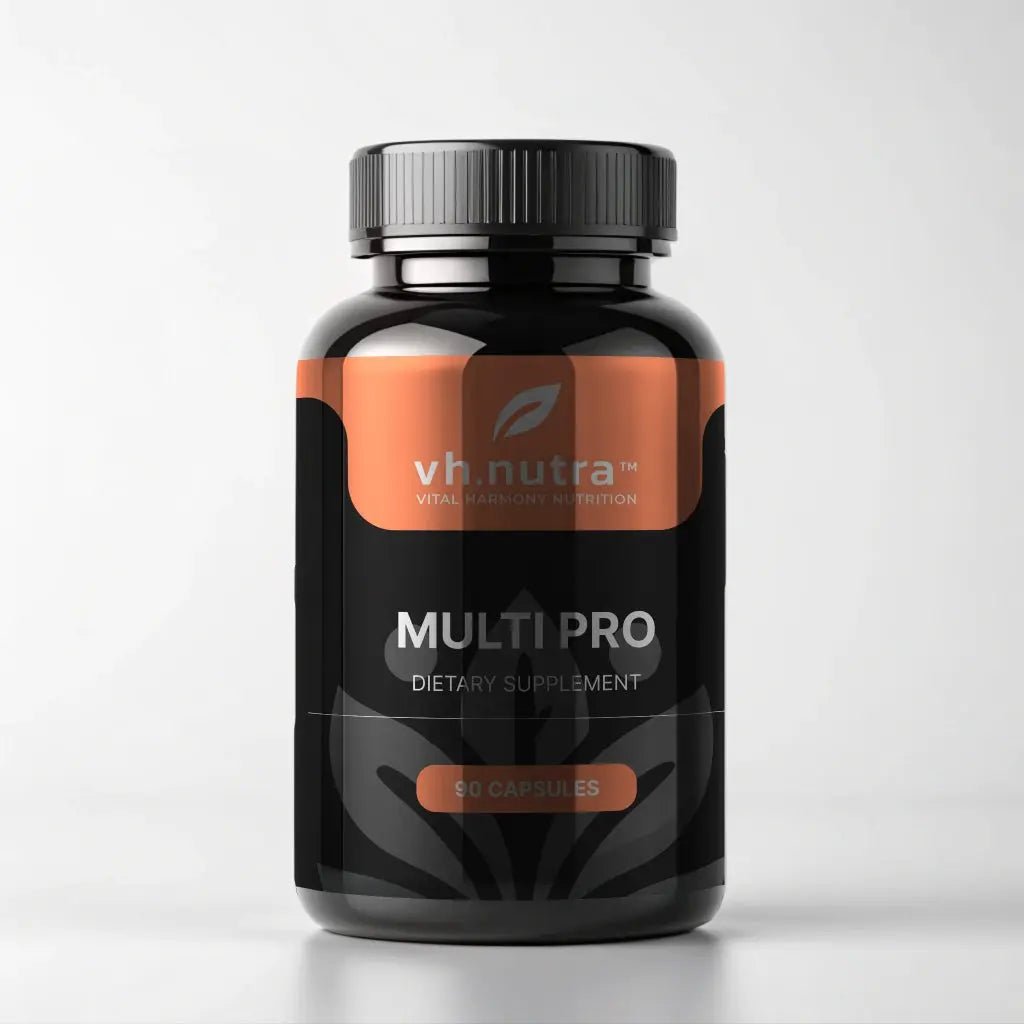
Iodine is directly linked to the metabolic rate, because thyroid hormones regulate the basal metabolic rate — the amount of energy the body uses at rest. When iodine levels are sufficient, the thyroid produces an optimal amount of hormones and metabolism runs at a normal pace. When this mineral is deficient, metabolism slows down — the body starts conserving energy, which can lead to unwanted weight gain. For example, VH.Nutra Multi Pro — a complete vitamin and mineral complex that also contains iodine — helps maintain a normal metabolism every day.
The metabolic rate directly affects how you feel every day — whether you have enough energy, how quickly you get tired and how efficiently your body burns calories. Some studies show that even a mild deficiency of this mineral can reduce the basal metabolic rate by 5–10%, which over the course of a year can lead to a weight gain of 2–4 kg. This is why endocrinologists often check thyroid function first when patients complain of unexplained weight gain.
4. Cognitive Function Support
Thyroid hormones, for the production of which iodine is essential, directly affect brain function — concentration, memory and reaction speed. When the body lacks this mineral, forgetfulness, difficulty concentrating and slower thinking can occur. Research shows that even mild iodine deficiency can negatively affect cognitive function in both adults and children. It is especially important to ensure an adequate supply of this trace mineral during intense mental work — for students, programmers and managers.
5. Skin, Hair and Nail Health
When the body is deficient in iodine, it first shows on the skin and hair. Dry, flaking skin, brittle nails and hair loss — all of these can be linked to insufficient thyroid function. This mineral is needed for cell renewal and regeneration, and its deficiency slows these processes down. Adequate iodine intake helps maintain healthy skin, strong nails and shiny hair. Interestingly, the benefits of this trace mineral for beauty are often overlooked, even though it is one of the key factors.
Hair follicles are extremely sensitive to hormonal imbalances — when the thyroid is underactive, hair becomes dry, brittle and starts to fall out. This is one of the first visible signs that the body may be lacking this important mineral. Beauty professionals increasingly recommend that clients have their thyroid function checked before starting expensive beauty treatments, because without a proper hormonal background, no external products will deliver long-lasting results.
6. Support for Children’s Growth and Development
Iodine is especially important for children — it is needed for normal brain development, bone growth and the formation of the nervous system. According to the World Health Organization, deficiency of this mineral is one of the leading causes of mental development disorders worldwide. Fortunately, these problems are easily avoided by ensuring adequate iodine in the diet. Children are recommended 90–120 micrograms per day, depending on age. High-quality iodine supplements help ensure that a growing body gets everything it needs.
7. Support During Pregnancy and Breastfeeding
During pregnancy, the iodine requirement increases by about 50% — from 150 to 220–250 micrograms per day. This mineral is needed not only for the mother’s thyroid, but also for the development of the foetus’s brain and nervous system. Studies have shown that children of women who received adequate iodine during pregnancy had higher intelligence scores. During breastfeeding, the need is even greater — up to 290 mcg per day. The National Institutes of Health (NIH) emphasize that pregnant women belong to the group at the highest risk of iodine deficiency.
How to Take Iodine?
Correct iodine intake is just as important as the mineral itself. Here are the main recommendations:
- Recommended dose: 150 micrograms (mcg) per day for adults. For pregnant women — 220–250 mcg, for breastfeeding women — up to 290 mcg.
- When to take: In the morning, with food. Iodine is better absorbed together with fats, so it is recommended to take it with breakfast.
- Duration of use: It can be taken continuously, especially if you get too little of this mineral from food. It is recommended to check thyroid hormone levels every 3–6 months.
- Maximum safe dose: 1100 mcg per day for adults. Long-term use of excessive doses can disrupt thyroid function.
When choosing an iodine supplement, it is worth paying attention to combined products. For example, VH.Nutra Multi Pro — a complete multivitamin and mineral complex that contains not only this mineral but also all the other vitamins and minerals needed daily — one convenient solution instead of several separate bottles.
Possible Side Effects
Although iodine is safe when taken in recommended doses, too much of it can cause side effects. An overdose of this mineral can cause a metallic taste in the mouth, stomach pain, nausea and diarrhoea. Long-term use of very high doses can cause a paradoxical reaction — instead of stimulating the thyroid, excess iodine can suppress it. People with autoimmune thyroid diseases must consult a doctor before starting to take supplements of this mineral. However, when taking standard doses of 150–300 mcg, side effects occur very rarely.
Iodine and Selenium — What You Need to Know?
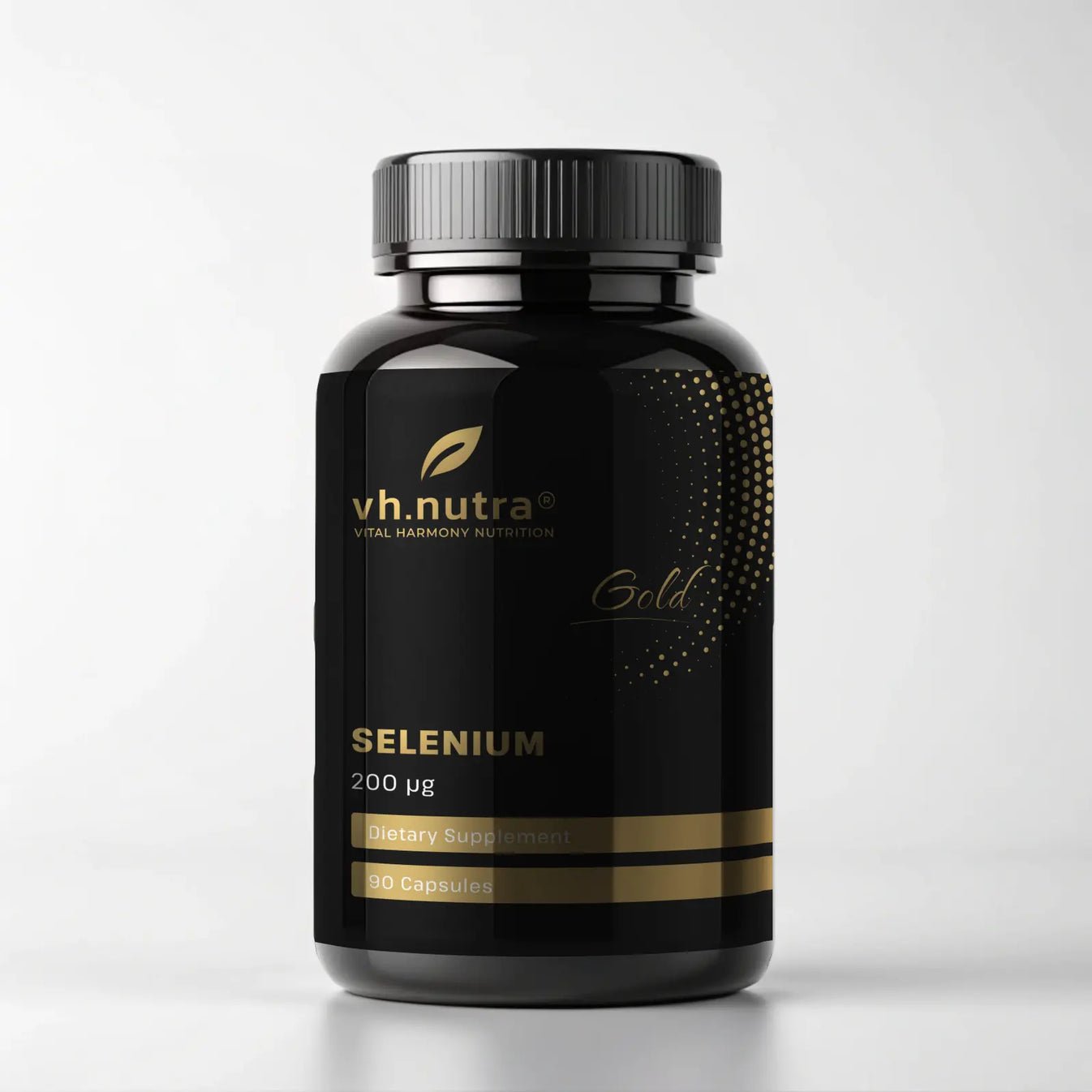
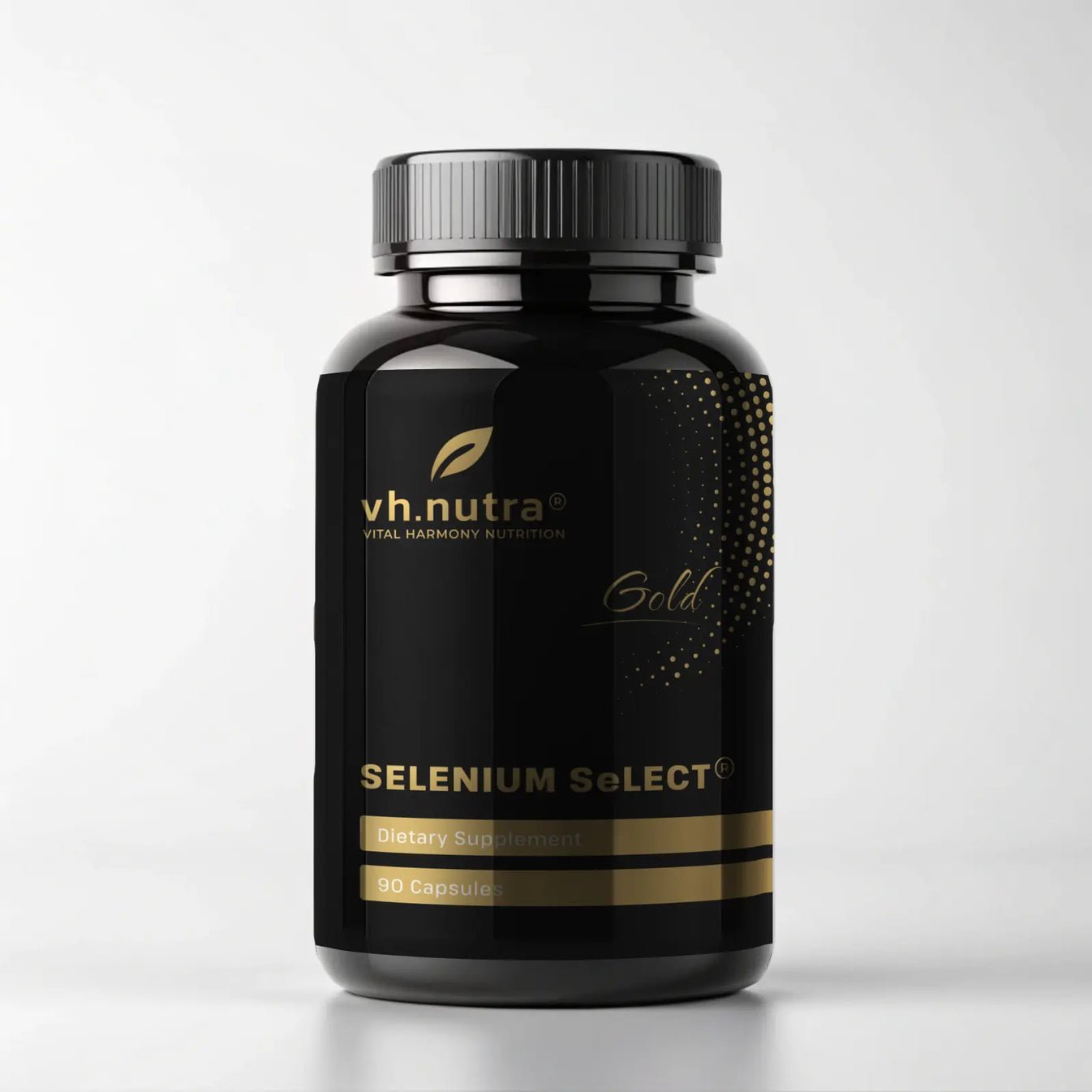
Iodine and selenium are inseparable partners for thyroid health. Selenium is a component of the enzymes that activate thyroid hormones — without selenium, the body cannot use iodine effectively. In addition, selenium acts as an antioxidant, protecting thyroid cells from the oxidative damage that naturally occurs during hormone production. Research shows that selenium supplements combined with iodine produce better results than either mineral alone. For example, VH.Nutra Selenium 200 μg + Vitamin E perfectly complements iodine-containing preparations, while VH.Nutra Selenium SeLECT® offers an organic form of selenium with the highest bioavailability.
Frequently Asked Questions
How long should I take iodine supplements to feel the effect?
The first results — more energy, better well-being — can be felt after as little as 2–3 weeks of regular use. However, full restoration of thyroid function, if there was a pronounced deficiency of this mineral, can take 2–3 months. It is recommended to have thyroid hormones (TSH, FT4) checked regularly every 3 months.
Can I get enough iodine from food?
Theoretically yes, but in practice it is difficult in Lithuania. Seaweed (kelp, nori), sea fish and iodized salt are the main sources. However, not everyone eats seafood every day, and iodized salt consumption is often too low. For this reason, high-quality iodine supplements are a convenient and reliable way to ensure an adequate supply of this mineral.
What is the difference between iodine and iodide?
Iodide is the salt form of iodine (potassium iodide) that the body absorbs easily. It is the most common form of this mineral in dietary supplements. The difference lies only in the chemical structure — both forms are equally beneficial to the body, but iodide is more stable and is used more often in supplements.
Do athletes need more iodine?
Yes, those who exercise intensely lose more minerals through sweat, including iodine. In addition, athletes have a faster metabolism, so the thyroid works more actively. Athletes are recommended to choose complete complexes such as VH.Nutra Multi Pro, which contain not only iodine but also all the other necessary vitamins and minerals.
Disclaimer: This information is intended for educational purposes only and cannot replace professional medical advice. Before starting any dietary supplements, it is necessary to consult a doctor or pharmacist.
Related Articles
- Selenium: 7 Benefits for Immunity, Thyroid and Antioxidant Protection
- Vitamins for Energy: What Really Helps Fight Fatigue?
- Multivitamin Complexes Review: How to Choose?