Contents
In short:
- Green tea is made from the leaves of the tea plant (Camellia sinensis), which are minimally oxidized, so it retains many natural catechins and EGCG.
- The most common recommendation is 3–5 cups per day – this provides roughly 250–500 mg of catechins.
- Alongside antioxidants, green tea contains L-theanine and a gentle dose of caffeine, giving calm, long-lasting energy.
- It is most studied for its benefits for metabolism, heart and blood vessel health, and healthy blood sugar metabolism.
Green tea is one of the most researched plant-based drinks in the world, which researchers link to supporting metabolic, heart and brain health. It is made from the same tea plant leaves as black tea, but processed differently – the leaves are only briefly heated rather than fermented for a long time. This is why green tea retains far more natural polyphenols, especially catechins and the famous EGCG. In this article we will look at the seven most important benefits of green tea, explain how to take it correctly, how many active compounds a regular cup provides and when it is worth considering concentrated supplements.
Key takeaways
- Green tea is best studied for its antioxidant effect – its catechins, especially EGCG, help protect cells from oxidative stress.
- Regular consumption of 3–5 cups per day is linked to supporting heart and blood vessel health and healthy blood sugar metabolism.
- The effect on metabolism is modest but real – green tea can slightly increase fat oxidation, especially when combined with physical activity.
- Extracts concentrate EGCG, so it is easy to exceed the safe dose with supplements – stick to the recommended amount and avoid large doses on an empty stomach.
What is green tea?
Green tea is a drink made from the leaves of the tea plant (Camellia sinensis) that differs from black tea in how it is processed. For black tea, the leaves are fermented and oxidized for a long time, while green tea leaves are briefly heated or steamed right after picking. This process stops fermentation and preserves the natural polyphenols that largely determine green tea’s health effects.
The main active compounds are catechins, the most important of which is epigallocatechin gallate (EGCG). Green tea also contains the amino acid L-theanine, responsible for calm focus, and a small amount of caffeine. It is precisely this combination of catechins, L-theanine and caffeine that gives green tea its distinctive – gently energizing yet non-jittery – effect.
It is important to understand that green tea is not a medicine, but a drink and food supplement suited to daily routine and meant to support normal body functions. Its effect is not fast – most benefits only appear with regular use over several weeks or months. It is a long-term support tool, not a quick fix.
Green tea comes in various forms – loose leaves, tea bags, matcha powder or concentrated extract. Loose leaves are usually higher quality and provide more catechins than finely ground bag leaves. Extracts, in turn, are a convenient way to get a precise amount of active compounds without daily brewing, but with them it is most important to stick to the dose.
1. Supporting metabolism and fat burning
Green tea is often mentioned when talking about weight control, and for good reason – its catechins, especially EGCG, can slightly increase fat oxidation and energy expenditure. Research shows that green tea extract, combined with physical activity, can help the body use fat more efficiently as an energy source. The effect is not dramatic, but over the long term it can contribute to weight maintenance.
In addition, green tea contains caffeine, which on its own slightly stimulates metabolism. The combination of caffeine and catechins works synergistically, so the drink’s effect can be greater than caffeine alone. Still, it is important to be realistic – no drink replaces a balanced diet and regular exercise, and green tea works best as a companion to these habits.
Some studies show that combining green tea extract with workouts can increase the share of fat burned during moderate-intensity exercise. However, these results are not consistent – some people notice an effect, others almost none. Therefore, green tea should be seen as an additional, not the main, weight-control tool.
2. Strong antioxidant protection
One of the best-documented properties of green tea is its antioxidant effect. Catechins neutralize free radicals – unstable molecules that can damage cells and contribute to premature ageing processes. EGCG is particularly active in this respect and is often compared to other well-known antioxidants such as vitamins C and E.
Regular green tea consumption helps the body maintain natural protection against oxidative stress, which is increased by stress, poor diet, polluted air and intense training. If your goal is to strengthen antioxidant protection, green tea is one of the simplest and most pleasant ways to do it daily. Read more about this topic in the article on antioxidants.
3. Supporting heart and blood vessel health
Long-term observational studies link regular green tea drinking with more favourable heart and blood vessel health markers. This effect is thought to come from the catechins’ ability to support blood vessel elasticity and healthy blood pressure and cholesterol metabolism. This is why green tea is often listed among heart-friendly drinks.
It is important to stress that the heart benefits are seen primarily in those who drink green tea regularly and over a long period, not occasionally. One or two cups a week will likely have no significant effect. If you care about heart health, alongside green tea it is worth looking into coenzyme Q10, which is also linked to heart energy metabolism.
4. Supporting healthy blood sugar levels
Green tea catechins can help maintain normal blood glucose levels and insulin sensitivity. One mechanism is EGCG’s ability to gently slow carbohydrate absorption in the digestive tract, so blood sugar rises more evenly after a meal. This property is relevant for people who want to keep stable energy throughout the day.
Some research suggests that green tea can be useful together with other substances that affect blood sugar metabolism. For example, berberine is often mentioned in this area, and in some products green tea extract is combined precisely with it. Still, green tea is not a medicine and does not replace treatment prescribed by a doctor.
5. Improving brain function and focus
Green tea provides a distinctive combination of alertness and calm, driven by the interaction of caffeine and L-theanine. Caffeine improves alertness and reaction time, while L-theanine promotes relaxation without increasing drowsiness. Together these two compounds help maintain focus without the jitteriness that coffee often causes.
For this reason, green tea is a great choice for those who want to stay focused while working or studying but are sensitive to coffee’s caffeine. If you are interested in a similar effect, it is worth looking into matcha – the powdered form of green tea with a particularly favourable L-theanine-to-caffeine ratio.
6. Supporting liver function
The liver is the body’s main detoxification organ, and green tea catechins can contribute to maintaining its normal function. Research shows that moderate green tea consumption is linked to favourable liver enzyme markers. The antioxidant effect of EGCG is also important here, because the liver constantly processes substances whose breakdown creates free radicals.
However, there is also an important warning here – paradoxically, it is very large doses of concentrated EGCG from supplements, taken on an empty stomach, that are linked to a risk of liver damage. Therefore, for liver support it is safest to choose tea or to stick to the recommended extract doses and take them with food.
7. Supporting oral health
Green tea also has a lesser-known benefit – supporting oral cavity health. Catechins inhibit the growth of certain bacteria linked to dental plaque and bad breath. For this reason, regular green tea drinking is associated with better oral hygiene and fresher breath.
In addition, green tea contains natural fluoride, which contributes to protecting tooth enamel. Of course, this does not mean green tea replaces tooth brushing or dental visits – but it can be a pleasant addition to your daily oral care routine.
How to take green tea?
The recommended green tea dose depends on whether you drink tea or take an extract. As a drink, 3–5 cups per day are most commonly recommended, providing roughly 250–500 mg of catechins. As an extract, the usual dose is 250–500 mg of green tea extract per day, usually standardized for EGCG content.
It is best to drink green tea in the morning or during the day, because it contains caffeine – taking it late in the evening can make it harder to fall asleep. Extracts and tea are best taken with or after food, to be gentler on the stomach and to reduce the risk of liver strain. The recommended duration is continuous, long-term use, because the benefits build up gradually.
The maximum safe dose from supplements is assessed cautiously – the European Food Safety Authority (EFSA) links doses above roughly 800 mg of EGCG per day from green tea extracts to a risk of liver damage. Large doses on an empty stomach should especially be avoided. With a regular drink, reaching such an amount is practically impossible, so drinking tea is considered safe.
Side effects and precautions
For most people, moderate green tea consumption causes no adverse effects. The most common side effect is related to caffeine – sensitive people may experience restlessness, a faster heart rate or sleep disturbances. If you are sensitive to caffeine, choose caffeine-free extracts or drink tea only in the first half of the day.
Another common note – tannins in green tea can interfere with the absorption of iron from plant sources. Therefore, people with iron deficiency are advised to drink tea between meals rather than right after a meal. Pregnant and breastfeeding women should limit caffeine and consult a doctor before using concentrated extracts. More reliable information can be found in the US National Center for Complementary and Integrative Health overview of green tea.
Diet: natural sources of green tea
All true teas – green, black, white and oolong – come from the same tea plant, but green and white are the least processed and therefore contain the most catechins. The most popular green tea varieties – sencha, gyokuro and bancha – differ in how they are grown and processed, and therefore in catechin concentration. Gyokuro, grown in the shade, usually has more L-theanine.
Matcha is shade-grown tea leaves ground into a fine powder, so drinking matcha consumes the whole leaf rather than just its infusion. As a result, matcha’s catechin and EGCG content can be several times higher than regular tea. If you want the most active compounds, choose high-quality tea and brew it with water at about 70–80 °C rather than boiling water – this preserves more catechins.
It is worth knowing that even decaffeinated green tea retains most of its catechins, so people sensitive to caffeine can choose a decaffeinated option and still get the antioxidant benefit. If the tea’s taste is too bitter, you can mix it with lemon or mint – this does not remove the active compounds and helps you drink more fluids throughout the day.
FAQ: common questions
How many cups of green tea can you drink per day? For most adults, 3–5 cups per day are considered safe and beneficial. This provides roughly 250–500 mg of catechins and a small, usually well-tolerated amount of caffeine.
Does green tea help you lose weight? Green tea can slightly increase fat oxidation and energy expenditure, but the effect is modest. It works best as a companion to a balanced diet and physical activity, not as a standalone weight-loss tool.
How does green tea differ from matcha? Matcha is the powdered form of green tea – drinking matcha consumes the whole ground leaf, so you get more catechins, EGCG and L-theanine than from a regular tea infusion. Both options have similar benefits; they differ only in concentration and how they are consumed.
Can green tea be drunk on an empty stomach? It is better not to drink it on an empty stomach, because tannins can irritate the stomach, and concentrated extracts on an empty stomach increase the strain on the liver. It is safest to drink tea with or after food.
Does green tea contain caffeine? Yes, one cup usually contains about 30–50 mg of caffeine – less than coffee, but enough to provide gentle alertness. L-theanine softens the caffeine effect, so the energy is calm and steady.
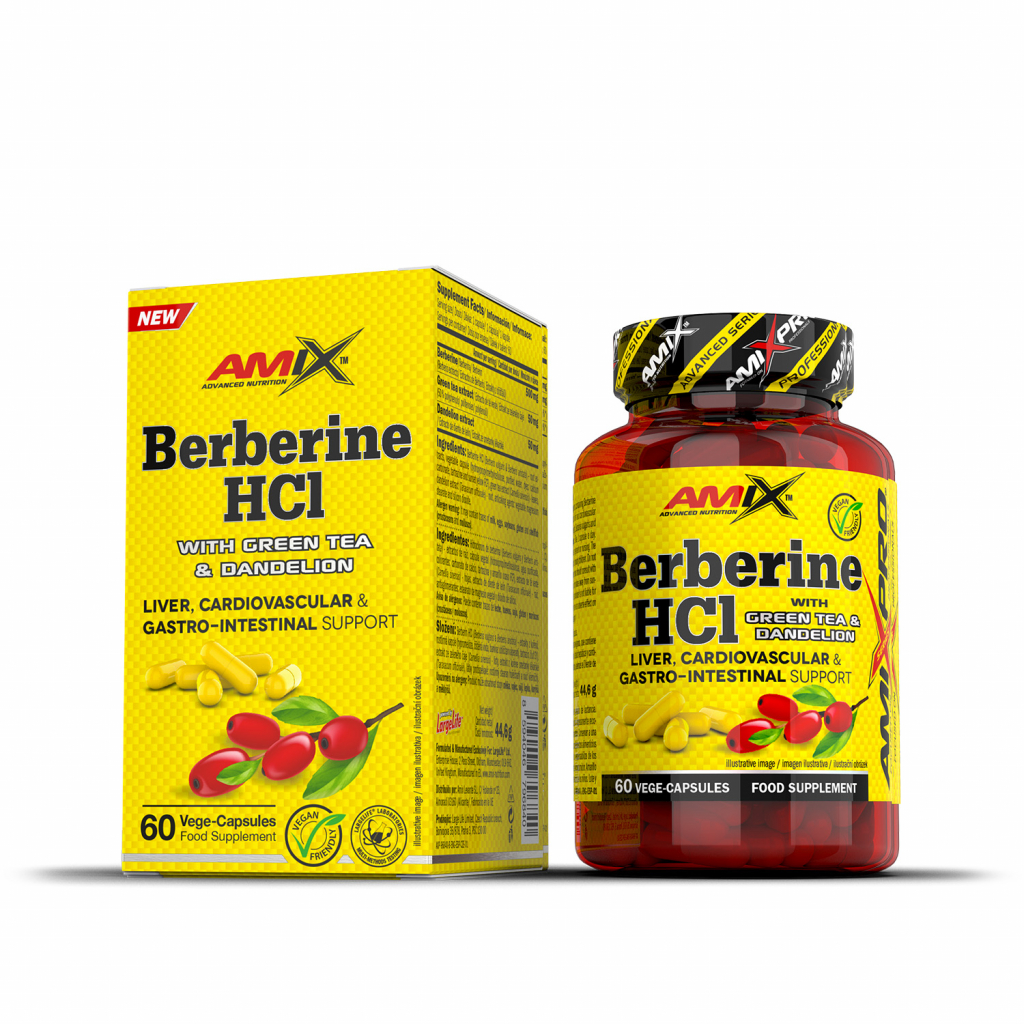
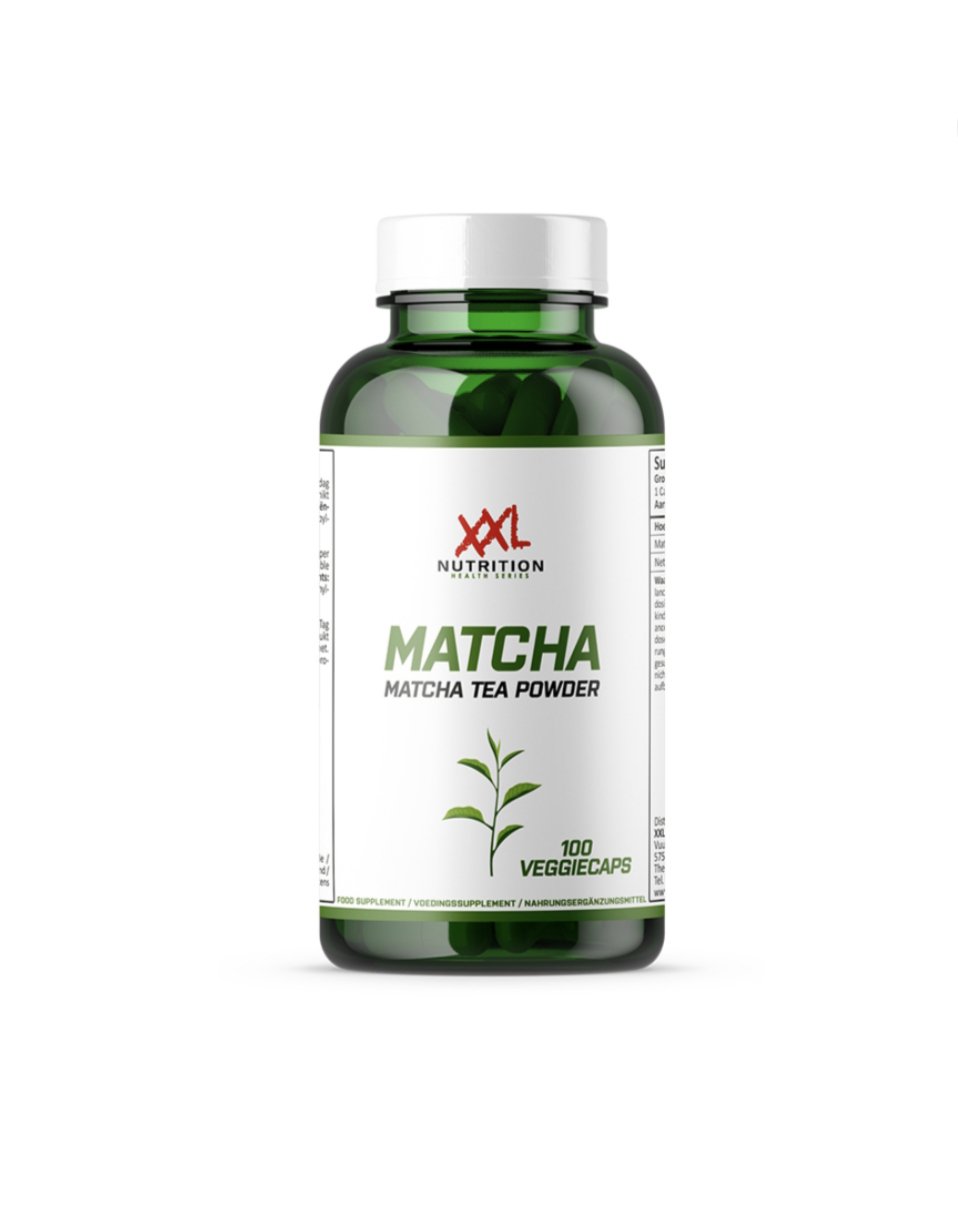
If you want to add green tea’s active compounds to your daily diet in a convenient form, take a look at AmixPro® Berberine with green tea – it combines green tea extract with berberine and dandelion. And if you prefer the classic tea form, it is worth considering matcha tea powder capsules, which concentrate the full power of the green leaf.
Disclaimer: This information is for educational purposes only. Before starting to take supplements, consult a doctor or pharmacist.
Related articles
- Matcha – 7 benefits for energy, antioxidant protection and health
- Antioxidants – 7 benefits for immunity, skin and cell protection
- Coenzyme Q10 – 7 benefits for the heart, energy and health