Contents
In short:
- Glycine is the simplest amino acid, which the body uses to produce proteins, collagen and glutathione, and to calm the nervous system.
- The best-studied benefits of glycine relate to sleep quality, muscle recovery and joint and skin health.
- For sleep, supplements usually recommend 3 g of glycine before bed, while a safe dose for long-term use can reach up to 10 g per day.
- The richest natural sources of glycine are bone broth, gelatin, meat, fish and legumes.
Glycine is an amino acid that is often mentioned when talking about sleep, collagen and muscle recovery, but its role in the body is much broader. This simple yet versatile substance takes part in protein synthesis, helps produce glutathione – one of the body’s most important antioxidants – and acts as a calming neurotransmitter in the nervous system. Although the body can produce glycine on its own, research shows that an additional amount may improve sleep quality, support joint and skin health and speed up muscle recovery. In this article, we will look at the seven most important benefits of glycine, explain how to take it correctly, which doses are considered safe and where to get this amino acid naturally.
Key takeaways
- Glycine acts as a calming neurotransmitter – 3 g of glycine before bed can help you fall asleep faster and improve sleep quality.
- Glycine makes up about one third of collagen, so it directly contributes to the health of the skin, joints and cartilage.
- Glycine is considered a very safe amino acid – side effects are rare even at higher doses.
What is glycine?
Glycine is the smallest and simplest of all amino acids – its side chain is just a single hydrogen atom. Because of this, glycine fits perfectly into protein structures that are too small for other amino acids, and it is essential for collagen, the main protein of the skin, cartilage, tendons and bones. In fact, roughly every third amino acid block of collagen is glycine.
Glycine performs many different functions in the body. It is needed to produce glutathione – a powerful antioxidant – takes part in creatine synthesis, helps form heme, which carries oxygen in the blood, and acts as an inhibitory neurotransmitter that helps calm the nervous system. It is this calming effect that explains why glycine is often linked with better sleep and relaxation.
Glycine is classified as a conditionally essential amino acid. This means that a healthy body can produce it on its own from other substances, but in certain situations – for example during intense training, illness or ageing – production may fall short. In such cases, additional glycine from food or supplements can be useful.
1. Improving sleep quality
One of the best-studied benefits of glycine is its effect on sleep. Research shows that 3 g of glycine before bed can help you fall asleep faster, improve sleep depth and reduce the feeling of tiredness the next morning. Unlike many sleep supplements, glycine does not act as a sedative – it gently calms the nervous system, helping the body transition naturally into a state of rest.
Glycine’s effect on sleep is linked to its ability to slightly lower body temperature – and a drop in body temperature in the evening is one of the signals that helps us fall asleep. In addition, glycine increases the availability of serotonin in the brain and acts through inhibitory receptors in the nervous system. This is why glycine is often combined with magnesium – the two substances complement each other in calming the nervous system and muscles.
2. Calming the nervous system and reducing stress
In the brain and spinal cord, glycine acts as an inhibitory neurotransmitter – it helps reduce the intensity of nerve impulses and thus contributes to a sense of calm. This sets glycine apart from many other amino acids, which mostly serve as building blocks for proteins.
Because of this calming effect, glycine is sometimes mentioned together with GABA – another inhibitory amino acid that the body uses to reduce stress and anxiety. Both substances work in different but complementary ways, so taken together they can strengthen the relaxation effect without daytime drowsiness.
3. Supporting collagen production and skin health
Collagen is the most abundant protein in the body, and glycine makes up about one third of all its amino acids. This means that without enough glycine, the body simply cannot efficiently produce collagen, which is responsible for skin elasticity, firmness and moisture retention.
With age, collagen production naturally slows down, so the skin loses firmness, while hair and nails become weaker. An additional amount of glycine can help the body maintain collagen synthesis. In this respect, glycine pairs well with collagen supplements – taken together, the body receives both the building material and its most abundant component.
4. Supporting joint and cartilage health
Joint cartilage is largely made of collagen, so glycine’s importance for the joints is direct. A sufficient amount of glycine helps the body renew cartilage and maintain its elasticity, which matters for joint mobility and comfort in daily life and during exercise.
Although glycine is not as widely studied in the joint context as glucosamine or chondroitin, its role as the main component of collagen is beyond doubt. For people who care about joint health, glycine can be a useful additional element, especially when combined with collagen or hyaluronic acid supplements.
5. Supporting muscle recovery and strength
Glycine takes part in the production of creatine – the compound that muscles use for short-term energy and strength. Together with arginine and methionine, glycine is one of the three amino acids from which the body synthesises creatine, so a sufficient amount of glycine indirectly contributes to muscle strength and endurance.
In addition, glycine is needed for muscle protein synthesis and recovery after training. Although athletes usually pay more attention to amino acids such as leucine, glycine also plays an important role – it helps maintain connective tissue, tendons and muscle structure, which over time leads to better recovery and a lower risk of injury.
6. Boosting glutathione production and antioxidant protection
Glutathione is often called the body’s main antioxidant, and glycine is one of the three amino acids from which it is made – together with cysteine and glutamic acid. This means that a glycine deficiency can limit the body’s ability to produce glutathione and thus weaken antioxidant protection.
Glutathione protects cells from oxidative damage, helps the liver remove toxins and supports the immune system. Research shows that glycine supplementation can increase glutathione levels in the body, especially in older age, when its production naturally declines. This is one of the reasons why glycine is sometimes linked with overall cellular protection and longevity.
7. Supporting blood sugar metabolism and heart health
Some research suggests that glycine may be beneficial for blood sugar metabolism and heart health. Glycine takes part in glucose metabolism, and observational studies link higher glycine levels in the body with more favourable blood sugar and insulin markers.
In the context of heart health, glycine is mentioned as one of the components of collagen, important for the elasticity of blood vessel walls. Although these areas still require more research, early data suggest that a sufficient amount of glycine is beneficial not only for the joints and skin, but also for metabolism and blood vessels.
How to take glycine?
The dose of glycine depends on the goal. To improve sleep quality, 3 g of glycine before bed is usually recommended – this is the dose used in most sleep studies. For muscle recovery and collagen production, some specialists recommend 3–5 g per day, while higher doses of up to 10 g per day are considered safe for healthy adults.
Glycine has a neutral, slightly sweet taste, so it is easy to mix with water, tea or other drinks. For sleep, glycine is best taken in the evening, about 30–60 minutes before bed, so that its calming effect coincides with the body’s natural preparation for rest. During the day, glycine can be taken at any time, as it does not cause drowsiness.
How long should you take it? The benefits of glycine build up gradually, so a noticeable effect may take several weeks of regular use. The maximum safe dose for long-term use is considered to be about 10 g per day, but for most people 3–5 g is fully sufficient. Always follow the dose indicated on the packaging and do not increase it on your own without specialist advice.
Side effects and precautions
Glycine is considered one of the safest amino acids – at the usual recommended doses (3–5 g per day) side effects are very rare. In some people, higher doses may cause mild stomach discomfort, nausea or bloating, which usually disappear once the dose is reduced.
Caution is advised for pregnant and breastfeeding women, as there is little safety data on high glycine doses for these groups. People taking medication or with kidney problems should also consult a doctor before starting glycine supplements. More information about the chemical structure and properties of glycine can be found in the official US National Library of Medicine glycine database.
Diet: natural sources of glycine
Glycine is best obtained from protein-rich foods, because proteins are the main source of this amino acid in the diet. If your diet is varied and contains enough protein, you may not need additional glycine.
- Bone broth and gelatin – the richest sources of glycine, as they are made from collagen-rich tissues.
- Meat and poultry – beef, pork and chicken contain plenty of glycine, especially the skin and connective tissue parts.
- Fish and seafood – salmon, cod and other fish are also a good source of glycine.
- Dairy products – cottage cheese, cheese and yogurt contribute to the amount of glycine in the diet.
- Legumes – beans, lentils and soy products are a plant-based source of glycine.
- Spinach and other leafy greens – although they contain less glycine than animal products, they add to the overall amount.
FAQ: common questions
How much glycine do you need per day? There is no official daily requirement for glycine, because the body can produce it on its own. For sleep, supplements usually recommend 3 g before bed, while for general health 3–5 g per day is suggested.
Does glycine help you fall asleep? Yes, research shows that 3 g of glycine before bed can help you fall asleep faster and improve sleep quality. Glycine works gently – it calms the nervous system but does not cause a sedative effect.
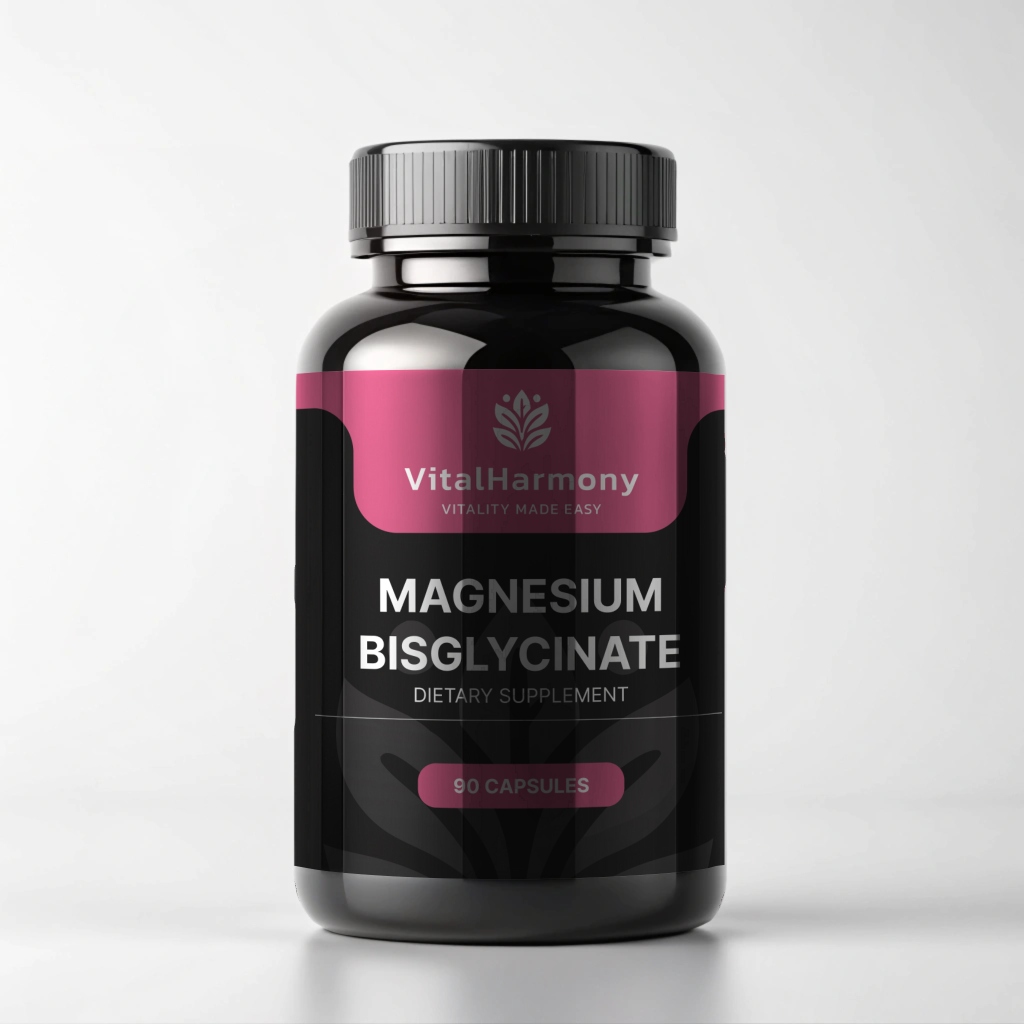
How is glycine different from magnesium bisglycinate? Glycine is a separate amino acid, while magnesium bisglycinate is a form of magnesium in which magnesium is bound to glycine molecules. This combination improves magnesium absorption and additionally provides glycine’s calming effect.
Is it safe to take glycine every day? Yes, glycine is considered a very safe amino acid, and at usual doses side effects practically do not occur. A safe limit for long-term use is considered to be about 10 g per day.
When is it best to take glycine – morning or evening? To improve sleep quality, glycine is best taken in the evening, about 30–60 minutes before bed. If you take glycine for muscle recovery or collagen production, it can be taken at any time of day.
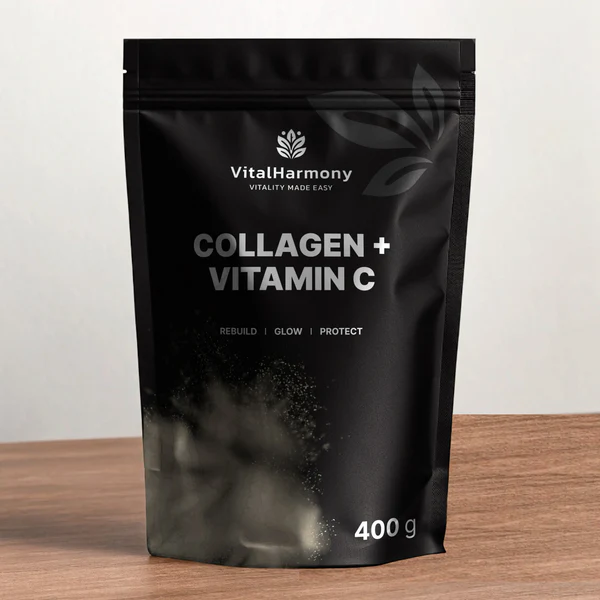
Glycine’s effect on sleep and muscles is well complemented by its combination with magnesium. For example, VH.Nutra Magnesium Bisglycinate combines magnesium with glycine – this combination not only improves magnesium absorption but also provides an additional calming effect before bed. And if you care about skin and joint health, it is worth considering VH.Nutra Collagen – hydrolysed collagen, which is one of the richest natural sources of glycine in supplement form.
Disclaimer: This information is for educational purposes only. Before taking supplements, consult your doctor or pharmacist.
Related articles
- Magnesium – 7 benefits for sleep, muscles and health
- Collagen – 7 benefits for skin, joints and beauty
- GABA – 7 benefits for calm, sleep and emotional health