Glutathione is the most powerful antioxidant the body produces, which cells use to protect themselves from free radicals, toxins and oxidative stress. This compound is made from three amino acids – cysteine, glycine and glutamate – and is found in every cell of the body, but its reserves naturally decline with age, stress and a poor diet. In this article you will learn what benefits glutathione provides, how to support it and why it is sometimes better to choose its precursor NAC.
Key Takeaways
- Glutathione – the body’s master antioxidant, made from three amino acids: cysteine, glycine and glutamate.
- This antioxidant supports liver detoxification, the immune system and contributes to glowing skin.
- Its reserves decline with age, stress and a poor diet – they can be supported through food and supplements.
- NAC is a direct precursor of glutathione that is often absorbed better than glutathione itself.
Table of Contents
What Is Glutathione and Why Is It Important?
Glutathione is a small protein made up of three amino acids – cysteine, glycine and glutamate. The body produces it on its own, and the highest concentrations of this compound are found in the liver, where it performs the main detoxification work. That is why it is often called the “master” antioxidant – it not only neutralises harmful substances itself but also helps restore other antioxidants such as vitamin C and vitamin E.
The uniqueness of this compound lies in the fact that it works inside the cell – where other antioxidants often cannot reach. According to the National Cancer Institute, glutathione is a substance that helps protect cells from damage caused by free radicals and toxins (source). When the reserves of this antioxidant run out, cells become more vulnerable to oxidative stress, which over time is linked to faster ageing and various health problems.
Glutathione Strengthens Antioxidant Protection
Every day the body faces free radicals – unstable molecules that arise from metabolism, pollution, UV rays and stress. When more of these molecules are produced than the body can neutralise, oxidative stress occurs, damaging cell membranes, proteins and even DNA. Glutathione acts here as the first line of defence – it binds directly to free radicals and turns them into harmless substances.
Even more importantly, this antioxidant helps restore oxidised vitamins C and E. When vitamin C neutralises a free radical, it becomes oxidised itself and is useless until glutathione revives it. This recycling system allows the body to use all antioxidants more efficiently. That is why maintaining a healthy level of this compound is often more useful than taking large doses of individual vitamins.
This substance has one more advantage – it can renew itself. The enzyme glutathione reductase converts the oxidised form back into the active one, so a single molecule can be used many times. This cycle allows the body to keep its protection even when free radicals are produced in particularly large amounts, for example during illness or intense training.
Glutathione Supports Liver Detoxification
The liver is the body’s main filter, and glutathione is one of the most important tools in its work. In the second phase of detoxification, the liver attaches a molecule of this compound to toxins, heavy metals and breakdown products of medicines. This process is called conjugation – it makes harmful substances water-soluble so they can be removed with bile or urine.
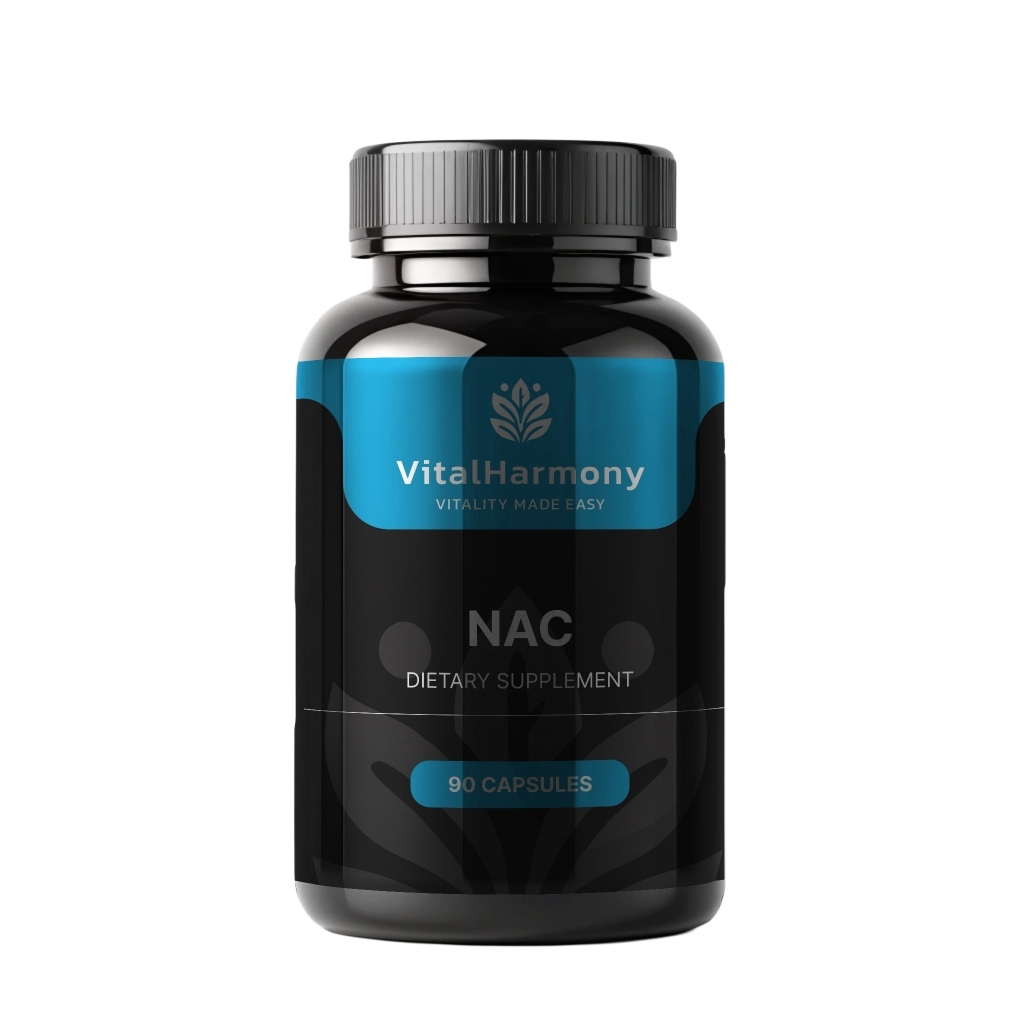
When this substance is lacking, the liver’s ability to process toxins weakens and harmful compounds can remain in the body longer. Precursors such as NAC (N-acetylcysteine) are valued precisely because they supply cysteine – the amino acid the liver usually lacks for glutathione production. By regularly supplying the liver with this building block, the detoxification system works more smoothly.
Glutathione Contributes to Skin Health and Glow
In recent years glutathione has become popular as a way to support glowing skin and a more even tone. It is thought to gently reduce the production of melanin – the pigment responsible for skin colour and dark spots. This is why the compound is often mentioned as a support for evening out skin tone and reducing signs of hyperpigmentation.
In addition, it protects skin cells from UV-induced oxidative stress, which is one of the main causes of premature ageing. Although research in this area is still ongoing, glutathione is often combined with vitamin C, because the two compounds complement each other – vitamin C supports collagen production, while this antioxidant restores oxidised vitamin C.
Glutathione Supports Immune System Function
Immune system cells are particularly sensitive to oxidative stress because, while fighting pathogens, they themselves produce large amounts of free radicals. Glutathione helps these cells survive and do their job properly. Research shows that a sufficient level of this compound is important for the function of T lymphocytes – white blood cells that coordinate the immune response.
When the level of this antioxidant drops, the immune system can become less effective and the body more vulnerable to infections. This is why glutathione and its precursors are often mentioned in the context of strengthening immunity, especially during the cold season, when defence cells carry a heavier load and use up more protective substances.
Glutathione Reduces Oxidative Stress and Inflammation
Oxidative stress and chronic inflammation often go hand in hand – one fuels the other, and both are linked over time to many chronic diseases. Glutathione helps break this vicious circle, because by neutralising free radicals it reduces the signals that trigger inflammation. This is especially important for people who experience a lot of stress, sleep little or work in an environment with higher pollution.
With age, the natural level of this compound in the body drops, which can contribute to greater oxidative stress. One strategy is to supply the body with the substances needed for glutathione production, rather than trying to obtain the already-made compound, which may be harder to absorb in the digestive tract. This way cells produce as much as they need at any given time.
In addition, it is important not only to increase protection but also to reduce its consumption – smoking, alcohol and highly processed food directly increase the amount of free radicals. By reducing these sources, the body can more easily maintain a stable level of the antioxidant and prevent oxidative stress from turning into chronic inflammation.
Glutathione Supports Brain and Nervous System Health
The brain is one of the most energy-consuming organs, so it produces a fair amount of free radicals. Nerve cells live long and renew poorly, so they need strong antioxidant protection. Glutathione plays an important role here – it protects nerve cells from oxidative damage, which is linked to a decline in cognitive function.
Some research shows that a reduced level of this antioxidant may be linked to neurodegenerative conditions, although the cause-and-effect relationship is still being studied. Maintaining a healthy glutathione level through diet and lifestyle is a sensible step for anyone who wants long-term brain health, because prevention here costs far less than solving problems later.
Interestingly, during sleep the body actively restores glutathione reserves in the brain. That is why chronic sleep deprivation is directly linked to a lower level of this substance and greater vulnerability of nerve cells – yet another reason why quality sleep is one of the best long-term investments in brain health.
Glutathione Helps Athletes Recover Faster
Intense training temporarily increases oxidative stress – working muscles produce more free radicals. This process is partly natural and even stimulates adaptation, but if recovery is too slow, fatigue can build up and the risk of injury rises. Glutathione helps muscles neutralise this load faster and return to balance.
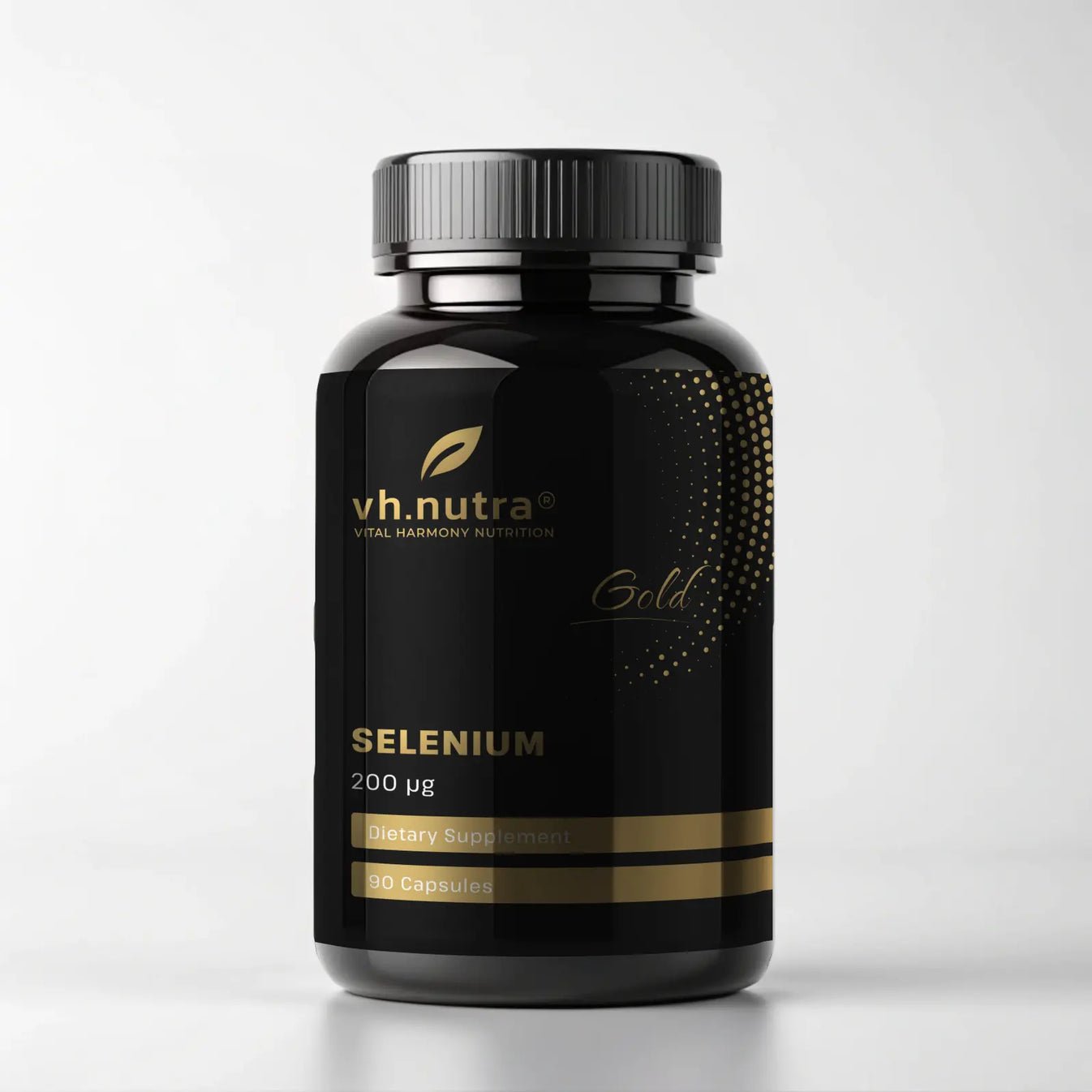
For athletes, this antioxidant is often recommended not directly but through precursors – for example, an NAC supplement that supplies the body with cysteine. Another common combination is glutathione with selenium, because selenium is essential for the activity of the enzyme glutathione peroxidase, and this enzyme directly uses glutathione in the fight against oxidative stress.
How to Take Glutathione: Dose, Timing and Duration
Glutathione can be taken in two ways: as a ready-made supplement or through precursors that encourage the body to produce this compound on its own. Many specialists believe that precursors – primarily NAC, as well as glycine and glutamine – are the more effective route, because they are better absorbed and directly supply the building blocks.
A typical NAC dose for adults is usually 600 mg per day, often in one or two doses. It is best taken with a meal to reduce the risk of stomach discomfort. A glutathione course can last several weeks or months, but before starting any supplement it is worth consulting a doctor or pharmacist, especially if you take medication or have chronic health conditions.
As for ready-made glutathione, liposomal forms are also available, in which the active substance is wrapped in a lipid shell. This shell helps it avoid breakdown in the stomach and enter the bloodstream more easily, which is why liposomal forms are often considered better absorbed than ordinary powders or capsules.
Beyond supplements, glutathione production can be supported by daily habits: enough sleep, regular moderate-intensity exercise and food rich in sulphur-containing vegetables. These measures cost little but bring noticeable benefits over the long term and help maintain a stable level of protective substances.
Glutathione Side Effects and Precautions
Glutathione and its precursors are generally well tolerated when taken at recommended doses. In rare cases, mild digestive issues may occur – bloating, nausea or diarrhoea. These symptoms usually disappear when the dose is reduced or the supplement is taken with food.
People taking medication or living with chronic conditions, as well as pregnant and breastfeeding women, should be more cautious and must consult a doctor before use. It is important to remember that supplements do not replace treatment and are not intended to diagnose or treat disease, and their effects can vary from person to person.
Glutathione in Your Diet: Best Food Sources
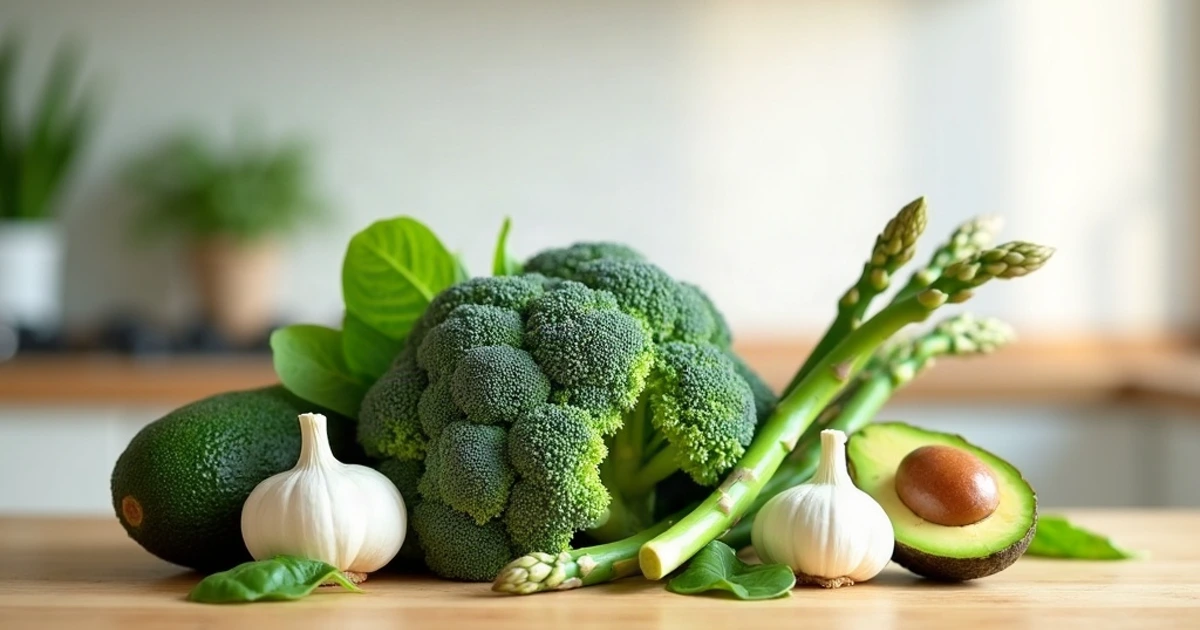
The body produces glutathione best when it gets enough cysteine and other sulphur-containing substances. The best foods supporting this production are cruciferous vegetables – broccoli, cauliflower, Brussels sprouts – as well as garlic, onions, asparagus and spinach. These foods supply the body with sulphur compounds that stimulate the synthesis of the antioxidant.
- Cruciferous vegetables – broccoli, cauliflower, Brussels sprouts.
- Allium vegetables – garlic, onions, leeks.
- Leafy greens – spinach, asparagus, avocados.
- Protein sources – eggs, chicken, fish, which are rich in cysteine.
It is worth remembering that glutathione itself is poorly absorbed from food, because it is broken down in the digestive tract. That is why it is more important to eat foods that supply the body with building blocks – then the body will produce as much of this antioxidant as it needs, without wasting time looking for exotic supplements.
How the vegetables are prepared also matters – long boiling reduces the amount of sulphur compounds, so they are most valuable when briefly steamed or eaten raw. A few servings of such vegetables a day is the simplest way to support the body’s natural production every day, without any extra expense.
Frequently Asked Questions About Glutathione
Does glutathione help lighten the skin? Some research shows that it can gently reduce melanin production and help even out skin tone, but the effect is gradual and not the same for everyone.
Is it better to take glutathione or NAC? Many specialists recommend NAC, because it is better absorbed and directly supplies cysteine for glutathione production. For more on the differences, read the article NAC or glutathione – which is better for your goal.
When is the best time to take glutathione? It is usually recommended to take it in the morning or during the day with food, to reduce the risk of stomach discomfort and ensure better absorption.
Is glutathione safe for long-term use? At recommended doses, this compound and its precursors are considered safe, but long-term use is worth discussing with a doctor, especially if you take medication.
How does glutathione differ from other antioxidants? It is the main antioxidant working inside the cell, which not only neutralises free radicals itself but also helps restore vitamins C and E.
Is glutathione worth taking for athletes? Yes, this antioxidant and its precursors can help reduce training-induced oxidative stress and speed up recovery, especially for those who train intensely.
Disclaimer: This information is for educational purposes only. Before taking supplements, consult your doctor or pharmacist.