Contents
In short:
- Copper – an essential trace mineral needed for energy production, connective tissue formation and immunity.
- Adults need about 0.9 mg of copper per day – this amount is easy to get from a balanced diet.
- The best natural sources of copper – liver, oysters, nuts (especially cashews), seeds, mushrooms and dark chocolate.
- Copper is closely linked to zinc and iron – excessive zinc doses can reduce copper absorption.
Copper is one of those trace minerals that is rarely talked about, even though it is involved in dozens of vital processes – from energy production to collagen formation and immune support. The body needs very little of it, but without copper many enzymes simply could not function. In this article we will look at the seven most important benefits of copper, explain which sources are the most valuable, how much you need and when it is worth considering supplements.
Key takeaways
- Copper is needed for energy production, collagen formation and red blood cell production.
- Adults need about 0.9 mg of copper per day – this amount is possible to get from a balanced diet.
- The best sources – liver, oysters, nuts, seeds and dark chocolate.
- Excessive zinc doses can reduce copper absorption, so it is important to keep these minerals in balance.
What is copper?
Copper is an essential trace mineral that the human body cannot produce on its own, so it must be obtained from food. Although only fractions of a milligram of copper are needed, it plays an irreplaceable role – copper atoms act as cofactors in various enzymes that regulate energy production, connective tissue formation, iron metabolism and nervous system function.
The adult human body stores roughly 50–120 mg of copper. Most of it is found in the bones, muscles and liver, which is the main copper storage organ. In the liver, copper binds to a protein called ceruloplasmin, which then distributes it throughout the body wherever it is most needed.
Interestingly, copper does not work alone – it closely cooperates with other minerals. Its best-known relationship is with zinc and iron: the balance of these three minerals is essential for normal blood formation, immunity and tissue renewal. That is why experts emphasize that it is important not only to get enough copper, but also not to overdo it with high-dose supplements that can upset this balance.
Copper belongs to the so-called trace elements – meaning the body needs it in very small amounts, measured in milligrams. Unlike macrominerals such as calcium or magnesium, trace elements are needed in small quantities, but their deficiency can disrupt important functions. This “small but essential” principle best describes copper’s place in the diet.
1. Energy production in cells
The first and one of the most important functions of copper is its involvement in cellular energy production. In every cell, energy is produced in the mitochondria through the so-called electron transport chain, and the final step of this chain is carried out by an enzyme called cytochrome c oxidase. Copper is exactly what this enzyme needs to work – without it, electron transport would stop and cells could not efficiently produce ATP molecules.
ATP is the cell’s main “energy currency” that the body uses for muscle contraction, heart function, brain activity and all other functions. When copper is lacking, energy production slows down, which can show up as general fatigue, weakness and reduced endurance. That is why copper is important both for those who exercise actively and for anyone who simply wants to feel energetic all day.
2. Connective tissue and collagen formation
Copper directly participates in the formation of collagen and elastin – the two main proteins of connective tissue. This process requires an enzyme called lysyl oxidase, which cross-links collagen and elastin fibers, giving tissues strength and elasticity. Without copper this enzyme would not work, and collagen fibers would remain weak and fragile.
This function matters for the whole body – from skin and hair to blood vessels, joints and bones. Strong connective tissue helps maintain skin firmness, supports blood vessel wall integrity and contributes to healthy joints. In addition, copper is needed for the production of melanin – the pigment that gives color to skin and hair – so it is naturally linked to both appearance and beauty.
For this reason, copper is often mentioned together with collagen: for the collagen you take to be properly used by the body, it is important to ensure enough copper and vitamin C. These three elements work together, which is why skin and joint health depends not on one supplement, but on the whole.
3. Iron metabolism and blood formation
Copper plays an important role in iron metabolism and red blood cell production. Iron must be transported and properly used in the body, and this process is regulated by proteins that require copper. One of them – ceruloplasmin – helps iron move from storage to where it is needed for hemoglobin production.
Hemoglobin is the protein of red blood cells that carries oxygen from the lungs to all tissues. When copper is lacking, iron may be stored but not used, which over time can cause symptoms similar to iron-deficiency anemia – fatigue, paleness and weakness. That is why the balance of copper and iron is essential for normal blood formation and oxygen transport.
4. Immune system support
Copper contributes to normal immune system function. Immune cells, especially neutrophils – the first line of defense cells that fight bacteria – need an adequate amount of copper for their production and activity. Research shows that copper deficiency can reduce neutrophil counts and weaken the body’s ability to fight infections.
In addition, copper participates in antioxidant protection, which helps immune cells work longer and more effectively. When the body encounters pathogens, immune cells produce large amounts of reactive oxygen compounds, and copper-containing enzymes help neutralize the excess. In this way copper indirectly supports both immunity and overall resistance to seasonal illnesses.
5. Nervous system function
Copper is needed for normal nervous system function and brain activity. It participates in the synthesis of neurotransmitters – the chemical messengers that transmit signals between nerve cells. For example, the production of dopamine – a neurotransmitter linked to motivation, mood and movement coordination – requires a copper-containing enzyme.
Copper also contributes to the formation and maintenance of myelin – the protective sheath around nerve fibers. A healthy myelin layer ensures fast and accurate signal transmission, which is why an adequate amount of copper matters for concentration, reaction speed and overall cognitive function. For this reason, copper is sometimes called one of the “building blocks of the nervous system”.
6. Antioxidant protection
Copper is essential for the function of superoxide dismutase – one of the body’s most important antioxidant enzymes. This enzyme (often abbreviated SOD) neutralizes superoxide radicals – highly reactive molecules that can damage cell membranes, proteins and DNA. Copper together with zinc forms the active center of this enzyme.
Antioxidant protection is one of the body’s strategies for fighting oxidative stress, which over time contributes to cellular aging. Although copper does not work alone here – it is helped by zinc and other minerals – it is an irreplaceable link in this protection. This is another reason why copper balance in the body matters not only today, but for long-term health.
7. Heart and blood vessel health
Copper contributes to heart and blood vessel health in several ways. First, it is essential for connective tissue formation, so it supports the strength and elasticity of blood vessel walls. Strong and flexible blood vessels adapt better to blood pressure changes and stay healthy longer.
Second, copper participates in cellular energy production, and the heart – one of the most energy-consuming organs – depends directly on this function. The heart muscle works without stopping for a lifetime, so it needs an uninterrupted energy supply. Finally, copper together with iron ensures proper oxygen transport in the blood, which is directly linked to the efficiency of the cardiovascular system.
How to take copper?
For most people, the copper obtained from an ordinary balanced diet is enough, so there is no need to take extra. The recommended daily intake for adults is about 0.9 mg, for pregnant women about 1.0 mg, and for breastfeeding women about 1.3 mg. The upper safe limit for adults is 10 mg per day, but this amount should not be targeted without specialist supervision.
If copper supplements are needed after all, they are best taken with or immediately after a meal to reduce the risk of stomach irritation and improve absorption. Copper supplements are usually prescribed for a short period – a few weeks or months – rather than for continuous use. It is important to remember that high doses of zinc (for example, long-term 50 mg or more per day) can interfere with copper absorption, so when taking zinc supplements it is worth consulting about copper balance.
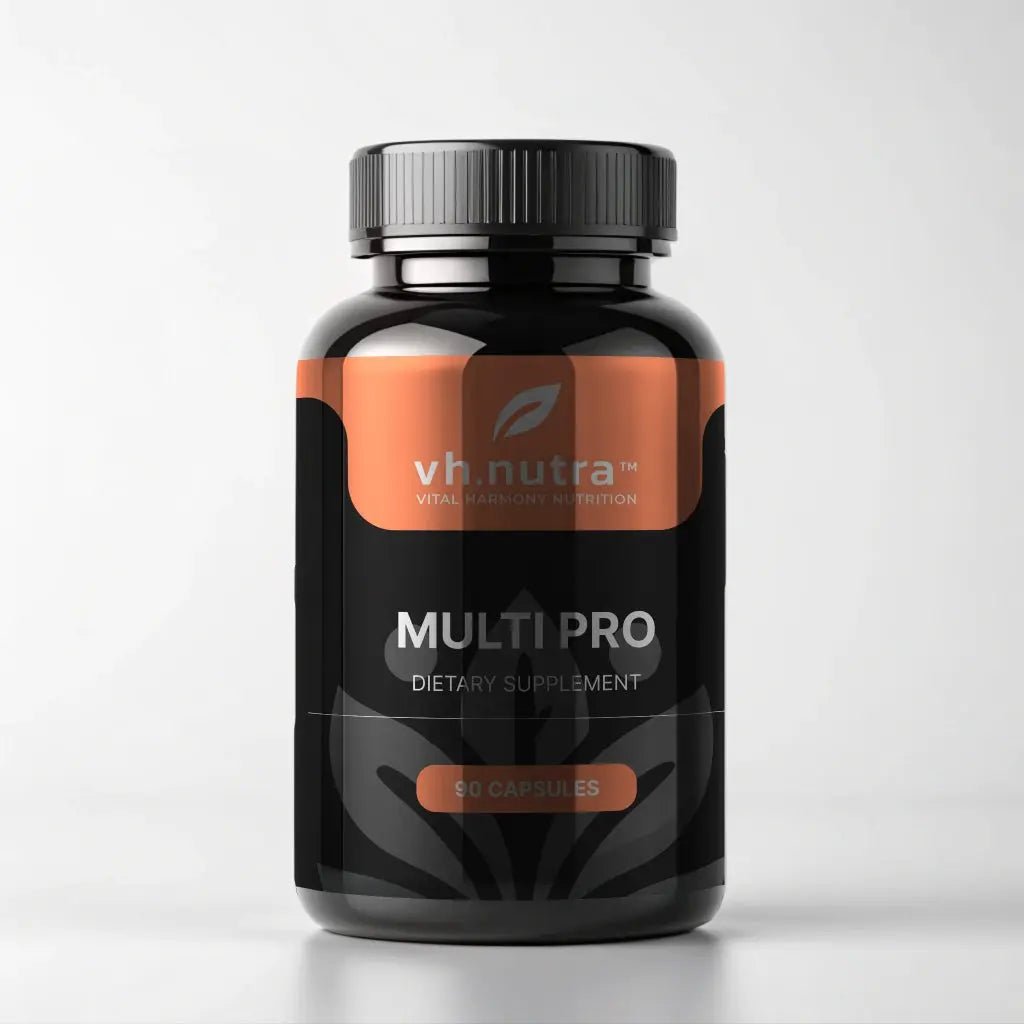
One of the most convenient ways to ensure the body gets copper along with other minerals is a balanced multivitamin and mineral complex. For example, VH.Nutra Multi Pro – a complete combination of vitamins and minerals in which copper is combined with zinc, iron, magnesium and B vitamins so that they complement each other.
Side effects and precautions
An excess of copper from food is practically impossible because the body regulates its absorption. However, excessively high doses of copper supplements can cause side effects – nausea, vomiting, abdominal pain or diarrhea. Acute copper poisoning is rare and is usually linked to very high doses or copper-containing solutions, not to ordinary supplements.
People with Wilson’s disease – a rare genetic disorder in which the body accumulates too much copper – should be especially careful. In that case, copper supplements must not be taken and copper intake in the diet must be strictly controlled. In all cases, before starting any mineral supplements, it is wisest to consult a doctor or pharmacist, especially if you already take medication or have chronic health conditions.
Diet: natural sources of copper
Copper is easiest to get from a varied diet, and some foods are true “deposits” of it. Among the best natural sources of copper:
- Liver and other organ meats – one of the richest sources of copper.
- Oysters and other seafood.
- Cashews and other nuts – sunflower seeds, almonds.
- Sesame and sunflower seeds.
- Mushrooms, especially shiitake.
- Dark chocolate and cocoa.
- Legumes – chickpeas, lentils, beans.
To make it clearer how much copper hides in common foods: a couple of oysters or a small portion of liver can provide several daily intakes, a handful of cashews (about 30 g) – about a third of the daily requirement, and dark chocolate, chickpeas and lentils – another solid portion each. If these foods appear regularly in the diet, the risk of copper deficiency remains very low even without any supplements.
According to the U.S. National Institutes of Health, a balanced diet containing nuts, seeds, legumes and whole grains usually meets copper needs without any supplements. You can find a detailed scientific overview of copper, its functions and recommended intakes in the NIH copper fact sheet.
FAQ: common questions
Can I be deficient in copper? Copper deficiency is rare, but more likely in people who have had stomach or intestinal surgery, those with celiac disease, or those taking very high doses of zinc for a long time. Symptoms can include fatigue, anemia, weakened immunity or nervous system disorders. If in doubt, it is worth consulting a doctor.
Does copper help skin and hair? Yes, indirectly. Copper is needed for collagen and melanin production, so it contributes to skin firmness and natural hair pigmentation. However, a bigger effect can only be expected when copper is actually deficient – for a healthy person, extra copper will not work miracles.
Can you overdose on copper? From food – practically no. The risk only arises from high supplement doses exceeding 10 mg per day, or in Wilson’s disease. Therefore, follow recommended doses and do not take copper supplements without a reason.
Is copper important for athletes? Yes, because it participates in energy production and oxygen transport – two processes on which endurance and recovery directly depend. However, athletes usually get enough copper from their diet, and it is only worth taking extra if a deficiency is found.
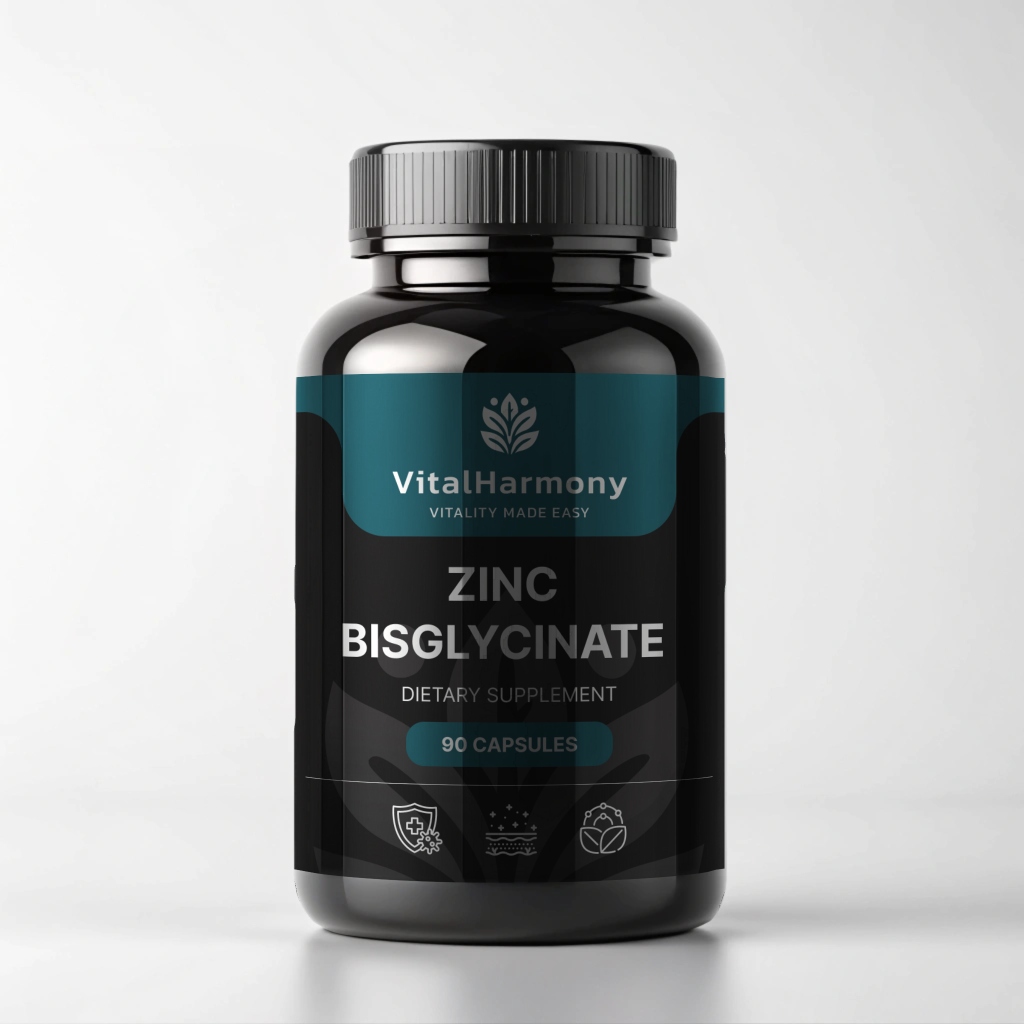
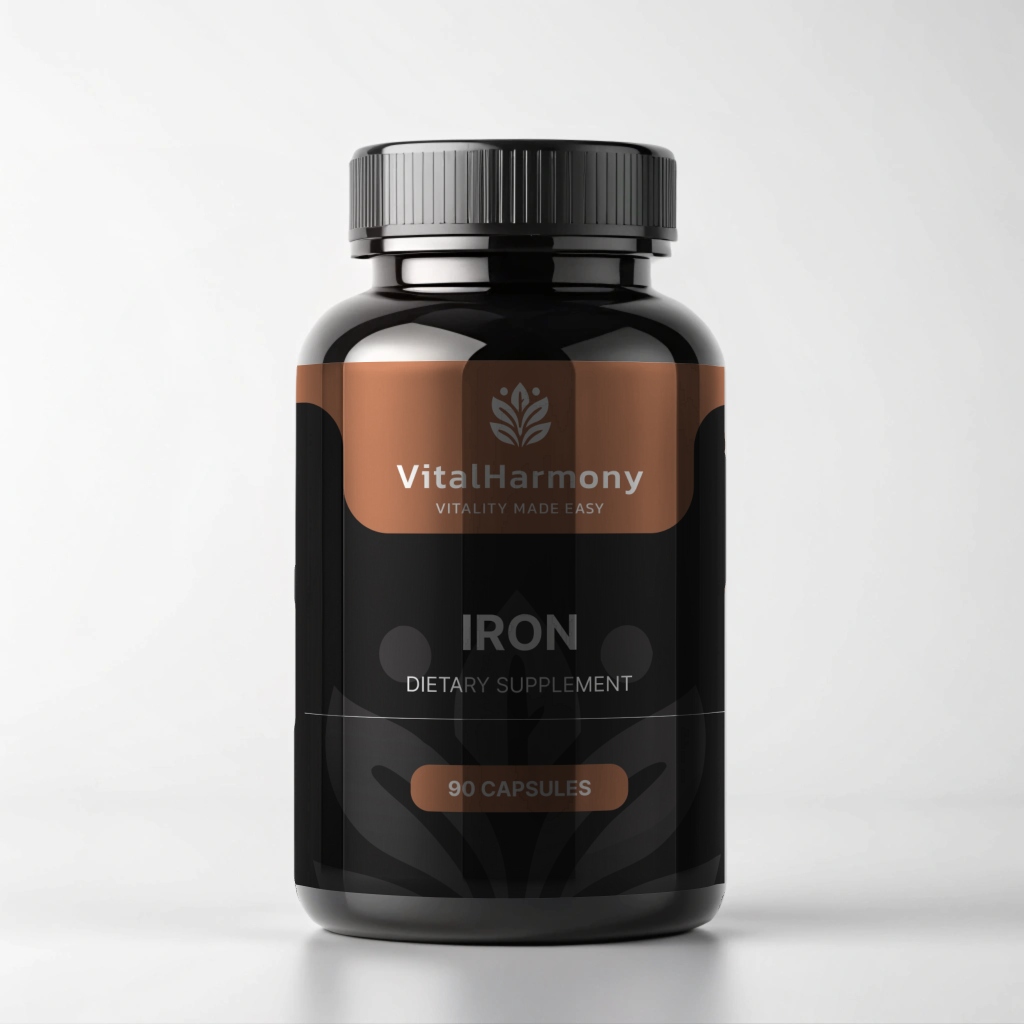
If you want to make sure the body gets copper along with other important minerals, take a look at VitalHarmony iron and VH.Nutra zinc bisglycinate – minerals that work in the same chain with copper and help maintain energy, blood formation and immunity.
Disclaimer: This information is for educational purposes only. Before starting to take supplements, consult your doctor or pharmacist.
Related articles
- Zinc – 7 benefits for immunity, skin and health
- Iron – 7 benefits for energy, immunity and health
- Collagen – 7 benefits for skin, joints and beauty