
Contents
In short:
- 5-HTP (5-hydroxytryptophan) is a natural amino acid and a direct serotonin precursor, obtained from the seeds of the African shrub Griffonia simplicifolia.
- In the body, 5-HTP is produced from the amino acid tryptophan and is then converted into serotonin, which regulates mood, sleep and appetite.
- Typical 5-HTP doses in supplements range from 50 to 200 mg per day, while higher doses are only taken after consulting a doctor.
- 5-HTP must not be combined with antidepressants (SSRIs, MAOIs), as this can lead to a dangerous serotonin syndrome.
5-HTP is a substance that is increasingly discussed when looking for natural ways to maintain good mood, restful sleep and balanced appetite. 5-hydroxytryptophan is a direct precursor of serotonin, often called the “happiness hormone”, so its effects are closely linked to mood regulation and nervous system balance. In this article we will review the seven most important benefits of 5-HTP, explain how this substance works in the body, what dose is considered appropriate, what side effects are possible, and which foods are rich in natural tryptophan – the substance from which 5-HTP is made.
Key takeaways
- 5-HTP is directly converted into serotonin, and serotonin into melatonin, so this substance is linked to both mood and sleep quality at the same time.
- The best-studied benefits of 5-HTP include improving mood, sleep quality, appetite control and help with migraines.
- The biggest risk of 5-HTP is combining it with antidepressants, so it is essential to consult a doctor before use.
What is 5-HTP?
5-HTP, or 5-hydroxytryptophan, is a naturally occurring amino acid in the body, which the body itself produces from the amino acid tryptophan. This conversion is catalysed by the enzyme tryptophan hydroxylase, and the process requires vitamin B6 as a cofactor. That is why 5-HTP is considered an intermediate link between tryptophan and serotonin – the main neurotransmitter responsible for regulating mood, sleep and appetite.
The 5-HTP used in supplements is usually extracted from the seeds of the African plant Griffonia simplicifolia, in which this substance naturally accumulates in large amounts. Compared with tryptophan, 5-HTP has one important advantage: it crosses the blood-brain barrier more easily and is not converted into other compounds, so a larger share of it reaches the brain and is turned into serotonin.
It is important to understand that 5-HTP is not a vitamin or a mineral – it is an intermediate product of amino acid metabolism. The body produces 5-HTP itself when it receives enough tryptophan from food, but this substance is taken as a supplement when the goal is to directly increase serotonin production for a specific purpose – for example, to support mood or sleep.
1. Supporting serotonin production
The main function of 5-HTP in the body is supporting serotonin production. Serotonin is a neurotransmitter that takes part not only in mood regulation, but also in controlling the sleep cycle, appetite, pain perception and gut function. Because the body does not store serotonin in a “reserve”, its level depends on continuous production – and this production requires a constant supply of precursors such as tryptophan and 5-HTP.
5-HTP acts here as a direct raw material: as soon as it reaches the brain, it is converted into serotonin with the help of an enzyme. This property explains why 5-HTP is often discussed alongside the amino acid tryptophan – both substances are part of the same serotonin pathway, but 5-HTP is one step closer to the final result.
2. Improving mood
Because serotonin is closely linked to emotional wellbeing, 5-HTP is most often studied specifically in the context of improving mood. Quite a few clinical studies have examined the effect of 5-HTP on low mood and depressive symptoms, and some of them showed that 5-HTP can help maintain a more stable emotional state, especially when serotonin levels in the body are low.
However, the study results are not clear-cut – some show a positive effect of 5-HTP, others only a weak effect or none at all. That is why 5-HTP is not considered a substitute for antidepressants, and its use to support mood should be discussed with a doctor. For a healthy person, 5-HTP can be useful as an additional measure alongside a balanced diet and a healthy lifestyle.
3. Improving sleep quality
Serotonin is not only a mood-regulating substance but also a sleep-regulating one – it is precisely from serotonin that melatonin, the so-called “sleep hormone”, is produced in the pineal gland. When taking 5-HTP, the body receives more raw material for serotonin production, which in turn can be converted into melatonin, helping to regulate the sleep-wake cycle.
Some studies show that 5-HTP can help you fall asleep faster and improve sleep depth, and this effect is especially relevant for people whose sleep rhythm is disrupted by stress or tension. If sleep is a concern, 5-HTP is often discussed alongside other substances for calm and sleep, such as GABA or melatonin.
4. Appetite control
Serotonin is involved in transmitting satiety signals in the brain, so a sufficient level of it is associated with better appetite control and a lower urge to overeat. Studies show that 5-HTP can increase the feeling of fullness after a meal and reduce the total amount of calories consumed, and this effect is usually linked precisely to an increase in serotonin levels.
Some studies have also observed that 5-HTP can reduce cravings for carbohydrates, which can be useful for those seeking to maintain a stable weight. However, 5-HTP is not a weight-loss product – it can only be a supportive measure alongside proper nutrition and physical activity. Read more about appetite regulation and satiety in the article on appetite control.
5. Reducing stress and tension
Serotonin helps regulate the stress response, so a sufficient level of it is associated with a calmer state of the nervous system and better resilience to tension. 5-HTP, by promoting serotonin production, can contribute to a milder feeling of stress and anxiety, especially when the tension is linked to mood swings or lack of sleep.
Some studies show that 5-HTP can help reduce anxiety symptoms and maintain emotional balance during stressful periods. However, it is important to understand that chronic stress often requires a comprehensive approach – sleep hygiene, physical activity and rest – and 5-HTP can be only one of the supportive measures in this chain.
6. Help with migraines
Serotonin imbalance has long been linked to the migraine mechanism – it is believed that during a migraine attack serotonin levels in the brain drop. That is why some studies have examined 5-HTP as a means to reduce the frequency and intensity of migraine attacks, and some of them showed a positive effect of 5-HTP for prevention.
Although research in this area is older and not always clear-cut, 5-HTP is still mentioned among the natural remedies sometimes considered by people who suffer from frequent headaches. If migraines are a persistent problem, 5-HTP is worth discussing with a doctor as a possible supportive measure, not as the main treatment.
7. Easing PMS symptoms
Premenstrual syndrome (PMS) is often linked to serotonin level fluctuations during the cycle, so 5-HTP has been studied as a means to ease the mood and appetite changes caused by PMS. Some studies showed that 5-HTP can help reduce symptoms such as irritability, sadness and increased cravings for carbohydrates.
Although there is still little evidence in this area, 5-HTP is sometimes mentioned among the natural remedies intended to ease premenstrual discomfort. As in other cases, 5-HTP should be used only after consulting a doctor, especially if PMS symptoms are severe or other medications are being taken.
How to take 5-HTP?
Typical 5-HTP doses in supplements range from 50 to 200 mg per day, and beginners are usually advised to start with a lower dose – for example, 50 mg – and gradually increase it while monitoring how they feel. Higher doses of 300 mg per day or more are taken only under medical supervision and only for a short time.
When is the best time to take 5-HTP? If the goal is sleep, 5-HTP is usually taken in the evening, about 30–60 minutes before bedtime. If the goal is to support mood during the day, the dose can be split into two parts and taken in the morning and evening. 5-HTP can be taken with or without food, but people with a sensitive stomach are better off taking it with food to reduce the risk of nausea.
How long to take it? 5-HTP is usually taken in short courses – up to a few weeks – and is not intended for long-term continuous use without medical supervision. The maximum safe dose without medical supervision is usually considered to be 200–300 mg per day, but the exact amount should always be determined individually. Follow the recommendations on the packaging and do not increase the dose on your own.
Side effects and precautions
The most common side effects of 5-HTP are nausea, bloating, heartburn, diarrhoea and drowsiness, and they usually occur when taking higher doses. In some people, 5-HTP can also cause dizziness or headache. These symptoms are usually mild and disappear when the dose is reduced or the supplement is stopped.
The biggest risk of 5-HTP is associated with combining it with antidepressants – SSRIs, MAOIs and other medicines that increase serotonin levels. Such a combination can cause a dangerous condition called serotonin syndrome, characterised by fever, rapid heart rate, confusion and muscle rigidity. 5-HTP is also not recommended during pregnancy and breastfeeding, and you should always consult a doctor before use. You can find more reliable information about 5-HTP in the official US National Library of Medicine (MedlinePlus) 5-HTP description.
Diet: natural sources of tryptophan
Although only small amounts of 5-HTP are obtained directly from food, the body produces it itself from tryptophan, which is abundant in many protein-rich products. By ensuring a sufficient amount of tryptophan in the diet, the body has the raw material to produce serotonin naturally.
- Turkey and chicken – protein-rich poultry in which tryptophan is abundant and well absorbed.
- Fish – salmon, tuna and other fatty fish are a good source of tryptophan.
- Eggs – especially egg whites have a high tryptophan concentration.
- Dairy products – milk, cheese and yogurt also contribute to the daily tryptophan intake.
- Nuts and seeds – walnuts, almonds, pumpkin and sunflower seeds are a good plant-based source.
- Banana and oats – these products contain less tryptophan, but they help maintain overall balance.
- Legumes – lentils, beans and soy products supplement the plant-based tryptophan intake.
FAQ: common questions
What is the difference between 5-HTP and tryptophan? Tryptophan is an amino acid, while 5-HTP is its metabolic product, which is formed in the body from tryptophan and is one step closer to serotonin. 5-HTP crosses the blood-brain barrier more easily, so a larger share of it reaches the brain.
What dose of 5-HTP is appropriate? Usually 50 to 200 mg per day is taken, starting with a lower dose. Doses above 300 mg are taken only under medical supervision and only for a short time.
Can 5-HTP be taken with antidepressants? No. Combining 5-HTP with SSRIs, MAOIs or other medicines that increase serotonin levels can cause a dangerous serotonin syndrome. Always consult a doctor before taking 5-HTP.
When is the best time to take 5-HTP? To improve sleep, 5-HTP is taken in the evening, about 30–60 minutes before bedtime. To support mood, the dose can be split and taken in the morning and evening.
Does 5-HTP help you lose weight? 5-HTP can increase the feeling of fullness and reduce carbohydrate cravings, but it is not a weight-loss product. A balanced diet and physical activity are the most important things for weight control.
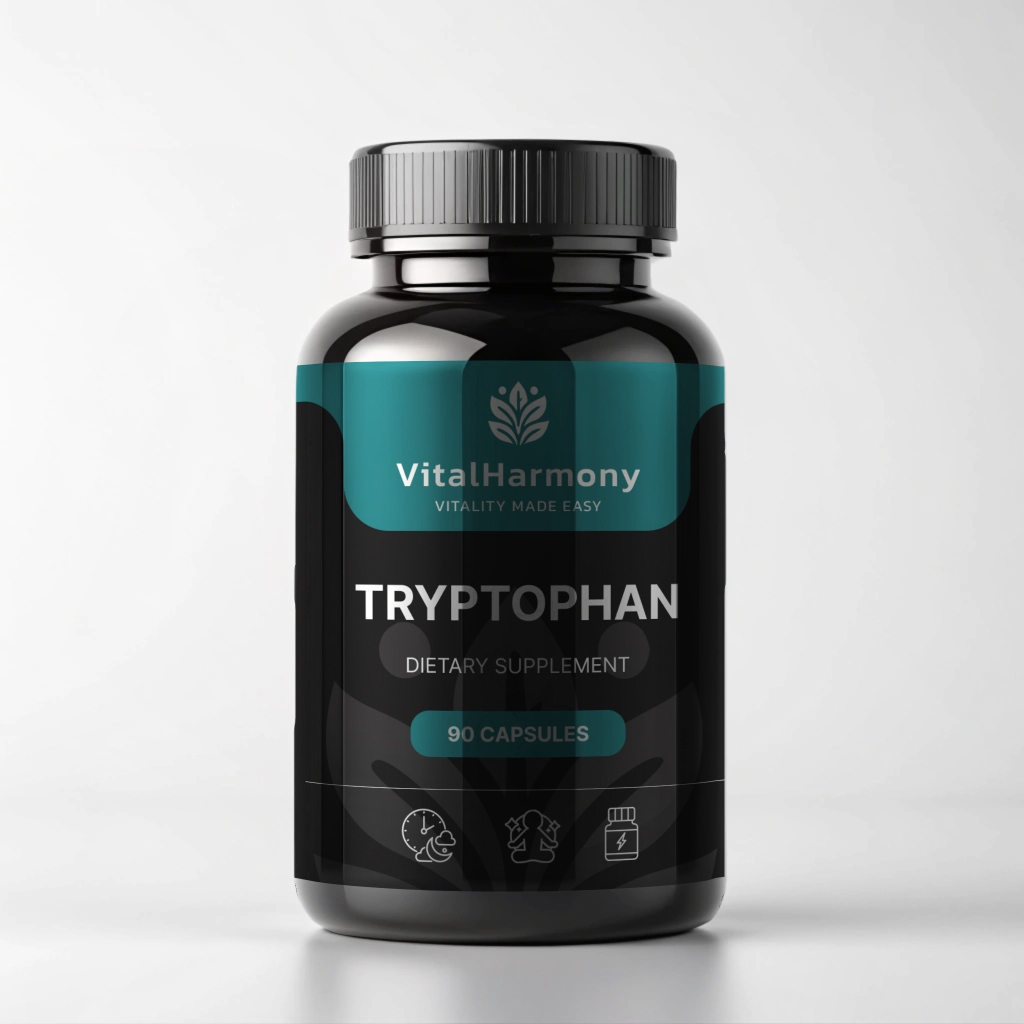
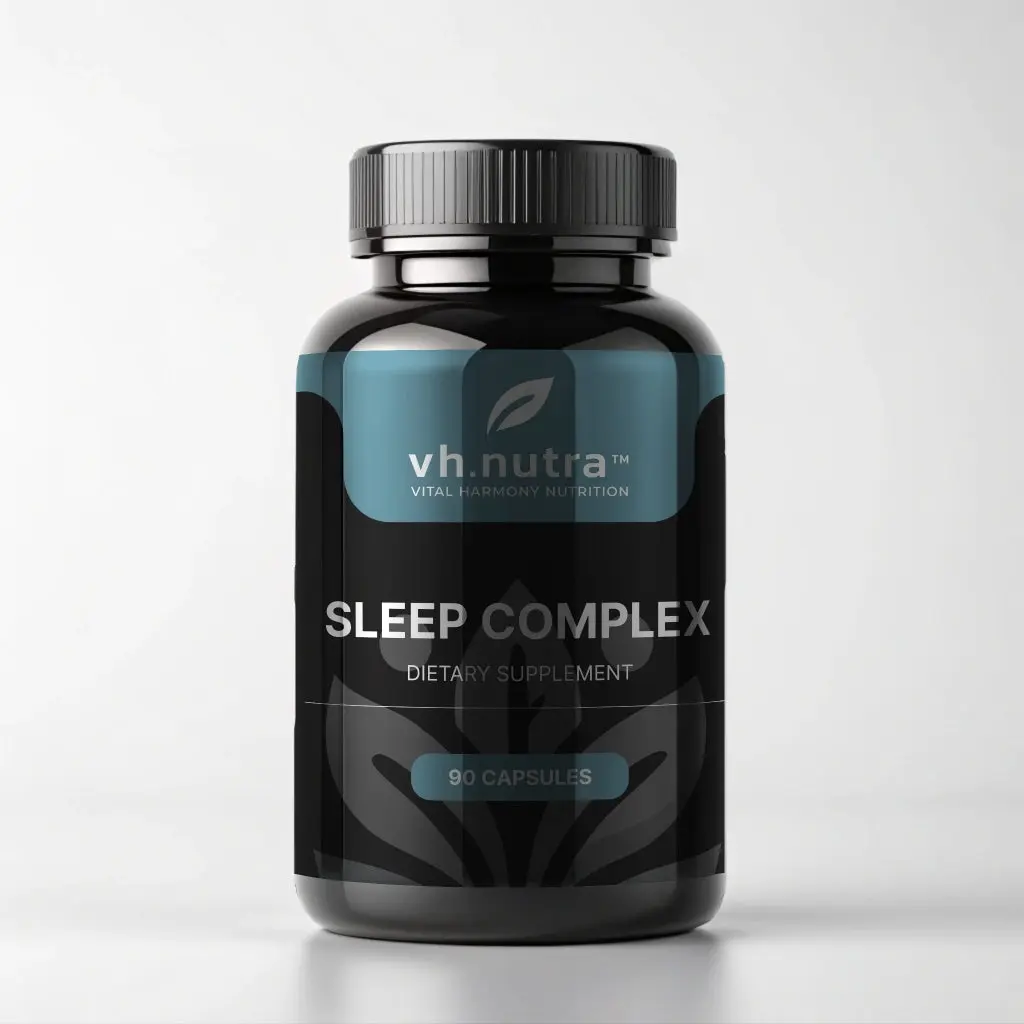
5-HTP is linked to serotonin production, and this neurotransmitter is responsible for both mood and sleep. If you want to naturally support serotonin production, it is worth considering VH.Nutra Tryptophan – tryptophan is the natural precursor of 5-HTP, from which the body produces the required amount itself. And if restful sleep is the main goal, VH.Nutra Sleep Complex combines passionflower, valerian and lemon balm extracts, which are traditionally used to support sleep quality.
Disclaimer: This information is for educational purposes only. Before taking any supplements, consult a doctor or pharmacist.
Related articles
- Tryptophan – 7 benefits for mood, sleep and the nervous system
- GABA – 7 benefits for calm, sleep and emotional health
- Melatonin – 7 benefits for sleep, health and relaxation