
Table of Contents
Vitamin D — often called the “sunshine vitamin” — plays a far greater role than many people realize. While its main reputation is tied to bone health and calcium absorption, research shows that adequate vitamin D levels in the body can influence the immune system, mood, muscles, cardiovascular health, and even longevity. Why Vitamin D Is So Important
In this article, we will discuss what vitamin D is truly needed for, which health issues it helps reduce, when supplementation is worth considering, and what you should know.
Why Vitamin D Is So Important
1. Supporting Strong Bones and Teeth
Vitamin D is crucial for the absorption of calcium and phosphorus — thanks to these minerals, our bones and teeth become stronger, and bone mineralization occurs efficiently.
Furthermore, if vitamin D is deficient, the body can only absorb a portion of the calcium it needs — this poses a risk of soft, weaker bones, a higher risk of fractures, and a greater danger of osteoporosis and osteomalacia.
2. Contributing to the Normal Function of the Immune System
Vitamin D contributes to the normal function of the immune system.
Adequate vitamin D levels can lower the risk of respiratory tract infections.
3. Muscle Function and Physical Activity
Adequate vitamin D levels are important not only for bones — they help maintain muscle strength and function. This is especially relevant for older adults to reduce the risk of falls and injuries.
4. Mood, Mental Health, and Immune–Metabolic Balance
Vitamin D can influence mood and mental well-being — its deficiency is often linked to fatigue, low mood, and seasonal depression (especially during cold and darker times of the year).
There are studies suggesting a potential role for vitamin D in regulating metabolism and inflammatory processes.
5. Additional Protection: Cardiovascular Health, Chronic Diseases, Long-Term Well-Being
Vitamin D has many more functions than just bone health — it affects cells throughout the body, so adequate levels can help reduce the risk of various diseases: from chronic inflammation to certain types of cancer, cardiovascular diseases, and overall mortality.
Supplementation is usually most beneficial for those with low vitamin D levels.
Who Should Pay Particular Attention (When Vitamin D Is Deficient)
- Those living in areas with little sunlight — such as Lithuania.
- People who spend a lot of time indoors, work in offices, avoid the sun, or constantly use SPF.
- Older adults — higher risk of fractures and osteoporosis.
- Individuals with restricted diets (low intake of fish, eggs, animal-derived products).
- Athletes — to support muscle, bone, and joint health.
When and How to Supplement — Sun, Food, or Supplements?
- Sunlight: the skin synthesizes vitamin D in response to UVB rays, but climate, season, and SPF use significantly limit this.
- Food: fatty fish (salmon, mackerel, sardines), egg yolks, certain mushrooms, fortified products.
- Supplements: relevant during the cold season or when sunlight is scarce. The D3 form is most commonly recommended — it is absorbed more effectively.
Important: excessive vitamin D intake can cause hypercalcemia, so you should not exceed recommended doses unnecessarily.
Conclusions
Vitamin D is one of the most versatile and vital micronutrients. It is responsible not only for bone and teeth strength but also for overall body resilience, muscle condition, mood, and long-term health.
In Lithuania, where sunlight is scarce, especially during autumn–winter, it is worth monitoring your vitamin D levels and — if needed — supplementing. This can significantly improve well-being, energy, and overall health.
Get Your Vitamin D3 Supplements from Us
-
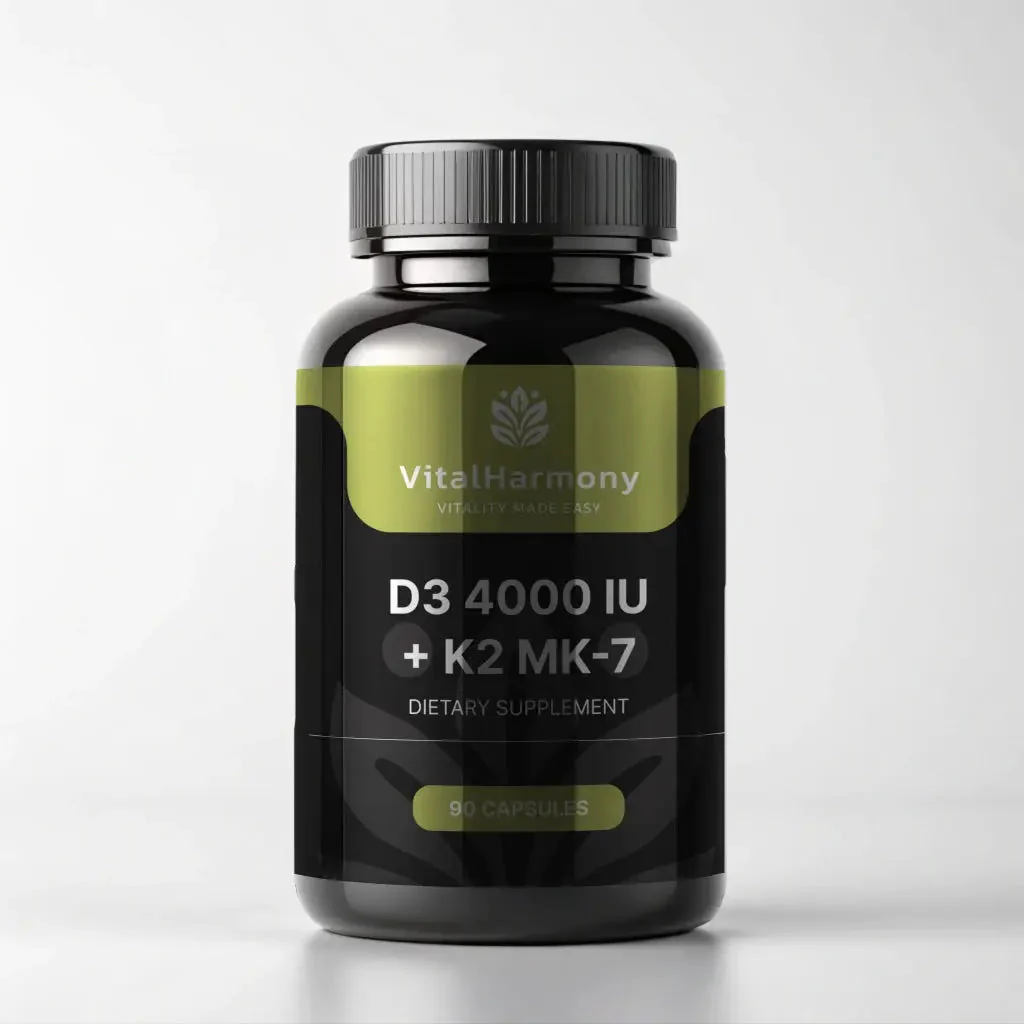
VitalHarmony Vitamin D3 4000 IU + K2 MK-7 – High-Strength Bone and Immune Support
Add to cartOriginal price was: 15,99 €.5,89 €Current price is: 5,89 €. incl. VAT -
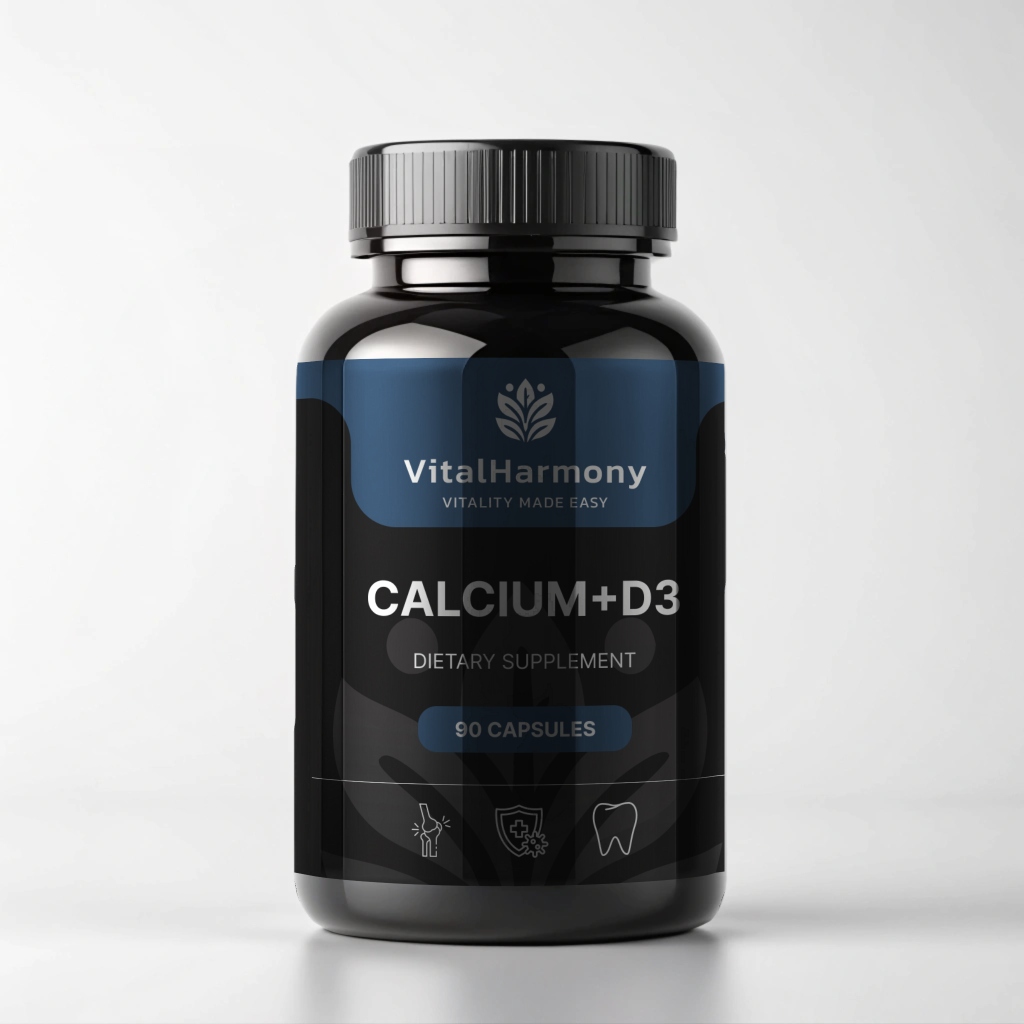
VitalHarmony Calcium + D3 – Strong Bones and Immune Support
Add to cartOriginal price was: 13,79 €.4,98 €Current price is: 4,98 €. incl. VAT -
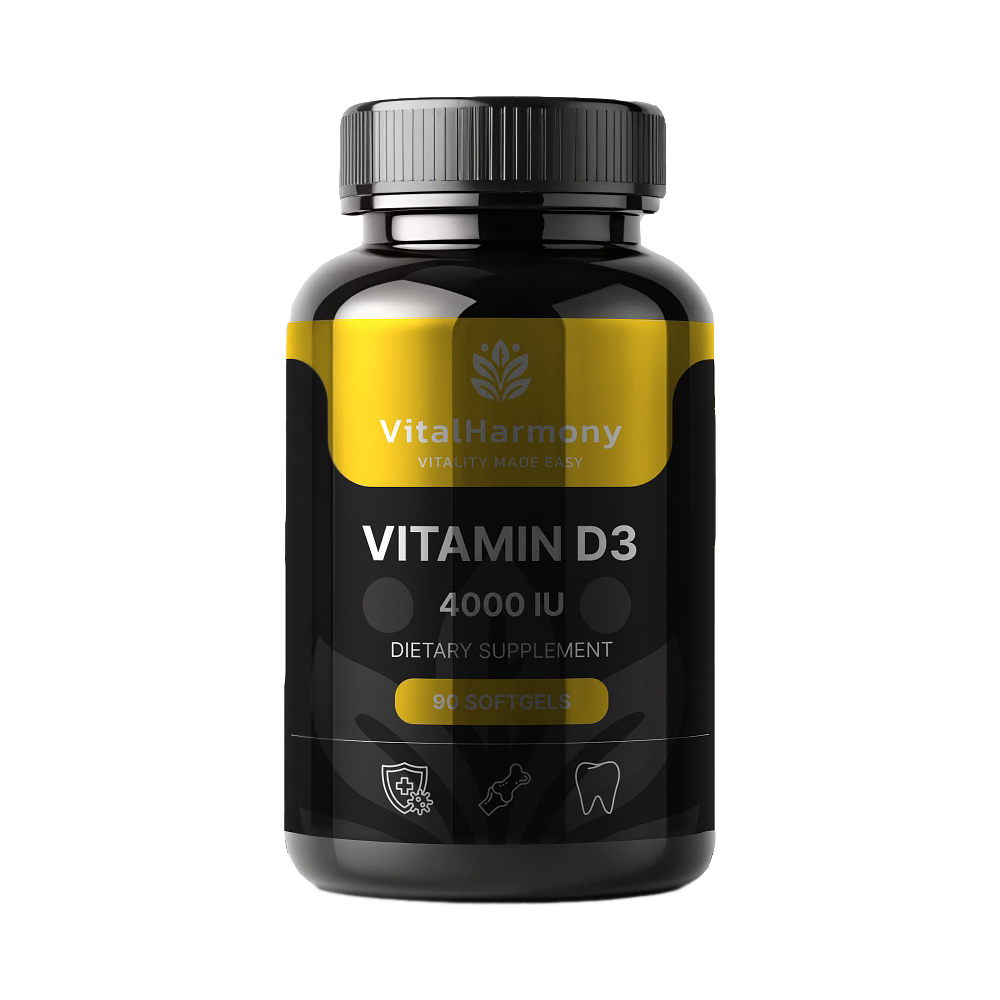
VitalHarmony Vitamin D3 4000 IU
Add to cartOriginal price was: 11,36 €.6,89 €Current price is: 6,89 €. incl. VAT