Vitamin B12 is a water-soluble B vitamin that your body needs for energy metabolism, nervous system protection, and red blood cell formation. This vitamin is stored in the liver, which is why deficiency symptoms often appear only after several years. If you constantly feel tired, find it harder to focus, or your hands go numb, it is worth checking your vitamin B12 levels in the blood. Quality vitamin B12 supplements can help restore this vitamin’s stores and bring back your energy and mental clarity.
Key Takeaways
- Vitamin B12 — essential for energy metabolism, the nervous system, and red blood cell formation
- Deficiency develops slowly — symptoms can appear after 2–5 years because stores are kept in the liver
- At-risk groups — vegans, vegetarians, people over 50, and long-term metformin users
- Daily requirement — adults are recommended 2.4 micrograms; supplements help ensure a sufficient intake
Contents
What Is Vitamin B12?
Vitamin B12, scientifically known as cobalamin, is the only B vitamin whose molecule contains a metal atom — cobalt. This is exactly why the compound got its name. The human body cannot synthesize this vitamin on its own — it can only be obtained from animal-based foods or supplements. Cobalamin exists in several forms: cyanocobalamin — the synthetic, most stable form commonly used in supplements, and methylcobalamin and adenosylcobalamin — the active forms that cells use directly.
In food, vitamin B12 is found mostly in meat, fish, shellfish, eggs, and dairy products. Plant-based foods contain practically no cobalamin, which is why vegans and vegetarians need to monitor their intake especially carefully. Cobalamin is the only B vitamin that the body can store for several years — an adult’s liver can hold a 2–5 year reserve of this vitamin. Read more about the whole B vitamin family in our article on B vitamins’ benefits for energy and the nervous system.
1. Energy Metabolism Without Fatigue
Vitamin B12 is one of the key compounds that help the body turn food into usable energy. Cobalamin participates in carbohydrate, fat, and protein metabolism in the mitochondria — the cells’ powerhouses. Without a sufficient amount of vitamin B12, these processes slow down, leading to fatigue, weakness, and a lack of energy even after a full night’s rest. The European Food Safety Authority (EFSA) has confirmed that this vitamin contributes to normal energy metabolism and helps reduce tiredness.
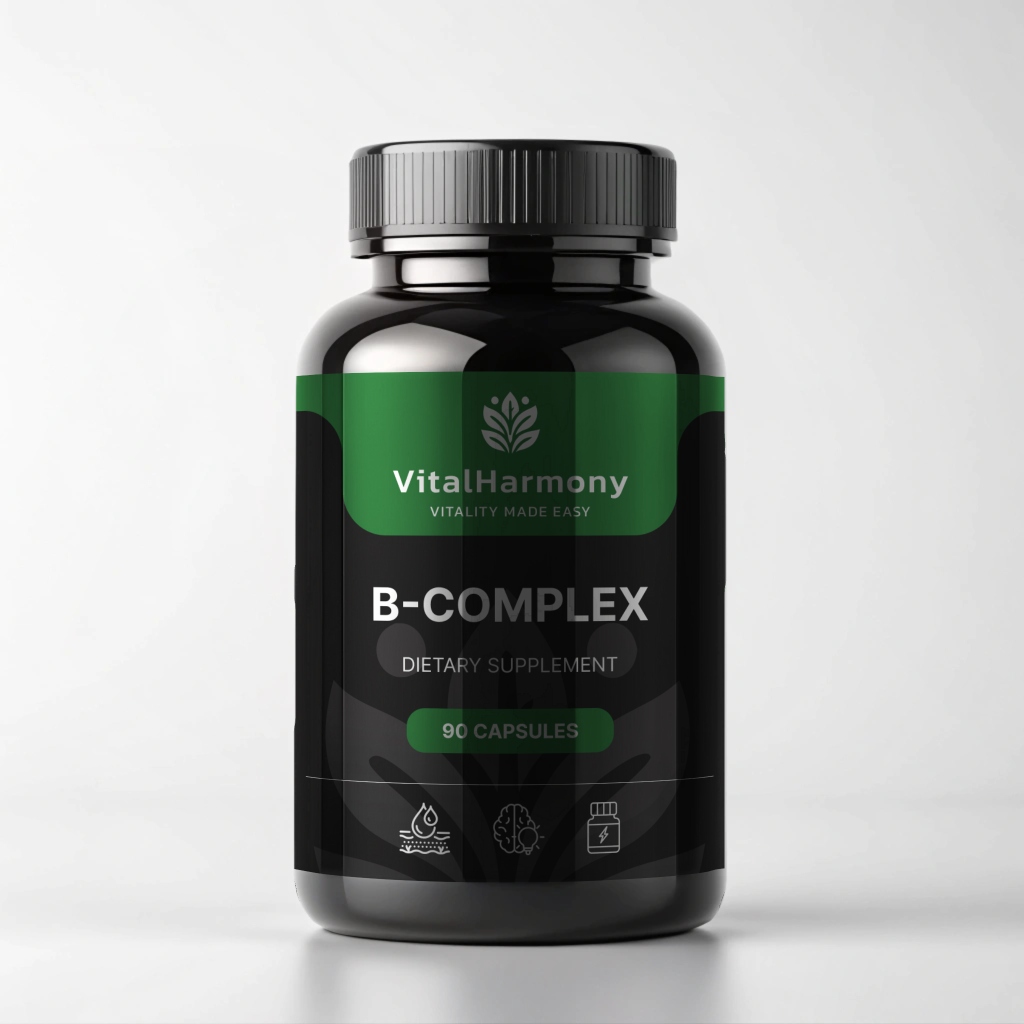
Constant fatigue is the most common symptom of vitamin B12 deficiency — almost everyone with insufficient levels of this vitamin experiences it. If your lack of energy lasts for several weeks, it is worth reviewing your diet and considering supplements. For example, VH.Nutra B-Complex — B group vitamin complex provides vitamin B12 together with other B vitamins that work synergistically in energy metabolism.
2. Nervous System Protection and Support
Cobalamin is essential for the production of myelin — the fatty layer that insulates nerve fibers and ensures fast signal transmission. That is why vitamin B12 directly affects nervous system health: without it, nerve impulses travel more slowly, and tingling, numbness, or a burning sensation in the limbs may appear. EFSA has confirmed that this vitamin contributes to normal nervous system function.
Long-term vitamin B12 deficiency can cause irreversible nerve damage, so neurological symptoms are a serious signal to see a doctor. In older people, absorption of this vitamin naturally decreases — the stomach produces less intrinsic factor, the protein needed for cobalamin absorption. This benefit is therefore especially relevant for people over 50, for whom doctors often recommend additional cobalamin intake.
3. Red Blood Cell Formation
Vitamin B12, together with folic acid and iron, is essential for normal blood formation — the production of red blood cells in the bone marrow. Without this vitamin, red blood cells become large, immature, and non-functional — megaloblastic anemia develops, with fatigue, paleness, and shortness of breath as its main symptoms. EFSA has confirmed that cobalamin contributes to normal red blood cell formation.
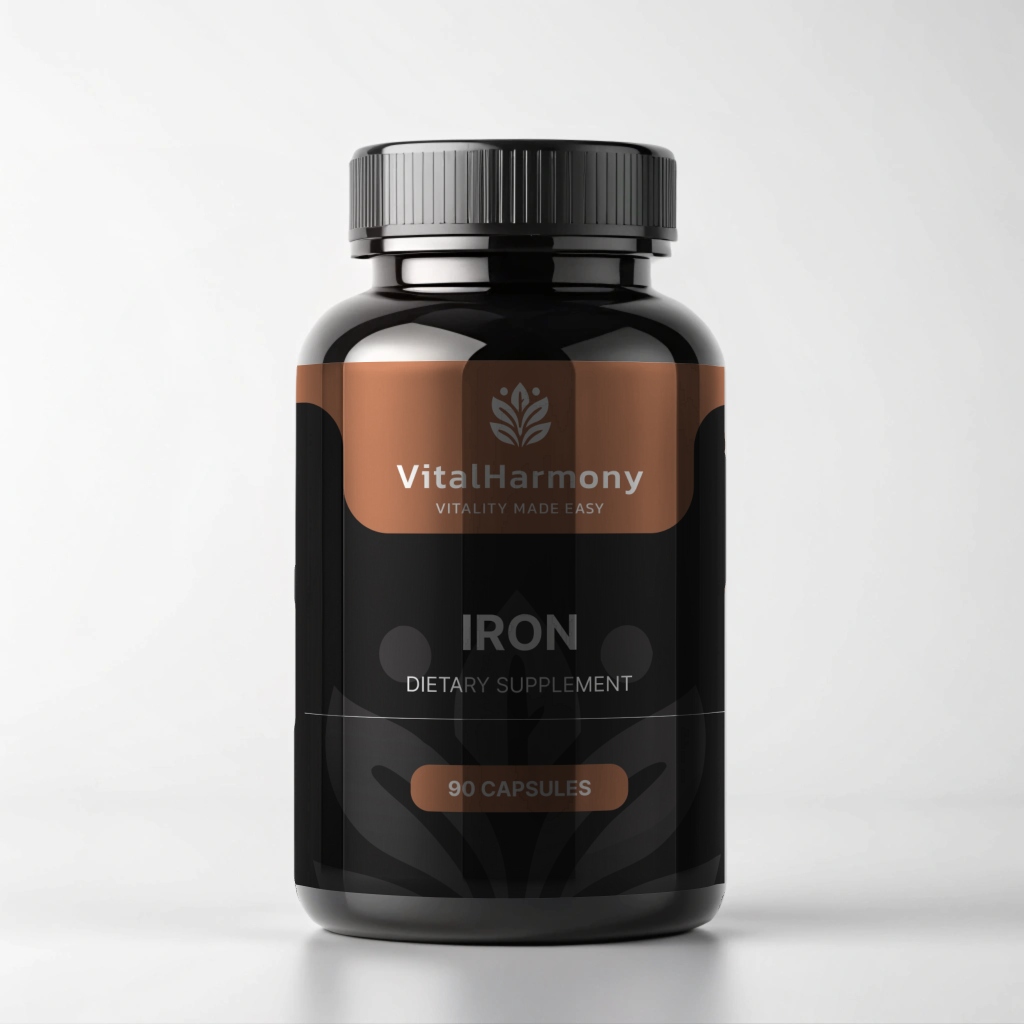
Anemia caused by vitamin B12 deficiency is often confused with iron-deficiency anemia, so it is worth getting a blood test before choosing supplements. If both substances are lacking, combining them works well: for example, VitalHarmony Iron 79 mg together with a vitamin B12 supplement helps restore the substances needed for hemoglobin production. Learn more about iron deficiency signs and solutions in our article on how to choose iron supplements.
4. Brain Function and Memory
The brain is one of the biggest consumers of vitamin B12 in the body. This vitamin supports neurotransmitter synthesis and protects neurons from oxidative stress. Studies link low cobalamin levels with memory problems, difficulty concentrating, and reduced mental clarity in older age. Vitamin B12 is also important for learning — without it, absorbing new information becomes harder.
Although vitamin B12 does not treat dementia, adequate levels of cobalamin help maintain cognitive function and slow age-related decline in brain performance. For people who feel brain fog or struggle to concentrate during long working days, it is worth checking their cobalamin levels in the blood. Find more about supporting cognitive function in the article supplements for memory and concentration in adults.
5. Homocysteine Regulation for the Heart
Vitamin B12, together with folic acid and vitamin B6, participates in the metabolism of homocysteine — an amino acid whose excess is associated with the risk of heart and blood vessel disease. A sufficient intake of these vitamins helps maintain normal homocysteine levels in the blood. EFSA has confirmed that cobalamin contributes to normal homocysteine metabolism.
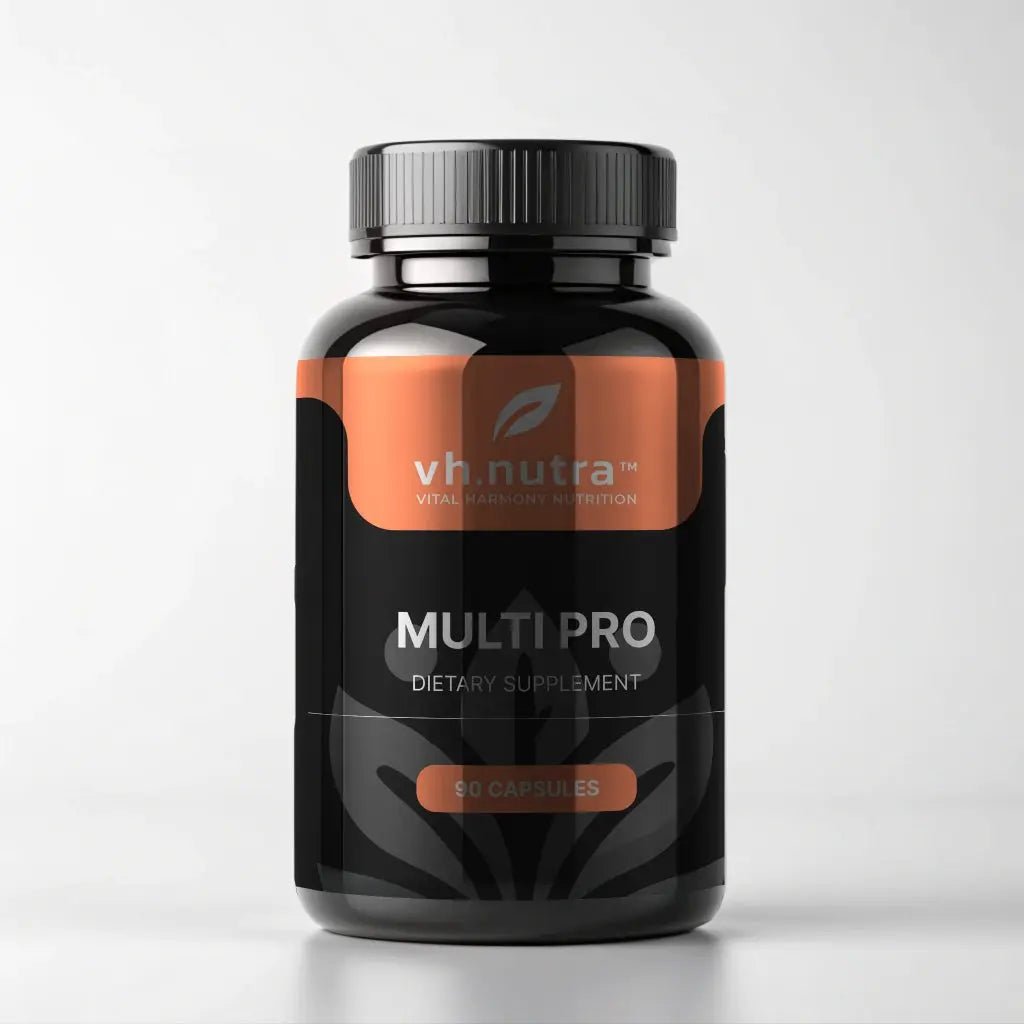
Homocysteine regulation is especially important for older people and those with a family history of heart disease. For people who do not consume enough animal-based food, a full B-complex may be beneficial. For example, VH.Nutra Multi Pro — multivitamin complex with B vitamins, including vitamin B12, additionally provides zinc, iron, and magnesium.
6. DNA Synthesis and Cell Division
Cobalamin is essential for DNA synthesis and cell division — without it, cells cannot properly copy genetic material. This process is especially intense in rapidly dividing tissues: the bone marrow, intestinal lining, and skin. That is why vitamin B12 deficiency often shows up not only in blood formation but also in digestive issues — tongue inflammation, mouth sores, or intestinal discomfort.
For pregnant women, adequate cobalamin levels are especially important because fetal cells divide very rapidly — B12 deficiency during pregnancy is linked to an increased risk of neural tube defects. Vitamin B12 is also important for the production of immune system cells, so sufficient levels of this vitamin indirectly support the body’s defenses as well.
7. Mood and Emotional Balance Support
Vitamin B12 participates in the synthesis of serotonin and dopamine — the neurotransmitters that regulate mood. Low levels of this vitamin are associated with poorer mood, irritability, and even depressive symptoms, especially in older adults. EFSA has confirmed that cobalamin contributes to normal psychological function.
Although vitamin B12 is not an antidepressant, balanced cobalamin levels help maintain emotional balance. For people who experience mood swings and constant stress, it is worth assessing not only B12 but also the need for a full B-complex. Correcting cobalamin deficiency often helps improve overall well-being within a few weeks.
How to Take Vitamin B12?
Recommended dose: 2.4 micrograms per day for adults. This daily requirement is set by the US National Institutes of Health (NIH). Pregnant women are recommended 2.6 micrograms, breastfeeding women — 2.8 micrograms per day.
When to take: vitamin B12 can be taken at any time of day — it is water-soluble and does not depend on dietary fats. Some people feel a slight boost after taking it, so if you notice this effect, it is better to take it in the morning. Cobalamin tablets or capsules are often taken on an empty stomach for better absorption.
Duration of use: if a deficiency is confirmed by tests, a course usually lasts 1–3 months, followed by a maintenance dose. Liver stores build up slowly, so consistency matters more than large single doses.
Maximum safe dose: no upper limit has been established — the body excretes the excess in urine. Supplements commonly contain 50–1000 microgram doses. StayStrong offers VH.Nutra B-Complex — a complete B vitamin complex with vitamin B12 in a single capsule.
Possible Side Effects
Vitamin B12 is considered safe and well tolerated even in high doses because the excess is excreted in urine. In rare cases, mild digestive symptoms may occur — nausea or stomach discomfort. Allergic reactions are extremely rare, but if a rash or swelling appears — stop taking it and consult a specialist.
People taking blood-thinning medication or those with kidney disease should consult a doctor before starting high cobalamin doses. It is also important to know: if a deficiency is confirmed but supplements do not help, the problem may be in absorption — in that case injections or high-dose sublingual forms prescribed by a doctor are needed.
Vitamin B12 and Energy — What’s Important to Know?
“Vitamin B12 gives you energy” — a phrase you hear often, but there is a nuance here. Cobalamin does not replace sleep or rest — it helps the body use food energy efficiently. If your energy deficit comes from a lack of this vitamin, supplements will definitely help, but if your B12 levels are normal, do not expect a miracle energy boost. Vitamin B12 is not a stimulant like caffeine — its effect unfolds gradually, as normal metabolism is restored.
Before starting any supplements for fatigue, it is worth checking not only B12 but also iron, vitamin D, and thyroid hormones — fatigue has many causes, and supplements only work when a deficiency really exists. For practical tips on restoring energy naturally, see the article how to restore energy naturally every day.
Frequently Asked Questions
Can I get enough vitamin B12 from plant-based food?
Plant-based foods contain practically no vitamin B12, except for artificially fortified products such as some plant drinks or breakfast cereals. Vegans and vegetarians are strongly advised to take supplements or regularly consume fortified foods.
When will I feel the effect after starting?
The first changes in fatigue and well-being are usually felt after 2–4 weeks, and blood markers normalize within 1–2 months. Neurological symptoms such as numbness take longer to treat — sometimes several months.
What is the difference between cyanocobalamin and methylcobalamin?
Cyanocobalamin is the synthetic, stable form most commonly used in supplements; the body converts it into the active forms. Methylcobalamin is already an active form that cells use directly. Both forms are effective — for example, VH.Nutra B-Complex contains vitamin B12.
Is it worth combining vitamin B12 with other supplements?
Yes — cobalamin pairs well with folic acid, iron, and vitamin D. This combination is especially relevant for vegetarians, who often experience deficiencies of several nutrients at once.
Disclaimer: This information is for educational purposes only and cannot replace professional medical advice. Before starting any dietary supplements, always consult your doctor or pharmacist.