Iron: 7 Benefits for Energy, Immunity and Health
Iron is an essential mineral responsible for oxygen transport in the blood, energy production and a strong immune system. Discover its benefits, dosage and best sources.
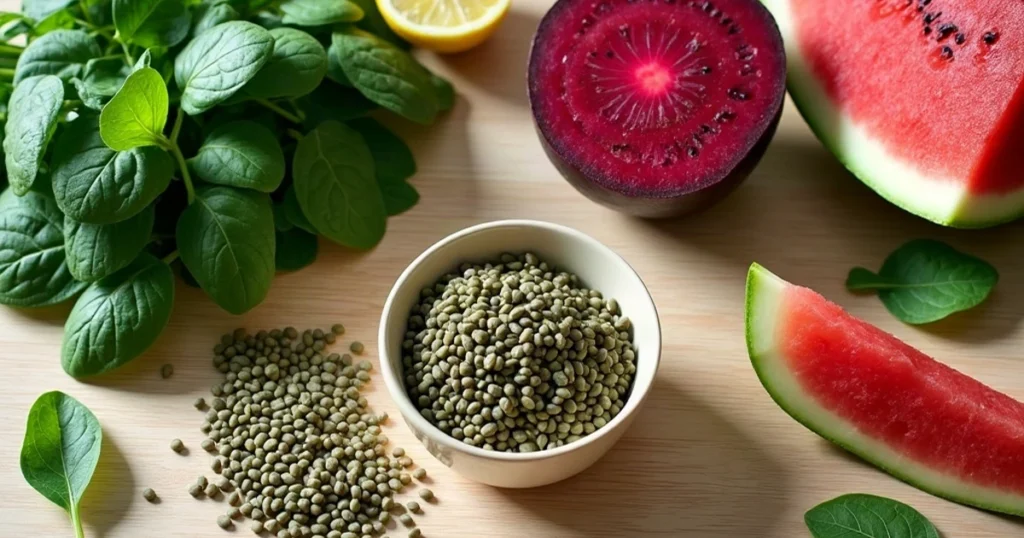
Iron is an essential mineral responsible for oxygen transport in the blood, energy production and a strong immune system. Discover its benefits, dosage and best sources.

Milk thistle is one of the most researched plants for liver health. Discover how silymarin supports liver detoxification, protection and overall well-being.

BCAA — three essential amino acids (leucine, isoleucine and valine) essential for muscle growth and recovery. Learn about their benefits, dosage and the best time to take them.

Matcha — specially grown and finely ground green tea leaves powder, rich in antioxidants and L-theanine. Learn the 7 most important matcha benefits, dosing and usage tips.
Inosine – a compound that supports energy production and endurance. Learn how inosine affects the heart, muscles and athletic performance, and what the recommended dosage is.
Lecithin – a natural source of phospholipids essential for brain, liver and heart health. Learn about its benefits, dosage and best sources.

Tribulus (Tribulus terrestris) is a spiny plant used for centuries to support vitality, sports performance and hormonal balance. Learn the 7 most important tribulus benefits and how to take it correctly.
Sodium butyrate is a short-chain fatty acid and the main energy source for intestinal cells. Discover its benefits, recommended dosage, and how to use it correctly.

Tryptophan is an essential amino acid and the main precursor of serotonin, directly affecting mood and sleep. Discover the 7 key benefits of tryptophan and how to use it correctly.

Lion’s Mane (Hericium erinaceus) is a medicinal mushroom known for its benefits to the brain, focus, and nervous system. Discover its benefits, dosage, and how to take it correctly.