Table of Contents
In brief:
- Vitamin C — one of the most important vitamins for immunity, skin, and energy. Your body cannot produce it on its own, so it must be obtained through food or supplements.
- As many as 42% of people don’t get enough vitamin C from their diet. Smokers, athletes, and older adults have an even higher requirement.
- The best form for most people — ascorbic acid in capsules. It’s effective, well-absorbed, and affordable.
- Vitamin C not only strengthens immunity but also helps produce collagen, improves iron absorption, and acts as a powerful antioxidant.
- Overdosing is difficult — excess vitamin C is eliminated through urine. However, more than 2000 mg per day may cause digestive discomfort.
Vitamin C — probably the most frequently mentioned vitamin when we talk about immunity and health. But did you know that it does much more than just help fight off a cold? In this article — 5 scientifically backed facts that will change the way you view this vitamin, and practical tips on how to choose the most suitable form.
Key Takeaways
- Vitamin C is needed not only for immunity — it is essential for collagen production, iron absorption, and antioxidant protection.
- Recommended daily dose — 250–500 mg. For athletes and smokers — up to 1000 mg.
- Ascorbic acid is the most effective and most economical form of vitamin C.
5 Facts About Vitamin C Benefits
Most people know that vitamin C helps when you have a cold. But that’s only a small part of what it actually does in your body. Here are five facts backed by research.
First, vitamin C is one of the strongest antioxidants in your body. It neutralizes free radicals — unstable molecules that damage cells and accelerate aging. The more stress, pollution, or UV rays you are exposed to, the more antioxidants you need.
Second, vitamin C is essential for collagen production. Collagen is a protein that makes up about 30% of all proteins in the body. It is responsible for skin firmness, joint flexibility, and blood vessel strength. Without vitamin C, the body simply cannot synthesize collagen.
Third, vitamin C significantly improves iron absorption from plant-based foods. If you eat spinach, lentils, or beans — add vitamin C-rich foods or supplements to get the maximum benefit. This combination is especially important for vegetarians and vegans.
Fourth, vitamin C helps maintain energy levels. It participates in the synthesis of carnitine — a molecule that transports fatty acids into mitochondria for energy production. Without sufficient vitamin C, you may feel more tired than usual.
Fifth, vitamin C supports nervous system function. It participates in the production of neurotransmitters — dopamine and noradrenaline — which affect mood, motivation, and concentration.
Vitamin C Forms: Which One Is Right for You?
Not all vitamin C supplements are the same. On the market, you’ll find several main forms, and each has its own advantages. Here’s what you need to know before buying.
Ascorbic acid — the purest and most researched form. It is effective, quickly absorbed, and the cheapest. The only downside — it may slightly irritate a sensitive stomach. If you don’t have digestive issues, this is the best choice.
Buffered vitamin C (calcium ascorbate, sodium ascorbate) — a gentler form, mixed with minerals, so it is less acidic. An excellent choice if you have a sensitive stomach or are prone to heartburn. It is absorbed just as well as ascorbic acid.
Liposomal vitamin C — the most expensive but also the best-absorbed form. Here, vitamin C is “packaged” into fatty vesicles that protect it from stomach acid and allow it to enter the bloodstream directly. Suitable if you need higher doses or want maximum effect.
For simple daily use, ascorbic acid in capsules works perfectly for most people — simple, effective, and affordable.
Vitamin C and Immunity: What the Science Says
This is probably the most common reason why people start taking vitamin C. And not without reason — scientific research confirms that it truly helps the immune system.
According to the US National Institutes of Health, vitamin C accumulates in various immune cells — neutrophils, lymphocytes, and phagocytes. It helps these cells fight pathogens more effectively and protects them from the oxidative damage caused by the immune response itself.
A 2013 meta-analysis of 29 studies showed that regular vitamin C intake (at least 200 mg per day) shortens the duration of colds by an average of 8% in adults and 14% in children. For physically active individuals, the effect is even greater — the risk of catching a cold is cut in half.
It’s important to understand: vitamin C does not protect against colds 100%, but it helps the body deal with them faster. It’s best to take it regularly, not only when you start feeling sick.
Vitamin C for Skin and Collagen Production
If you care about your skin health, vitamin C should be at the top of your list. But not as a cream — rather as a dietary supplement that works from the inside.
Collagen synthesis is a complex process, and vitamin C plays an essential role in it. It acts as a cofactor for enzymes that link amino acids into collagen fibers. Without it, this process simply doesn’t happen — no matter how much collagen you get from food.
In addition, vitamin C protects the skin from UV-induced damage. It is not a sunscreen, but it acts as an antioxidant, reducing signs of photoaging — wrinkles, age spots, and loss of skin elasticity.
That’s why many collagen supplements include added vitamin C. For example, VitalHarmony collagen with vitamin C — this combination works synergistically: collagen provides the building material, and vitamin C ensures it is properly utilized.
Vitamin C and Iron Absorption
One of the lesser-known but very important functions of vitamin C — improving iron absorption. This is especially relevant for people who don’t eat meat or are prone to anemia.
Iron in food comes in two forms: heme (from animal products) and non-heme (from plants). Non-heme iron is absorbed much more poorly — only about 2–10%. However, vitamin C can increase this figure up to 4 times by converting iron into a more easily absorbable form.
A simple rule: if you’re eating a spinach salad, lentil soup, or oatmeal, include a vitamin C source — a glass of orange juice, bell pepper, broccoli, or a vitamin C supplement. This simple combination can help prevent iron deficiency, which is one of the most common nutritional deficits worldwide.
Vitamin C Deficiency: 6 Signs
How to recognize that you lack vitamin C? Scurvy — the extreme form of deficiency — is rare today, but mild or moderate deficiency is far more common than you think. Here are six of the most common signs:
- More frequent colds and slower recovery from illness — if you “catch” every virus going around, you may be lacking vitamin C.
- Slow-healing wounds — vitamin C is essential for tissue repair, so when deficient, wounds take longer to heal.
- Dry, rough skin — keratosis pilaris (“goose bumps”) on the upper arms or thighs may be linked to vitamin C deficiency.
- Easy bruising — without sufficient vitamin C, capillaries become fragile.
- Bleeding gums and dental problems — vitamin C is important for gum tissue.
- Fatigue and irritability — vitamin C deficiency can manifest as persistent tiredness before visible symptoms even appear.
If you recognize several of these signs, it’s worth reviewing your diet and considering adding vitamin C supplements. It is one of the safest and most affordable supplements, and benefits may be noticeable within just a few weeks.
How to Take Vitamin C Correctly?
For vitamin C to provide maximum benefit, it’s important to take it correctly. Here are the main recommendations.
Recommended dose: for adults — 250–500 mg per day. This ensures a sufficient amount for immunity and antioxidant protection. For athletes, smokers, or those under high stress — 500–1000 mg per day.
When to take: best in the morning or during the day, with food. Taking it with a meal helps avoid stomach irritation. Taking it in the evening is not recommended, as vitamin C may slightly increase alertness.
How long to take: vitamin C is suitable for long-term use. It is a water-soluble vitamin, so excess is eliminated through urine. The body does not store it in large amounts, so it needs to be obtained daily.
Maximum safe dose: 2000 mg per day. Exceeding this limit may cause digestive issues — diarrhea, bloating, nausea. If higher doses are needed, it’s better to split them into several times throughout the day.
What to combine with: vitamin C pairs well with iron supplements, collagen, and vitamin E. It’s not recommended to drink coffee or tea immediately after taking vitamin C — tannins may reduce absorption.
For simple daily use, VitalHarmony Vitamin C works perfectly — 500 mg of ascorbic acid per capsule, a clean formula without unnecessary additives. It’s a reliable choice if you want to support your immunity and overall well-being.
You can browse the vitamin C supplement range in the supp.lt Vitamin C category — there you’ll find different forms, doses, and manufacturers.
Natural Vitamin C Sources vs Supplements
Can you get enough vitamin C from food alone? Absolutely — if you eat plenty of fresh fruits and vegetables every day. However, the reality is that most people’s diet is not ideal.
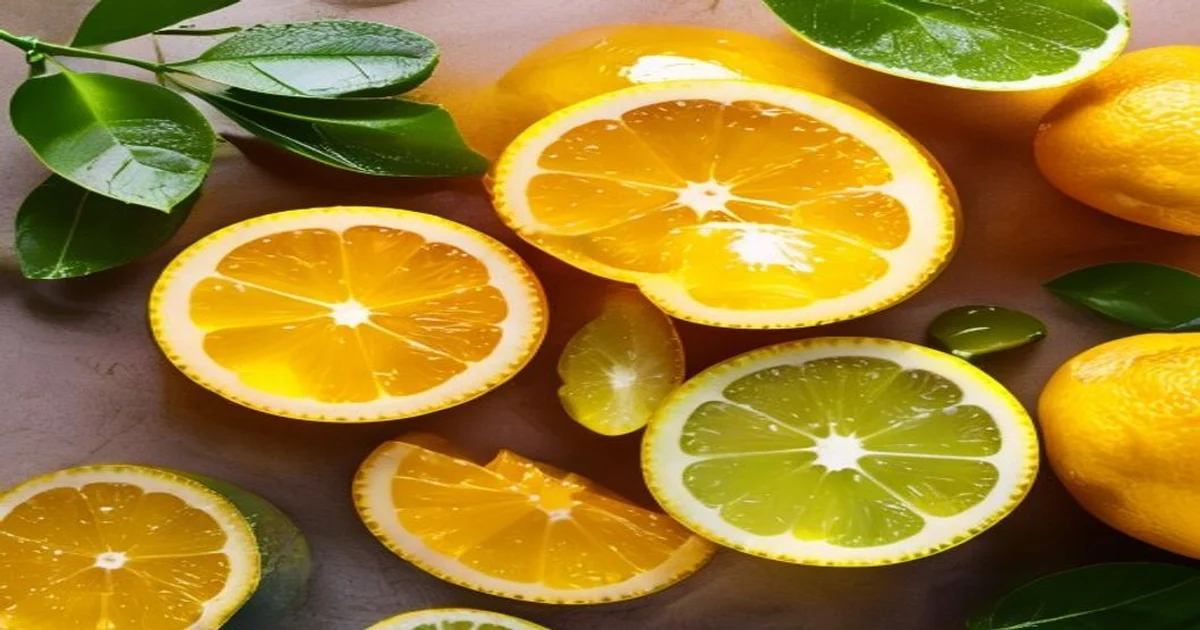
The best natural vitamin C sources: bell pepper (especially red — 190 mg per 100 g), blackcurrants (180 mg), kiwis (90 mg), broccoli (90 mg), oranges (50 mg), lemons (50 mg). Eating one large red bell pepper gives you more than double the daily requirement.
However, vitamin C is very sensitive — it breaks down when exposed to light, heat, and oxygen. Boiling vegetables destroys 25–50% of vitamin C. Storing them in the fridge for longer also reduces the amount. Therefore, fresh food does not always guarantee a sufficient intake.
Supplements have a clear advantage here: you know exactly how much you’re getting, and you don’t have to worry about storage conditions. Moreover, quality ascorbic acid is cheaper than buying fresh berries or bell peppers every day, especially out of season.
The best way to take vitamin C — combine both sources. A varied diet as the foundation and a supplement as a guarantee that you’re getting enough, especially during more active periods or the cold season. To learn more about how to balance supplements and diet, read our article on supplements for well-being — what to choose.
More information about scientific vitamin C research can be found on the official US National Institutes of Health (NIH) page.
Disclaimer: This information is for educational purposes only. Before starting any supplements, consult your doctor or pharmacist.